If you want to buy whole fish, you might be surprised at how much value and freshness you really get compared to buying just fillets. Whole fish often cost less per pound and give you access to more parts of the fish, which means more delicious meals and less waste. While it takes a bit more effort to prepare, buying whole fish is a savvy choice for anyone wanting rich flavor, nutrition, and savings without compromising quality.
Cost Advantage
When you compare prices, whole fish typically come with a lower price per pound than fillets. This is because filleting demands extra processing, labor, and packaging. Buying the whole fish means you‘re paying for all of its parts, including the fillets, head, bones, and organsbut you can use these parts to make stocks, soups, or other dishes that extend your seafood experience.
Moreover, whole fish often come fresh from local markets where markup is less aggressive than in pre-packaged fillets found in supermarkets. This means you get better value and fresher products that keep your meals tasting first-rate.
How Does Buying Whole Fish Save You Money?
To see the savings clearly, consider this example: a 2-pound whole fish sold at $8 per pound totals $16, which includes all parts of the fish. The same fish filleted might cost $12 per pound for 1 pound of meat, totaling $12. At first glance, fillets seem cheaper; however, you lose out on bones and heads you can use. Making broth with leftover parts also adds value without extra cost.
Additionally, buying whole fish reduces the need for multiple purchases. Using every part helps you stretch your budget. Budget shoppers who choose whole fish often save 20-30% on seafood expenses compared to buying only fillets or skinless cuts.
Budget Seafood Shopping Tips
- Buy local, in-season fish to get the freshest catch at lower prices.
- Visit fish markets early in the day for the best selection and possible discounts.
- Look for species that are sustainably sourced, which often cost less and are better for the environment.
- Ask your fishmonger for advice on selecting whole fish that fit your budget and meal plans.
Whole Fish vs Fillets
What truly sets whole fish apart from fillets? Beyond price, freshness and nutritional benefits are major factors. Whole fish maintain better moisture during transport and storage since the skin and bones protect the delicate meat. This often results in fresher, more flavorful seafood that cooks more evenly.
Fillets do offer convenienceready to cook without cleaning or deboningbut they lose some nutrients found in skin, bones, and even organs. Whole fish, on the other hand, provide vitamins and minerals like calcium and omega-3 fatty acids that you might miss when eating fillets alone.
Is Whole Fish Fresher Than Fillets?
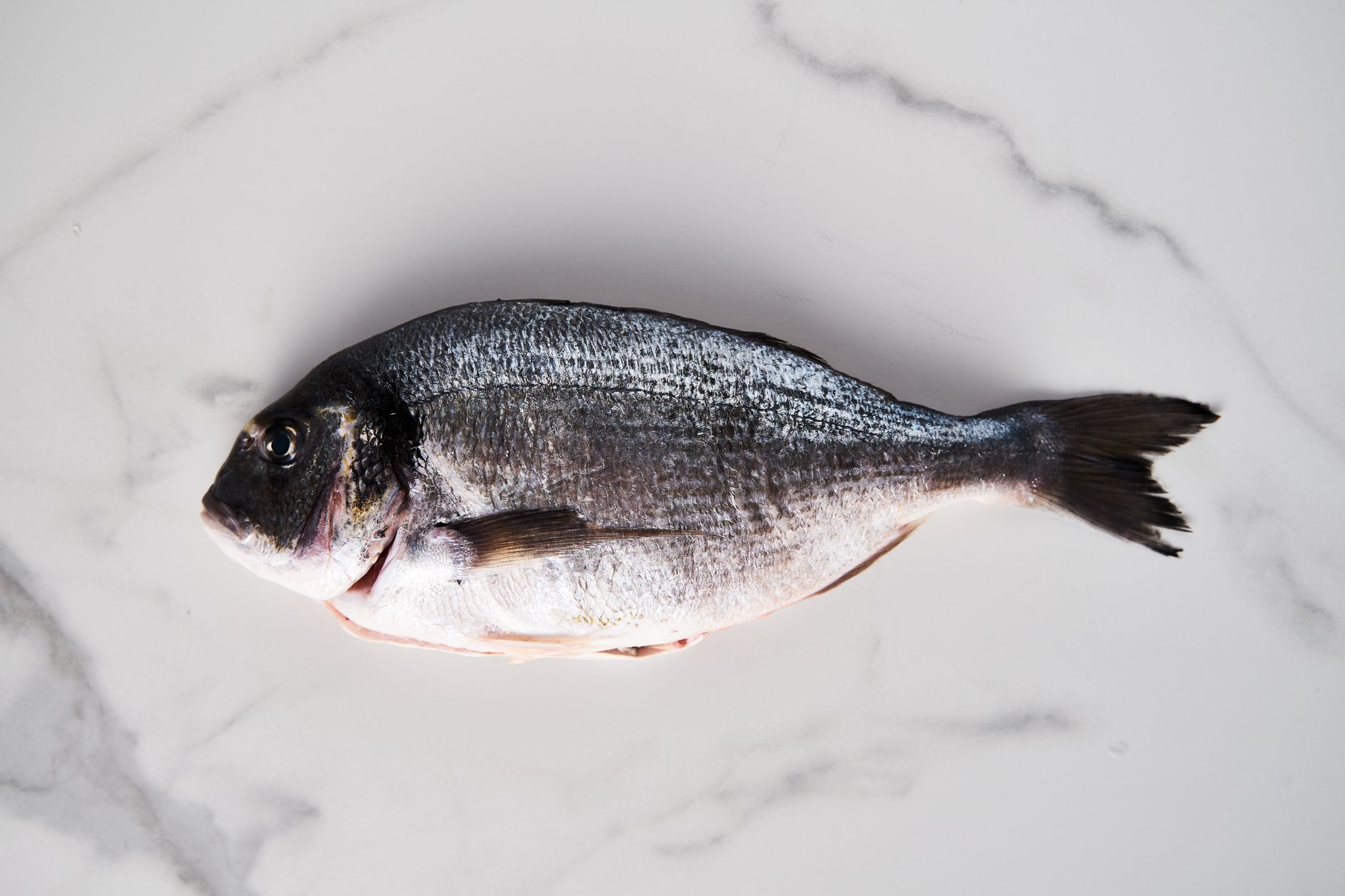
Yes, often whole fish are fresher because less processing means less exposure to air and bacteria. When buying, look for bright, clear eyes, firm flesh, shiny skin, and a clean, mild smell. These signals indicate peak freshness. Fillets are usually cut and packaged days before purchase and may dull in color or firmness over time.

Nutritional Comparison: Whole Fish vs Fillets
According to the USDA FoodData Central, eating fish skin and bones adds calcium and essential fatty acids you don‘t get from fillets alone. Bone broth made from leftover fish parts is rich in collagen and minerals vital for joint and gut health. Skin contains healthy fats and antioxidants, which help maintain cardiovascular health.
So when you buy whole fish, youre gaining fuller nutrition and a richer culinary experience than when buying just the trimmed fillets.
Step-by-Step Filleting Guide
If youre new to filleting whole fish, start with these simple steps:
- Use a sharp, flexible fillet knife to make clean cuts.
- Cut behind the gills and along the backbone carefully to separate the fillet.
- Remove pin bones with tweezers.
- Rinse fillets gently and pat dry before cooking.
Try watching beginner-friendly video tutorials online to visualize the technique and build confidence.
Benefits and Risks
Whole fish offer unmistakable advantages, but they come with certain challenges. The preparation takes more time and effort, including gutting, scaling, and cleaning, which can be messy without the proper setup. You also need to handle fresh fish hygienically to prevent spoilage or contamination.
Still, the benefits of better flavor, nutrition, variety, and cost savings often outweigh the extra work. Properly stored, whole fish keep for 1-2 days in the refrigerator wrapped tightly, or up to 3 months in the freezer. Make sure to clean the fish promptly to extend shelf life.
Common Challenges Buying Whole Fish
- Handling: Ensure your hands and surfaces are clean before and after handling.
- Storage: Keep fish on ice or in the coldest part of your fridge to slow spoilage.
- Cooking: Use instant-read thermometers to check for safe internal temperatures (minimum 63C/145F).
When Not to Buy Whole Fish
If youre short on time or dont feel comfortable cleaning fish, fillets or pre-cut portions might be better. Also consider convenience factors like freezer space and available kitchen tools. For quick meals or beginners, fillets still offer an easy, tasty option.

Insider Seafood Tips
Fishmongers recommend talking directly to the selleryou might find special cuts or discounted whole fish that aren‘t advertised. Buying whole fish from trusted Halal-certified sources ensures the product meets Islamically permissible standards verified by bodies like JAKIM or HMC. Always look for their logo on packaging or ask your market staff.
Real-Life Saving Stories
One shopper shared they saved 25% weekly by buying whole fish and using leftover bones for nutritious broth. Another recommended marinating whole fish for grilling to maximize flavor and tenderness. Using leftover heads and tails in recipes like fish curry or fish soup adds richness unseen in fillet-only meals.
If you want to enhance your seafood meals further, you might enjoy discovering the best foods mayonnaise to pair with fish dishes or check your eggs quality with the egg freshness test for balanced meals.
Buy Whole Fish Checklist
| Certification | Price Range | Common Formats | Shelf Life | Key Allergens |
|---|---|---|---|---|
| JAKIM, HMC, IFANCA Halal Certified | $5$12 per lb (depending on species) | Whole fish, gutted, scaled, frozen | 12 days refrigerated, up to 3 months frozen | Fish proteins (common allergen) |
Is buy whole fish actually Halal what should I check?
Ensure the fish you buy carries certification logos from recognized bodies like JAKIM, HMC, or IFANCA. These confirm the fish was sourced and processed according to Halal guidelines, including humane handling and the absence of non-Halal contaminants.
Can you freeze whole fish and maintain quality?
Yes, properly cleaned whole fish can be frozen for up to 3 months without significant quality loss. Wrap tightly in plastic wrap and place in a freezer-safe bag to prevent freezer burn.
What are the best whole fish to buy on a budget?
Look for local, common species such as tilapia, mackerel, or sardines. These are usually affordable, versatile, and widely available fresh or frozen.
How to tell if a whole fish is fresh?
Fresh whole fish have clear, bulging eyes, firm flesh, red gills, shiny skin, and smell clean and slightly brinynot overly fishy.
Is it healthier to eat whole fish rather than fillets?
Whole fish often provide more complete nutrition, including calcium from bones and omega-3 fatty acids found in skin and organs, contributing to a healthier diet.
What tools do I need to prepare whole fish?
A sharp fillet knife, kitchen shears, and a pair of tweezers for pin bone removal make preparation easier and safer.
How long does whole fish last after purchase?
Store on ice or in the fridge wrapped tightly to keep fresh for up to 2 days. Freezing extends storage up to 3 months.
Buying Tips
- Dont settle for the cheapest: Low prices might mean lower quality or older fish.
- Ask about catching date: Fresher fish guarantee better taste and safety.
- Buy from Halal-certified sellers: This ensures the product meets your dietary and religious needs.
- Check handling practices: Clean, well-maintained displays and knowledgeable staff are good signs.
A common mistake is overestimating your ability to clean and cook large whole fish. Start small with manageable sizes and practice safe food handling to build confidence.
More You Might Like
Explore our guide on best foods mayonnaise for perfect seafood dips and sandwiches.
Improve your overall meal quality by ensuring freshness with our quick egg freshness test tips.

Conclusion
Choosing to buy whole fish offers remarkable value, superior freshness, and greater nutrition than fillets alone. With a little effort and knowledge, you can enjoy flavorful seafood meals that respect both your budget and dietary requirements. Next time you shop, check the label for Halal certification and talk to your fishmonger about selecting the right whole fish for your kitchen. Your wallet and palate will thank you.
FAQs
Is buy whole fish actually Halal — what should I check on the label?
To ensure the whole fish you buy is Halal, look for certification logos from recognized bodies like JAKIM, HMC, or IFANCA. These confirm the fish was sourced, handled, and processed according to Islamic dietary laws.
How long does whole fish last after purchase?
Fresh whole fish can last 1-2 days refrigerated if wrapped tightly and kept cold. If frozen properly, whole fish can maintain quality for up to 3 months.
What is the difference between buying whole fish and fillets?
Whole fish are generally fresher, more nutritious, and cost-effective. They retain skin, bones, and organs, which provide extra flavor and nutrients not found in fillets, but require more preparation effort.
Is it safe to eat whole fish daily?
Eating whole fish daily can be safe if sourced fresh, handled hygienically, and cooked properly. Whole fish offer more nutrition but always ensure variety and moderation for balanced diet safety.
Where is the best place to buy whole fish?
Local fish markets early in the day usually offer the freshest, most affordable whole fish. Buying from Halal-certified sellers ensures religious compliance and quality.