If youve recently spotted blue eggs on the grocery shelves, you might be wondering what makes them different from the usual white or brown varieties. Are these blue eggs special somehow? Are they healthier or tastier? Blue eggs are gaining attention thanks to their striking color and unique breed origins. This article will explain why blue eggs exist, what to expect when buying them, and tips for cooking and storing these beautiful eggs with confidence.
Eggshell Color Basics
What Determines Eggshell Color?
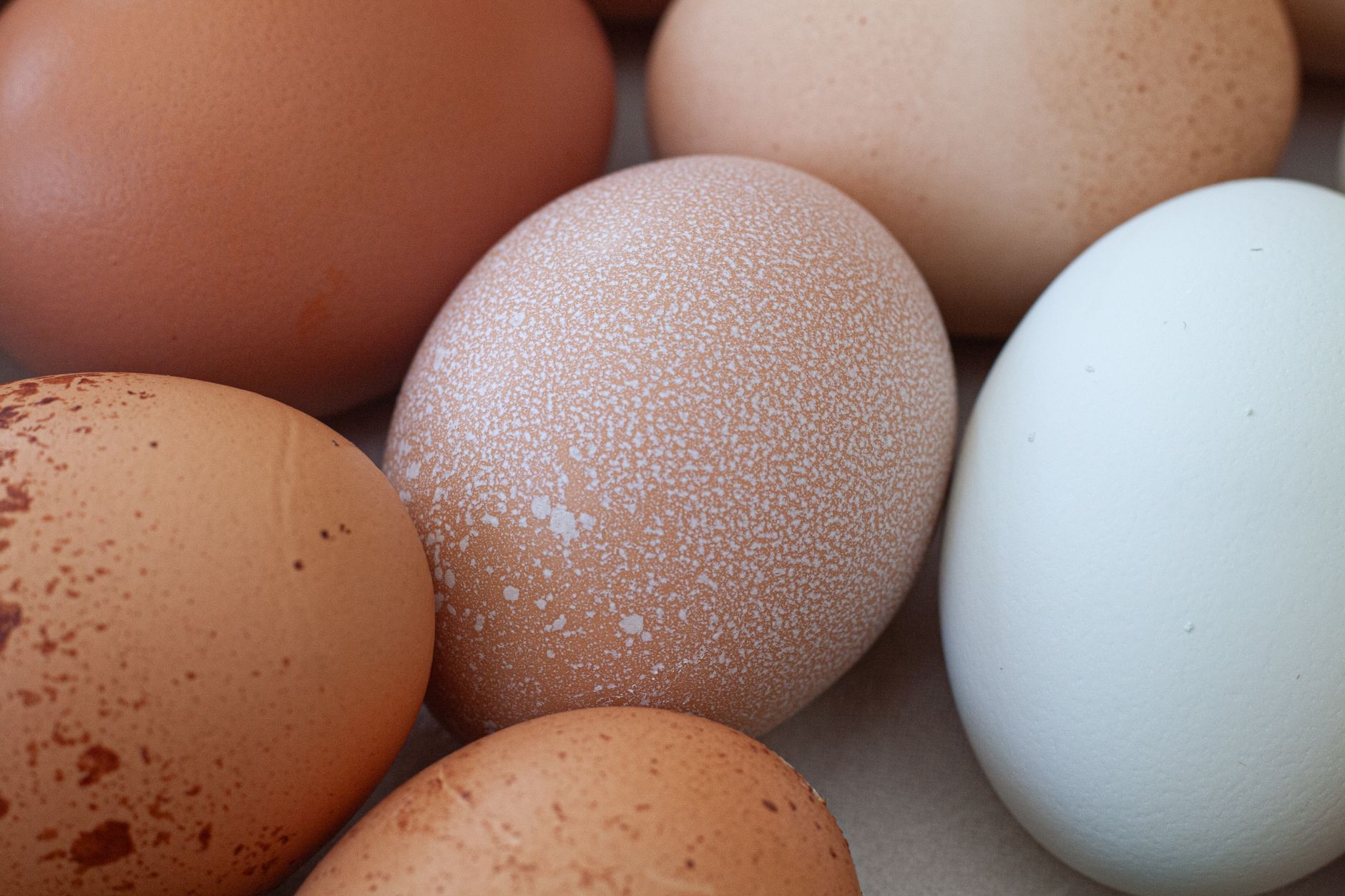
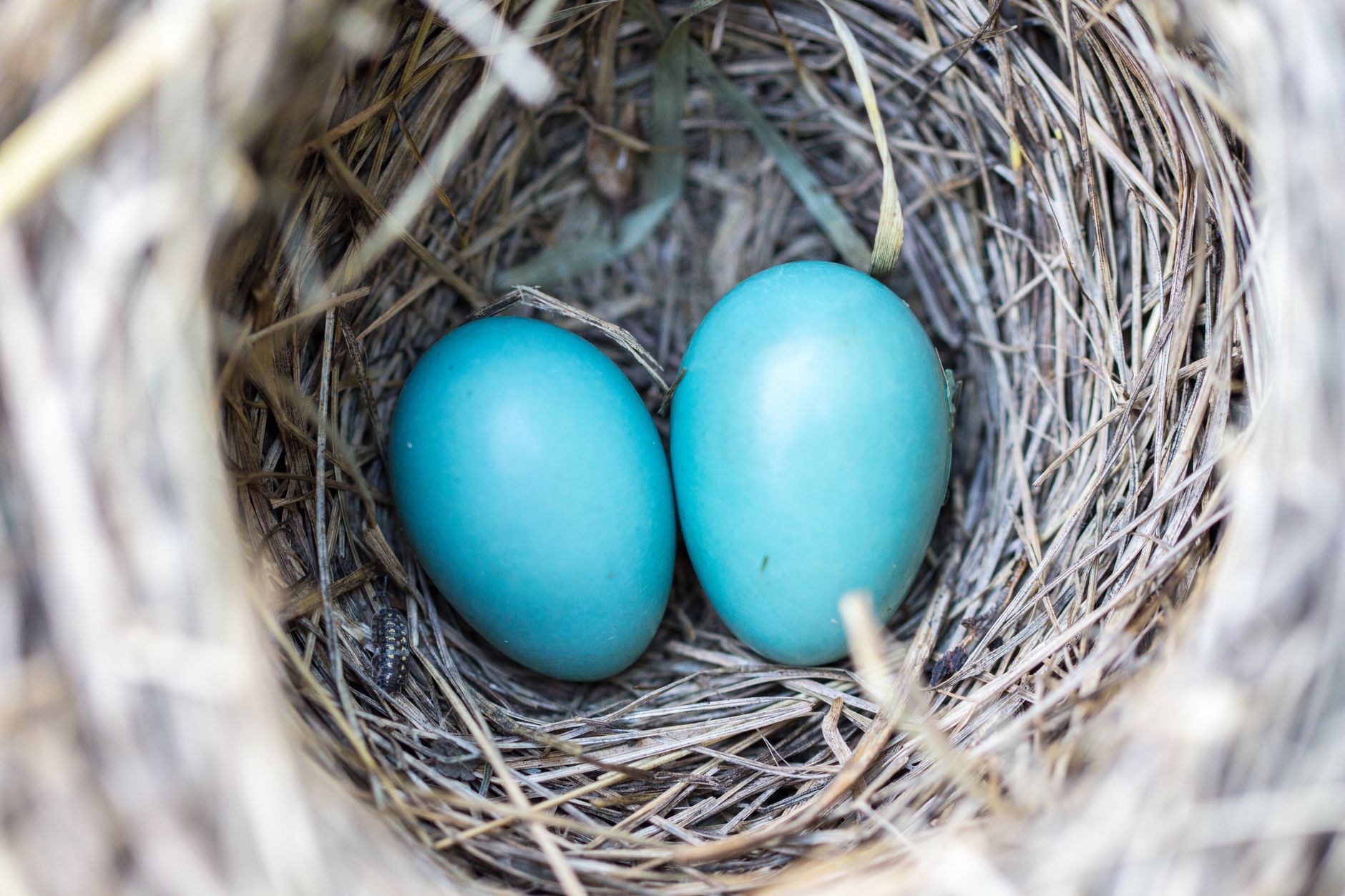
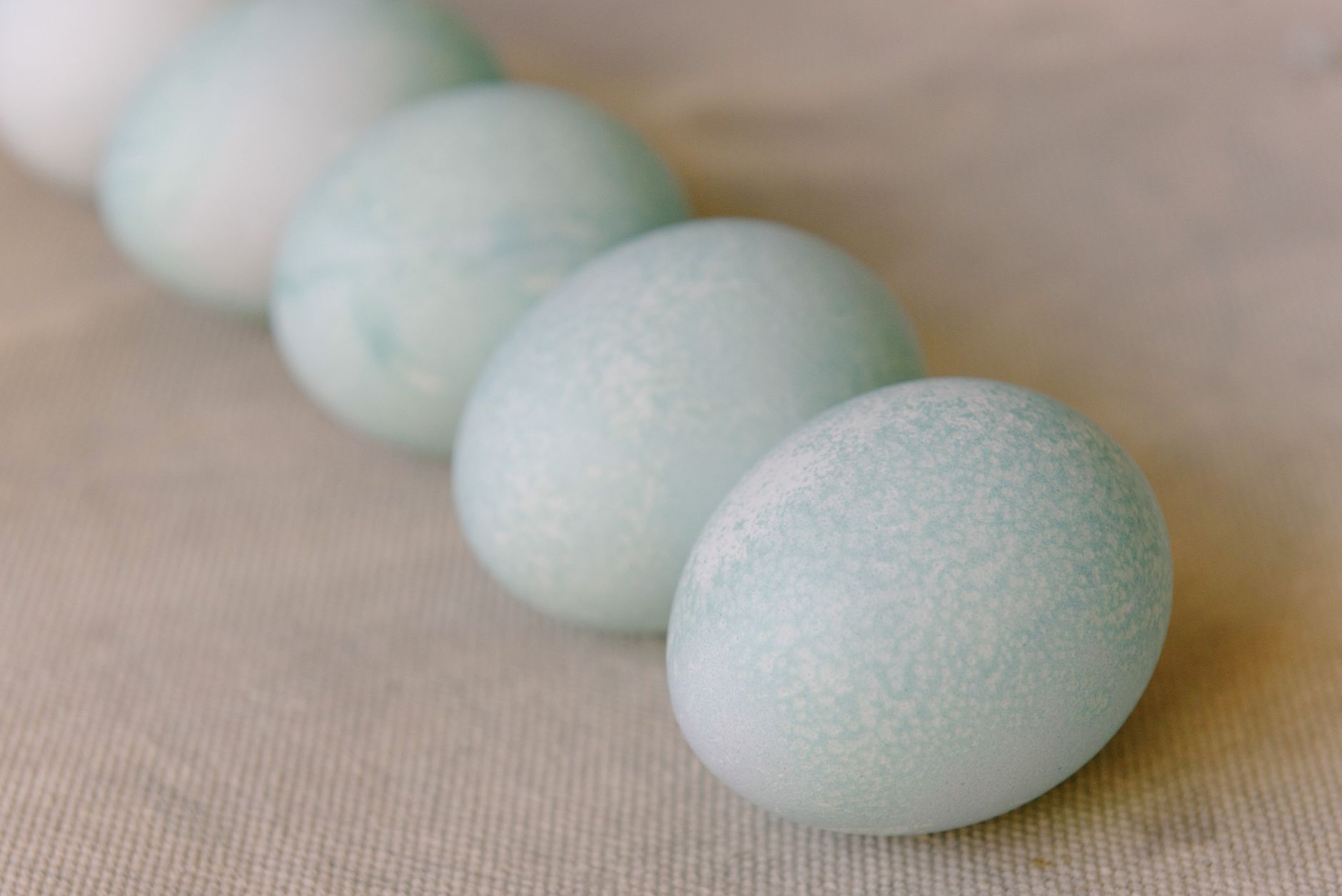
The color of an eggs shell comes down to genetics. Specifically, the breed of the hen decides whether the shell will be white, brown, green, or blue. Blue eggs get their color from a pigment called biliverdin, which is deposited on the eggshell as it forms inside the hens oviduct. This pigment gives the eggs their characteristic blue or greenish hue, distinct from the brown pigment called protoporphyrin found in brown eggs.
The blue pigment actually penetrates the shell, meaning the color is uniform inside and out unlike brown eggs, where the shell is colored only on the surface. This fascinating natural process is unique to certain breeds and has nothing to do with diet or farming methods.
Which Breeds Lay Blue Eggs?
Several heritage hen breeds are known for laying blue eggs. The most common include the Araucana from Chile, the Ameraucana developed in the United States, and the Cream Legbar from the UK. Each breed has unique traits, but they all share the gene that causes that lovely blue pigment. Some of these breeds also lay greenish eggs, thanks to additional brown pigment mixing with the blue.
Heres a quick comparison table showing typical egg colors by breed:
| Hen Breed | Typical Egg Color | Origin | Notes |
|---|---|---|---|
| Araucana | Blue | Chile | Often tuftedsome hens are rumpless |
| Ameraucana | Blue to Green | United States | Bred for blue eggs, hardy in cold climates |
| Cream Legbar | Light Blue | United Kingdom | Known for consistent blue eggs and fast growth |
| Leghorn | White | Italy | Common commercial white egg layer |
| Rhode Island Red | Brown | United States | Popular brown egg layer |
Blue Eggs in Stores
Are Blue Eggs Different From Regular Eggs?
Most blue eggs you find in grocery stores are laid by heritage breeds raised on small farms or specialty producers. Aside from their color, nutritionally, these eggs are very similar to white or brown eggs found in supermarkets. According to the USDA FoodData Central, blue eggs dont hold any inherent nutritional advantage just because of their shell color.
You might notice a slight difference in taste or richness, but that usually comes from the hens diet or farming conditions, not the shell pigment. Many shoppers report that blue eggs taste a bit creamier or fuller-bodied, but this is subjective and often tied to freshness and feed quality.
Health Benefits What Science Says
Some marketing claims suggest blue eggs contain extra Omega-3s or vitamins. While diet does influence egg nutrition, the blue shell itself does not. Studies show that hens fed higher-quality feeds can produce eggs richer in healthy fats, regardless of shell color. So, if you want nutrient-packed eggs, look for labels such as "pasture-raised" or "Omega-3 enriched," rather than relying on blue shell color alone.
In terms of allergens, eggshell color does not affect allergenic proteins inside the egg. Those with egg allergies react to proteins mainly found in egg whites and yolks, not the shell color.
Food safety is the same for blue eggs as for any other eggs. Follow good hygiene and storage guidelines never consume cracked or dirty eggs, and refrigerate promptly.
Choosing and Storing Blue Eggs
What to Look For When Buying Blue Eggs
When shopping for blue eggs, always check packaging to confirm Halal certification, especially if this matters for your household. Look for trusted logos such as JAKIM, HMC, or IFANCA, which verify compliance with Halal standards.
Labels that read "free-range," "organic," or "pasture-raised" usually indicate hens raised with better welfare practices, which often improves egg quality and taste. Watch out for vague terms like "farm fresh" which have no legal meaning.
| Certification | Price Range | Common Formats | Shelf Life | Key Allergens |
|---|---|---|---|---|
| JAKIM, HMC, IFANCA | 35 USD per dozen | Cartons of 6 or 12 eggs | Refrigerated: 45 weeks unopened | Eggs (proteins in yolk & white) |
Storing Blue Eggs
Blue eggs store just like conventional eggs. Keep them refrigerated at or below 4C (39F). In their original carton, they last 4-5 weeks unopened. Once opened or cracked, use within 3 days for best quality. Avoid washing eggs before refrigeration, as this can remove the natural protective bloom on the shell and reduce shelf life.
Storing eggs with the pointed end down helps keep the air cell stable and yolk centered. This tip works for all eggs, regardless of shell color.
Cooking and Recipes
Do Blue Eggs Cook Differently?
Blue eggs behave just like any other eggs in the kitchen. Their cooking times and texture are consistent with white or brown eggs. You won‘t notice any color changes during cookingthe shell color doesn‘t affect how the yolk or white looks once cracked.
Because blue eggs often come from smaller farms, they tend to be fresher when purchased, which can improve the texture and flavor in recipes.
Simple Blue Egg Recipe: Creamy Scrambled Blue Eggs
| Prep Time | Cook Time | Total Time | Servings | Calories | Diet Tags |
|---|---|---|---|---|---|
| 5 minutes | 6 minutes | 11 minutes | 2 | 220 per serving | Halal, Gluten-Free |
Ingredients:
- 4 blue eggs (fresh preferred)
- 2 tbsp whole milk or cream
- 1 tbsp unsalted butter
- Salt and freshly ground black pepper, to taste
Instructions:
- Crack eggs into a bowl. Add milk, then whisk gently until blended but not frothy.
- Heat a non-stick pan over low-medium heat. Melt butter slowly until it foams but doesn‘t brown.
- Pour eggs into the pan. Let sit for 30 seconds until edges begin setting.
- Using a silicone spatula, gently push eggs from the edges toward the center, forming soft curds.
- Continue stirring slowly for about 4-5 minutes until eggs are mostly set but still moist and creamy.
- Remove from heat and season with salt and pepper before serving immediately.
These creamy scrambled blue eggs pair perfectly with a side of toasted wholegrain bread and fresh herbs for a wholesome, satisfying breakfast.
Why Eggshell Color Matters
Trends Behind Blue Eggs
Blue eggs are part of a growing consumer interest in unique, artisanal, and heritage foods. Many shoppers are looking beyond standard white or brown eggs toward options connected to animal welfare, biodiversity, and farm traceability. Blue eggs symbolize this quest for distinctiveness on store shelves and farmers markets.
Marketing often highlights the rarity and beauty of blue eggs to attract curious buyers. While blue eggs are not magic, their story taps into the desire for transparency and authentic food experiences that modern shoppers appreciate.
Environmental and Ethical Notes
Raising diverse hen breeds that lay blue eggs often supports sustainable farming. Heritage flocks contribute to genetic diversity, which can protect against disease and improve flock resilience. Small farms raising these breeds tend to prioritize animal welfare and pasture access more than large-scale industrial producers.
Choosing blue eggs certified Halal means you can be confident the hens were treated and processed according to respected ethical guidance. Look for clear Halal packaging to ensure traceability and compliance with Islamic dietary laws.

Is blue eggs actually Halal what should I check?
Eggs themselves are generally Halal, regardless of shell color, but certification confirms they meet Islamic dietary and processing standards. Check for trusted Halal logos like JAKIM, HMC, or IFANCA on the packaging. This guarantees no cross-contamination with Haram substances and proper handling from farm to shelf, in line with Halal requirements.
When is the best time to eat blue eggs?
Blue eggs are freshest and most flavorful when eaten within 35 weeks of collection. Refrigerate promptly after purchase and consume within this window for best taste, texture, and safety.
Do blue eggs taste different from brown eggs?
Any taste difference mostly depends on hen diet and freshness, not shell color. Some find blue eggs creamier or more flavorful, but this varies by producer and personal preference.
Can I use blue eggs for baking?
Absolutely. Blue eggs perform the same in baking as white or brown eggs. Their rich yolks may add slight color depth in recipes, particularly in cakes and breads.
How do I store blue eggs properly?
Keep blue eggs refrigerated at or under 4C (39F) in their original carton. They last up to 5 weeks unopened. Avoid washing before storing to maintain the natural protective film.
Are blue eggs more expensive and why?
Yes, blue eggs usually cost more due to smaller-scale production and specialty breeds. Heritage hens lay fewer eggs than commercial layers, and farming practices are generally more labor-intensive.
Can blue eggs trigger egg allergies?
Egg allergies depend on proteins inside the egg, not shell color. Blue eggs do not reduce allergen risk. Those with egg allergies should avoid all chicken eggs unless medically advised otherwise.
Buying Tips for Blue Eggs
The most overlooked mistake when buying blue eggs is ignoring certification labels. Certification ensures the entire supply chain respects Halal standards and quality, which is essential for food trust.
Cheap blue eggs often come from larger producers that may not guarantee ethical or Halal compliance. Investing in certified brands gives peace of mind.
An expert tip: Buy blue eggs from local farms or reputable Halal-certified brands when possible, and ask for breed info to appreciate the full story behind your unique eggs.
For seasoning your dishes with blue eggs, consider pairing them with pure, natural ingredients. For example, a pinch of salt from a trusted Salt cellar can enhance flavors without overpowering the eggs delicate richness.
When preparing egg dishes like barbecue-flavored shakshuka, blue eggs combine beautifully with smoky and sweet notes from certified Barbecue sauces.
More You Might Like
Explore the benefits of certified halal dairy products for wholesome family meals. Or try unique snack options made with natural ingredients verified by trusted Halal bodies. Finally, discover simple homemade recipes using heritage breed eggs to expand your cooking repertoire.
Conclusion
Blue eggs offer a colorful alternative to regular grocery eggs, naturally colored by special hen breeds. They dont differ much nutritionally but add variety and beauty to your kitchen. When buying, check for Halal certification and freshness to enjoy these eggs safely and confidently. Next time you see blue eggs, give them a tryyour meals might just get a little more interesting. Feel free to share your experiences or recipes with blue eggs in the comments!
FAQs
Is blue eggs actually Halal — what should I check on the label?
Eggs themselves are generally Halal regardless of shell color, but Halal certification ensures compliance with Islamic dietary laws. Look for trusted Halal logos such as JAKIM, HMC, or IFANCA on the packaging to confirm proper handling and that no Haram substances are involved.
When is the best time to eat blue eggs?
Blue eggs are freshest and best enjoyed within 35 weeks of collection. Keep them refrigerated promptly after purchase for optimal taste, texture, and safety.
How long do blue eggs last after opening or cracking?
Once opened or cracked, blue eggs should be consumed within 3 days for best quality. Unopened eggs last 4-5 weeks when refrigerated at or below 4°C (39°F).
Do blue eggs taste different from brown or white eggs?
Any taste differences usually depend on the hen’s diet and freshness rather than shell color. Some find blue eggs creamier or richer, but this varies by producer and is subjective.
Where can I buy quality blue eggs?
Purchase blue eggs from local farms or trusted Halal-certified brands. Checking packaging for certification and breed information helps ensure quality and ethical sourcing.