Hey friend if you're reading this, you're likely tired, crampy, or just curious about what foods can actually help during your period. I get it. Periods can feel like a full-time job some months, and the right snacks and meals can make all the difference. Lets walk through practical, science-backed, and genuinely comforting choices that ease cramps, balance mood, and keep your energy steady. Think of this as a cozy kitchen chat with real tips you can use tomorrow.
Why food matters
First, quick science in plain language: menstrual symptoms like cramps, bloating, fatigue, and mood swings are usually driven by shifts in hormones and inflammation. What you eat can influence inflammation, muscle tension, blood sugar, and even serotonin production (the feel-good neurotransmitter). So yes certain foods are small but mighty tools in your period-care toolkit.
Iron-rich picks
Bleeding can deplete iron, and low iron equals fatigue and brain fog. Including iron-rich foods helps refill reserves and keeps you feeling less wiped out.
- Leafy greens: Spinach, Swiss chard, and kale are gentle, versatile choices. Theyre best paired with vitamin C (like a squeeze of lemon) to boost iron absorption.
- Legumes: Lentils, chickpeas, and beans are reliable, filling, and affordable. A warm lentil soup can feel like a hug and a nutrient boost in one bowl.
- Lean red meat or poultry: If you eat meat, these supply heme iron the type your body absorbs most easily. Try lean options and pair them with veggies for balance.
Anti-inflammatory foods
Cramps are largely caused by inflammatory prostaglandins. Choosing anti-inflammatory foods can reduce pain and soreness.
- Fatty fish: Salmon, sardines, and mackerel are rich in omega-3s, which help reduce inflammation. A simple grilled salmon with lemon makes a period-friendly dinner.
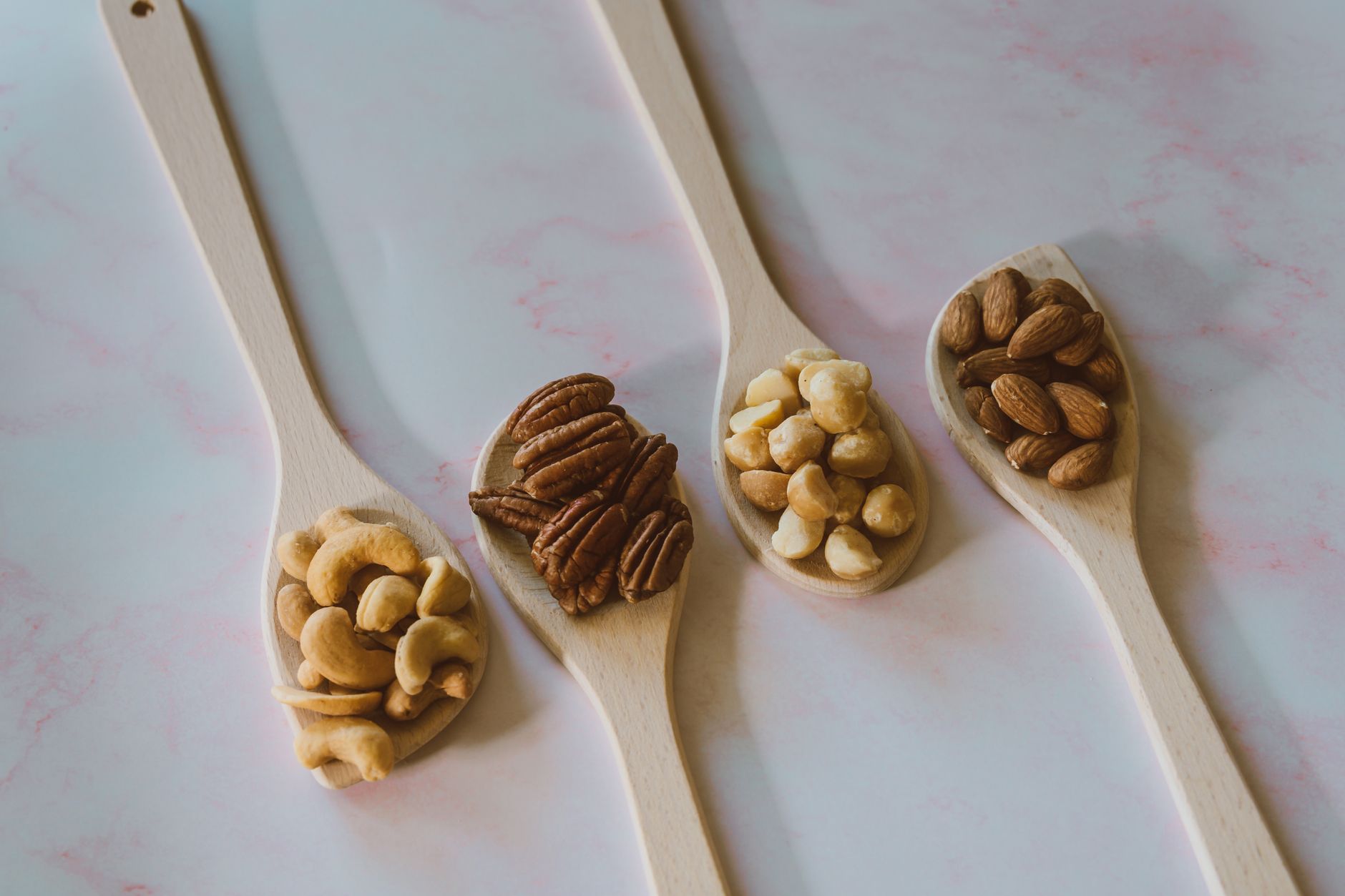
- Nuts and seeds: Walnuts, chia seeds, and flaxseeds are tiny powerhouses sprinkle them on yogurt or oatmeal for texture and benefits.
- Colorful fruits and vegetables: Berries, cherries, bell peppers, and leafy greens contain antioxidants that calm inflammation. A berry smoothie can soothe sugar cravings and help with mood.
Foods to help cramps specifically
Want to target pain relief naturally? These foods may help relax uterine muscles and reduce cramping intensity:
- Bananas: High in potassium, they help control muscle spasms and combat bloating-related discomfort.
- Ginger: Fresh ginger or ginger tea has been shown to reduce menstrual pain for many people and its cozy!
- Peppermint tea: Its soothing, reduces tension, and can calm an upset stomach.
- Dark chocolate: In modest amounts (70% cacao or more), dark chocolate provides magnesium, which may relax muscles and improve mood. Yes, comfort can be nutritious.
Stabilize energy: carbs done right
Craving carbs? Totally normal. The trick is choosing complex carbohydrates that offer steady energy without spiking blood sugar.
- Whole grains: Brown rice, quinoa, and oats offer sustained energy and fiber to prevent bloating and irregular digestion.
- Sweet potatoes: Theyre comforting, nutrient-dense, and provide slow-release energy. Roast them with a drizzle of olive oil and cinnamon for a cozy meal.
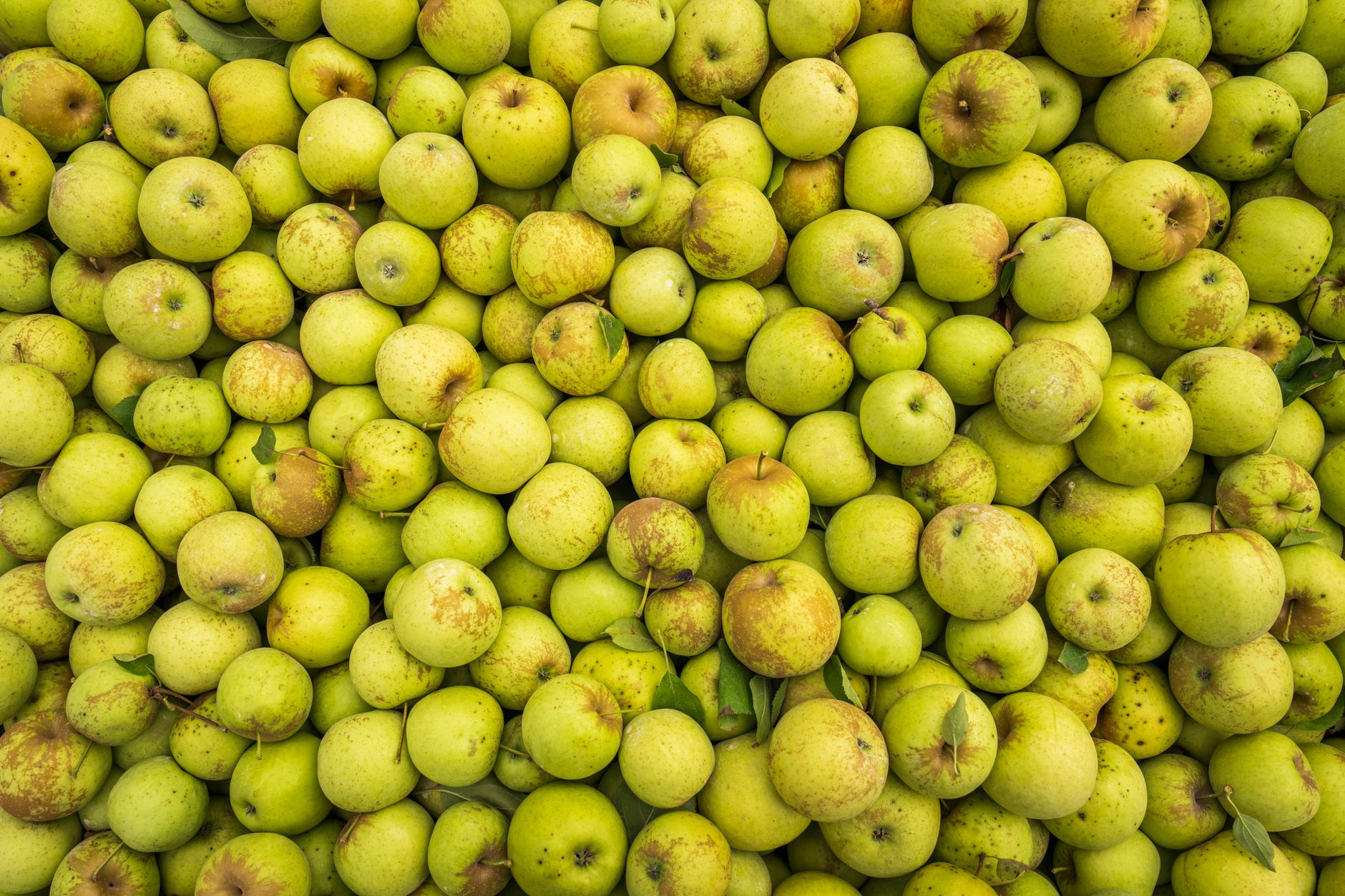
- Fruit with fiber: Apples, pears, and berries give natural sweetness and fiber to keep blood sugar stable.
Hydration and foods that reduce bloating
Bloating can turn a good day into an uncomfortable one. Hydration and certain foods can help you feel less puffy.
- Water with lemon: Simple and effective it supports digestion and helps your body manage water balance.
- Cucumber and watermelon: Both are hydrating and can reduce the sensation of bloating.
- Pineapple: It contains bromelain, an enzyme that may assist digestion and reduce swelling.
Protein for mood and satiety
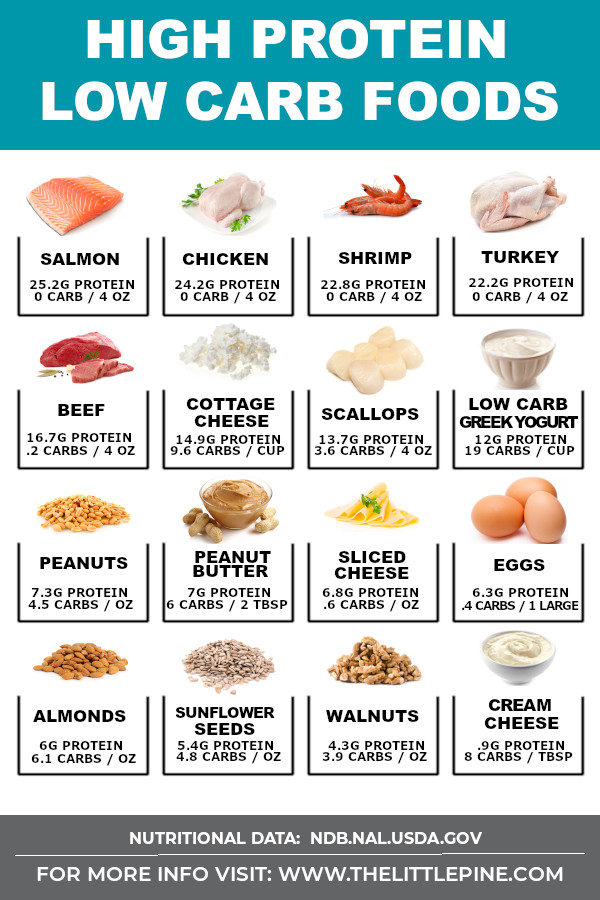
Adequate protein keeps you full, helps steady blood sugar, and supports mood through amino acid production. Try to include protein at each meal.
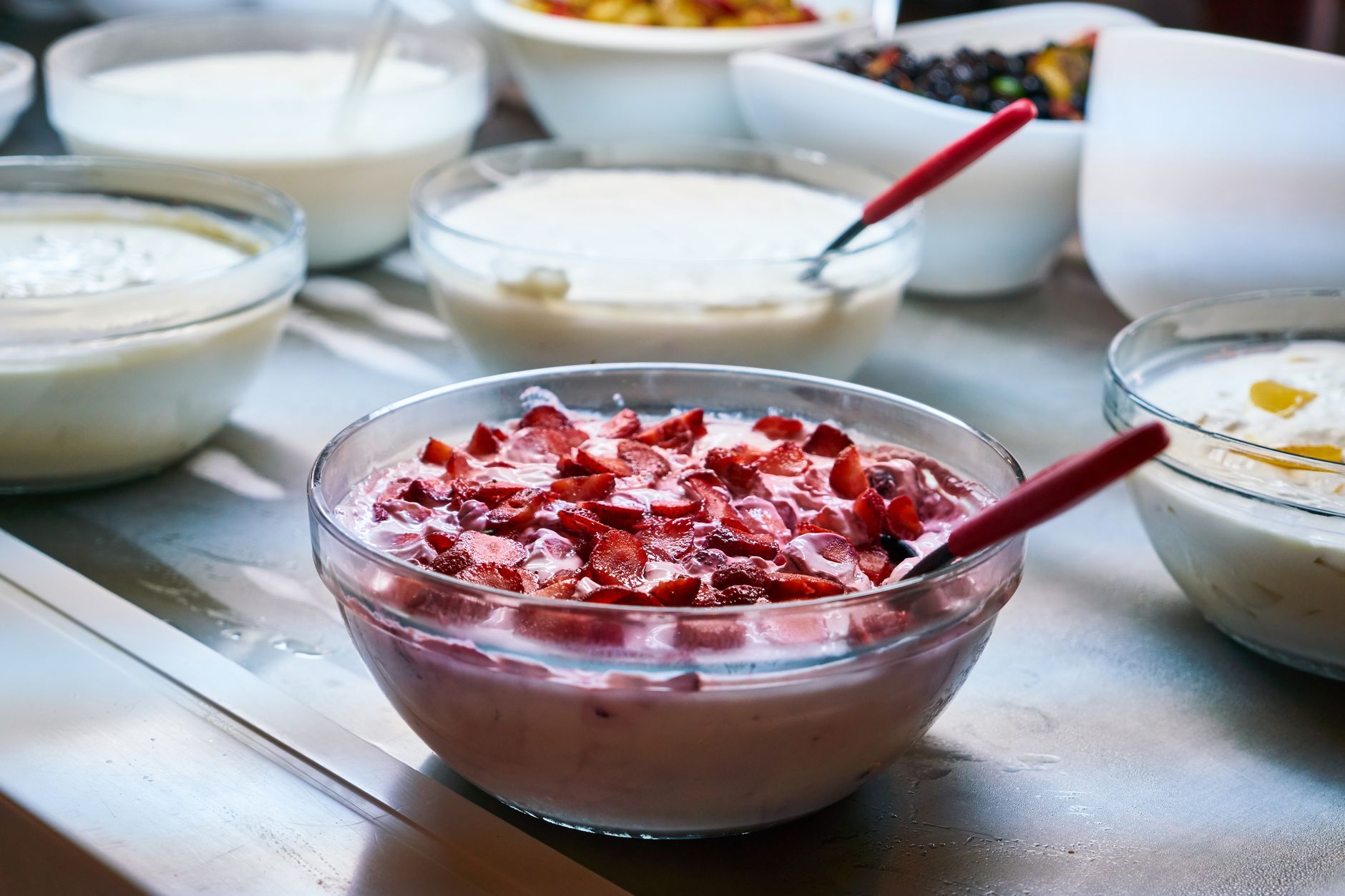
- Greek yogurt or skyr: Creamy, tangy, and high in protein a great base for fruit and seeds.
- Eggs: Versatile and nourishing. Scrambled, boiled, or in an omelet with spinach so easy.
- Tofu and tempeh: Great plant-based options for protein. They also soak up flavors beautifully.
If you're exploring plant-based options more deeply, you might like this guide on Plant based foods high in protein its helpful for planning protein-rich, meat-free meals during your cycle.
Comfort foods that wont derail your cycle
Lets be honest: sometimes you just want comfort food. The good news is you can indulge without feeling miserable later.
- Homemade soup: Broth-based soups with veggies, beans, or lean protein are soothing and hydrating.
- Oatmeal with toppings: Add banana, walnuts, and a sprinkle of cinnamon filling and mood-lifting.
- Stir-fries: Quick, veggie-packed, and adaptable. Use a base of whole grains and lean protein for balance.
Snacks to keep nearby
Small, nourishing snacks can be lifesavers when energy dips hit.
- Apple slices with almond butter
- Hummus with carrot or cucumber sticks
- Greek yogurt with a handful of berries
- A small handful of mixed nuts and dark chocolate chips
Want more snack ideas that balance protein and calories? Check out this Foods high in protein low in calories page for inspiration its great when you want satisfying snacks without feeling weighed down.
What to avoid (or limit)
Its not about strict rules but some things can make symptoms worse:
- Too much salty or processed food: Can increase water retention and bloating.
- High-sugar treats: They may give a short buzz then crash your energy and mood.
- Excess caffeine: For some people, it worsens breast tenderness, anxiety, or insomnia. Try herbal tea or reduce intake if you notice a pattern.
- Alcohol: It can disrupt sleep and worsen cramps and mood swings for some people.
Meal ideas that actually taste good
Need a quick plan? Here are simple, real-food meals to try during your period no culinary degree required.
- Breakfast: Oatmeal topped with banana, chia seeds, and a spoon of nut butter.
- Lunch: Spinach and chickpea salad with roasted sweet potato and lemon-tahini dressing.
- Snack: Greek yogurt with berries and a sprinkle of flax.
- Dinner: Baked salmon with quinoa and steamed broccoli.
- Comfort option: Lentil soup with crusty whole-grain bread and a side salad.
Practical tips for making it stick
Good intentions are lovely, but life happens. Here are friendly, doable strategies to keep nourishing yourself when your period arrives:
- Prep small things: Hard-boiled eggs, washed greens, and chopped fruit make healthy choices easy.
- Have go-to comfort recipes: A tried-and-true bowl of soup or a simple stir-fry makes decision fatigue disappear.
- Listen to your body: Some months youll crave carbs, other months protein. Honor what you need while aiming for balance.
- Track patterns: If certain foods make cramps or bloating worse, note them. Small adjustments add up.
When to talk to a pro
If your symptoms are severe heavy bleeding that interferes with daily life, crushing pain, or extreme fatigue please talk to your healthcare provider. Diet helps a lot, but its only one piece of the puzzle. You deserve support and options.
Parting thoughts and a little encouragement
Periods are personal and so are the foods that comfort us. The best foods to eat on your period dont have to be perfect they just have to help you feel a bit better. Start with small swaps, keep your favorites that make you smile, and let nutrition be a friendly tool rather than a strict rulebook.
Before you go, if youre interested in building more high-protein meals into your routine for steady energy, take a peek at this Whole foods high in protein guide its practical and full of ideas. Or, if youre curious about plant-based protein specifically, that Plant based foods high in protein link above is a great companion.
What will you try this cycle? A warming ginger tea, a comforting bowl of lentil soup, or maybe sparkling water with cucumber? Share what works for you Id love to hear your favorites. And if you want recipe ideas or simple meal plans tailored to your tastes, ask away. Youve got this.
FAQs
What are the best foods to eat on your period?
Focus on iron-rich foods, anti-inflammatory options, hydration, and protein to support energy, mood, and cramps.
Which foods help reduce cramps during your period?
Ginger, bananas for potassium, peppermint tea, and dark chocolate in moderation can help relax muscles and ease discomfort.
Are there foods to avoid when you have your period?
Limit salty or processed foods, high-sugar treats, excess caffeine, and alcohol, as they can worsen bloating, mood swings, and sleep.
How can I stabilize my energy during my period?
Choose complex carbs, whole grains, and protein at meals to maintain steady blood sugar and mood.
Should I increase iron intake during my period?
Yes—iron-rich foods help replace what you lose during bleeding. Pair iron sources with vitamin C to boost absorption.