If youve ever wrestled with fresh artichokes, then you know just how labor-intensive and messy they can be. Thats where frozen artichoke hearts come in. These handy little gems are a life-saver, offering convenience without sacrificing flavor or nutrition. Plus, when you pick high-quality frozen artichoke hearts, you enjoy a consistent texture that works beautifully in many dishes. Lets explore exactly why frozen artichoke hearts deserve a spot in your freezer.
Why Choose Frozen Artichokes?
Frozen artichoke hearts balance convenience and nutrition in a way fresh or canned versions sometimes cant. They save you prep time, reduce waste, and deliver a reliable texture for cooking. Whether youre a busy professional or just love quick meal solutions, frozen artichokes simplify your kitchen routine without cutting corners.
How Do Frozen Artichoke Hearts Compare to Fresh and Canned?
Frozen artichoke hearts often hit the sweet spot between fresh and canned in flavor and texture. The freezing process locks in freshness shortly after harvest, preserving a tender yet firm bite. In contrast, canned artichokes tend to be softer and sometimes a bit salty due to brining. Fresh artichokes require days of prep and often yield inconsistent results, depending on ripeness and handling.
Flavor and Texture Differences
Frozen artichoke hearts maintain a mild, slightly nutty flavor and smooth texture after cooking. They avoid the mushiness typical of canned versions but are more forgiving than fresh, which can be fibrous if undercooked. Roasting or sauting frozen artichokes brings out a rich, velvety taste that works well in salads, pastas, or dips.
Shelf Life and Storage Benefits
Frozen artichokes last 812 months in your freezer when stored in their sealed packages. Fresh artichokes only keep for about 57 days refrigerated. Canned artichokes store for up to 2 years unopened but must be used within 57 days after opening. Thus, frozen offers a convenient balance of long life without a need for preservatives.
| Type | Flavor | Texture | Shelf Life | Prep Time |
|---|---|---|---|---|
| Fresh | Mild, grassy | Firm, fibrous if undercooked | 57 days refrigerated | 20+ minutes |
| Frozen | Mild, nutty | Tender, smooth | 812 months frozen | Minimal (defrost) |
| Canned | Saltier, slightly tangy | Soft, sometimes mushy | Up to 2 years unopened | None |
Are Frozen Artichoke Hearts Healthy?
Frozen artichoke hearts retain much of their nutritional goodness, including fiber, vitamin C, and antioxidants. According to the USDA FoodData Central, freezing shortly after harvest helps preserve these nutrients better than prolonged refrigerated storage of fresh produce. Just watch out for added sodium or preservatives in some brands.
Choosing options with a clean labelartichokes only, no added salt or oilsis best. Many frozen artichokes come free from allergens too, making them safe for most diets, including Halal. Look for Halal certification logos like JAKIM (Malaysia), HMC (UK), or IFANCA (USA) to confirm compliance.
Cooking Tips for Frozen Artichoke Hearts
Frozen artichoke hearts cook quickly and flexibly. You dont even have to thaw them in most recipes, speeding up meal prep. Roasting, sauting, and grilling bring out their natural flavors, while steaming keeps the texture light and tender.
Best Cooking Techniques
Start by rinsing frozen artichoke hearts under cold water if theyre stuck together, then pat dry. Heres a simple roasting method that works every time:
- Preheat oven to 200C (400F).
- Toss artichoke hearts with 2 tablespoons olive oil, minced garlic, salt, and pepper.
- Spread evenly on a parchment-lined baking tray.
- Roast for 20 minutes, stirring halfway through for even browning.
The roasting intensifies their nutty flavor and achieves a crispy exterior without drying out. Alternatively, saut frozen artichokes on medium heat with herbs for 8 minutes, stirring frequently to prevent sticking.
Can You Eat Them Raw in Salads?
Frozen artichoke hearts shouldnt be consumed frozen without cooking, as the freezing process alters their texture and taste. However, after quick thawing and rinsing, you can toss them cold into salads or antipasto dishes. Just make sure they are fully cooked beforehand or baked lightly for better flavor and safety.

Quick Recipes Featuring Frozen Artichokes
| Prep Time | Cook Time | Total Time | Servings | Calories | Diet Tags |
|---|---|---|---|---|---|
| 10 minutes | 20 minutes | 30 minutes | 4 | 180 kcal | Halal, Gluten-Free, Vegetarian |
Simple Roasted Artichoke Pasta
- Cook 300g gluten-free penne until al dente, drain and set aside.
- Roast frozen artichoke hearts as described above.
- In a skillet, saut 2 cloves minced garlic in 2 tablespoons olive oil for 1 minute.
- Add roasted artichokes, cooked pasta, 1/4 cup grated Parmesan (or vegan alternative), and fresh basil.
- Toss on medium heat for 3 minutes until warm and combined.
- Season with salt and pepper to taste.
This recipe is a terrific shortcut for busy weeknights. You can also swap in different seasonings like Cajun seasoning flavor available here or blend olives and sun-dried tomatoes for extra zing.
Balancing Pros and Cons
Frozen artichoke hearts are versatile, but its fair to share the downsides. Texture might soften slightly after freezing, especially if theyre stored too long or thawed improperly. Freezer burn is another risk if packaging isnt airtight. Some varieties carry added salt or preservatives, which can affect taste and nutrition.
Potential Drawbacks
- Risk of freezer burn if opened and re-frozen keep well sealed.
- Texture changes: softer than fresh, less crunch in salads.
- Price varies widely based on brand and certification status.
Despite these issues, frozen artichokes usually outperform canned products for flavor and texture. Sometimes fresh is still preferable for certain raw or gourmet presentations, but for everyday cooking, frozen is a reliable choice.
Finding Quality Frozen Artichoke Hearts
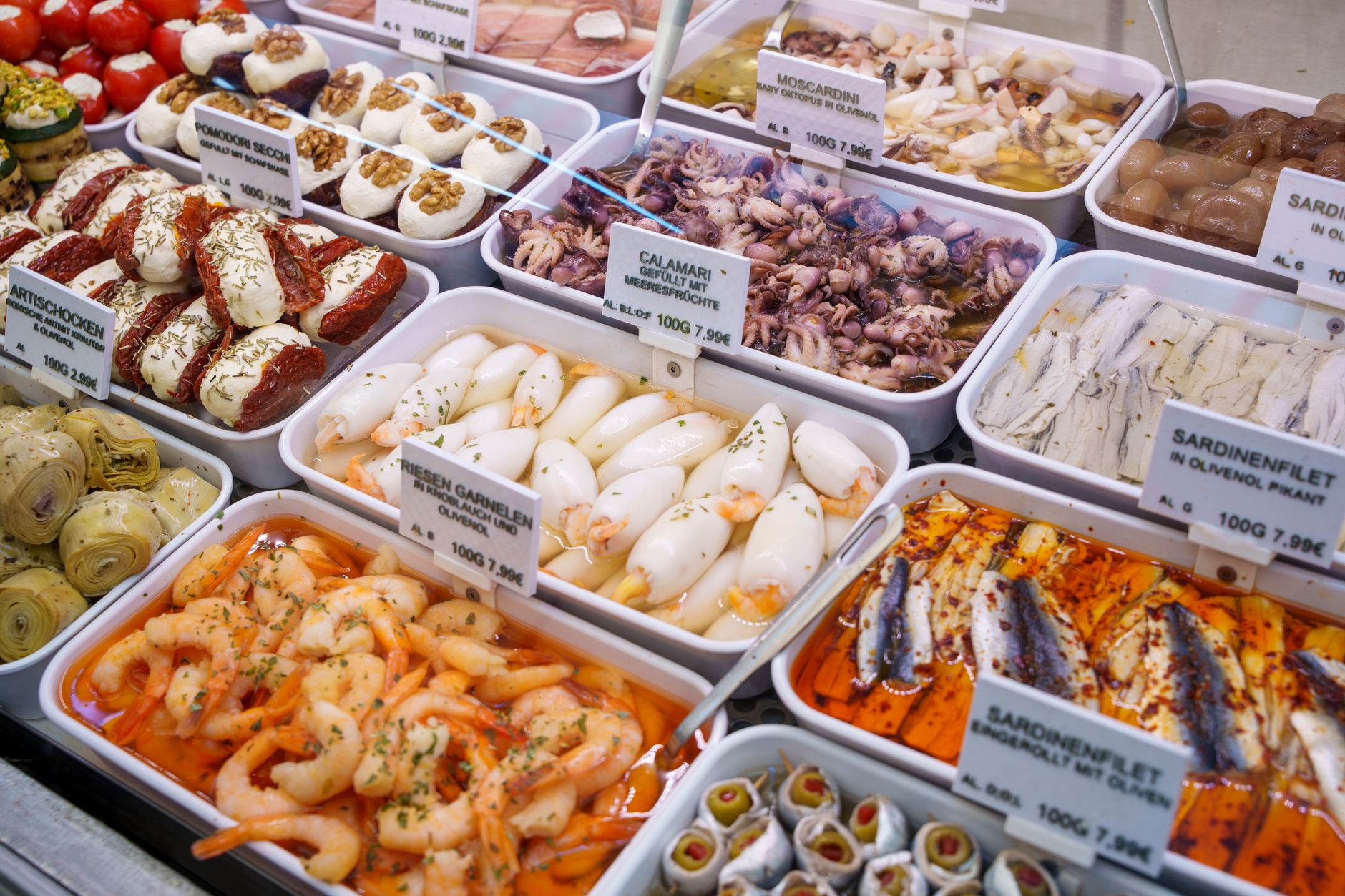
Spotting high-quality frozen artichoke hearts can be tricky. Look for simple ingredient listsideally 100% artichoke hearts without added salt, oil, or preservatives. Check for clear Halal certification logos like JAKIM or IFANCA to ensure product compliance and reliability.
Reading Labels Carefully
Labels can tell you a lot. Choose products with:
- Minimal ingredients (only artichoke hearts or artichoke hearts, water).
- Sodium content under 150mg per serving to avoid excess salt.
- Clear Halal certifications (JAKIM, HMC, IFANCA).
- Packaging dates and expiry, with no signs of damage or frost buildup.
Ignore marketing claims like premium or organic unless backed by certification seals. Often, the best frozen artichokes are simple and fresh-frozen quickly after harvest.
| Certification | Price Range | Common Formats | Shelf Life | Key Allergens |
|---|---|---|---|---|
| JAKIM, IFANCA, HMC | $4$8 per 12 oz bag | Bags, Bulk Packs, Vacuum-sealed | 812 months frozen | Generally NoneCheck for cross-contamination |
Buying Tips
A common mistake is choosing the cheapest frozen artichoke hearts without checking ingredients. These can be heavily salted or contain fillers. Invest a bit more for trusted brands with transparent sourcing and certification.
One expert tip: always plan meals around your frozen veggie supplies. Its easier to thaw just what you need and avoid waste. Plus, rotating your freezer stock prevents freezer burn and keeps textures fresh.
Is Frozen Artichoke Hearts Actually Halal What Should I Check?
Frozen artichokes themselves are plant-based and naturally Halal. The key is to verify certification by recognized bodies like JAKIM or IFANCA. Look for their logos on packaging to ensure no non-Halal additives or cross-contamination during processing.
What Is the Best Way to Store Frozen Artichoke Hearts?
Keep frozen artichokes sealed tightly in their original packaging or airtight containers. Store at a consistent temperature below -18C (0F). Properly stored, they remain fresh for up to 12 months. After opening, transfer unused portions to freezer bags and use within 3 months for best quality.
Can I Substitute Frozen Artichoke Hearts in Recipes That Call for Fresh?
Yes, frozen artichokes substitute well in cooked dishes. Adjust cooking times slightly to accommodate thawing. For raw applications, thaw and drain completely to avoid excess moisture that can affect texture.
Are There Any Allergens Commonly Found in Frozen Artichoke Hearts?
Frozen artichoke hearts are typically allergen-free. However, always read labels to avoid possible cross-contamination with nuts or gluten if processed in shared facilities.
How Do I Prevent Frozen Artichoke Hearts from Getting Mushy?
Cook frozen artichokes quickly over medium heat and avoid overcooking. Roasting or sauting at higher temperatures helps develop a pleasant crispness that counters sogginess.
Can Frozen Artichoke Hearts Be Used in Halal Meals?
Absolutely. Frozen artichokes fit perfectly into Halal diets when sourced from certified brands. Theyre versatile in soups, salads, and main courses alongside Halal proteins and vegetables.
How Do Cooking Methods Affect the Flavor of Frozen Artichokes?
Roasting caramelizes their natural sugars and enriches flavor. Sauting keeps them tender yet flavorful. Boiling or steaming produces a mild, more delicate taste thats ideal for purees or dips.
More You Might Like
For a peppery kick in your cooking, discover the differences between Black vs white pepper. Or, if you‘re craving bold spices, learn all about Cajun seasoning flavor to transform your favorite dishes.
Conclusion
Frozen artichoke hearts combine convenience, flavor, and nutrition into a single easy ingredient that saves serious prep time. Next time youre in the grocery store, check the label carefully for clean ingredients and trusted Halal certification. Give frozen artichokes a try in your cookingthey might just become your favorite shortcut ingredient. Feel free to share your best frozen artichoke recipes or tips in the comments below.
FAQs
Is Frozen artichoke hearts actually Halal — what should I check on the label?
Frozen artichoke hearts are naturally Halal as they are plant-based. To ensure compliance, check for recognized Halal certification logos such as JAKIM, IFANCA, or HMC on the packaging. These confirm no non-Halal additives or cross-contamination during processing.
What is the shelf life of frozen artichoke hearts after opening?
After opening, transfer unused frozen artichoke hearts to airtight freezer bags and consume within 3 months for best quality. Properly sealed, they maintain freshness and texture and should be stored below -18°C (0°F).
How do frozen artichoke hearts compare to fresh and canned versions?
Frozen artichoke hearts offer a mild, nutty flavor with tender, smooth texture, better than canned’s soft mushiness and more convenient than fresh, which requires long prep. They balance convenience, flavor, and nutrition effectively.
Are frozen artichoke hearts safe to eat daily, and do they contain allergens?
Yes, frozen artichoke hearts are safe for daily consumption and typically allergen-free. However, always check labels to avoid cross-contamination risks with nuts or gluten, especially if processed in shared facilities.
Where can I buy high-quality frozen artichoke hearts?
You can find high-quality frozen artichoke hearts at major grocery stores, specialty food markets, or online retailers. Look for products with minimal ingredients, low sodium, and clear Halal certifications for assurance of quality and compliance.