If you think bacon is just one crispy strip on your breakfast plate, think again. The comparison between Canadian vs American bacon often confuses many because they share the same name but come from very different cuts, textures, and flavors. Choosing the right bacon can shape your meals taste and even influence nutrition. So, what exactly sets Canadian and American bacon apart? This guide breaks down their origins, taste profiles, cooking uses, and even how to spot Halal-certified options to fit your dietary needs.
What Is Canadian Bacon?
Defining Canadian Bacon
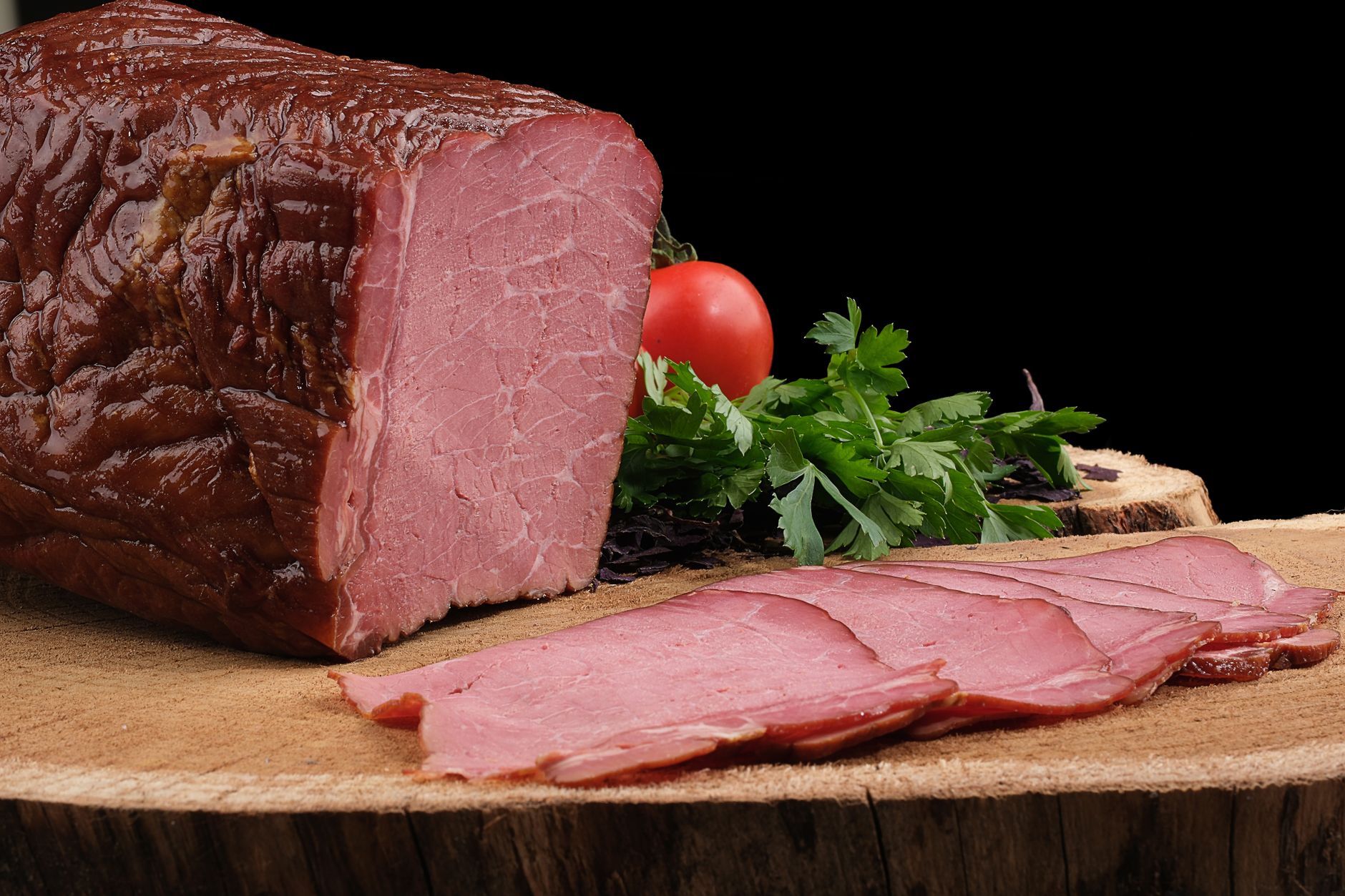
Canadian bacon is usually made from the pork loin, a lean and tender cut located along the back of the pig. Its cured and smoked, often sliced into thick, round pieces rather than the thin strips commonly seen with American bacon. In Canada, this type of bacon is frequently called back bacon or peameal bacon when coated with cornmeal, giving it a unique texture and flavor. The curing process typically involves wet curing, followed by smoking, which results in a subtly sweet, mildly smoky taste and a lean, meaty bite.
While commonly known as Canadian bacon in the United States, in Canada itself, Canadian bacon might not be the everyday term. Peameal bacon is a classic variation thats fresh, unsmoked, and coated in cornmeal, popular for breakfast sandwiches.

What Makes American Bacon?
American bacon, often called streaky bacon, comes from the pork belly. This cut has a higher fat content, which crisps up beautifully during cooking. Its usually sliced thin or thick into long, flat strips with a flavorful fat-to-meat ratio. The curing can be done with a dry rub or wet brine, then smoked, resulting in that iconic smoky, salty, and slightly sweet flavor profile. American bacons texture ranges from chewy to crispy edges depending on cooking technique and thickness.
There are also variations like thick-cut bacon or flavored versions, such as peppered or maple-glazed, but the thin, crispy strips remain the classic choice for many dishes.

Key Differences Between Canadian and American Bacon
| Feature | Canadian Bacon | American Bacon |
|---|---|---|
| Cut of Meat | Pork loin (lean, back cut) | Pork belly (fatty, belly cut) |
| Shape & Appearance | Round, thick slices | Long, flat strips |
| Texture | Firm, tender, less greasy | Crispy edges, chewy center, fatty |
| Flavor Profile | Mild, slightly sweet, smoky | Smoky, salty, rich, umami |
| Common Cooking Uses | Breakfast sandwiches, eggs Benedict | BLTs, breakfast plates, bacon-wrapped dishes |
| Regional Names | Back bacon, Peameal bacon | Streaky bacon |
Many people mistakenly think Canadian bacon is the same as American bacon, but their difference lies mainly in cut and cooking style. This distinction affects taste and nutrition significantly.
Taste and Texture Traits
How Does Canadian Bacon Taste?
Canadian bacon delivers a tender, lean cut with a mild, slightly sweet flavor. Because it contains less fat than American bacon, its less greasy and offers a cleaner taste on the palate. It pairs wonderfully with soft eggs or melty cheese perfect for dishes such as eggs Benedict or breakfast sandwiches. Many chefs praise Canadian bacon for its velvety texture and balanced smoky hint that doesnt overpower other ingredients.
What Is American Bacons Texture Like?
American bacon is beloved for its crispy edges and rich, fatty chewiness. The fat renders during cooking, producing that signature crunch and intense smoky aroma. This makes it ideal for complementing savory dishes or adding texture contrasts. Thick-cut American bacon can hold more chewiness and flavor, while thinner slices turn crispier and lighter. Many American-style breakfasts wouldnt be complete without it.
Cooking Applications Based on Texture and Flavor
Thanks to its lean and firm texture, Canadian bacon works best when lightly browned or gently grilled. It fits smoothly in elegant dishes that highlight subtle flavors. American bacon, on the other hand, benefits from frying or baking to develop full crispness. Its often used as a flavor booster, wrapped around vegetables or added to burgers.
Both types can substitute each other to some degree, but expect texture and moisture differences. For instance, swapping Canadian bacon for American in a BLT will create a leaner, less crispy sandwich. You might want to add some extra fat or grill time to compensate.
Production Methods Compared
How Canadian Bacon Is Made
Canadian bacon begins with a pork loin that undergoes wet curing, where its soaked in a brine solution of salt, sugar, and curing agents for several days. Some producers add maple syrup for a natural sweetness. The meat is then smoked at low temperatures to develop flavor without drying it out. For peameal bacon, the fresh pork loin is dusted with cornmeal instead of smoked.
This careful process preserves the loins tenderness while infusing mild smoky notes. Industry standards in Canada, overseen by the Canadian Food Inspection Agency, regulate curing agents and hygiene to ensure quality. This curing and smoking process helps maintain shelf life and food safety when properly refrigerated.
How American Bacon Is Made
American bacon starts with pork belly, cured either by dry rubbing salt and spices or wet brining in curing solution for several days. The wet cure often contains nitrates to preserve color and inhibit bacteria growth. The meat is then smoked, sometimes multiple times, using hardwood like hickory or applewood for a classic flavor. The belly is chilled and sliced thinly or thickly afterwards.
Regional producers may vary curing times and smoking intensity to create distinct flavor profiles. According to USDA FoodData Central, the curing and smoking steps ensure proper preservation while delivering the bacons savory aroma and crisp textures.
Nutrition and Health Insights
Calorie, Fat, Protein, and Sodium Comparison
| Nutrient (per 100g) | Canadian Bacon | American Bacon |
|---|---|---|
| Calories | 120-150 kcal | 400-450 kcal |
| Total Fat | 4-7 g | 35-40 g |
| Protein | 18-22 g | 30-35 g |
| Sodium | 700-900 mg | 1200-1500 mg |
Canadian bacon is markedly leaner and lower in calories and fat than American bacon. For those seeking a lean protein source with less saturated fat, Canadian bacon fits better. However, both contain significant sodium due to curing, so those monitoring salt intake should watch portion sizes carefully.
Health Risks to Consider
Both Canadian and American bacon are processed meats, which according to nutrition experts and WHO classifications, may raise certain health risks with excessive consumption. This includes potential increased risks of cardiovascular disease and certain cancers linked to nitrates and nitrites. Moderation is key. Choosing versions with minimal additives or nitrate-free labeling helps reduce risk.
Cooking methods also matter. Baking bacon rather than pan-frying reduces exposure to harmful compounds formed at high heat. Always store bacon properly to avoid spoilage and refer to trusted sources when purchasingavoiding products flagged in meat recalled listeria reports is crucial for safety.
Buying Guide: Choose Wisely
What to Look For
| Certification | Price Range | Common Formats | Shelf Life | Key Allergens |
|---|---|---|---|---|
| Halal (JAKIM, HMC, IFANCA) | $5$12 per pack | Pre-sliced rounds (Canadian), strips (American) | Refrigerated: 23 weeks; Frozen: 36 months | Sulfites, nitrates, possibly soy (check label) |
When selecting bacon, the most crucial factor is Halal certification. Look for logos from recognized bodies such as JAKIM (Malaysia), HMC (UK), or IFANCA (North America) to ensure compliance with your dietary laws. Halal Canadian or American bacon options are less common but growing in availability on the meat market.
Choosing Based on Taste and Texture
If you prefer lean, mildly smoky meat ideal for balanced breakfast dishes, Canadian bacon fits best. For richer, crispy, smoky indulgence, American bacon suits your needs. Budget-wise, American bacon usually comes cheaper in mass production, but artisanal Canadian bacon can fetch higher prices due to the loins quality.
Where to Buy Quality Bacon
Shop specialty Halal butchers or trusted grocery stores with clear certification labels. Check the ingredient list carefully: the first ingredients should be pork loin or belly followed by curing agents like salt, sugar, and natural smoke flavor. Avoid products with excessive artificial additives or ambiguous claims like natural smoke flavor without verification.
Cooking Tips and Recipe Ideas
Recipe Card: Classic Eggs Benedict with Canadian Bacon
| Prep time | 10 minutes |
|---|---|
| Cook time | 15 minutes |
| Total time | 25 minutes |
| Servings | 2 |
| Calories | 450 kcal per serving |
| Diet tags | Halal, Gluten-Free |
Step-by-Step Preparation
- Poach 4 fresh eggs in simmering water with a splash of vinegar for 3-4 minutes each.
- Lightly grill or pan-fry 4 slices of Canadian bacon for 2 minutes per side until heated through.
- Toast 2 English muffin halves and place each half on a plate.
- Layer Canadian bacon on each muffin half, then gently place a poached egg on top.
- Drizzle with warm Hollandaise sauce (prepare or use store-bought) and garnish with chopped parsley.
- Serve immediately for best texture and flavor balance.
American Bacon Recipe Suggestion
Try a classic BLT sandwich using crispy American bacon strips, fresh leafy lettuce, ripe tomato slices, and lightly toasted whole-grain bread. Spread a thin layer of mayonnaise or avocado spread for richness. Pan-fry bacon on medium heat for 8 minutes, flipping halfway to achieve a perfect golden crunch.
Creative Bacon Uses
Both bacons shine in different meals beyond breakfast. Wrap Canadian bacon around grilled asparagus for a lighter appetizer. Use American bacon to elevate burgers or mix chopped bacon into creamy potato salad. Combining both in a brunch casserole adds a layer of flavors and textures that surprise the palate.
Pro Tips for Cooking
When cooking American bacon, avoid overheating to prevent charring and bitternessmedium heat for 8 minutes yields perfect crispiness. For Canadian bacon, gently heat to retain moisture and tenderness without drying. Experiment with grilling it on low heat for a smoky finish. Always rest cooked bacon on paper towels to drain excess fat for a cleaner bite.
Is Canadian Vs American Bacon Actually HalalWhat Should I Check?
Not all Canadian or American bacon is Halal by default because pork is generally non-Halal. However, alternatives made from beef or turkey commonly labeled as Canadian style or American style bacon exist and can be Halal-certified. Always check for an official Halal certification logo from trusted bodies like JAKIM, HMC, or IFANCA. Confirm the ingredients do not include pork or non-Halal additives.
When Is the Best Time to Eat Bacon?
Bacon traditionally shines during breakfast as part of a full plate, but it also complements lunch and dinner dishes. Canadian bacon pairs elegantly with brunch favorites like eggs Benedict, while American bacons smoky crunch enhances sandwiches, salads, and burgers anytime you need a savory boost.
Can Canadian Bacon Replace American Bacon in Recipes?
Yes, but with caution. Canadian bacons lean texture works well in recipes calling for ham-like slices or milder flavors. It doesnt crisp up the same way as American bacon. Adjust cooking times and moisture levels to maintain dish balance.
How Should I Store Canadian and American Bacon?
Both should be kept refrigerated at 4C (39F) or below. Unopened, they usually last 23 weeks. Once opened, consume within 57 days if stored in airtight containers. For longer storage, freeze in sealed bags for 36 months without significant quality loss.
Are There Healthier Bacon Options?
Look for nitrate-free, low-sodium, or organic labels when shopping. Turkey or beef bacon alternatives often have less fat and calories. Halal-certified brands increasingly offer clean label bacons free from artificial preservatives, making them better choices for health-conscious consumers.
What Are the Most Overlooked Buying Mistakes?
Many buyers pick the cheapest bacon without checking certification or ingredients, risking non-Halal or poor-quality meat. Some forget to check nutrition, resulting in unexpectedly high sodium or fat intake. Also, neglecting expiration dates often leads to spoilage. The top expert tip: Always buy from reputable sources with clear Halal certification and transparent labeling to avoid surprises.
More You Might Like
Discover critical updates on meat recalled listeria to stay safe when buying processed meats. Curious about the broader meat market? Explore how Halal meats circulate in your local area for fresher choices.
Wrap-Up
Canadian vs American bacon highlights how cut, texture, and flavor define your eating experience. Canadian bacon offers a leaner, milder taste, great for balanced breakfasts and elegant recipes. American bacon brings smoky richness with crispy textures beloved by many. Next time you shop, check the label carefully, consider your cooking style, and maybe try both versions to decide your favorite. Your taste buds will thank you.
FAQs
Is Canadian Vs American Bacon actually Halal — what should I check on the label?
Not all Canadian or American bacon is Halal since traditional bacon is pork-based. Look for certification logos from trusted bodies like JAKIM, HMC, or IFANCA. Verify the product uses Halal-compliant meats like beef or turkey and contains no non-Halal additives.
When is the best time to eat or drink Canadian Vs American Bacon?
Bacon is popular at breakfast, with Canadian bacon pairing well with brunch dishes like eggs Benedict, while American bacon complements sandwiches and salads throughout the day. Both can be enjoyed at lunch or dinner for a savory boost.
How long does Canadian and American bacon last after opening?
Once opened, both Canadian and American bacon should be kept refrigerated and consumed within 5 to 7 days for optimal freshness. For longer storage, freezing in airtight packaging can extend shelf life up to 36 months.
What is the main difference between Canadian bacon and regular ham?
Canadian bacon is made from pork loin and is cured and smoked like ham but sliced thicker and often round. Ham usually refers to a larger cured leg cut that may be less uniformly shaped and can be smoked or fresh.
Are Canadian and American bacon safe to eat daily?
Both are processed meats and high in sodium and fats. Eating them daily may increase health risks. Moderation is advised, and choosing low-sodium or nitrate-free versions can help mitigate potential concerns.
Where can I buy quality Halal Canadian or American bacon?
Look for specialty Halal butchers or supermarkets with clear Halal certification labels. Online Halal meat markets and trusted grocery chains also offer growing options with verified certification for peace of mind.