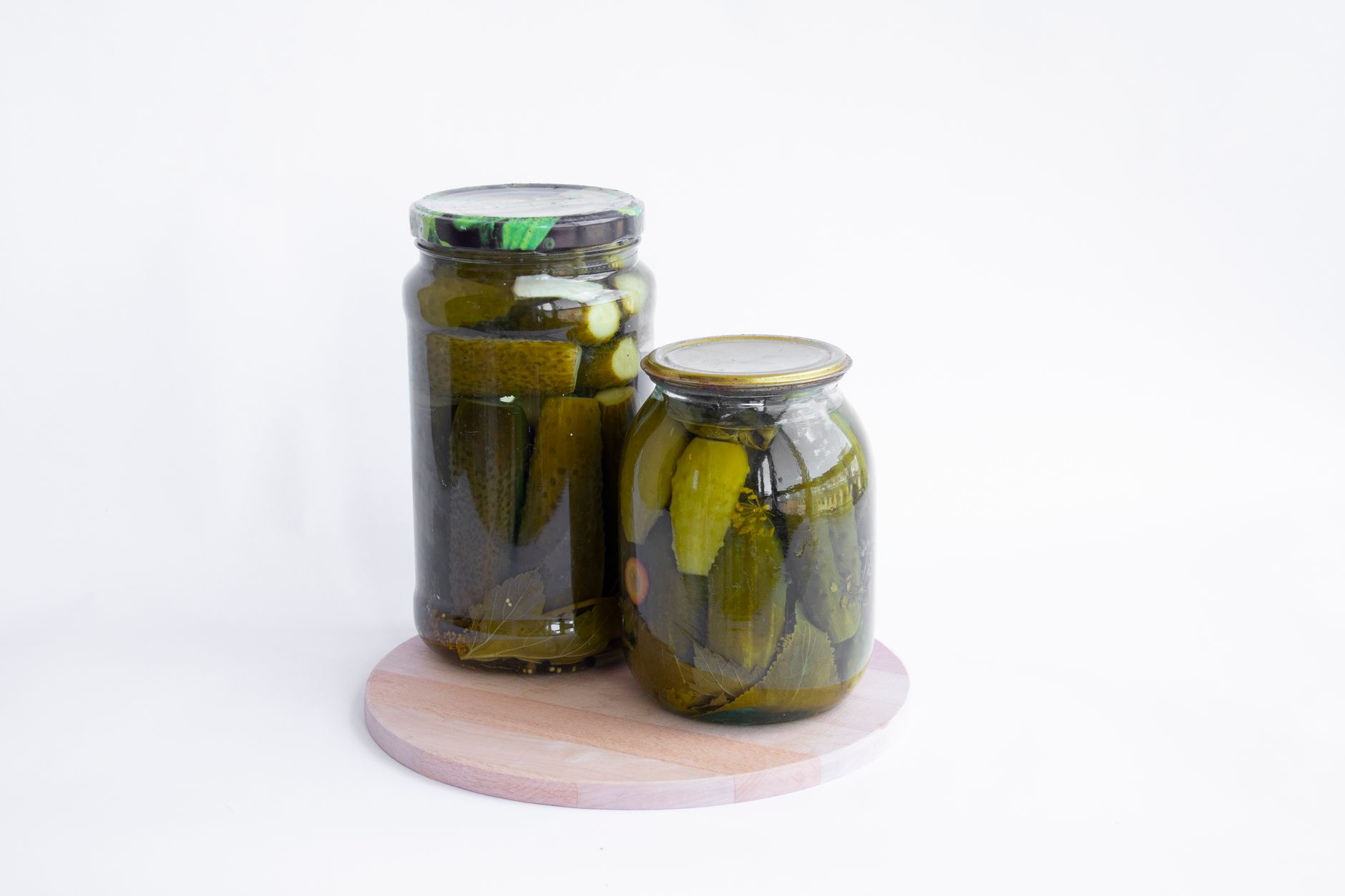
Mustard uses go far beyond just adding tang to a hot dog or sandwich. This humble condiment, made from mustard seeds, can transform your cooking, boost your health, and even serve as a handy household helper. Whether you‘re stirring up a creamy dressing, marinating meat, or exploring traditional remedies, mustards versatility makes it a pantry essential. Lets explore the many ways you can incorporate mustard into your kitchen and daily life.
What Is Mustard?
What is mustard made of?
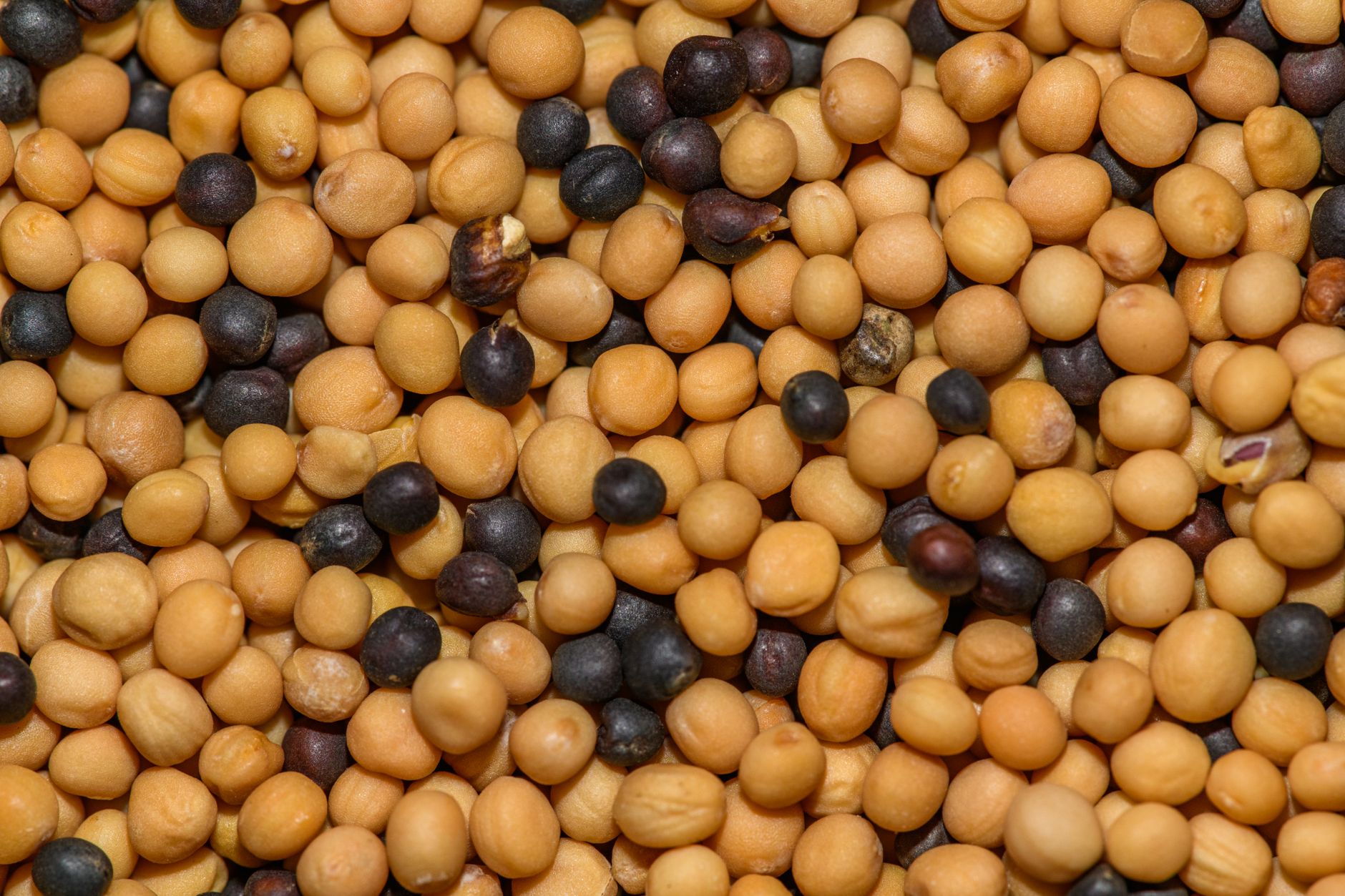
Mustard is made primarily from mustard seeds, which come in yellow, brown, or black varieties. These tiny seeds are ground and mixed with liquids such as water, vinegar, wine, or juice, plus other spices and salt, to create the smooth or coarse paste known as mustard. The different types of seeds and preparation methods yield distinct flavors from mild and mellow to sharp and spicy.
The origin of mustard
The use of mustard dates back thousands of years with roots in ancient Egypt, Rome, and Asia. Early cooks discovered that crushing mustard seeds released a pungent heat, perfect for flavoring foods and preserving them. Over centuries, mustard evolved across regions French Dijon, English yellow, and German spicy brown all reflect local tastes and ingredients.
Different mustard seeds explained
- Yellow (white) mustard seeds: More mild and often used in classic yellow mustard condiments.
- Brown mustard seeds: Sharper with more heat, common in spicy mustards and pickling blends.
- Black mustard seeds: The most pungent and used in Indian cuisine for bold flavoring.
Types of Mustard
What are the main types of mustard available?
The mustard you buy may fall into several popular categories. Understanding these helps you pick the best one for your dish:
- Yellow mustard: Mild, tangy, and vibrant yellow; great on sandwiches and burgers.
- Dijon mustard: Originating from Dijon, France, this smooth mustard is slightly spicy with a creamy texture.
- Spicy brown mustard: Made with brown mustard seeds, it has coarse grains and a bolder flavor for sausages and meats.
- Whole grain mustard: Contains visible mustard seeds for a crunchy texture and rustic appearance.
What is French mustard?
French mustard refers broadly to specialty mustards from France, with Dijon being the most famous. Dijon is smoother and uses white wine or verjuice, contributing to its sharp yet elegant taste. Compared to American yellow mustard, French mustard is less sweet and more focused on mustards natural heat.
What is honey mustard and where should you use it?
Honey mustard blends mustard with honey for a sweet, tangy balance. This type is excellent as a dipping sauce, salad dressing, or glaze for chicken. Its mild heat and sweetness complement many dishes, especially those where a hint of caramelized flavor is welcome.
How to Use Mustard
Mustard uses in cooking
Mustard is incredibly versatile when cooking. It acts as a flavor enhancer in dressings, sauces, and marinades. Add a spoonful to vinaigrette to give salad dressings an extra dimension. Mix it into mayonnaise or yogurt for a quick dip. Incorporate mustard into marinades to tenderize meats, thanks to its natural enzymes and acidity.
Mustard also shines when whisked into barbecue sauces or stews, providing a gentle heat and complex flavor. Chefs often use mustard as an emulsifier because it helps oil and vinegar combine smoothly, creating velvety textures.
Can mustard seeds and greens be eaten?
Absolutely. Mustard seeds can be toasted and added to spice blends or pickles. Mustard greens, which grow from mustard plants, are edible and nutritious. They have a peppery bite and go well in salads, sauts, and soups.
Step-by-step: Making your own mustard at home
Trying homemade mustard is easier than you think. Heres a simple method:
- Soak cup of mustard seeds (yellow, brown, or a mix) in cup vinegar (apple cider or white) for 2-4 hours or overnight.
- Blend the soaked seeds with cup water, 1 tsp salt, 1 tbsp honey or sugar, and spices like turmeric or garlic powder.
- Process until smooth or leave slightly coarse for texture.
- Store in an airtight jar in the refrigerator. It will mellow and improve in flavor over 2-3 days.
Homemade mustard can keep for up to 3 months refrigerated if sealed properly.
Pairing mustard with different foods
Mustard pairs wonderfully with roasted meats, grilled chicken, and fish. It cuts through fattier cuts, balancing richness. Use it with vegetables like steamed broccoli or roasted potatoes for a subtle punch. Mustard and cheese are also classic companions, especially aged cheddar or Swiss.
You might also consider mustard in sandwiches, burgers, and wraps, or blended into dips served alongside freshly cut vegetables. Its versatility can brighten many dishes.
Health Benefits and Risks
Is mustard healthy? Nutritional insights
Mustard is low in calories and rich in nutrients like selenium, magnesium, and antioxidants. According to the USDA FoodData Central, a tablespoon of yellow mustard contains about 3 calories and negligible fat. Its antioxidant compounds may help reduce inflammation. Some studies suggest that mustard supports digestion and metabolism.
Potential risks or allergies
Mustard is considered a common allergen in some regions; reactions range from mild to severe. Those allergic should avoid it completely. Because of its seed content, mustard may irritate sensitive digestive systems if consumed in large quantities.
Mustard as a natural remedy: fact or fiction?
Traditional uses of mustard involve applying mustard plasters on the chest to relieve congestion. While anecdotal evidence supports this, clinical proof is limited. Still, mustards warmth can temporarily soothe muscle aches and promote circulation.
How much mustard is too much?
Moderation is key. Using 1-2 tablespoons per meal is safe for most people. Excessive consumption could cause gastrointestinal discomfort or allergic symptoms, especially in sensitive individuals.
Storage and Shelf Life
How long does mustard last?
Unopened mustard typically lasts 1-2 years past the printed expiration date if stored in a cool, dry place. Once opened, mustard should be refrigerated to preserve freshness. Most mustards last 6-12 months in the fridge after opening.
Best storage practices
Store mustard in a tightly sealed container. Avoid contamination by using clean utensils each time. Keep away from direct sunlight or heat sources to maintain flavor integrity.
Signs mustard has gone bad
Look for mold growth, off smells, or separation that doesnt blend back when stirred. Discoloration from bright yellow to dull brown also indicates spoilage. When in doubt, discard mustard rather than risk quality and safety.
What to Look For When Buying Mustard
Which mustards to buy based on flavor and use?
Consider your cooking style and flavor preferences. Yellow mustard suits casual meals and sandwiches. Dijon works well in sauces and dressings. Spicy or whole grain mustards are excellent for adding complex textures and bold notes.
Tips from experts: picking quality mustard
Look for clean ingredient lists. A good mustard lists mustard seeds or powder, a vinegar source, salt, and natural spices without artificial additives. Certified Halal logos like JAKIM or IFANCA ensure the condiment meets dietary standards.
Organic and specialty mustards: worth it?
Organic mustards guarantee no synthetic pesticides or GM ingredients. Specialty mustards offer unique flavors and textures, perfect for enhancing specific dishes. They may cost more but elevate your culinary experience.
| Certification | Price Range | Common Formats | Shelf Life | Key Allergens |
|---|---|---|---|---|
| JAKIM, IFANCA, HMC (Halal) | $2 - $10 per jar | Bottle, jar, squeeze pack | 6-12 months opened, 1-2 years unopened | Mustard seeds (common allergen) |

Is mustard actually Halal what should I check?
Most plain mustard condiments are Halal by default because they contain plant-based ingredients. However, check for certification logos like JAKIM, HMC, or IFANCA to confirm compliance. Avoid mixes or specialty mustards containing alcohol-derived vinegar or questionable additives unless labeled Halal.
Can mustard seeds trigger allergies?
Yes. Mustard is a recognized allergen in many countries. Symptoms include itching, swelling, and digestive upset. Those with mustard allergies should read labels carefully and avoid cross-contamination risks.
How do you best incorporate mustard into dressings?
Whisk 1 tablespoon of mustard with 3 tablespoons of oil and 1 tablespoon of vinegar for a balanced vinaigrette. Mustard helps emulsify the dressing, keeping oil and vinegar combined smoothly.
Can mustard help tenderize meat?
Yes. The acidity in mustard breaks down proteins slightly, making meat more tender and flavorful when used as a marinade base.
Is there a difference between mustard powder and prepared mustard?
Mustard powder is ground dry seeds, highly concentrated and used mainly in spice blends or cooking. Prepared mustard includes seeds mixed with liquid and spices, making it ready to use as a condiment.
What is the best storage temperature for mustard?
Refrigerate mustard at 2-5C (36-41F) after opening. Store unopened jars in a cool, dark pantry with temperatures under 25C (77F).
Does mustard expire or go bad?
Mustard does degrade over time. It can change flavor, separate, or grow mold if improperly stored. For best quality, use mustard within 6-12 months after opening and discard if signs of spoilage appear.
What is the most common mistake when buying mustard?
One common mistake is ignoring the ingredient list and choosing mustards packed with additives, sugars, or artificial flavors. Cheap mustards often lack authentic mustard seed and use fillers, sacrificing taste.
Why do cheap mustards disappoint?
Cheap versions frequently contain starch, excessive sugars, or preservatives that mute mustards natural pungency. Opting for brands with clear labeling and quality ingredients delivers more authentic flavor.
Expert tip for upgrading your mustard usage
Try adding a teaspoon of mustard powder to sauces and meat rubs alongside prepared mustard for extra depth. Combining different mustard types in one recipe keeps the taste layered and interesting.
More You Might Like
Interested in kitchen essentials? Check out our Kitchen knives guide for tips on picking sharp, durable knives to complement your culinary skills.
Concerned about vegetable safety? Read about Sprouted potatoes safety and how to handle them in your kitchen.

Conclusion
Mustard uses extend well beyond a simple condiment. With its diverse varieties, culinary flexibility, and potential health benefits, mustard can brighten your meals and add new flavors to your kitchen repertoire. Next time you shop, check the label for certification and quality ingredients. Ready to experiment? Try making your own mustard or using different types in recipes. Feel free to share your favorite mustard uses or questions below the flavor adventure awaits!
FAQs
Is Mustard uses actually Halal — what should I check on the label?
Most plain mustard condiments are Halal as they contain plant-based ingredients. Confirm by looking for certification logos like JAKIM, IFANCA, or HMC. Avoid mustards with alcohol-based vinegar or unclear additives unless specifically labeled Halal.
How long does mustard last after opening?
Once opened, mustard generally stays fresh for 6 to 12 months if refrigerated and stored properly in a sealed container, away from heat and light.
What is the difference between mustard powder and prepared mustard?
Mustard powder is dry ground mustard seeds used mainly as a spice. Prepared mustard contains seeds mixed with liquids and spices, ready to use as a condiment with varied textures and flavors.
Is it safe to consume mustard daily?
Yes, moderate amounts—typically 1-2 tablespoons per meal—are safe for most people. Excessive intake may cause digestive irritation or allergic reactions in sensitive individuals.
Where can I buy quality mustard for cooking and health?
Quality mustard is available at grocery stores, specialty food shops, and online retailers. Look for products with simple ingredient lists, natural spices, and Halal certification if required.