When you stand in the baking aisle staring at two similar bags, the choice between cane sugar and granulated sugar can feel confusing. Both are white, both sweeten your coffee, but one claims to be less processed. The real difference comes down to how each is made and what flavour it brings to your kitchen. If you‘ve ever wondered whether you should switch, or if one is healthier than the other, this guide will clear it up for good.
What Is Cane Sugar?
How is Cane Sugar Made?
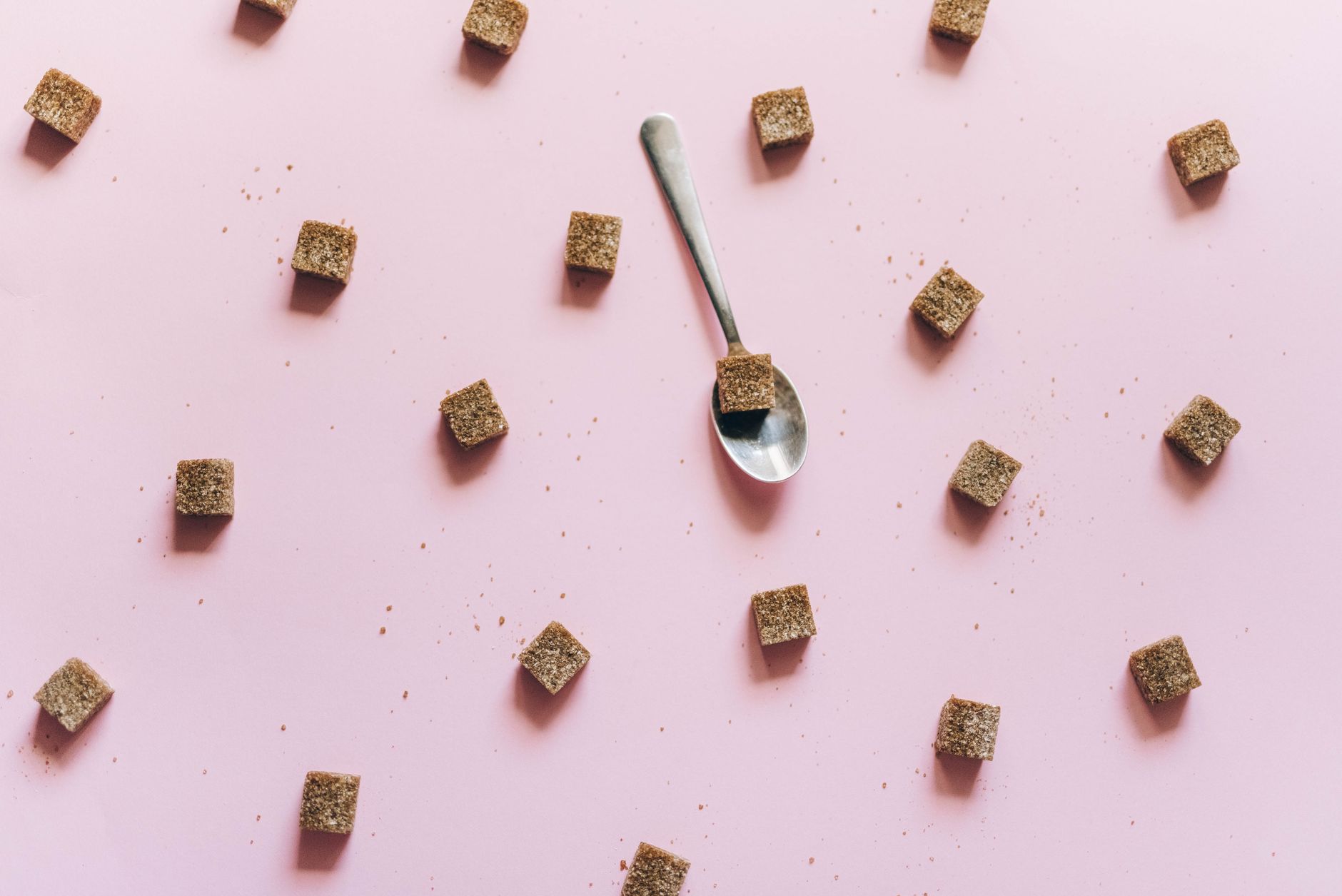
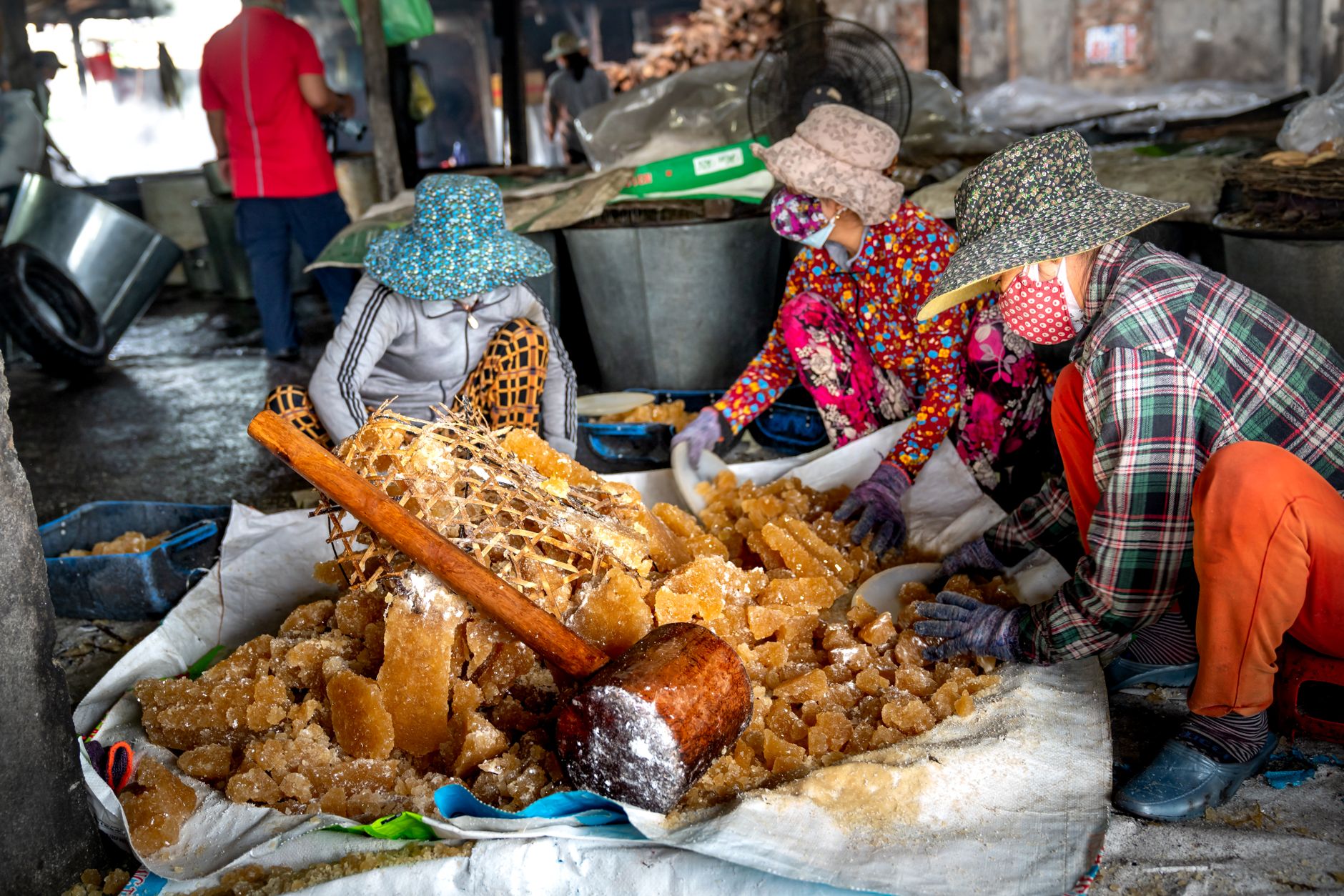
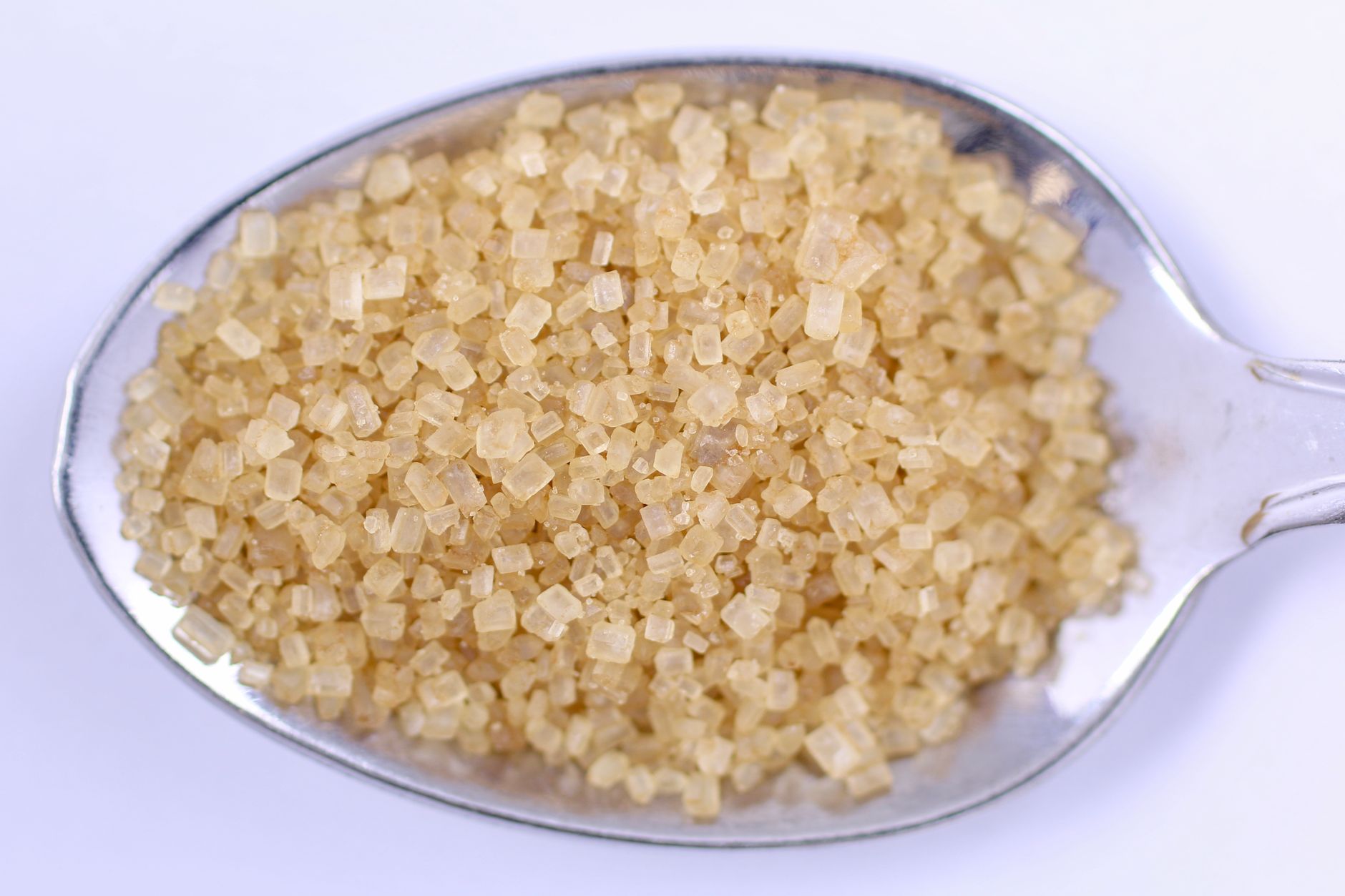
Cane sugar starts as sugarcane juice extracted from the stalks. The juice is boiled until crystals form, but the refining process stops earlier than it does for standard white sugar. A thin layer of molasses remains on the crystals, giving cane sugar a light golden colour and a subtle caramel taste. According to industry standards, this minimal processing retains trace minerals such as calcium, magnesium, and potassium.
What Are the Benefits of Cane Sugar?
Because it undergoes less refinement, cane sugar keeps a small amount of molasses. This means it offers a richer flavour profile than fully refined sugar. Some people also perceive it as a more natural choice. However, the nutritional difference is minor you would need to eat large amounts to get meaningful minerals. The real benefit is taste and texture in specific recipes.
What Are the Common Uses of Cane Sugar?
Cane sugar works beautifully in coffee, tea, and cocktails where its warm notes can shine. Bakers often use it in cookies and cakes that benefit from a deeper, slightly caramelised sweetness. It is also the go-to sugar for many barbecue rubs and glazes because it enhances savoury flavours.
What Is Granulated Sugar?
How Is Granulated Sugar Processed?
Granulated sugar also called white refined sugar comes from either sugarcane or sugar beets. The juice is extracted, purified, boiled, and then spun in a centrifuge to remove all molasses. The result is pure sucrose crystals with a neutral, clean sweetness. This process creates the fine, free-flowing white crystals most of us know.
Typical Uses of Granulated Sugar
Granulated sugar is the standard for everyday baking because it dissolves evenly and adds sweetness without changing the flavour of your batter. It is perfect for meringues, candies, and preserves where you need a reliable, predictable sugar. Its neutral taste also makes it ideal for savoury dishes where you want sweetness without a caramel note.
What Are the Effects of Refined Sugar?
Refined sugar provides calories but no micronutrients. Overconsumption is linked to blood sugar spikes and weight gain, as noted by public health guidelines. That said, moderate use of either sugar type carries similar risks. The choice between the two is more about culinary preference than health superiority.
Cane Sugar vs Granulated Sugar: Detailed Comparison
Flavor Differences: What to Expect?
Cane sugar delivers a gentle molasses undertone that adds complexity. Granulated sugar tastes purely sweet with no background flavour. If you taste them side by side, cane sugar will remind you of light brown sugar, while granulated sugar hits your tongue as straightforward sweetness. This difference matters most in recipes where sugar is a star ingredient think shortbread or simple syrups.
Nutritional Differences Between Cane Sugar and Granulated Sugar
| Nutrient (per teaspoon) | Cane Sugar | Granulated Sugar |
|---|---|---|
| Calories | 16 | 16 |
| Carbohydrates | 4.2 g | 4.2 g |
| Calcium | trace (~0.1 mg) | 0 mg |
| Magnesium | trace (~0.05 mg) | 0 mg |
| Glycemic Index | ~65 | ~65 |
As the table shows, the nutritional gap is negligible. Both sugars contain the same calories and carbohydrates. The mineral content in cane sugar is so small it does not meaningfully affect your diet. Health-conscious readers should focus on total sugar intake rather than which type they choose.
Impact on Baking and Cooking Results
Because cane sugar retains moisture from molasses, it can produce slightly chewier cookies and denser cakes. Granulated sugar creates a lighter, airier crumb. If a recipe calls for granulated sugar and you substitute cane sugar, expect a subtle flavour shift and a marginally different texture. For delicate pastries like angel food cake, stick with granulated sugar for best results.
Health Considerations and Moderation Tips
Neither sugar is inherently bad when used in moderation. The World Health Organization recommends limiting added sugars to less than 10% of daily calories that is about 50 grams per day for an adult. Whether you choose cane or granulated, be mindful of how much you add. A good practice is to measure your sweetener rather than pouring directly from the bag.
When to Choose Cane Sugar Over Granulated Sugar And Vice Versa
Best Scenarios for Using Cane Sugar
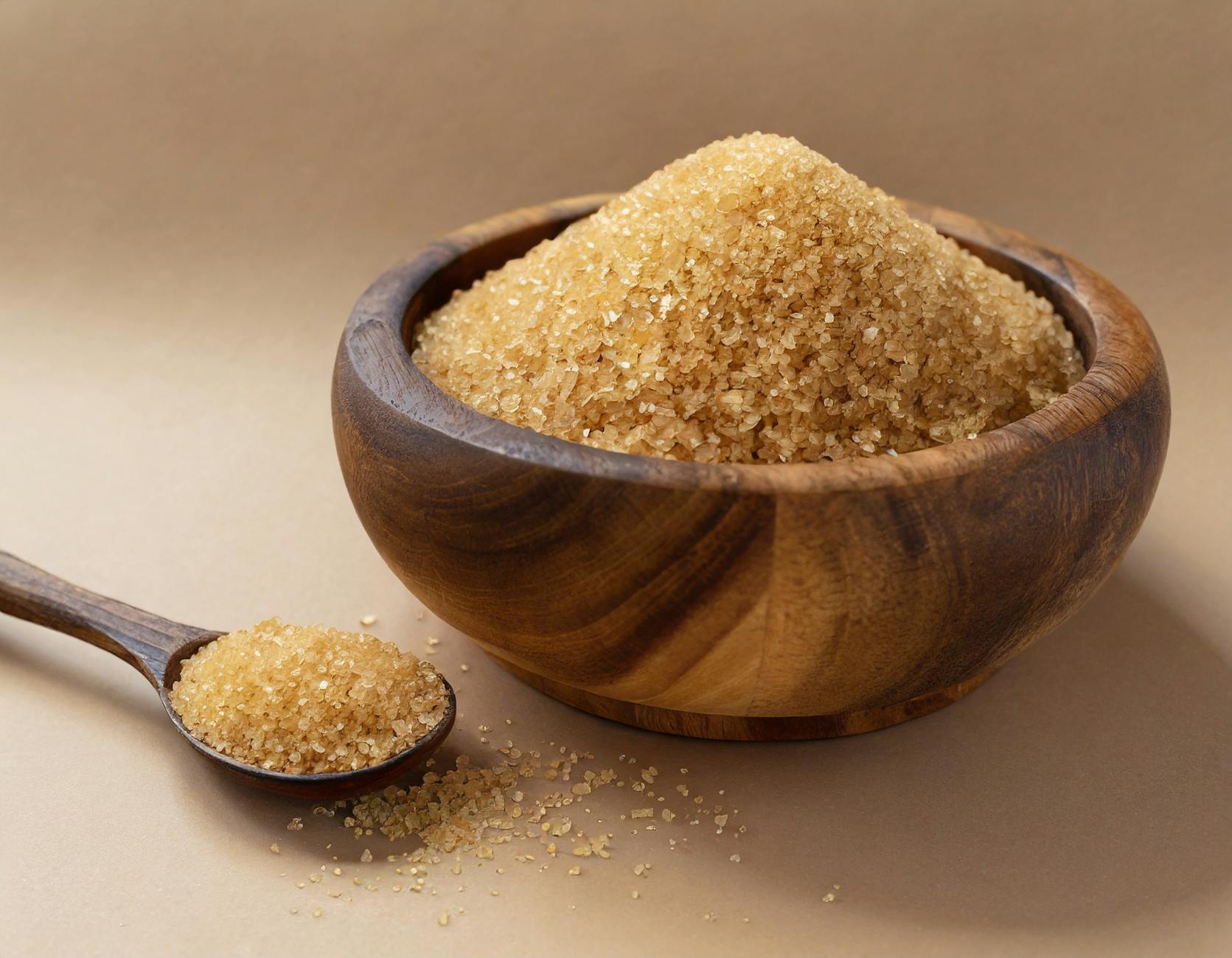
Choose cane sugar when you want to add a subtle caramel flavour to beverages, glazes, or baked goods that already include warm spices like cinnamon or nutmeg. It also pairs beautifully with dark chocolate and coffee-flavoured desserts. If you enjoy a more rustic, less sterile taste in your morning latte, cane sugar is your better pick.
When Granulated Sugar Is the Better Choice
Granulated sugar wins in recipes where the sugar must remain neutral for example, when making fruit preserves, meringues, or candy where any extra flavour could throw off the final product. It is also the standard for bulk baking because it behaves consistently across different brands and sources.
Cost and Availability Considerations
Cane sugar often costs slightly more than granulated sugar due to its less intensive processing and perceived premium status. You can find both in most supermarkets, but cane sugar may be labelled as "evaporated cane juice" or "organic cane sugar." Granulated sugar is almost always cheaper and available in larger bags. If you are on a budget, granulated sugar works perfectly for most daily needs.
If you are ordering groceries online, you might appreciate knowing how to get groceries delivered to your door, including both types of sugar. For those who prefer fresh ingredients, you can also learn to buy whole fish at a good price to pair with your sweet treats.
Is cane sugar actually Halal what should I check?
Yes, pure cane sugar is Halal as long as no animal-based processing aids are used during refining. Most commercial cane sugar is refined using carbon filters or ion-exchange resins, which are Halal-compliant. Look for a Halal certification logo from a recognised body like JAKIM, IFANCA, or HMC on the packaging. Avoid sugar labelled as "bone char refined" some facilities use animal bone char to whiten sugar, which may not be Halal.
Can I use cane sugar and granulated sugar interchangeably in all recipes?
In most recipes you can swap them in equal amounts without disaster. However, the extra moisture in cane sugar may make cookies spread more and cakes slightly denser. For best results, use the sugar type called for in the recipe especially in delicate cakes, meringues, or candies where texture matters most.
Which sugar has a lower glycemic index cane or granulated?
Both sugars have nearly identical glycemic index values, around 65, because they are both primarily sucrose. Your body digests them at the same rate, so neither is better for blood sugar control. The key is still moderation, regardless of which one you pick.
Does cane sugar contain more vitamins than granulated sugar?
Cane sugar retains trace amounts of minerals like calcium, potassium, and magnesium from molasses. Granulated sugar has none because the refining removes all molasses. However, the quantities are so small that you would need to eat half a cup to get any meaningful amount. For nutrition, focus on whole foods instead.
Why does some granulated sugar say "pure cane sugar" on the bag?
That label means the sugar comes from sugarcane, not sugar beets. It is still fully refined to remove all molasses, so it behaves exactly like standard granulated sugar. The difference is only the source plant it does not offer the flavour or mineral content of less refined cane sugar.
How should I store cane sugar and granulated sugar?
Store both in an airtight container in a cool, dry place. Granulated sugar keeps indefinitely if sealed properly. Cane sugar can clump slightly more due to its molasses coating, so you may want to add a slice of bread or a clay disc to the container to absorb excess moisture. Both types last 23 years if stored correctly.
Is organic cane sugar worth the higher price?
Organic cane sugar is grown without synthetic pesticides and fertilisers. If you value organic farming practices, it is a worthwhile choice. The flavour and nutritional profile are identical to non-organic cane sugar. For most home cooks, the regular version works just fine just check that it is Halal-certified.
Buying Tips for Cane Sugar and Granulated Sugar
When shopping for sugar, the most overlooked buying mistake is assuming all white sugars are identical. Check the ingredient list: if it says "sugar" without specifying cane or beet, it is likely a blend. For cane sugar, look for "evaporated cane juice" or "organic cane sugar" on the front label. Cheap versions of cane sugar may be mixed with refined white sugar that defeats the purpose of choosing less processed sweeteners.
One expert tip: if you see two bags with similar prices but one says "natural cane sugar" and the other says "organic cane sugar," the organic version guarantees no synthetic chemicals during farming. For Halal shoppers, always verify the certification logo. The packaging should clearly show the certification body otherwise, contact the manufacturer.
More You Might Like
If you found this comparison useful, you might enjoy our guide on healthy Halal sugar substitutes for baking. It covers natural options like coconut sugar, date syrup, and honey, along with how they perform in desserts.
Also check out our list of essential Halal baking ingredients it includes tips on choosing vanilla extract, butter, and flour that are all Halal-certified.
Conclusion
Choosing between cane sugar and granulated sugar comes down to your kitchen goals. Cane sugar adds a subtle molasses warmth and a slightly chewier texture, while granulated sugar remains neutral and predictable. Neither is healthier than the other in any meaningful way both are still sugar with the same calories. Next time you shop, decide based on the recipe you are making and your personal taste. Read the label carefully, look for Halal certification, and enjoy your sweet creations with confidence.
FAQs
Is Cane Sugar vs Granulated actually Halal — what should I check on the label?
Yes, pure cane sugar is Halal unless bone char is used in refining. Most commercial cane sugar uses carbon filters or ion-exchange resins. Look for a Halal certification logo from JAKIM, IFANCA, or HMC. Avoid sugar labelled "bone char refined." Always check the ingredient list and contact the manufacturer if unsure.
Can I use cane sugar and granulated sugar interchangeably in recipes?
In most recipes you can swap them equally, but cane sugar adds moisture from molasses, which may make cookies chewier and cakes denser. For delicate recipes like meringues or angel food cake, stick with granulated sugar for best texture. For everyday baking, the difference is minimal.
How should I store cane sugar and granulated sugar to extend shelf life?
Store both in an airtight container in a cool, dry place. Granulated sugar keeps indefinitely if sealed. Cane sugar may clump due to molasses; add a slice of bread or clay disc to absorb moisture. Both types last 2–3 years when stored properly.
Which sugar is healthier — cane sugar or granulated sugar?
Neither is significantly healthier. Both have about 16 calories and 4.2g carbs per teaspoon, with a glycemic index around 65. Cane sugar contains trace minerals like calcium and magnesium, but amounts are negligible. Focus on total sugar intake moderation rather than choosing between them.
Where can I buy cane sugar and what should I look for on the label?
You can find cane sugar in most supermarkets, often labelled as "evaporated cane juice" or "organic cane sugar." For Halal, look for a certification logo. Avoid cheap versions that may be mixed with refined white sugar. Prices are slightly higher than granulated sugar, but the taste difference is worth it for certain recipes.