When youre choosing peppers for your recipes, knowing the difference between a Jalapeo vs Serrano can change everything. Jalapeos are bigger and milder, while Serranos are smaller and pack a hotter punch. Picking the right pepper helps you achieve just the right balance of heat and flavor for your dish. Lets explore how to tell these peppers apart, compare their spiciness, discover their best uses, and learn how to handle each safely in your kitchen.
How to Identify Peppers
What is the size difference between Jalapeo and Serrano peppers?
The easiest way to tell Jalapeos and Serranos apart is by size and shape. Jalapeos typically measure 2 to 3.5 inches long with a thicker, more cylindrical body. They have a rounded tip and are noticeably plumper. Serrano peppers are smaller and slimmer, usually 1 to 2 inches long, with a more pointed tip. Their shape is slender, almost like a cone.
This size distinction helps when you shop, whether at farmers markets or grocery aisles. Larger, chunkier peppers with smooth skin likely mean Jalapeo, while smaller, skinnier ones with pointed ends are likely Serrano.
How do their colors and textures differ?
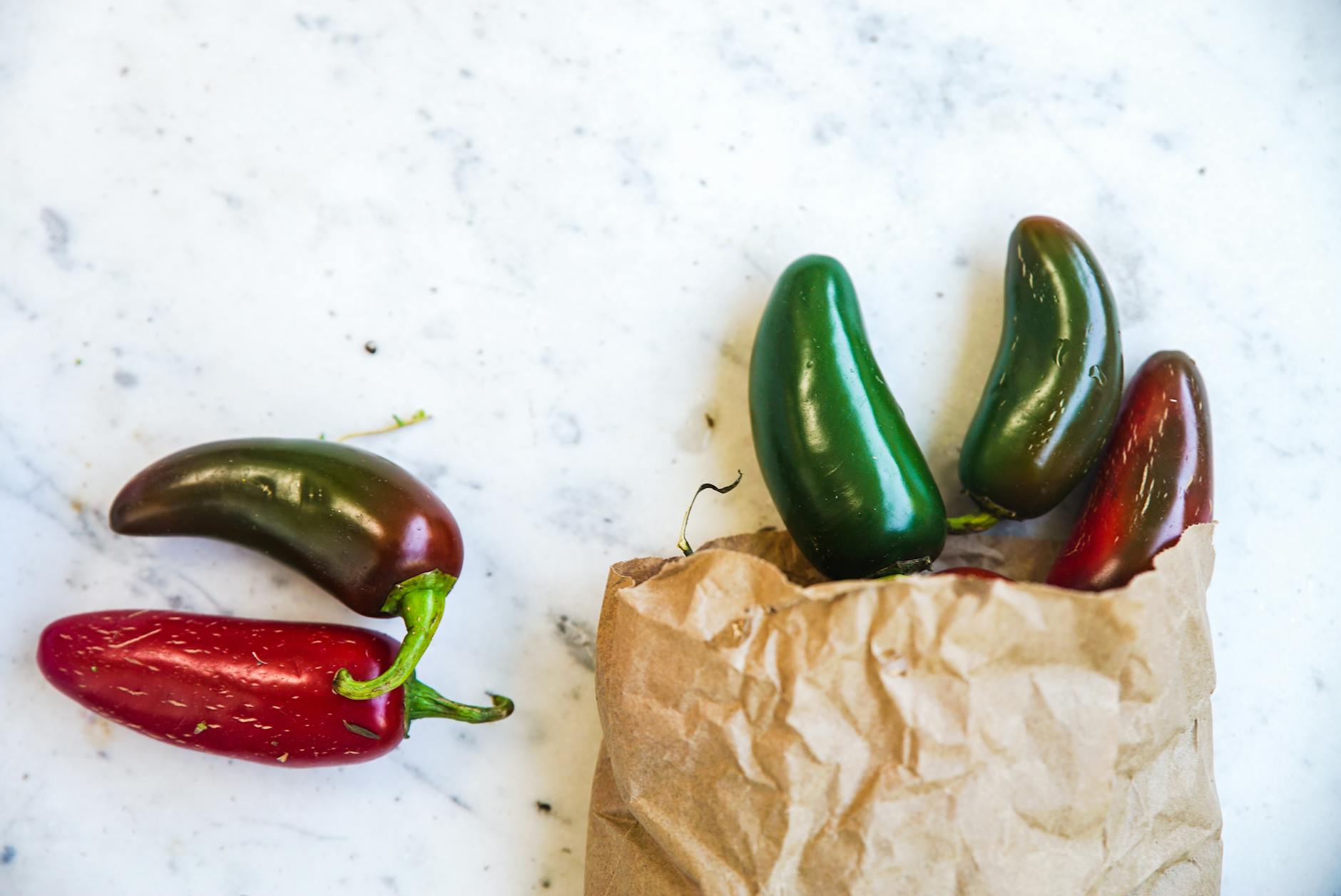
Both peppers start green and ripen to shades of red, orange, or brown, but Jalapeos tend to have a smooth, waxy skin that can show subtle ridges. Serranos often have a shinier, thinner skin that feels more delicate. With ripeness, Jalapeos develop deeper reds and sometimes slight fetal cracks in the skin, indicating peak flavor. Serranos ripen quickly and their skin remains taut and glossy.
Quick Identification Tips for Shoppers
- Choose firm, unblemished peppers with vibrant color.
- Smaller size and pointed tips usually mean Serrano.
- Chunkier, rounded ends point to Jalapeo.
- Pay attention to textureSerranos have thinner skin.
- Halal certification seals, like from JAKIM or IFANCA, ensure peppers come from compliant sources when purchasing packaged or processed products.
Heat and Flavor Comparison
What is the Scoville heat scale rating of Jalapeos?
Jalapeos register between 2,500 and 8,000 Scoville Heat Units (SHU), which means they offer a moderate level of heat suitable for most palates. Growing conditions, such as soil and weather, can push heat towards the higher end, but you can generally expect a bright, grassy flavor with a smoky undertone.
How spicy are Serrano peppers compared to Jalapeos?
Serrano peppers are significantly hotter, rating between 10,000 and 23,000 SHU. Thats about two to three times hotter than Jalapeos. The heat tends to hit quicker and can linger a bit, but Serranos also carry a crisp, bright flavor thats less smoky and more fresh. Their spice works well to wake up fresh salsas or add sharpness to sauces.

Balancing Heat in Cooking
- Remove seeds and membranes to reduce heat without losing pepper flavor.
- Mix peppers with creamy bases like yogurt or mayonnaise to mellow intensity; check lists for best foods mayonnaise options that are Halal certified.
- Add peppers gradually to dishes and taste as you go to find your perfect spice level.
Cooking Uses
What dishes work best with Jalapeo peppers?
Jalapeos shine in a variety of recipes that benefit from mild to moderate heat. Classic dishes include jalapeo poppersstuffed with cheese and bakedfresh salsas, sandwiches, and pickled pepper varieties. They blend well into soups, omelets, and even baked goods where a gentle burn enhances flavor. Their relative mildness makes them kid- and guest-friendly.
How are Serrano peppers typically used in cooking?
Serrano peppers are great for dishes that need a sharper spicy kick. Use them raw in vibrant salsas, as a garnish, or finely chopped in tacos and ceviches. They also work well in spicy sauces, marinades, and some Mexican or Tex-Mex dishes where bold heat is welcome. Their thinner skin allows them to cook quickly without losing texture.
Can You Swap Jalapeo and Serrano Peppers?
You can substitute one for the other, but keep heat in mind. Swap Serranos for Jalapeos if you want a hotter dishreduce quantity or remove seeds to control spiciness. If using Jalapeos in place of Serranos, you may want to increase the amount slightly to compensate for lower heat. For delicate recipes, a direct swap might alter the intended flavor, so proceed carefully.
Nutrition and Health
What nutrients do these peppers provide?
Both Jalapeo and Serrano peppers offer excellent amounts of vitamin C and vitamin A, important for immune health and vision. They are rich in antioxidants and contain capsaicin, the compound that delivers heat and may aid metabolism. According to the USDA FoodData Central, 100 grams of raw Jalapeos provide around 118% of your daily vitamin C needs.
What are the risks of eating too many spicy peppers?
Overconsumption can cause digestive discomfort, including heartburn or stomach irritation, especially if you have sensitive digestion. Capsaicin may cause a burning sensation in the mouth and throat. In rare cases, allergic reactions can happen. People with ulcers or acid reflux should be cautious. Always handle peppers carefully to avoid irritation on skin and eyes.
Real Experiences on Spice Tolerance
Many people find gradual exposure improves tolerance. Some chefs suggest pairing peppers with cooling elements like dairy or coconut milk to balance heat and improve flavor. Remember, spice is personalstart small and build up to avoid unpleasant surprises in your dishes.
Buying and Storage Tips
How to select fresh Jalapeo and Serrano peppers?
Look for peppers that are firm to the touch with bright, unblemished skin. Avoid wrinkles, soft spots, or discoloration. For Halal compliance, check packaging or vendor certifications, making sure products bear logos from trusted bodies like JAKIM, HMC, or IFANCA.
Whats the best way to store these peppers?
Fresh peppers keep best refrigerated in the crisper drawer. Store them in a perforated plastic bag or reusable produce bag to extend shelf life. Under these conditions, Jalapeo and Serrano peppers will stay fresh for about 7 to 10 days. For longer storage, wash, dry thoroughly, and freeze whole or sliced in airtight containers, where they last up to 6 months.
Safe Handling Tips
- Wear gloves during prep to avoid skin irritation and accidental eye contact.
- Wash hands thoroughly after handling peppers.
- Use separate cutting boards for peppers and other ingredients to avoid cross-contamination.
| Certification | Price Range | Common Formats | Shelf Life | Key Allergens |
|---|---|---|---|---|
| JAKIM, IFANCA, HMC (on packaged products) | $1$3 per 100g fresh | Fresh whole, sliced, pickled, canned salsas | 710 days fresh, 6 months frozen | None (natural product; beware cross-contamination in processed goods) |

Is Jalapeo vs Serrano actually Halal what should I check?
Fresh Jalapeo and Serrano peppers in their natural state are Halal by nature since they are plant-based. However, when purchasing processed products like pickled peppers, sauces, or salsas, always verify certification logos from trusted Halal authorities such as JAKIM, IFANCA, or HMC. Checking the ingredient list for alcohol, non-Halal preservatives, or additives is also essential to ensure compliance.
When is the best time to eat or cook with these peppers?
Peppers taste best when fresh and firm, ideally within a week of purchase. They can be used raw, cooked, or pickled. Incorporate Jalapeos when you want moderate heat, especially in summer salads or grilled dishes. Use Serranos when a sharper, more intense spice is desired, such as in fresh salsas or spicy sauces for a quick flavor boost.
How can I reduce the heat of Serrano peppers?
Remove the seeds and white membranes inside the pepper, which contain most of the capsaicin. Soaking sliced peppers in vinegar or lime juice for 15 minutes can also tone down heat. Cooking Serranos longer in soups or stews distributes and softens their spicy impact.
Are there any health benefits unique to Serrano peppers?
Serrano peppers contain higher capsaicin levels, which studies suggest may boost metabolism and reduce inflammation. Their high vitamin C content supports immune function. However, these benefits come with stronger heat, so moderation is key, especially for sensitive individuals.
Can I use Jalapeos and Serranos in Halal-certified recipes?
Absolutely. Both peppers complement Halal cooking and are common in many Halal-certified sauces and dishes. Ensure accompanying ingredients and any processed products are Halal-certified to maintain full compliance.
Whats one expert tip for buying Jalapeo and Serrano peppers?
Dont choose peppers based solely on size or color. Press gently to check firmness; softer spots indicate age. For consistent spiciness, buy from trusted vendors known for freshness and reliable sourcing. When possible, buy local or certified Halal-marked products to ensure quality and adherence to dietary standards.
What is the most common mistake when substituting one pepper for the other?
Assuming equal heat is the biggest error. Using Serranos instead of Jalapeos without reducing quantity can overpower a dish. Always adjust the amount and remove seeds if unsure. Taste testing during cooking prevents unpleasant surprises.
Does freezing affect the flavor of Jalapeos and Serranos?
Freezing preserves heat but may soften texture once thawed. This is ideal for sauces or cooked dishes but less suitable if you want crisp, fresh pepper slices. Always slice before freezing for easier portioning.
More You Might Like
Looking to add creamy, cooling elements to balance pepper heat? Discover the best foods mayonnaise that are Halal-certified, perfect for spicy spreads and dips.
If youre stocking your pantry, consider browsing Walmart groceries for a range of fresh and certified Halal produce alongside your favorite spices and condiments.
Conclusion
Understanding Jalapeo vs Serrano helps you pick peppers with the right heat and flavor for your cooking style. Jalapeos offer mild, smoky warmth in a chunkier shape, while Serranos deliver sharper heat and brightness in a smaller package. Next time you shop, check labels carefully for freshness and Halal certification, then enjoy experimenting with these versatile peppers to spice up your meals in wholesome, flavorful ways.
FAQs
Is Jalapeño vs Serrano actually Halal — what should I check on the label?
Fresh Jalapeño and Serrano peppers are naturally Halal as plant-based foods. For processed products, check for certification marks from trusted Halal authorities like JAKIM, IFANCA, or HMC, and verify ingredients to avoid alcohol or non-Halal additives.
What is the shelf life of Jalapeño and Serrano peppers after opening?
Fresh Jalapeño and Serrano peppers keep best refrigerated for 7 to 10 days. Store in perforated bags. If frozen after washing and drying, they last up to 6 months, though texture softens after thawing.
How do Jalapeño and Serrano peppers compare to other spicy peppers?
Jalapeños offer mild to moderate heat (2,500–8,000 SHU) while Serranos are hotter (10,000–23,000 SHU). Compared to habaneros or ghost peppers, both are milder, making them versatile for most recipes.
Are there any safety concerns when eating Jalapeño or Serrano peppers daily?
Moderate consumption is safe for most people, providing vitamins and antioxidants. However, excessive intake can cause digestive discomfort or irritation. Those with ulcers or acid reflux should limit spicy pepper intake and handle them carefully.
Where can I buy fresh Halal-certified Jalapeño and Serrano peppers?
Look for fresh peppers at farmers’ markets, grocery stores, or halal-certified suppliers. Check packaging for Halal certification logos from JAKIM, IFANCA, or HMC to ensure compliance with dietary standards.