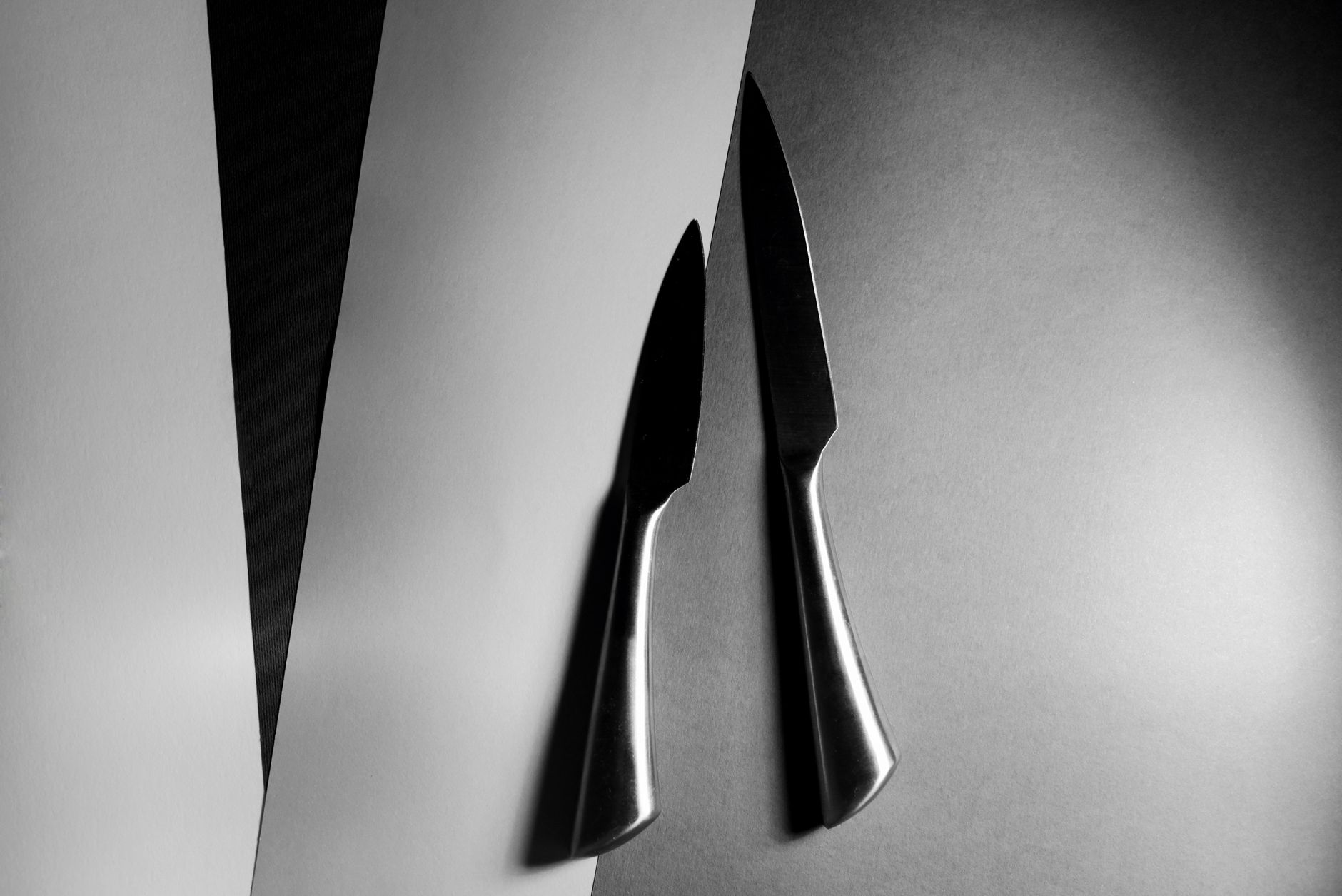
Alright, lets cut straight to the chasepun totally intended. If youve ever found yourself wrestling with a dull blade or wondering why your veggies look like a toddler chopped them up, youre definitely in the right place. This kitchen knives guide is gonna help you get familiar with when and why to reach for each type of knife, so your cooking gets smoother, safer, and frankly, way more satisfying.
Because, yeah, knives are not just sharp things that cut stuff. Theyre your trusty sidekicks in the kitchen, but like any sidekickif you dont know them well, things can get messy. Literally. So, lets chat about how knowing your knives can save you time, avoid accidents, and make slicing and dicing a total breeze.
Why Knives Matter
You might be thinking, Isnt any knife good enough? I just slice stuff, right? Well, nope, not really. Using the right knife for the right job is a game-changer.
Take a bread knife, for example. Its serrated edge is designed to saw through crusty loaves without squishing the soft inside. Trying the same with a chefs knife? Youd end up with breadcrumbs and frustration. The right knife means cleaner cuts, quicker prep, and less effort, which all adds up to better-tasting meals and less time spent cleaning up your mess.
On the flip side, wielding knives without a clue can be risky. Slips and nicks happen more often than youd thinkgetting the grip, the angle, and the blade choice wrong can leave you with cuts far more painful than just chopping onions.
What makes a difference?
Beyond just slicing, knowing your knives lets you control precision and speed. Want perfect julienne carrots or ultra-thin slices of tomato? The right blades and skills turn the task from tricky to effortless.
Safety first: what to watch out for
Improper use leads to accidents. Avoiding using a dull blade (which actually requires more force), or using a knife too big or too small for your task, is crucial. Trust me, it's better to start with a sharp, correct knife than to risk injury.
Top safety tips
- Always cut away from yourself.
- Keep your knives sharpdull knives are more dangerous.
- Pay attention, avoid distractions when handling knives.
Types of Kitchen Knives
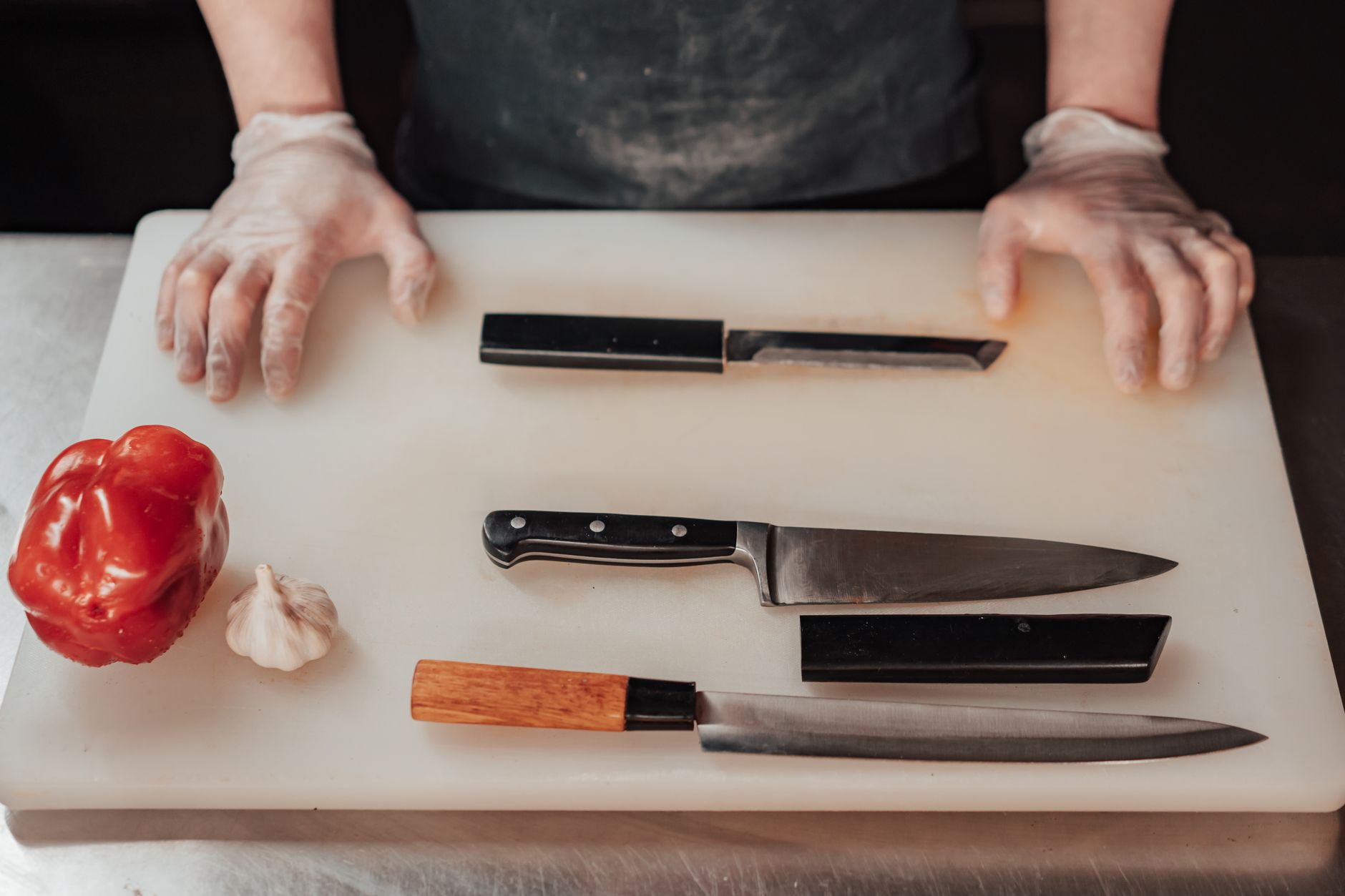
So, whats actually in the kitchen knife world? Theres a whole lineup of shapes and sizes, each bringing something special to the chopping block.
| Knife Type | Main Use | Blade Length | Best for |
|---|---|---|---|
| Chefs Knife | General-purpose slicing, dicing, chopping | 8-10 inches | Vegetables, meat, herbs |
| Paring Knife | Peeling, trimming, detailed work | 3-4 inches | Fruit, small vegetables |
| Utility Knife | Medium tasks, sandwiches, smaller cuts | 4-7 inches | Meats, sandwiches |
| Bread Knife | Slicing bread and other soft-crust foods | 7-10 inches serrated | Bread, tomatoes |
| Boning Knife | Deboning meat and fish | 5-6 inches flexible blade | Meat, fish |
| Carving Knife | Slicing cooked meat thinly | 8-15 inches | Roasts, poultry |
And thats just the start! There are also steak knives, cheese knives, butter knives, oyster knives, tomato knives, meat cleavers, kitchen shears, and more. Each has its own special job, making some tricky jobs far easier.
Heres a little secret: even if youre not a chef, owning a couple of these and knowing when to use each one can totally upgrade your knife skills cooking and meal prep vibes.
How to Use Knives Properly
Okay, so now you know what knives to use. But how do you actually use them without feeling like youre going to slice your fingers off?
Get the grip right
Most pros swear by the pinch grip. It sounds fancy, but its just holding the knife handle and pinching the blade with your thumb and forefingera bit like giving the knife a little hug. This grip gives you more control and prevents slipping.
Cutting techniques
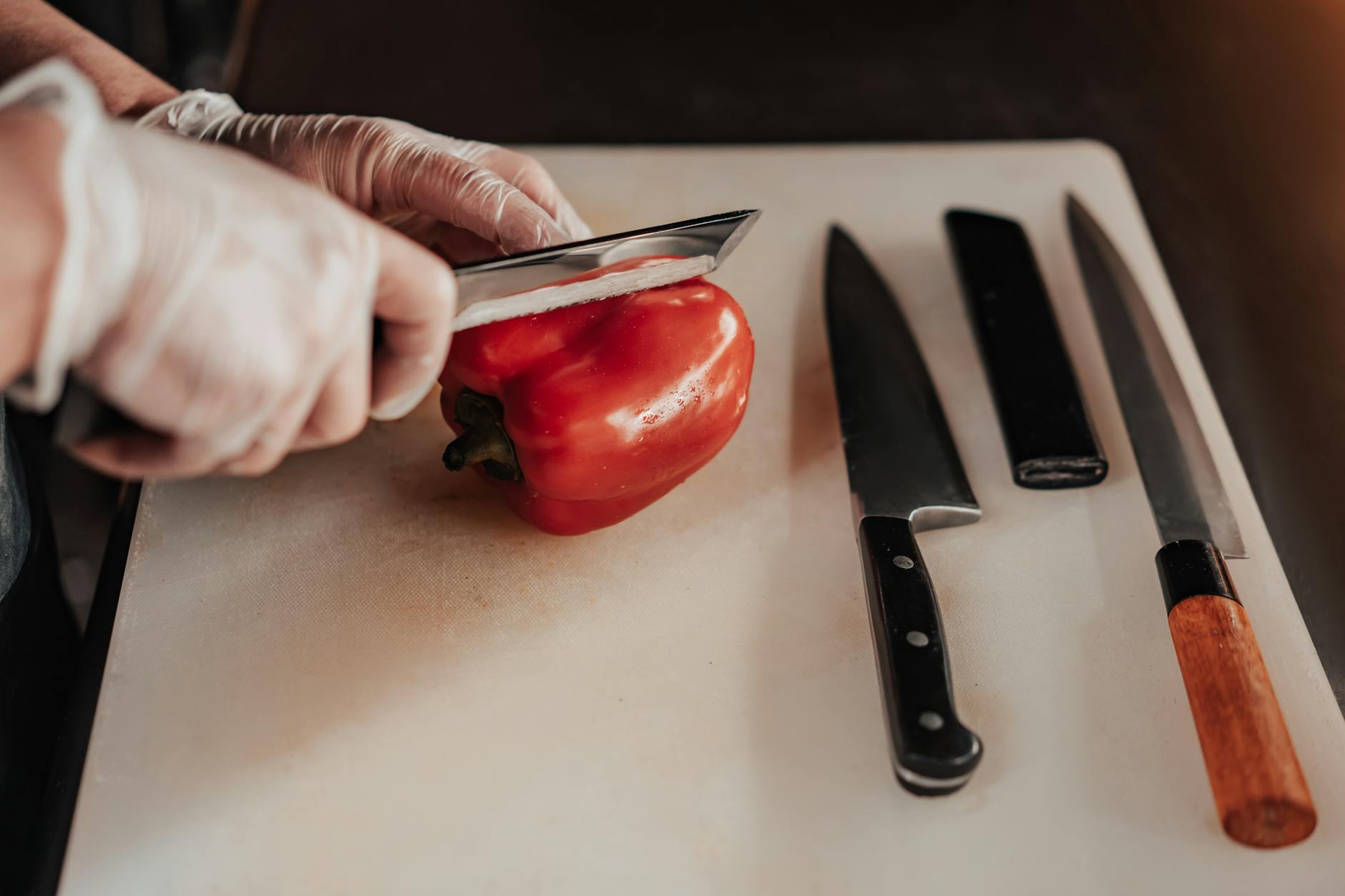
Try the rocking motion with your chefs knife: the tip stays anchored, and the blade rocks up and down to slice through veggies. Its smoother, faster, and less tiring. For chopping, keep your non-knife hand curledlike a clawto avoid any finger casualties.
Maintaining your knives
Sharpen often! I know it seems annoying, but a sharp knife saves more cuts than it causes. Honing every few uses and sharpening every few months keeps your blades in shape. Also, dont toss your knives in the dishwasherthats a fast track to dull blades and loose handles.
Choosing the Best Kitchen Knives
Buying knives can feel overwhelming: tons of brands, materials, and price tags. Heres some friendly wisdom to keep it simple.
Know what you need
If you mostly cook veggies and simple meals, a chefs knife, a paring knife, and a bread knife will cover most of your bases. Fancy steak knives or oyster knives? Totally optional unless youre really diving into niche cooking.
The material matters
Stainless steel versus high carbon steeltheres debate! Stainless resists rust and is easier to care for, while carbon steel holds a sharper edge but needs extra TLC to avoid rusting.
Price versus quality
Spending a fortune doesnt always mean you get the best. Look for comfortable grip, decent weight, and a balanced feel in your hand, then check reviews for durability. A mid-range knife from a respected brand usually beats a shiny cheap one any day.
Save money smartly
On that note, if youre trying to stretch your kitchen budget, you might want to check out smart tips on how to save money on groceriesits all connected really. Cutting costs doesnt mean compromising your knife game.
Caring for Your Knives
Alright, youve got the knivesand youre ready to slice like a pro. But dont stop there: proper maintenance is your secret weapon to keep those knives sharp and safe.
Sharpening basics
Honingusing a steel rodrealigns your blades edge without removing metal. Sharpening actually grinds and sharpens the edge, usually with a whetstone or electric sharpener. Both have their place.
Cleaning and storage
Hand-wash your knives right after use, dry them immediately, and store them in a knife block or magnetic strip. Leaving them loose in a drawer? Nopethats a fast way to dull and damage both blade and your fingers.
When to replace
If your knife chips badly, bends, or becomes unsafe even after sharpeningtime to say goodbye and get a new one. No point risking injury.

Recommended Knives to Start Your Collection
Heres a practical starter kit to get you cooking with confidence:
- Chefs Knife (8-inch): All-rounder for nearly everything.
- Paring Knife (3-4 inch): Perfect for peeling and small cuts.
- Bread Knife: For crusty loaves and soft delicacies alike.
- Boning Knife: Handy if you regularly deal with meat or fish.
Grab these, keep them sharp, and youre already ahead of most home cooks. And remember, each knife has its personality and jobrespect them, and theyll reward you tenfold.
Final Thoughts
Getting cozy with your kitchen knives isnt just about fancy tools or cooking tricks. Its about making your time in the kitchen safer, quicker, and more fun. Once you know which knife to grab, how to use it right, and how to care for it, chopping and slicing wont feel like a chore anymore.
So go ahead, give those knives a little love, try out some new cutting techniques, and maybe share your triumphs (or funny failswe all have them) with friends or in the comments below. If youre curious about other ways to simplify kitchen life, exploring topics like how to order groceries online might be a handy next step.
Remember, with the right kitchen knives and a little know-how, cooking can become the highlight of your day rather than just another task. And isnt that what were all aiming for?
FAQs
What is the best knife to start with in the kitchen?
A great starter knife is an 8-inch chef's knife, as it handles most kitchen tasks like slicing, dicing, and chopping with ease.
Why is it important to keep kitchen knives sharp?
Sharp knives are safer because they require less force to cut, reducing the chance of slips and accidents caused by dull blades.
How do I properly hold a kitchen knife for control and safety?
The pinch grip, where you pinch the blade near the handle with your thumb and forefinger, offers the best control and reduces slipping.
Can I use one knife for all kitchen tasks?
While a chef’s knife is versatile, using specialized knives like a bread knife or boning knife for their specific jobs makes cutting more efficient and safer.
How should I store my kitchen knives to keep them sharp?
Store knives in a knife block, on a magnetic strip, or in blade guards. Avoid tossing them loose in drawers to prevent damage and dulling.