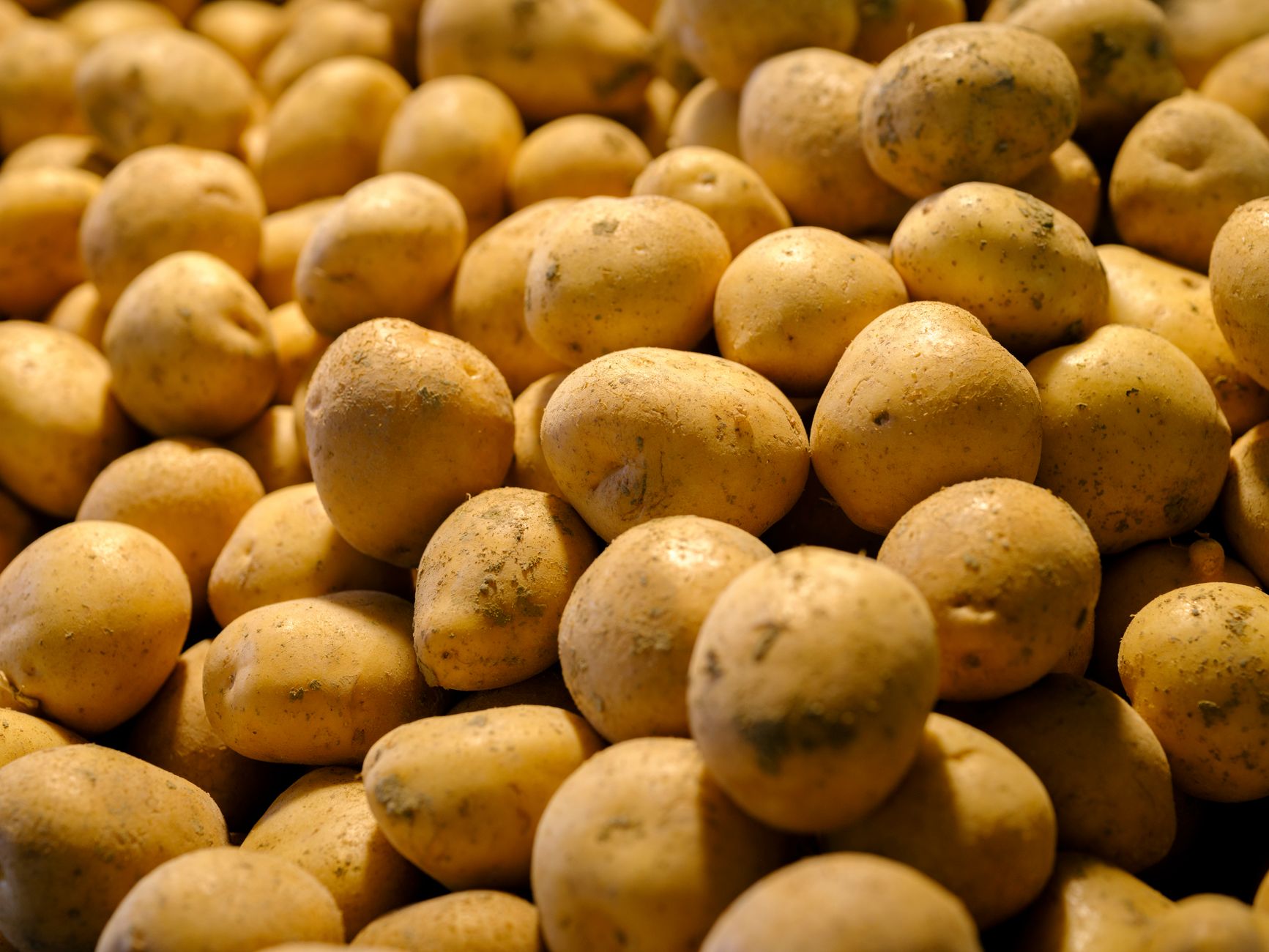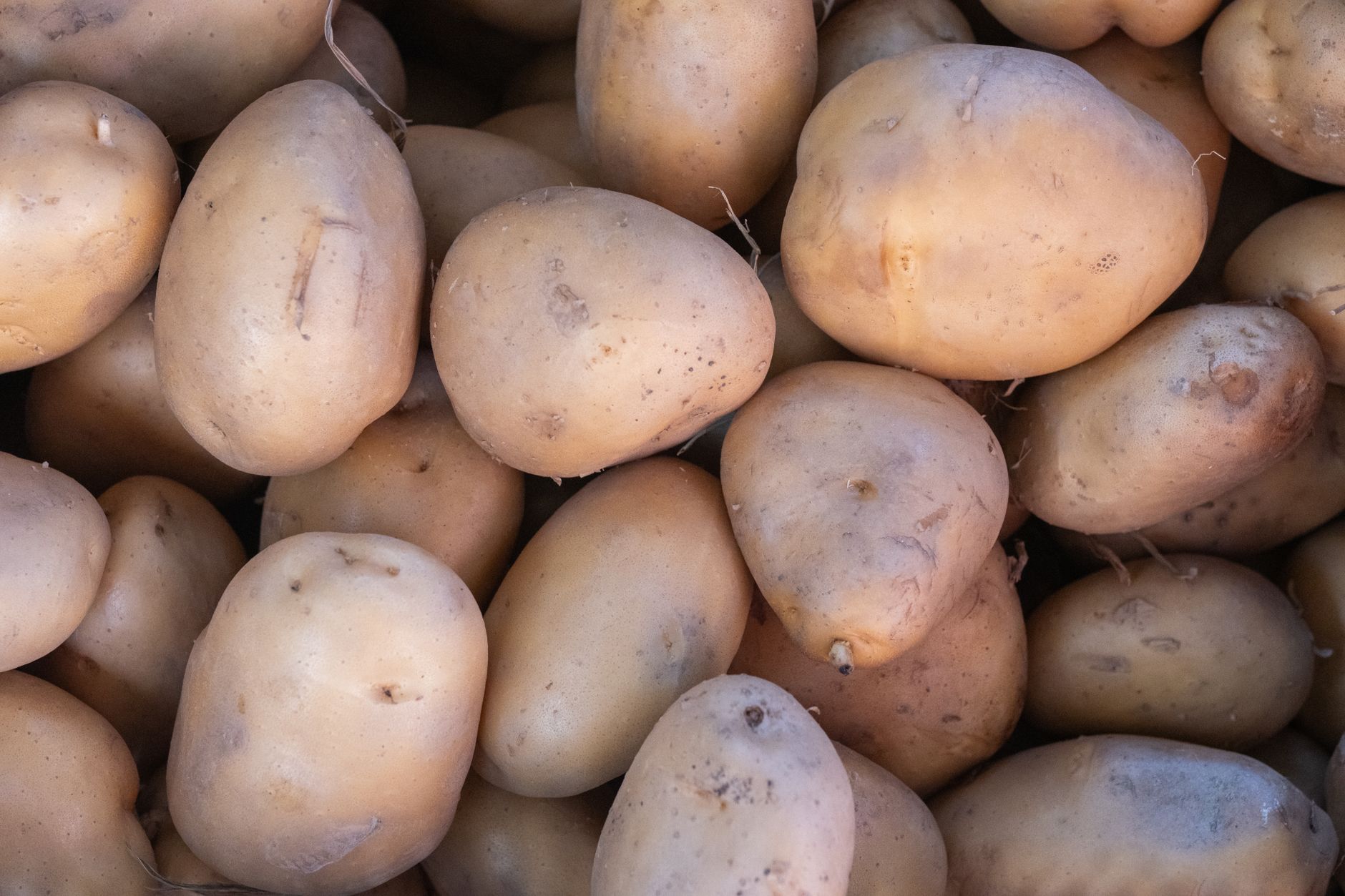
Okay, so youve just pulled a potato out of your kitchen drawer, and surprise its sprouting little green shoots everywhere. Maybe youre wondering, Are sprouted potatoes safe to eat, or am I about to poison myself? Weve all been there, staring at those wrinkly, sprouted tubers, wondering if theres still hope or if they belong in the garbage.
Heres the good news right off the bat: sprouted potatoes arent automatically dangerous, but theres some important stuff you _do_ need to know before you dig in. Some sprouts can actually be a bit risky, and the key to sprouted potatoes safety lies in understanding when to toss, when to prep, and when you can cook with them like a pro.
So, grab a cup of coffee, and lets chat about what sprouted potatoes really mean, how to handle them safely, and some tips to stop your spuds from turning into little green monsters in the first place.
What Are Sprouted Potatoes?
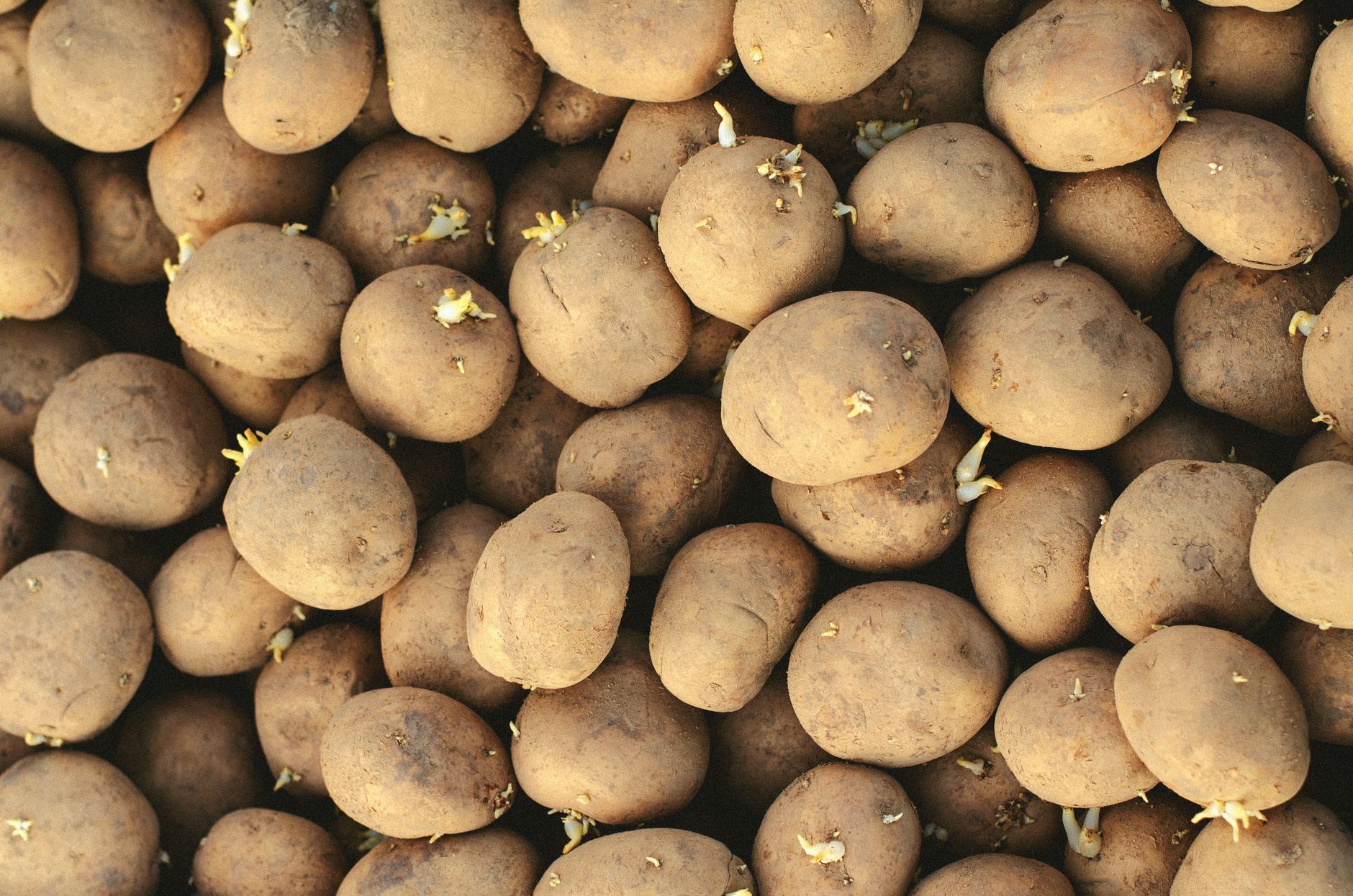
Lets start simple whats going on when a potato sprouts? Its basically a natural process. Potatoes are like tiny time bombs of life energy, waiting for the right moment to grow into a full plant. When you notice those little shoots poking out, it means your potato is trying to grow eyes and stems.
These sprouts come from what's called eyes on the potatos surface. When conditions like warmth and moisture show up, the potato wakes up and starts sprouting. Its kinda like when seeds just know it's time to pop up and say hello to the world.
During this sprouting stage, things inside the potato start changing like starch turning into sugars and some natural chemicals moving around. Sometimes those chemicals can be a bit tricky from a safety standpoint.
Why Do Potatoes Grow Sprouts?
Have you ever noticed how potatoes in your pantry feel soft or the skin might be wrinkling? Thats a classic sign sprouts are on their way. Potatoes sprout mostly because:
- Warm temperatures (above 50F/10C) nudge them to sprout cold usually slows it down.
- Light exposure stimulates eyes to grow sprouts.
- High humidity can speed up the process.
- Time: No potato last forever, and sprouting means its starting to age.
So, its really about the environment inviting your potato to grow. The annoying thing is, sprouting often means your potato isnt fresh anymore but that doesnt always mean its unsafe.
Can You Eat Sprouted Potatoes?
Heres the million-dollar question, right? Are sprouted potatoes safe to eat? The honest answer is: mostly, yes, but with some important warnings.
When potatoes sprout, especially if theyve gone green around the skin (that green tint means solanine, a natural toxin), your potato can develop higher levels of something called glycoalkaloids. These compounds include solanine and chaconine, which, when eaten in large amounts, can cause stomach upset, headaches, or worse.
But dont panic yet your body usually can handle low amounts without trouble. You just gotta be mindful about it.
How Much Sprouting is Too Much?
If your potato is just starting to sprout with a few small eyes, and the potato itself is still firm and not green, you can simply remove the sprouts and use the potato. However, if the potato is wrinkly, soft, or covered in lots of long sprouts and green patches, its time to say goodbye.
Cut away the green areas generously if you want to be super cautious. Also, toss any potato that smells weird, looks moldy, or feels slimy.
Signs Youve Been Poisoned by Sprouted Potatoes
Okay, touching on the scary stuff: true solanine poisoning from sprouted potatoes is extremely rare but possible if you eat a lot of green or sprouted potato parts. Symptoms might include:
- Nausea and vomiting
- Headaches
- Stomach cramps
- Diarrhea
- Dizziness
If you ever feel these after eating potatoes, especially ones with visible sprouts or green skin, its best to see a doctor and avoid eating those potatoes in the future.
How to Use Sprouted Potatoes Safely
So maybe you have sprouted potatoes sitting in your pantry and you dont want to waste food totally get it. There are ways to use sprouted potatoes safely, though it requires a bit of prep.
Steps to Prepare Sprouted Potatoes for Cooking
- Remove the sprouts and eyes: Snip off any sprouts with a small knife or snap them off with your fingers.
- Check for green spots: Cut away any green areas thoroughly those parts hold the most toxin.
- Inspect the texture: If the potato is firm, its generally still good to use after prepping.
- Discard soft or wrinkly potatoes: If it feels mushy or looks dried out, its best to toss it.
Sprouted Potatoes Cooking Tips
Cooking can help soften the potato and may reduce some toxins, but it doesnt eliminate all solanine. Boiling, baking, and frying sprouted potatoes after removing sprouts and green areas are safe methods.
One neat trick is to peel potatoes before cooking because solanine tends to gather under the skin. So if you peel right after trimming the sprouts and green bits, youre cutting down risk.
If you want to save on waste, you could find creative ways to cook sprouted potatoes mashed potatoes, roasted tots, or even soups as long as the preparation steps are taken.
Talking about cooking did you know there are things you should keep in mind when it comes to refrigerating your leftovers? If youre curious about safe storage and reheating techniques to keep your food tasty and fresh, check out this helpful guide on What must you do when refrigerating prepared foods.
Potatoes Sprouting Prevention Tips
Lets be real nobody wants to deal with sprouted potatoes all the time. A little prevention goes a long way to keep your potatoes fresher for longer, saving you money and hassle.
How to Store Potatoes to Stop Sprouting
- Keep them cool, but not cold: Ideal temperature is about 45-50F (7-10C). Too warm, and they sprout; too cold, and sugars turn to starch, affecting flavor.
- Store in the dark: Light sparks sprouting and greeningstore potatoes in a dark place like a pantry or cupboard.
- Good airflow: Use breathable bags or baskets instead of plastic. This helps prevent moisture build-up, which encourages sprouting and rot.
- Keep away from onions: Onions release gases that make potatoes sprout faster.
Should You Store Potatoes in the Fridge?
This topics a bit controversial. Refrigeration slows sprouting but can turn potato starch into sugar, making your potatoes taste sweeter and turn them darker during cooking. So, unless youre planning to use them cooked in a way that masks sweetness, like deep frying (hello, crispy fries!), fridge storage might not be your best bet.
For more detailed info on storing and handling prepared foods safely after cooking, heres a neat article about Hmart prepared foods you might find interesting. Its not just about potatoes, but the safety principles apply well!

What Else Should You Watch Out For?
Not all damage to potatoes comes from sprouting bruised or slightly damaged potatoes dont usually pose a health threat. You can cut away bruised spots and use the rest. Its mostly those green patches and sprouts you want to be wary about.
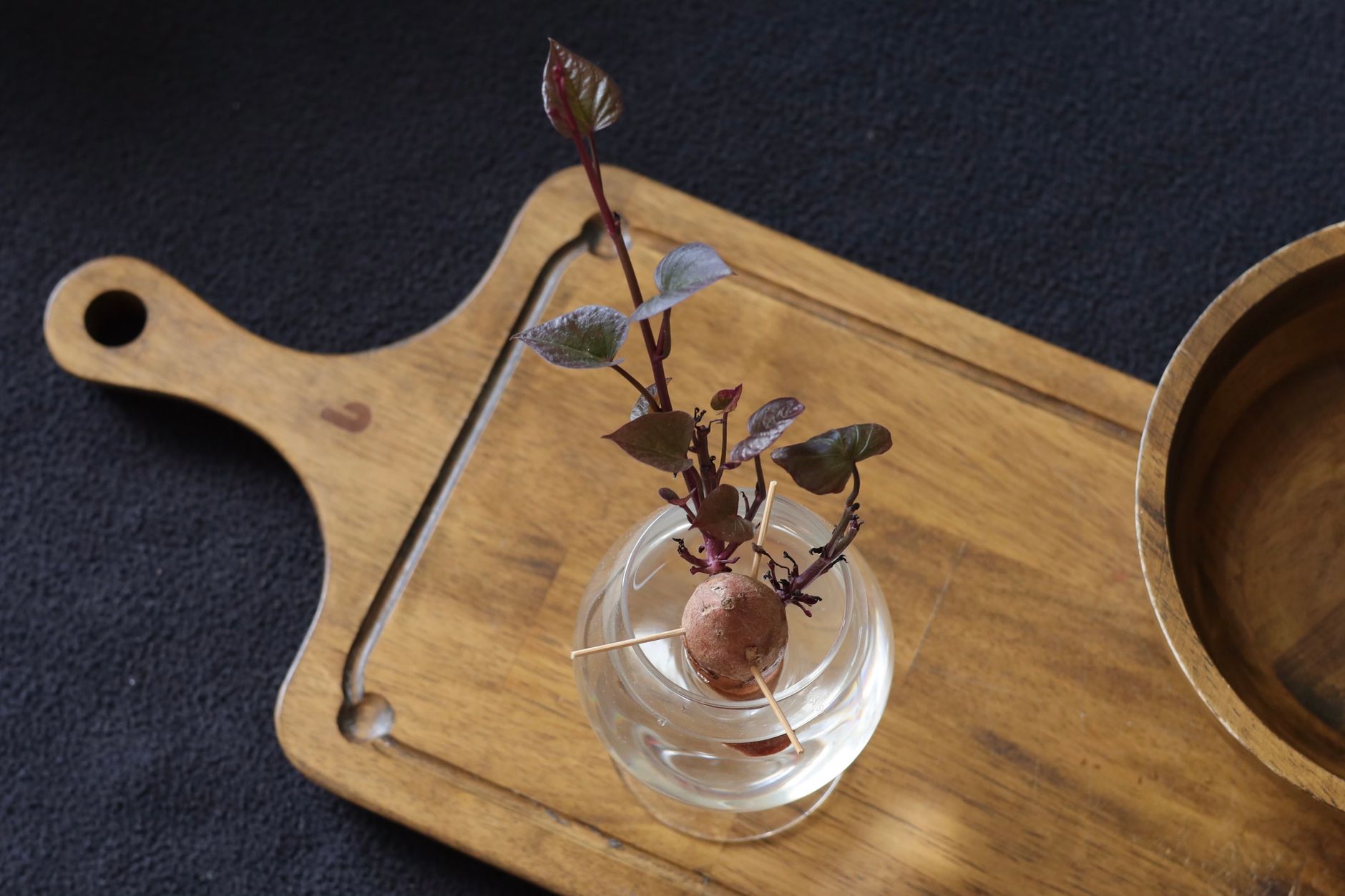
For gardeners or the green thumbs out there, sprouted potatoes can be a blessing. You can actually plant those sprouts and grow new potatoes! Just be sure the spuds are healthy enough for planting and havent been treated with chemicals that might inhibit growth.
If youre tossing sprouted potatoes into the compost (which is a great way to reduce food waste), keep in mind they can sprout in your compost pile too. Chop them up or mix them well to avoid that mess, and definitely dont add diseased or moldy potatoes that could spread problems.
How Long Can You Keep Potatoes Without Sprouting?
Under ideal conditions, good-quality potatoes can last several weeks to a couple of months. But with time comes sprouting its inevitable if the storage conditions arent perfect.
A quick tip: check your stash weekly. Rotate the potatoes so the older ones get used first. Its a simple trick but saves you from culinary surprises like sprouted or mushy potatoes when you least expect them.
Bottom Line on Sprouted Potatoes Safety
Sprouted potatoes safety isnt a black-or-white deal. Small sprouts can be removed, and the potatoes can be eaten safely if the tuber is still firm, not green, and not wrinkled. But when in doubt, its better to be cautious toss any potatoes that are overly sprouted, green, or soft. Your stomach will thank you.
Next time you spot sprouts, remember its just your potatos way of saying, Hey, Im ready to grow! If you want to avoid sprouting headaches, take a little time to store your potatoes wisely and keep an eye on them. And if you ever find yourself with a bunch of sprouted potatoes, get creative in the kitchen or even in your garden theres always a way to put them to good use.
What do you think? Have you tried cooking with sprouted potatoes, or maybe you have your own storage hacks? Share your stories, or if you still have questions, just ask Im here to help!
FAQs
Are sprouted potatoes safe to eat?
Sprouted potatoes can be safe to eat if the sprouts and any green areas are removed. Avoid potatoes that are soft, wrinkly, or heavily sprouted as they may contain harmful toxins.
What is the risk of eating green or sprouted potatoes?
Green or heavily sprouted potatoes may have high levels of glycoalkaloids like solanine, which can cause nausea, headaches, stomach cramps, and other symptoms if consumed in large amounts.
How can I safely prepare sprouted potatoes for cooking?
Remove all sprouts and eyes using a knife, cut away any green patches, inspect the texture for firmness, and discard if the potato is soft or wrinkled before cooking.
Can cooking remove toxins in sprouted potatoes?
Cooking might reduce some toxins but does not eliminate solanine completely, so removing green parts and sprouts before cooking is essential for safety.
How can I prevent potatoes from sprouting prematurely?
Store potatoes in a cool, dark place with good airflow, avoid exposure to light and warmth, and keep them away from onions to slow down sprouting.