Have you ever noticed the words "bronze cut pasta" on a box and wondered what makes it special? The difference is more than just marketing. Bronze cut pasta uses traditional bronze dies instead of smooth Teflon ones, creating a rough, porous surface that grips sauces much better. At thucphamhalal.com, we believe understanding these small details helps you choose quality ingredients for your kitchen. This guide explains everything about bronze cut pasta from its texture to how to spot it on the shelf.
Understanding Bronze Cut Pasta: The Basics
What is bronze cut pasta?
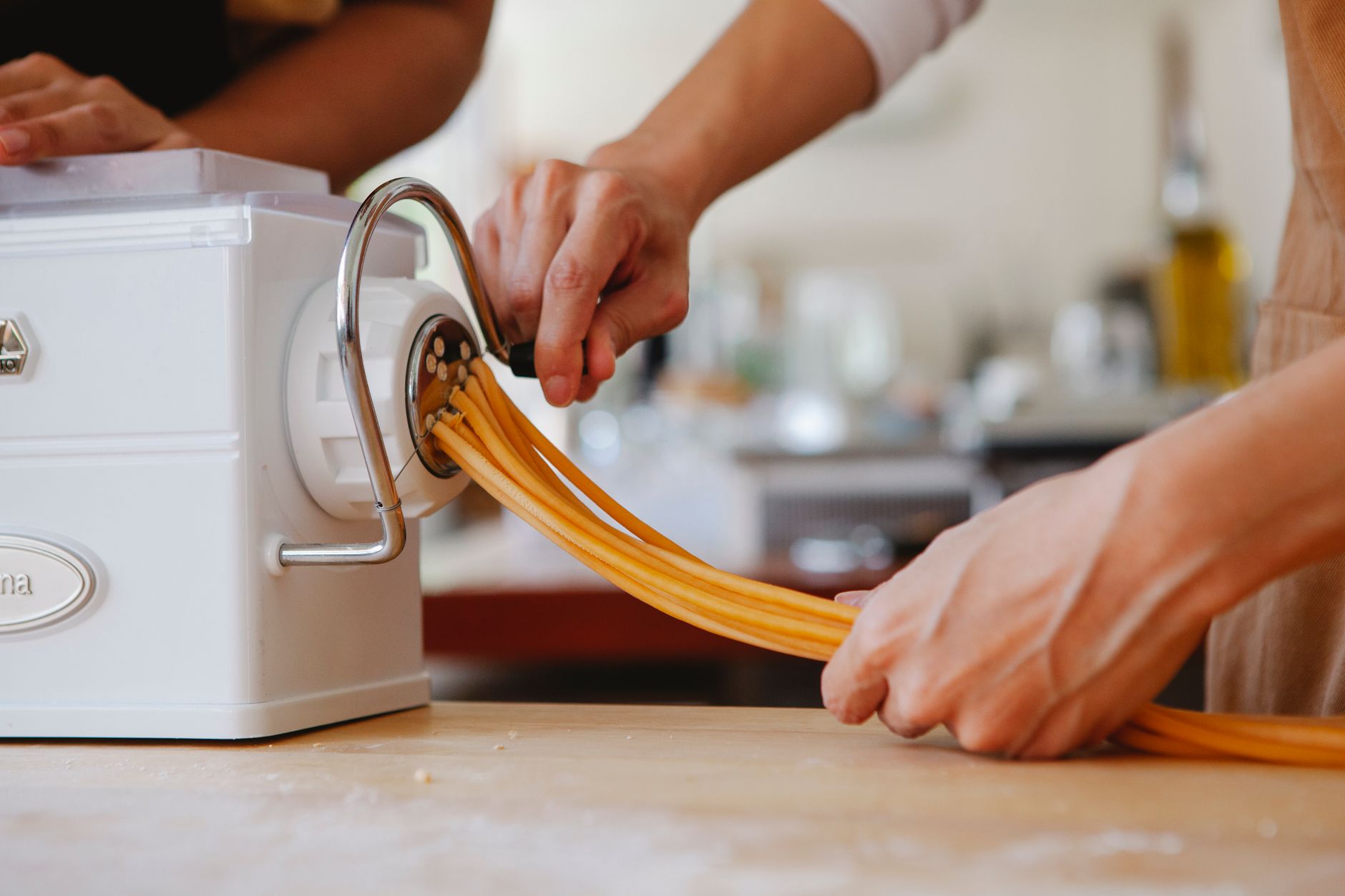
Bronze cut pasta is made by pushing dough through a bronze die a metal plate with holes shaped like the final pasta form. The bronze surface is naturally rough, unlike the slick Teflon dies used in mass-produced pasta. As the dough passes through, the rough die creates micro-scratches on the pasta‘s surface. These tiny grooves hold onto sauce, cheese, and oil far better than smooth pasta ever could. It‘s the same reason a rough-textured stone grips your hand better than polished marble.
How is bronze cut pasta made?
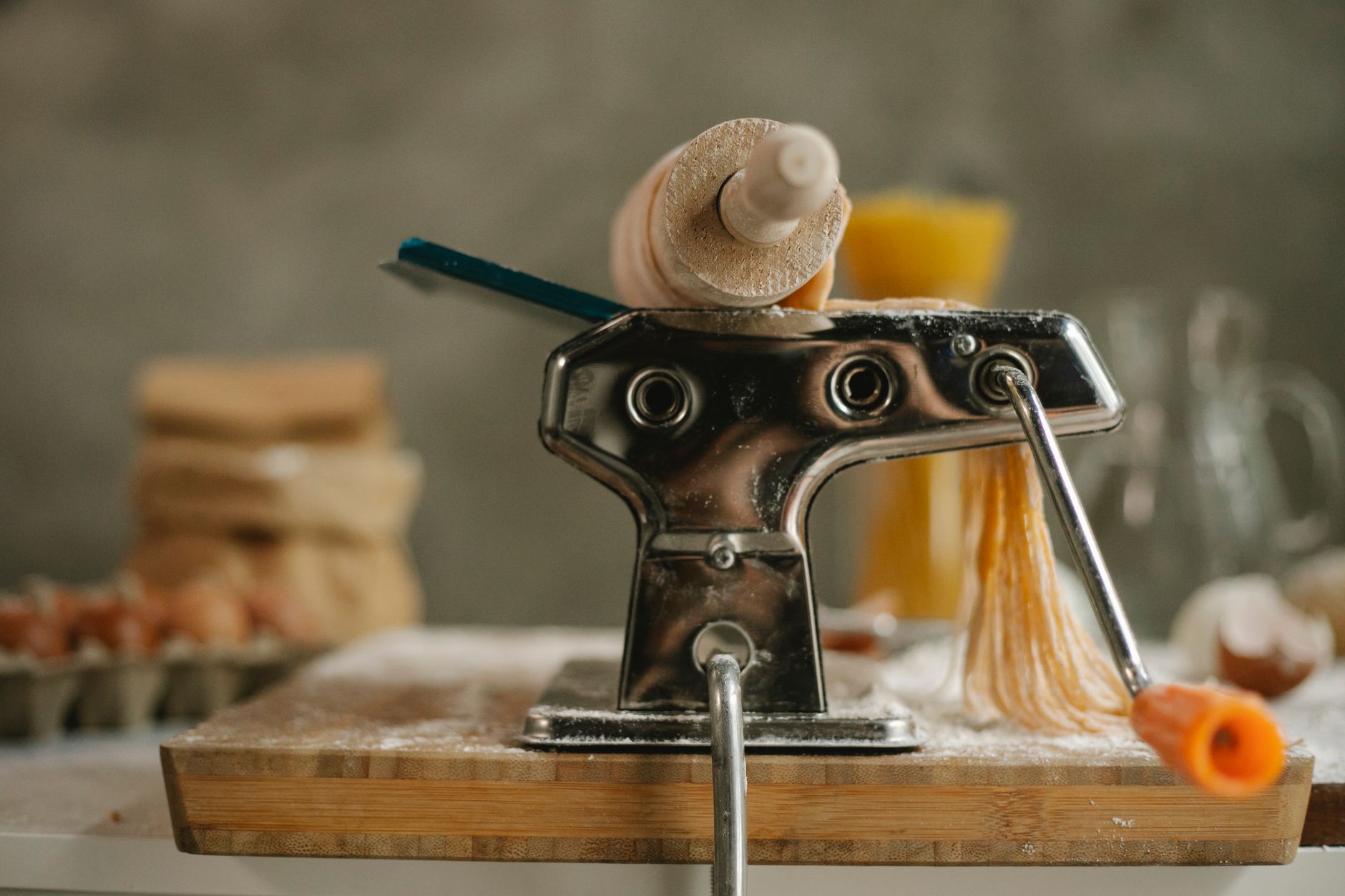
The process starts with simple ingredients: semolina flour and water. The dough is kneaded and extruded through the bronze die under pressure. Because bronze is less slippery than Teflon, the extrusion is slower and requires more force. This slower pace helps preserve the pasta‘s structure and flavor. After cutting, the pasta is dried at low temperatures for 24 to 48 hours a method that retains more of the wheat‘s natural taste and nutrients. Many artisan pasta makers in Italy still follow this traditional approach, as noted by the Italian Pasta Association (Unione Italiana Pasta).
Visual and texture differences between bronze cut and regular pasta
| Feature | Bronze Cut Pasta | Regular Teflon-Cut Pasta |
|---|---|---|
| Surface texture | Rough, porous, slightly matte | Smooth, shiny, almost waxy |
| Sauce adherence | High sauce clings to every nook | Low sauce slides off easily |
| Mouthfeel | Firm, chewy, "al dente" holds longer | Softer, less structure |
| Water leaching | Less starch released into water | More starch released, cloudy water |
Types of pasta commonly bronze cut
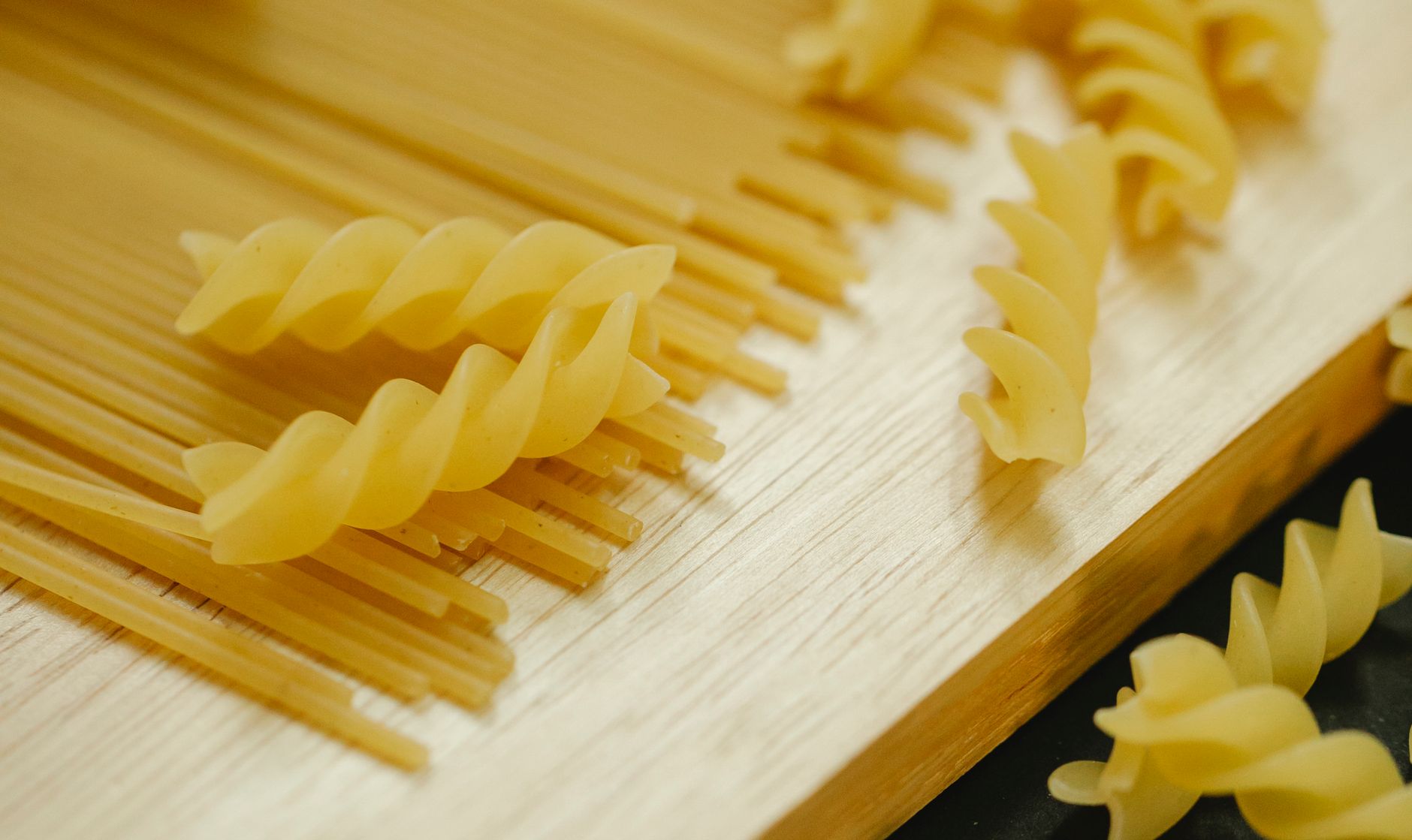
Not all shapes are treated equally. Long pastas like spaghetti and linguine are often bronze cut because their length depends on uniform extrusion. Short shapes like penne, fusilli, and rigatoni also benefit the rough surface holds sauce inside the ridges and curves. Specialty shapes such as orecchiette and cavatelli are almost always bronze cut in premium brands. When you see artisan pasta labeled as "traditionally made," it almost certainly uses bronze dies.
Why Bronze Cut Pasta Is a Quality Indicator
What makes bronze cut pasta a "green flag"?
When you see "bronze cut" on a package, it signals that the producer cares about texture and traditional methods. Mass-market pasta prioritizes speed and low cost, using Teflon dies that produce smooth, slippery noodles. Bronze cutting, by contrast, is slower and more expensive. Yet the payoff is huge: better sauce absorption, a firmer bite, and a more satisfying eating experience. It‘s the same reason you‘d choose a hand-stitched leather bag over a machine-pressed one the quality is visible and tangible.
Pasta texture differences and how they affect your dish
Think about your last bowl of spaghetti with marinara. Did the sauce slide off the noodles and pool at the bottom? That‘s smooth pasta. With bronze cut pasta, the rough surface acts like tiny hooks that capture every bit of sauce. The same applies to creamy Alfredo or chunky Bolognese the meat and vegetables get trapped in the grooves. A simple test: boil both types side by side and toss each with a tablespoon of olive oil. The bronze cut will look coated; the smooth pasta will still be wet and oily.
Expert tips for cooking bronze cut pasta
Because the surface is rough, bronze cut pasta releases slightly less starch into the water. That means you need to salt the water generously 1 tablespoon per 4 quarts of water. Cook it for 1 to 2 minutes longer than the package suggests for a true al dente bite. Stir immediately after adding the pasta to prevent sticking, and reserve a cup of pasta water before draining. That starchy water is gold for emulsifying your sauce.
Choosing and Using Bronze Cut Pasta in Your Kitchen
How to identify bronze cut pasta on the shelf
Reading the label is straightforward. Look for phrases like "bronze die cut," "bronze drawn," or "traditional bronze extrusion." Some brands stamp "bronze cut" on the front. But if the label is silent, examine the pasta itself. Bronze cut pasta has a dull, dusty appearance not shiny. The surface feels slightly gritty when rubbed between your fingers. Also check the ingredient list: quality brands list only "durum wheat semolina" and water, with no added preservatives or colorings. For Halal-conscious shoppers, verify the certification logo (JAKIM, HMC, or IFANCA) on the package though bronze cut pasta is usually Halal-friendly as it contains no animal-derived additives. Below is a quick buyer‘s checklist table for your next shopping trip.
| Certification | Price Range | Common Formats | Shelf Life | Key Allergens |
|---|---|---|---|---|
| Halal (JAKIM, HMC, IFANCA) | $3 $8 per 500g box | Spaghetti, penne, fusilli, rigatoni | 1218 months unopened | Wheat (gluten) |
Are there any downsides to bronze cut pasta?
Honestly, very few. The main trade-off is price: bronze cut pasta costs 2 to 3 times more than standard pasta because production is slower and the dies wear out faster. Also, the rough surface can make the pasta slightly more prone to sticking if you under-stir or overcook it. But for most home cooks, the improvement in flavor and texture far outweighs the extra cost. If you‘re cooking a simple weeknight pasta with just butter and cheese, the difference might be subtle. But for a rich rag or a delicate aglio e olio, bronze cut is absolutely worth it.
Pairing bronze cut pasta with sauces
Because bronze cut pasta grips so well, it pairs beautifully with chunky sauces, pesto, or oil-based dressings. The rough surface holds onto bits of garlic, herbs, and cheese. Cream sauces also work the pasta doesn‘t get overly slippery. Avoid pairing it with extremely thin broths (like a clear soup) because the surface texture won‘t add much benefit. For a classic pairing, try bronze cut penne with a slow-simmered beef Bolognese.
Storing and handling tips for bronze cut pasta
Store unopened boxes in a cool, dry pantry away from sunlight. Once opened, transfer the pasta to an airtight container and use within 3 months for best quality. Cooked bronze cut pasta keeps for 45 days in a sealed container in the refrigerator. To reheat, toss it in a hot skillet with a splash of pasta water the microwave will make it mushy. Freezing cooked pasta? Portion it into bags and freeze for up to 2 months; thaw overnight in the fridge.
Is bronze cut pasta actually Halal what should I check?
Most bronze cut pasta is naturally Halal because its ingredients are limited to semolina flour and water. However, some brands add eggs or enrich the flour with synthetic vitamins. Always look for a Halal certification logo from a recognized body such as JAKIM (Malaysia), HMC (UK), or IFANCA (USA). If no logo is present, check the ingredient list for "natural flavors," "enzymes," or "L-cysteine" these may be derived from non-Halal sources. When in doubt, contact the manufacturer directly.
Does bronze cut pasta cook differently?
Yes, the rough surface absorbs water more slowly. Expect to add 1 to 3 extra minutes to the cooking time compared to smooth pasta. Always taste test before draining. The water will be slightly less cloudy because less starch leaches out.
Can bronze cut pasta be gluten-free or whole wheat?
Absolutely. Many gluten-free brands (using rice, corn, or legume flours) now offer bronze cut versions. Whole wheat bronze cut pasta is also common the extra fiber pairs well with the rough texture. Check the label for gluten-free certification if you have celiac disease.
How do I know if my pasta is bronze cut if the packaging doesn‘t say?
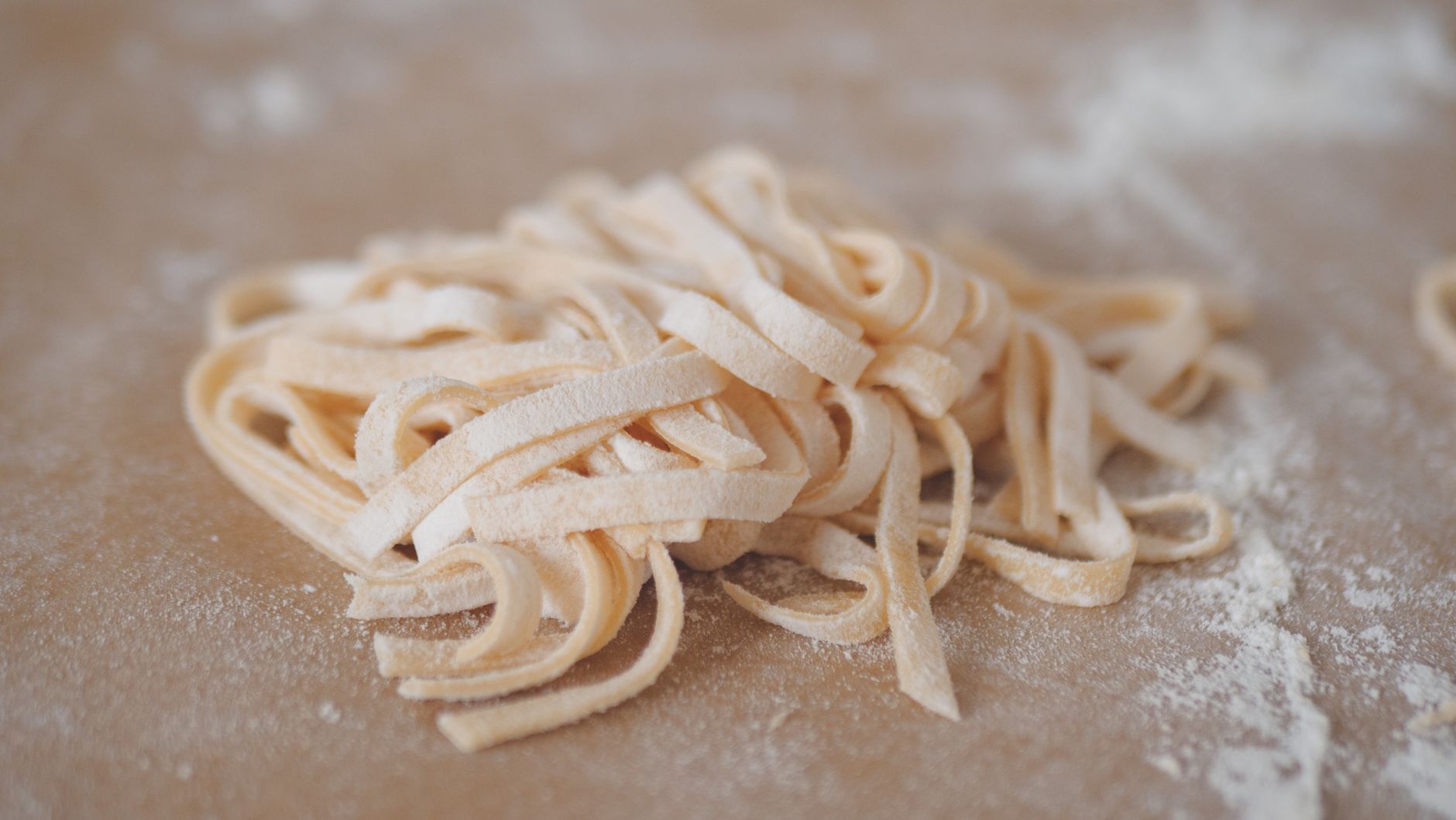
Look at the surface under good light. Bronze cut pasta looks matte and slightly chalky. Run your finger along it it should feel grainy, not slick. Drop a piece in water; if tiny bubbles cling to the surface, that indicates roughness. Smooth pasta will shed bubbles quickly.
Why is bronze cut pasta more expensive?
Bronze dies cost more than Teflon dies and need frequent replacement. The slower extrusion process reduces production speed by about 30%. Additionally, artisan brands often use higher-quality semolina and longer drying times. All these factors add up to a higher price tag, typically $4$8 per pound versus $1$2 for regular pasta.
Is bronze cut pasta better for weight management?
Not directly calories are similar. But the rougher texture can slow eating pace, helping you feel fuller with a smaller portion. The firmer bite also requires more chewing, which aids digestion. That said, portion control still matters most.
Which sauce works worst with bronze cut pasta?
Thin, watery sauces like a simple vegetable broth or a light lemon-herb dressing don‘t benefit from the rough surface the liquid just drips off anyway. Save bronze cut pasta for sauces that need help clinging, such as meat rags, creamy pesto, or oil-based preparations with lots of small bits.
Pro Tips for Buying Bronze Cut Pasta
The most overlooked mistake is assuming all "artisan" pasta is bronze cut. Some small brands still use Teflon dies but package them in fancy boxes. Always flip the box and read the method. Cheap versions of bronze cut pasta often use lower-quality durum wheat and shorter drying times the texture will be less firm. My expert tip: look for pasta labeled "bronze die drawn" and with a drying time of at least 30 hours. That combo guarantees superior sauce adherence and a satisfying chew.
Speaking of quality groceries, you might be wondering why are groceries so expensive these days. Premium ingredients like bronze cut pasta contribute to the cost, but knowing what you‘re paying for helps you make smarter choices.
And if you enjoy exploring unique ingredients, check out our guide on nutmeg uses a versatile spice that pairs beautifully with creamy pasta sauces.
More You Might Like
- How to choose the best artisan pasta brands: Learn which Italian labels prioritize bronze dies and slow drying, plus where to find them locally or online.
- Gluten-free pasta that actually tastes good: Discover which bronze cut gluten-free options deliver the same rough texture and sauce absorption without the wheat.
Conclusion
Next time you shop for pasta, let the phrase "bronze cut pasta" guide your hand. The rough surface, traditional method, and better sauce absorption make it a clear green flag for quality. Yes, it costs a little more, but the difference in texture and taste is unmistakable. Check the label for Halal certification, look for the matte finish, and enjoy pasta that truly holds onto its sauce. Try a box this week your dinner plate will thank you.
FAQs
Is bronze cut pasta actually Halal — what should I check on the label?
Most bronze cut pasta is naturally Halal as it contains only semolina flour and water. However, some brands add eggs or synthetic vitamins. Always look for a Halal certification from a recognized body like JAKIM, HMC, or IFANCA. If no logo is present, check the ingredient list for "enzymes" or "L-cysteine," which may come from non-Halal sources. When in doubt, contact the manufacturer directly.
How long does bronze cut pasta last after opening?
Once opened, transfer bronze cut pasta to an airtight container and store in a cool, dry pantry. For best quality, use it within 3 months. Cooked bronze cut pasta keeps in a sealed container in the refrigerator for 4 to 5 days. You can also freeze cooked pasta in portions for up to 2 months; thaw overnight in the fridge before reheating.
What's the difference between bronze cut and Teflon-cut pasta?
Bronze cut pasta is extruded through rough bronze dies, creating a porous surface that grips sauces. Teflon-cut pasta uses smooth Teflon dies, resulting in a shiny, slippery surface with poor sauce adherence. Bronze cut also releases less starch into the water and holds a firmer "al dente" bite. The main trade-off is price – bronze cut costs 2–3 times more due to slower production and shorter die life.
Can I eat bronze cut pasta every day?
Yes, bronze cut pasta is safe for daily consumption as part of a balanced diet. Its ingredients are typically just durum wheat semolina and water, making it a simple carbohydrate source. Portion control and pairing with nutrient-dense sauces (like vegetables and lean protein) are important. The rougher texture may slow eating, helping with satiety. Check for any allergen warnings, especially gluten.
Where can I buy genuine bronze cut pasta?
Look for bronze cut pasta in specialty grocery stores, Italian markets, or online retailers like Amazon and specialty food sites. On the shelf, choose packages labeled "bronze die cut," "bronze drawn," or "traditional bronze extrusion." Check the surface – it should look matte and feel slightly gritty. Reputable brands include De Cecco, Barilla (Collezione line), and artisanal Italian producers. Also verify Halal certification if required.