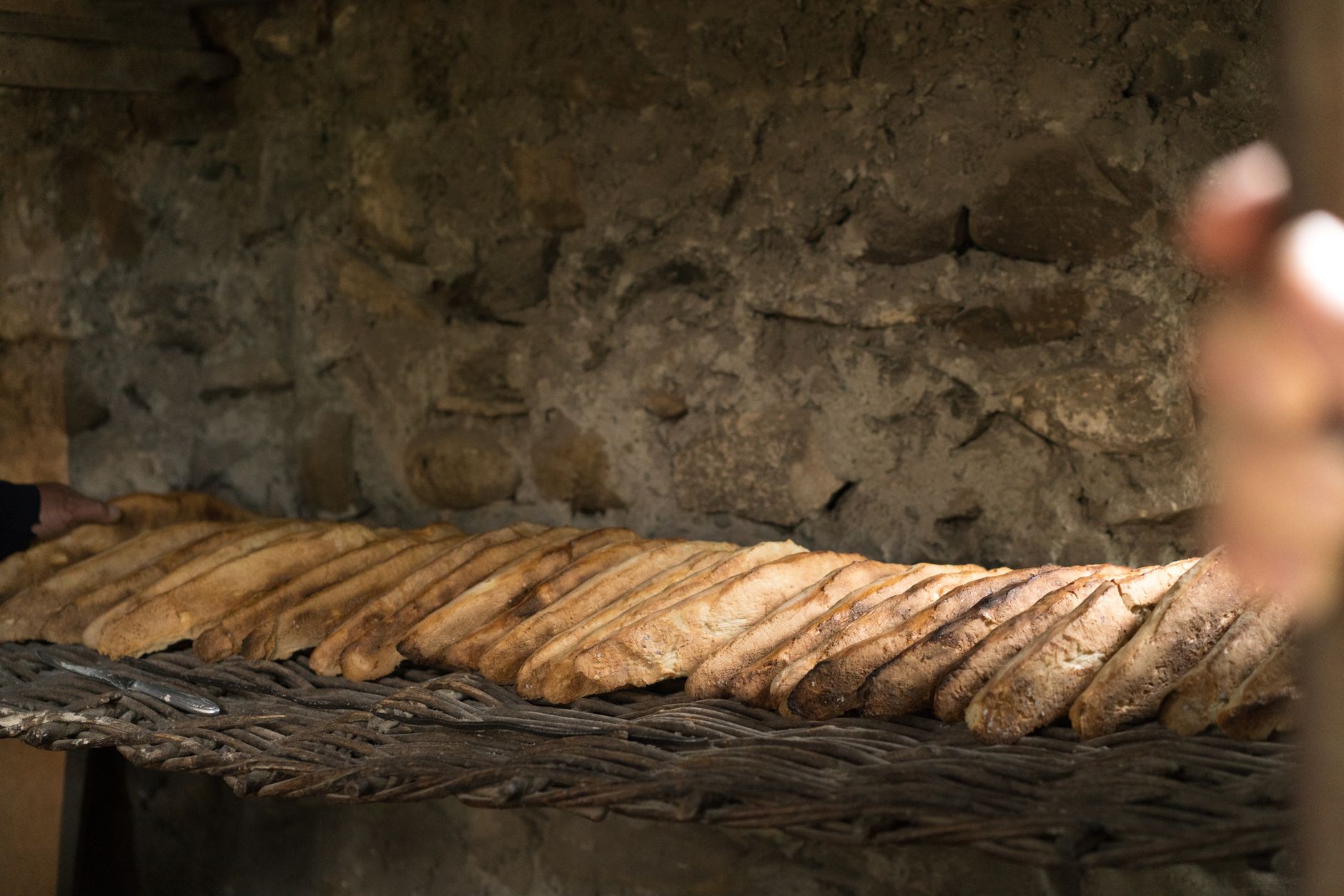
If youve ever wondered why your roti lacks that soft texture and fresh, nutty flavor, the answer may lie in your choice of flour. Stone ground flour makes a world of difference. This traditional flour undergoes a slow, gentle grinding process that preserves the grains natural nutrients and texture, elevating your rotis taste and nutritional value. Whether youre a seasoned chef or a home cook, understanding stone ground flour can change how you approach everyday breads.
What Is Stone Ground Flour?
What Does Stone Ground Really Mean?
Stone ground flour is made by crushing whole grains between two large stones. Unlike industrial roller mills that use high-speed steel rollers, stone grinding is a slower process that keeps the grains bran, germ, and endosperm intact. This method ensures minimal heat generation, which helps retain essential nutrients and natural oils.
The slow grinding also means the resulting flour has a more coarse texture and richer flavor. In many traditional cultures, stone ground flour is prized for its wholesome qualities and connection to authentic baking techniques.

How Does Stone Ground Flour Compare to Whole Wheat Flour and Fine Grain Flour?
Whole wheat flour can be made by stone grinding or modern roller milling, but not all whole wheat flour is stone ground. Fine grain or refined flours typically have the bran and germ removed, offering a finer texture but fewer nutrients. Stone ground flour, by contrast, maintains the full grain components.
Compared to regular whole wheat flour, stone ground varieties often feel denser in the dough but yield baked goods with more character and complexity. Fine grain flours bake fluffier products but lack the fiber and minerals found in stone ground flour.
| Feature | Stone Ground Flour | Whole Wheat Flour (Roller-Milled) | Fine Grain/Refined Flour |
|---|---|---|---|
| Texture | Coarse, slightly gritty | Medium, uniform | Fine, powdery |
| Nutrient Retention | High (bran, germ intact) | High (but some heat loss) | Low (bran and germ removed) |
| Flavor | Nutty, rich | Mild, somewhat sweet | Neutral, bland |
| Best Use | Artisan breads, roti | Everyday baking | Cakes, pastries |
Why Stone Ground Flour Works for Roti
What Are the Roti Flour Benefits of Stone Ground Flour?
Stone ground flour enhances roti on multiple levels. Its natural bran and germ content creates a soft but slightly textured dough that bakes into flexible and tender roti. The flours coarse particles absorb water better, making dough mixing easier and less sticky. Plus, the increased fiber and nutrients mean your roti is healthier without sacrificing taste.
Many cooks find their rotis puff up more evenly when made with stone ground flour. This is due to the flour‘s higher bran content, which promotes better steam retention during cooking.
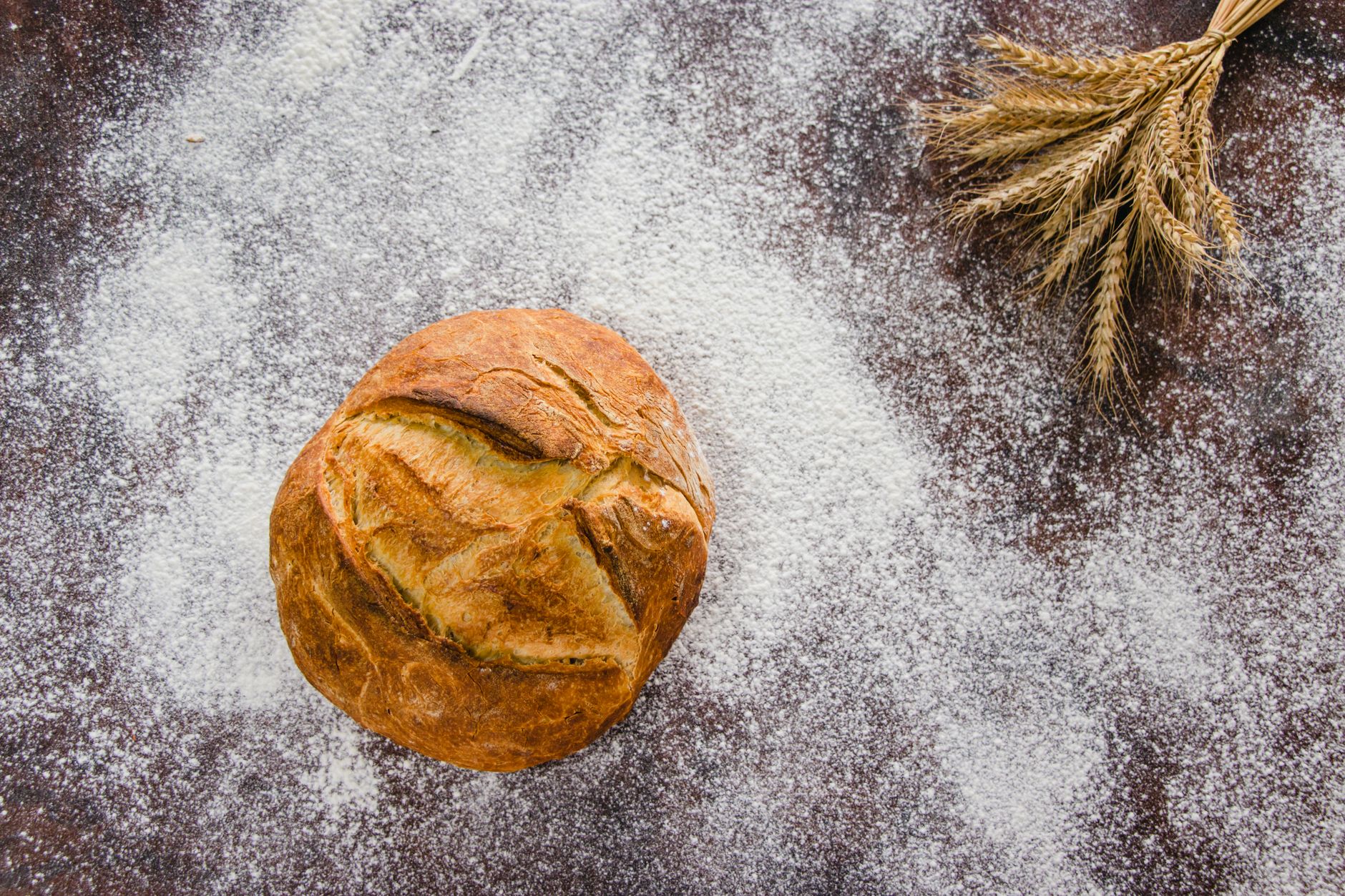
Real-World Example: How Switching to Stone Ground Flour Improved My Roti
Before switching to stone ground flour, my roti was often tough and lacked flavor. After trying stone ground, I noticed a more tender bite and a toasted, nutty aroma. The dough was easier to roll and cooked faster, with a better puff. It transformed my weekly meals into something I looked forward to, showing how flour quality truly matters.
Can You Substitute Regular Flour for Atta (Stone Ground Roti Flour)?
You can, but results vary. Fine all-purpose flour lacks the bran and germ so your roti might turn out softer but less flavorful and less nutritious. Machine-milled whole wheat flours can mimic atta but might have less texture and aroma. When substituting, add a small amount of bran or use a blend to get closer results.
Just expect less elasticity and a slightly different cooking time with non-stone-ground flours. If youre after authentic roti texture, stone ground flour remains the best choice.
How to Choose and Store Stone Ground Flour
What to Look for When Buying Stone Ground Flour?
Buyers should check for authentic stone ground labels or descriptions from trusted brands. Genuine stone ground flour often has a coarser texture and a slightly off-white or tan color. Look for certifications like Halal from JAKIM, HMC, or IFANCA to ensure the product suits your dietary standards.
Be wary of vague packaging that just says whole wheat flour without specifying grinding method. Freshness indicators and clear manufacturing dates are a good sign of quality.
| Certification | Price Range | Common Formats | Shelf Life | Key Allergens |
|---|---|---|---|---|
| JAKIM, HMC, IFANCA (Halal) | $4$10 per kg | Bagged powder (1kg, 5kg) | 36 months unopened; 1 month after opening | Wheat (gluten) |
How to Store Stone Ground Flour for Best Quality?
Stone ground flour contains natural oils that can go rancid quickly. For this reason, keep it sealed in an airtight container in a cool, dry place. Avoid damp areas and direct sunlight. In warm climates, refrigerate for up to 3 months or freeze for up to 6 months to maintain freshness.
After opening, its best to use the flour within 46 weeks. Regularly check for off smells or discoloration as signs of spoilage.
Stone Ground Flour Beyond Roti
Can Stone Ground Flour Be Used in Other Recipes?
Stone ground flour isnt limited to roti. It works well for chapati, paratha, and rustic breads where a denser texture is desirable. You can also use it in pancakes or even savory snacks needing fuller grain complexity.
However, avoid it in delicate cakes or pastries that demand light, fine flour for smooth texture.
Quick Recipe Ideas Using Stone Ground Flour
- Soft Roti: Knead stone ground flour with water and salt, rest for 30 minutes, then roll and cook on a hot pan.
- Stuffed Paratha: Mix stone ground flour with mashed spiced potatoes or lentils, roll carefully, and cook with ghee or oil.
- Whole Wheat Pancakes: Combine stone ground flour with yogurt, baking powder, and spices for a hearty breakfast.
Nutmeg uses add a warm depth to whole wheat pancakes, enhancing their flavor profile beautifully.
Balancing Benefits and Drawbacks
What Are the Potential Limitations of Stone Ground Flour?
Stone ground flours higher oil content gives it a shorter shelf life, which means you must buy smaller quantities and store it properly. It also has a coarser texture that might feel unfamiliar if you‘re used to fine flours. Prices are generally higher due to traditional milling methods and lower volume production.
Inconsistent grind size can sometimes affect dough uniformity, requiring a bit more hands-on care in mixing and kneading.
How to Weigh These Factors?
If you value flavor, nutrition, and authenticity, stone ground flour is worth the extra care. But if convenience and shelf stability top your list, combining it with refined flours or purchasing in small batches can be a good compromise.
Consider your cooking habits, storage options, and budget before deciding. The benefits often outweigh the challenges when cooking roti that feels homemade and wholesome.
Freeze celery properly to maintain freshnesssimilar care applies to storing specialty flours.
Is Stone Ground Flour Actually Halal What Should I Check?
Stone ground flour is inherently Halal, as long as it is processed in facilities certified by trusted bodies such as JAKIM, HMC, or IFANCA. Look for official Halal certification logos on packaging to ensure no cross-contamination with non-Halal substances.
When Is the Best Time to Eat Roti Made with Stone Ground Flour?
Roti tastes best fresh off the pan, ideally within 30 minutes of cooking to enjoy maximum softness and aroma. They also store well for up to a day if wrapped tightly. For the healthiest impact, consume them as part of balanced meals with protein and vegetables.
Can Stone Ground Flour Cause Allergies?
Stone ground flour contains wheat gluten and thus should be avoided by those with gluten intolerance or celiac disease. People with wheat allergies should also refrain. Check the ingredient list for any cross-contamination risks.
Does Stone Ground Flour Affect Baking Time?
Yes, its coarser texture often requires slight adjustments. Dough may need more water and a bit longer kneading. Cooking times may also extend by 12 minutes to ensure thorough heat penetration.
Is Stone Ground Flour Suitable for Gluten-Free Baking?
No, stone ground flour is made from wheat and contains gluten. For gluten-free baking, alternative flours like rice or chickpea flour are recommended.
How Can I Tell If Stone Ground Flour Has Spoiled?
Check for a sour or rancid smell, discoloration, or clumping. Off flavors in baked goods can also indicate spoilage. When in doubt, discard to avoid health risks.
What Are the Common Mistakes When Using Stone Ground Flour?
One frequent error is not hydrating the dough enough, which leads to dry, crumbly bread. Another is over-storing the flour without proper sealing, causing rancidity. Using too much flour while rolling the dough can also make rotis tough instead of soft.
Expert Buying Tips for Stone Ground Flour
A common mistake is grabbing the cheapest option without checking grinding authenticity. Low-cost brands may mix refined flour or skip genuine stone milling. Always seek transparent labeling and trusted Halal certification to ensure quality.
Another tip: buy in small quantities to keep freshness, especially if you dont bake often.
According to grain milling specialists, choosing flour with a slightly coarse grind helps dough rise better and gives your roti a soft texture, so avoid ultra-fine packed flours labeled whole wheat but ground by rollers.
Pro Cooking Tip for Perfect Roti
Let your dough rest for at least 30 minutes after kneading. This allows the bran to soften and water to absorb fully. When rolling, sprinkle minimal dry flour or use oil on the rolling surface to avoid toughness in the final roti.
Cook rotis on medium-high heat approximately 12 minutes on each side. Flip once small bubbles appear; then press gently with a cloth to encourage puffing.
For even richer flavor, finish on an open flame for a few seconds if your stove allows.
More You Might Like
Discover innovative nutmeg uses to spice up your savory dishes and baked goods.
Learn how to freeze celery properly and keep your ingredients fresh longer for convenience in meal prep.
Conclusion
Stone ground flour offers an authentic, nutritious, and flavorful foundation for homemade roti. With its richer nutrient profile and unique texture, it brings your breads closer to traditional standards. Remember to check labels carefully and store your flour in a cool place to maintain freshness. Next time you shop for roti ingredients, consider giving stone ground flour a tryyou might just transform your cooking experience. Feel free to share your results or questions in the comments below!
FAQs
Is stone ground flour actually Halal — what should I check on the label?
Stone ground flour is inherently Halal, but ensure the packaging shows certification stamps from trusted bodies like JAKIM, HMC, or IFANCA. These confirm processing in compliant facilities and prevent cross-contamination with non-Halal substances.
When is the best time to eat roti made with stone ground flour?
Roti tastes best fresh off the pan within 30 minutes of cooking to enjoy maximum softness and aroma. It can be stored tightly wrapped for up to one day but is most enjoyable while fresh and warm.
What is the shelf life of stone ground flour after opening?
After opening, stone ground flour should ideally be used within 4 to 6 weeks. Store it in an airtight container in a cool, dry place or refrigerate in warmer climates to maintain freshness and prevent rancidity.
How does stone ground flour differ from regular whole wheat flour?
Stone ground flour is milled slowly between stones, preserving bran and germ, resulting in higher nutrients and coarser texture. Regular whole wheat flour may be roller-milled, with some nutrient loss and a finer, more uniform texture.
Where can I buy quality stone ground flour?
You can find quality stone ground flour at specialty grocery stores, health food shops, and online markets. Look for trusted brands with clear labeling and Halal certification to ensure authenticity and freshness.