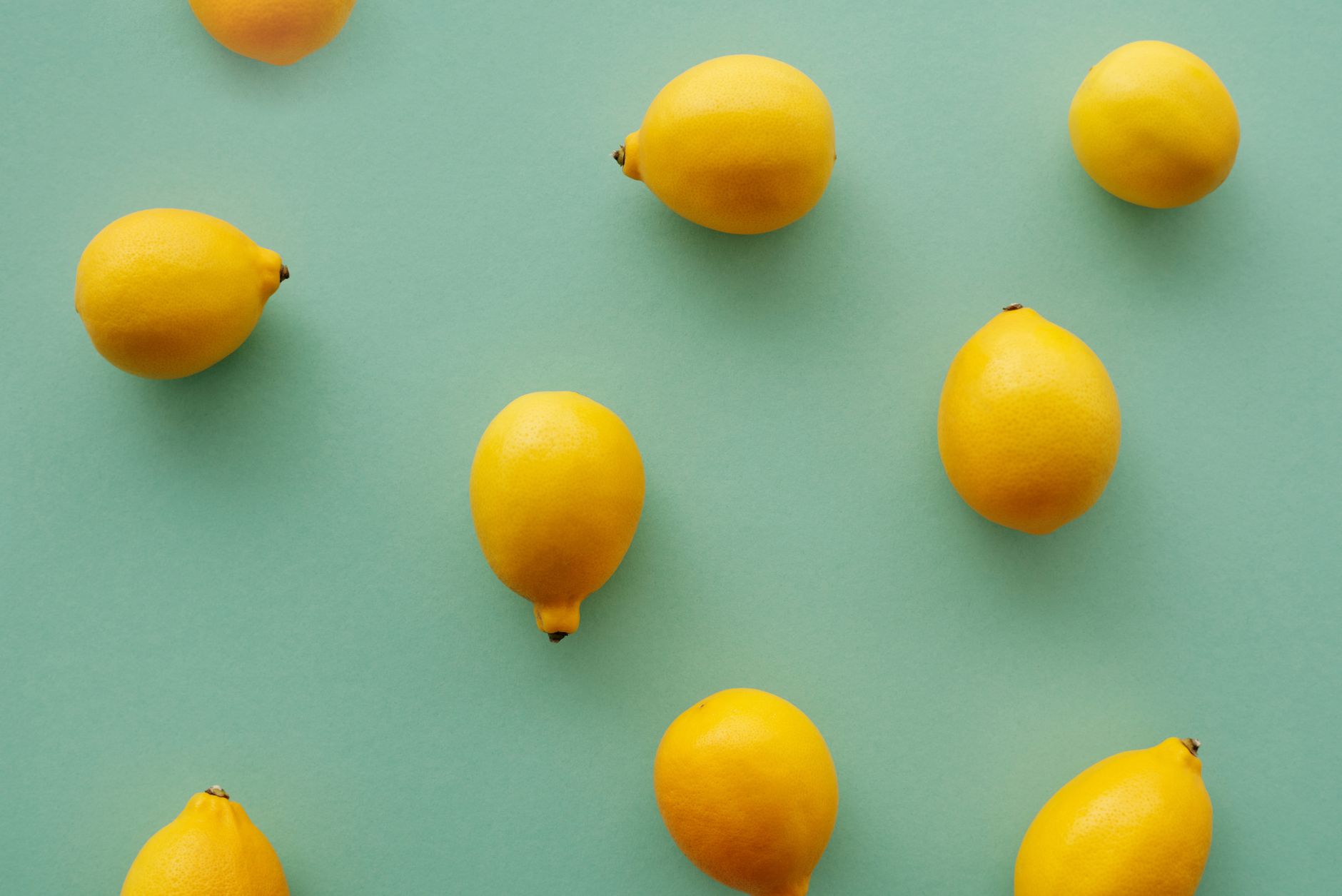
If you often find yourself with fresh lemons and wonder if you can freeze whole lemons for later use, youre not alone. Freezing whole lemons is a handy way to preserve their bright flavor and reduce waste. This method is practical, but it requires a bit of know-how to keep the zest, juice, and pulp intact without losing quality. In this guide, youll learn how to freeze whole lemons properly, the benefits and drawbacks, and creative ways to use them once frozen. Lets explore the best practices for storing lemons that fit your Halal and health-conscious lifestyle.
How to Freeze Lemons
Can you really freeze whole lemons without losing flavor?
Yes, freezing whole lemons is possible without significant loss of flavor, but understanding the effects of freezing on citrus helps set expectations. According to the USDA FoodData Central, freezing preserves most nutrients in lemons, including vitamin C and antioxidants. However, the cellular structure changes as water inside the lemon expands into ice crystals, often softening the fruits texture. While the peel and pulp might become mushy once thawed, the juice and zest remain flavorful. This makes frozen whole lemons perfect for juicing and zesting even if their texture isnt ideal for slicing fresh.
Whats the best way to prepare lemons before freezing?
Preparing whole lemons correctly before freezing ensures you maximize their shelf life and flavor retention. Start by washing each lemon under cool running water to remove dirt or residues. Pat dry thoroughly with a clean towel to prevent ice crystals forming on the surface during freezing.
Next, you can either freeze the lemon as is or slightly prick the skin with a fork 3-4 times. This tiny puncturing helps avoid bursting from internal pressure during freezing. Some prefer to slice lemons into halves or quarters before freezing for easier juicing later, but freezing whole lemons keeps them versatile for multiple uses.
- Wash and dry lemons completely.
- Optional: Poke the skin lightly with a fork.
- Place lemons in a single layer inside an airtight freezer bag or container.
- Remove excess air to prevent freezer burn.
- Label with the freezing date for easy tracking.

How long do frozen whole lemons last in the freezer?
Frozen whole lemons will generally last 3 to 4 months in the freezer while maintaining good flavor and safety. After this period, quality may gradually decline, with more noticeable texture changes and flavor loss. Using thick freezer bags or rigid containers helps extend shelf life by preventing freezer burn. Always label your lemons with the freezing date so you use the oldest ones first.
For best results, store frozen lemons in the coldest part of your freezer, not the door. Freezing lemons preserves the freshness better than leaving them at room temperature or in the fridge for weeks, where spoilage occurs much faster.
Benefits and Drawbacks
What are the advantages of freezing lemons whole?
Freezing whole lemons offers several benefits, especially for health-conscious home cooks interested in Halal-certified ingredients. Firstly, it‘s convenientyou can freeze lemons as soon as you buy them, eliminating waste from unused fruit. Frozen lemons retain most nutrients, which means you wont lose the vitamin C punch essential for immunity and skin health.
Frozen whole lemons are also versatile. You can grate zest directly from frozen or slice thawed lemons for cooking and beverages. Plus, it‘s time-saving to have lemons ready to juice anytime without frequent shopping trips.
Many find freezing whole lemons a practical way to enjoy vibrant citrus for months without preservatives or additives. According to certified Halal food guidelines, freezing is a safe preservation method that doesnt compromise compliance, as long as utensils and packaging remain free from cross-contamination.

Are there any risks or downsides?
One downside is the texture change. Frozen whole lemons become mushy and lose their firm bite when thawed. This isnt ideal if you want fresh slices for garnishing drinks or salads. Also, the peel can become softer and may separate more easily from the flesh.
| Aspect | Freezing Whole Lemons | Freezing Lemon Slices or Juice |
|---|---|---|
| Texture | Softens, some mushiness on thawing | Better control over texture |
| Convenience | Simple, freeze as-is | Requires pre-slicing or juicing |
| Usage Flexibility | Good for zest and juice | Best for juice or cooking use |
| Storage Space | Takes more space whole | More compact in frozen containers |
Still, many find frozen whole lemons ideal when juicing or zesting, especially when fresh lemons are out of season or pricey. Its a trade-off, and understanding this helps you choose the best storage method for your cooking style.
Creative Uses
How can you use frozen whole lemons in cooking and drinks?
Frozen whole lemons lend themselves beautifully to many kitchen uses. You can grate the zest directly from frozen lemons over dishes like seafood, rice, or salads. When ready to juice, thaw the lemon for about 10 minutes at room temperature. The juice runs easier and tastes fresh.
Try adding frozen lemon slices to iced drinks or infusions for a refreshing citrus boost. Frozen lemons also make flavorful additions to marinades, dressings, and saucesjust squeeze them directly or chill them for zest.
For a simple but refreshing twist, drop a frozen lemon wedge into warm water, lightly squeezing it for a mild, aromatic beverage loaded with vitamin C and natural alkalizing compounds.
Can frozen lemons be used for preserving or fermenting?
Frozen lemons differ from traditionally preserved lemons common in Middle Eastern or Moroccan kitchens. The freezing process softens and partially breaks down the peel and flesh, which isnt ideal for fermenting or pickling that relies on intact rinds. For fermentation, whole fresh lemons preserved in salt or brine are preferred.
However, frozen lemons can act as a convenient base when you want to make homemade lemon syrups or infusions combined with herbs or spices. Just defrost and blend with sugar or natural sweeteners to create bright, healthy concentrates, ideal for Halal diets that emphasize clean-label ingredients.
Alternatives to Freezing
How to freeze lemon slices or juice instead pros and cons
Freezing lemon slices or extracted juice is a popular alternative. Slicing lemons before freezing makes it easier to defrost only what you need. You can lay slices flat on parchment paper, freeze, then transfer to freezer bags. This method reduces mess and saves freezer space.
Similarly, freezing lemon juice in ice cube trays creates convenient portions. Once frozen, pop the cubes into a labeled freezer bag for later use. This method preserves aroma and vitamin C well but lacks zest benefits.
The downside: both methods require initial prep time and possibly waste leftover peel. Whole lemon freezing remains the fastest option with minimal handling.
Other methods for storing fresh lemons
If freezing isnt your preference, fresh lemons can last up to 34 weeks stored properly in the refrigerator crisper drawer in a plastic bag. At room temperature, they keep about 57 days before drying out.
Alternative preservation includes dehydrating lemon peels for zest or making lemon-infused salts or sugars. These options maintain zest flavor and shelf life but dont store the juicy pulp.
Technical kitchen tools like an electric pepper grinder can grind dehydrated lemon peels for bright flavor finishes on meat or side dishes. Using tools designed for dry ingredients offers new ways to enjoy your lemons beyond freezing.
When is the best time to eat/drink frozen whole lemons?
Frozen whole lemons are best used within 3 to 4 months. After thawing, consume them quickly, ideally within 24 hours, to enjoy maximum flavor. Use thawed lemons in recipes or drinks soon because their softened texture does not store well once defrosted.
Can you freeze lemons with the peel on?
Yes, freezing lemons with the peel on is common and recommended. The peel protects the fruit and contains valuable oils used for zesting. Just ensure lemons are clean and dry before freezing to prevent freezer burn and clumping.
Will frozen lemons be mushy?
Frozen lemons tend to become soft and mushy after thawing due to water expanding inside the cells as it freezes. This texture change means theyre best suited for juicing or zesting rather than slicing fresh.
Does freezing lemons affect nutritional value?
Freezing retains most nutrients in lemons, especially vitamin C and antioxidants, according to the USDA FoodData Central. Minimal loss occurs during freezing and thawing, making it a healthy preservation method for Halal-conscious diets.
How to thaw frozen lemons safely?
Thaw lemons by placing them at room temperature for 10-15 minutes. Avoid microwaving or hot water, which can degrade flavor. After thawing, use the whole lemon within one day for best taste and safety.
Can frozen lemons be used directly for zesting?
Yes, frozen lemons are often easier to zest because the peel softens slightly and the oils release more readily. Zest directly from frozen or after partial thawing for best results in recipes.
Tips for Best Results
- Remove excess air from freezer bags to prevent freezer burn and flavor loss.
- Label bags with dates and use older lemons first to maintain quality.
- Freeze lemons individually on a tray before bagging for easy portioning.
- Use Halal-certified freezer bags to maintain compliance with dietary standards.
- Combine frozen lemon juice with herbs or spices in syrup for tasty, preservative-free concoctions.
- Try alternative freezing methods like lemon slices or juice cubes based on cooking frequency and freezer space.
For example, freezing lemon slices in single layers helps you use just what you need without thawing the entire fruit. Similarly, check out related tips to freeze corn on cob for guidance on storing fresh produce efficiently.
Conclusion
Freezing whole lemons is a convenient way to preserve bright citrus flavor while supporting a health-conscious, Halal-friendly kitchen. While texture changes limit fresh slicing, frozen lemons still provide nutritious zest and juice for cooking and beverages. By following simple preparation and storage steps, you can extend your lemons shelf life and reduce waste. Next time you stock up on lemons, try freezing whole lemons and explore new recipes or refreshing drinks with your preserved citrus. Feel free to share your experiences or ask questions below!
FAQs
Is freeze whole lemons actually Halal — what should I check on the label?
Yes, freezing whole lemons is Halal-safe as long as the lemons and packaging remain free from cross-contamination with non-Halal products. Look for Halal certification on freezer bags or containers and ensure your utensils are clean and Halal-compliant.
When is the best time to eat or drink freeze whole lemons?
Frozen whole lemons are best used within 3 to 4 months for optimal flavor and nutrition. After thawing, consume them within 24 hours since the texture softens and quality declines quickly.
How long do frozen whole lemons last after opening or thawing?
Frozen whole lemons should be used within one day after thawing to maintain freshness and flavor. Once thawed, their texture becomes mushy, so consume quickly or use them promptly in cooking or drinks.
What is the difference between freezing whole lemons and freezing lemon juice or slices?
Freezing whole lemons is simple and preserves zest and juice but softens texture. Freezing slices or juice allows portion control and saves space but requires prep time and loses zest benefits.
Where can I buy lemons suitable for freezing and Halal diets?
Buy fresh lemons at local grocery stores, farmers markets, or Halal-certified food shops. Choose firm, bright lemons with intact peels for best freezing results and be sure to use Halal-certified storage containers.