Ever wondered why some potatoes stay firm and hold their shape after cooking, while others turn soft and fluffy? Understanding the difference between waxy vs starchy potatoes will change the way you cook forever. Waxy potatoes keep a tight texture perfect for roasting and salads, while starchy potatoes break down easily to create smooth, creamy mashed potatoes. This guide breaks down what each potato type is, when to choose them, and how to cook them perfectly every time.
Potato Differences Explained
What Defines Waxy vs Starchy Potatoes?
The main difference between waxy and starchy potatoes lies in their starch and moisture content. Waxy potatoes contain less starch (about 6-10%) and more moisture, which keeps their texture firm and moist after cooking. Starchy potatoes, like Russets, have a high starch content (around 20%) and lower moisture, making them fluffy and dry when cooked.
Because starch absorbs water and swells, starchy potatoes tend to break apart or become crumbly. Waxy types hold their shape well due to the lower starch and denser cellular structure.
| Characteristic | Waxy Potatoes | Starchy Potatoes |
|---|---|---|
| Starch Content | 610% | 20% or higher |
| Moisture | Higher | Lower |
| Texture when cooked | Firm, smooth, moist | Fluffy, dry, mealy |
| Best cooking uses | Roasting, boiling, salads | Mashing, baking, frying |
According to the USDA FoodData Central, this starch content heavily influences each potato‘s cooking qualities, so knowing the type will help you cook smarter.
How Texture and Cooking Properties Differ
When heated, starch granules absorb water and swell. High-starch potatoes swell more, softening and breaking apart easily. Waxy potatoes lower starch keeps them firmer and less prone to falling apart. This makes waxy potatoes ideal when you want distinct chunks after cooking, while starchy types excel when a creamy, smooth texture is desired.
Want to make a hearty potato salad with firm chunks or crispy roast potatoes? Reach for waxy. Craving fluffy mashed potatoes that melt on your tongue? Starchy is the way.
Best Uses for Waxy Potatoes
Why Waxy Potatoes Are Perfect for Roasting and Boiling
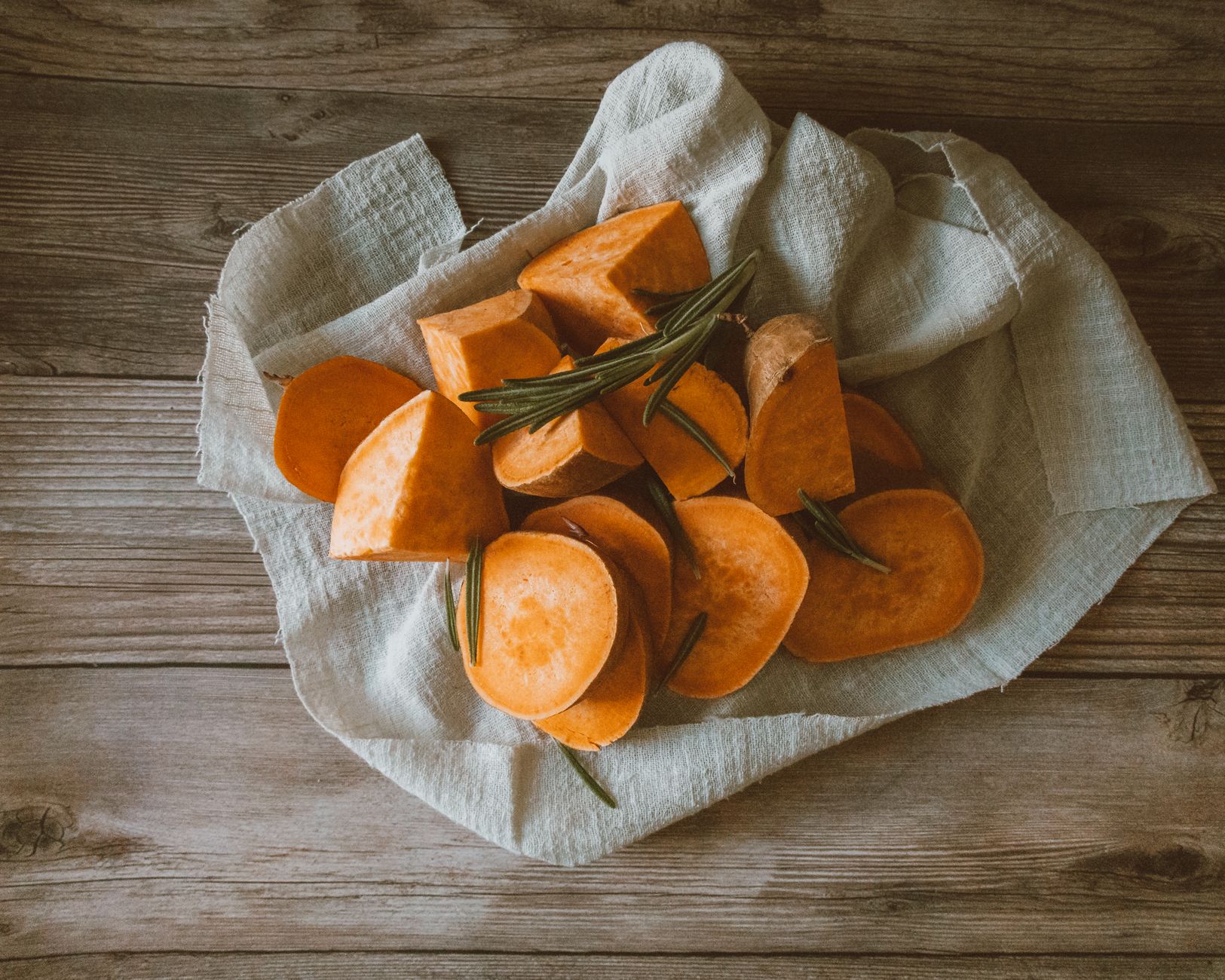
Waxy potatoes hold their shape better during cooking because of their dense texture. When roasted, they develop crispy exteriors while remaining tender inside. Their low starch content prevents them from turning mushy or falling apart in soups or salads.
This sturdiness makes them favorites for boiling whole or sliced in dishes where you want that integrity think potato salads or casseroles. The skins are often thinner and add lovely texture and flavor when cooked.
Classic waxy varieties like Red Bliss and Fingerling potatoes have naturally buttery flavors that shine when prepared with simple seasoning and olive oil.
Popular Waxy Potato Varieties
- Red Bliss: Smooth red skin, firm flesh, perfect for boiling and salads.
- Fingerling: Small, elongated shape, great for roasting whole with herbs.
- New Potatoes: Baby potatoes harvested early, tender skins, ideal for steaming or boiling.
These varieties are often Halal-friendly and widely available in certified organic and local markets, aligning well with health-conscious choices.
Cooking Tips for Waxy Potatoes
- Roasting: Preheat oven to 425F (220C). Toss waxy potatoes with olive oil, salt, pepper, and herbs like rosemary. Roast on a baking sheet for 2535 minutes, turning halfway for even crisping.
- Boiling: Place whole potatoes in cold salted water. Bring to a boil, then simmer for 1520 minutes until fork-tender but firm. Drain and cool slightly before adding to salads.
- Salads: Use waxy potatoes for warm salads with vinaigrettes to keep the chunks intact without mushiness.
Best Uses for Starchy Potatoes
Why Starchy Potatoes Are Best for Baking and Mashing
With their high starch content, starchy potatoes absorb liquids and fats well. This makes them ideal for mashing since they easily break down into a smooth, fluffy texture. The fluffy nature also helps them crisp well in baking and frying applications, producing tender insides with crispy skins.
Starchy potatoes give mashed potatoes a light, velvety feel, ideal when butter and cream mix in for richness. Their ability to fluff up separates them from waxy types that can turn gluey when mashed.
Recommended Starchy Potato Varieties
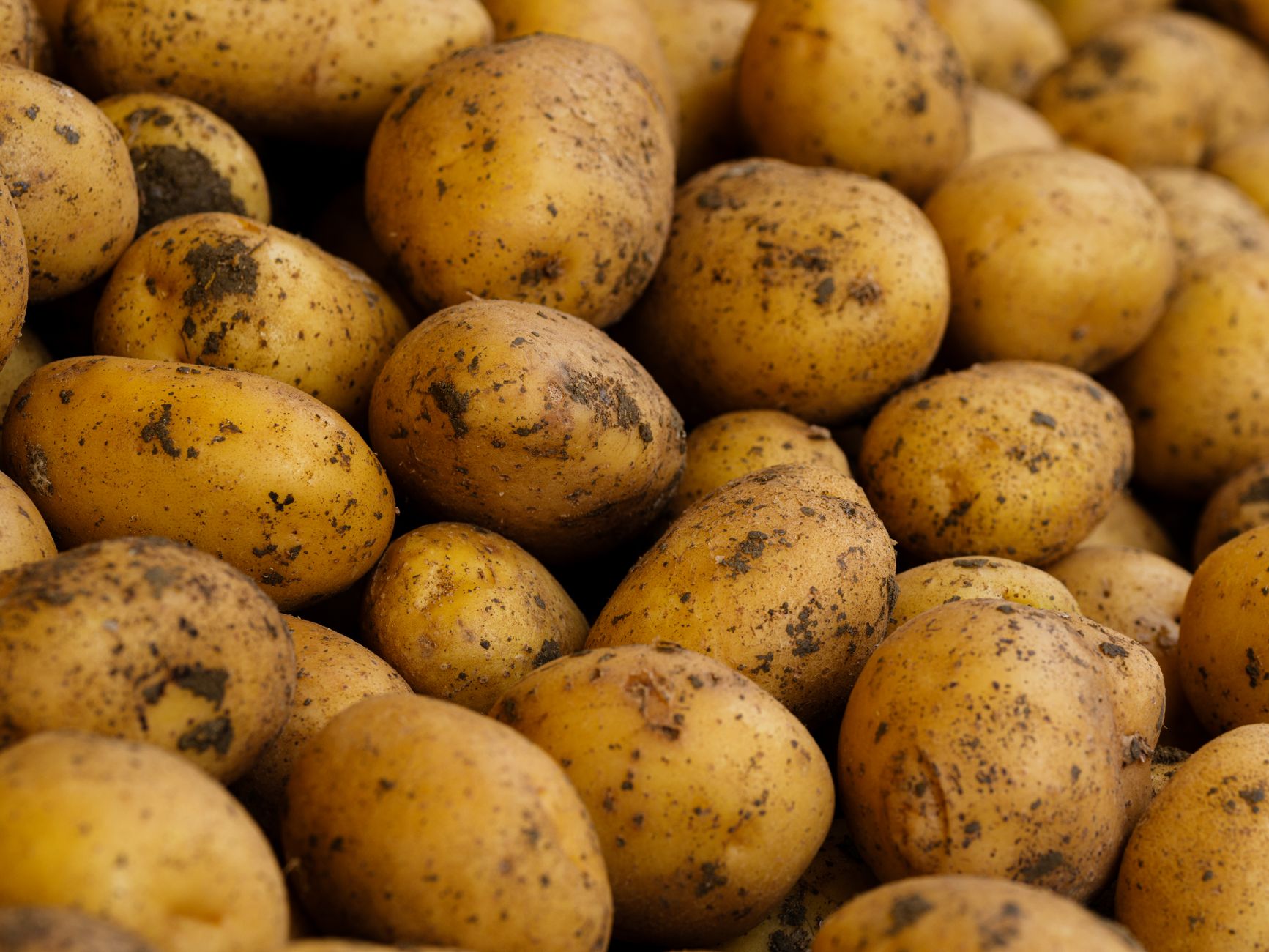
- Russet: Classic baking potato with thick skin and fluffy white interior.
- Idaho: Popular in the U.S. for fries and baking, similar properties to Russets.
- Maris Piper: Favored in the UK for chips (fries) and roasting.
Many of these varieties come with Halal certification options, reassuring you of clean and trustworthy sourcing according to JAKIM or IFANCA standards.
Cooking Starchy Potatoes for Perfect Mash
- Peel and chop potatoes
- Boil in salted water for 1520 minutes or until very tender when pierced with a fork.
- Drain thoroughly to avoid watery mash, then mash immediately while hot.
- Add warm butter and cream gradually, mixing gently for a creamy yet airy texture.
- Avoid overmixing to prevent gluey results.
Chef experts recommend using a hand masher or ricer over a food processor for the fluffiest consistency.
All-Purpose Potatoes
What Are All-Purpose Potatoes?
All-purpose potatoes fall between waxy and starchy types in starch and moisture content. They offer moderate firmness and medium starch, making them versatile for many cooking methods.
They wont be as fluffy as Russets nor as firm as Fingerlings but can still perform well for boiling, roasting, and mashing in a pinch.
When to Choose All-Purpose Potatoes
Choose all-purpose varieties when you want flexibility and convenience. They are the middle ground potatoes that handle different recipes well without standing out in one particular way.
Popular Varieties and Tips
- Yukon Gold: Smooth skin, buttery flavor, holds shape but mashable.
- Kennebec: Great frying and roasting choice, mildly starchy.
| Type | Main Uses | Texture |
|---|---|---|
| Waxy | Boiling, salads, roasting | Firm, smooth |
| Starchy | Mashing, baking, frying | Fluffy, mealy |
| All-Purpose | Versatile: boiling, mashing, roasting | Moderate firmness |
Cooking Tips Based on Potato Type
Waxy Potato Cooking Tips
- Keep skins on to retain moisture and nutrients.
- Dont overboil to avoid sogginess.
- Roast at high heat (425F) for crispy edges and tender centers.
Starchy Potato Cooking Tips
- Peel before mashing for a silky finish.
- Drain well to prevent watery mash.
- Bake at 400F for 4560 minutes for fluffy interiors.
Common Cooking Mistakes to Avoid
- Using waxy potatoes for mash results tend to be gluey and dense.
- Overcooking waxy potatoes they stay firm, but excessive heat can dry them out.
- Under-seasoning potatoes absorb salt differently; season cooking water and final dish.
Cheap Groceries For Your Pantry
If you want to stock up on essentials without breaking the bank, check out our guide on Cheap groceries. It features trusted Halal-certified options to keep your meals affordable and wholesome.
Best Foods Mayonnaise Pairings
Looking to elevate your potato salad? Consider pairing with the best foods mayonnaise perfect for a creamy, Halal-friendly dressing that complements waxy potatoes brilliantly.
Is Waxy vs Starchy Potatoes Actually Halal What Should I Check?
Potatoes themselves are naturally Halal. However, to ensure your purchase aligns with Halal standards, look for certification logos from bodies like JAKIM, HMC, or IFANCA on packaging. These guarantee the potatoes were processed without cross-contamination with Haram substances.
When Is the Best Time to Eat Potatoes?
Potatoes are versatile and can be enjoyed any time of day, but they make especially satisfying meals during lunch or dinner. Their high carbohydrate content provides sustained energy, making them great for active days or after fasting during Ramadan.
Can I Use Waxy Potatoes for Mashed Potatoes?
While you can mash waxy potatoes, expect a denser, less fluffy texture. Their low starch content means they wont break down as smoothly. For creamier mashed potatoes, starchy varieties are preferable.
How Should I Store Potatoes to Keep Them Fresh?
Store potatoes in a cool, dark, and well-ventilated place around 4550F (710C). Avoid the fridge as cold temps convert starch to sugar, affecting flavor and texture. Properly stored potatoes keep for 35 weeks.
Can I Freeze Cooked Potatoes?
Yes, cooked potatoes can be frozen, but their texture may change, becoming watery or grainy upon thawing. It is best to freeze mashed potatoes with added cream or butter for better texture retention, up to 3 months.
Are All Potato Skins Safe to Eat?
Most potato skins are safe and nutritious, containing fiber and vitamins. However, avoid green or sprouted potatoes, as they contain solanine, a toxin that can cause illness.
What Is the Healthiest Way to Cook Potatoes?
Boiling or roasting potatoes with minimal oil and without frying keeps them low in calories and preserves nutrients. Pairing with healthy oils like olive oil and adding herbs keeps your meal wholesome and Halal-certified.
Cooking Tips: Expert Techniques
For waxy potatoes, try parboiling before roasting to reduce cooking time and achieve extra crispiness without drying out the inside. Pat dry after boiling to ensure the oil sticks well.
When mashing starchy potatoes, warm your cream and butter before adding. Cold dairy can cool the mash and create lumps.
Also, salt the cooking water generously. Potatoes absorb salt well during boiling, enhancing natural flavor and reducing the need to over-season later.
If you want to add an expert touch, consider mixing in fresh herbs like chives or rosemary into mashed potatoes for a fragrant upgrade.
More You Might Like
- Explore ways to save on kitchen staples with our guide on Cheap groceries, making wholesome meals affordable and easy.
- Discover flavorful ways to elevate your potato dishes by pairing them with the best foods mayonnaise that complement Halal diet preferences.
Conclusion
Knowing the difference between waxy vs starchy potatoes makes all the difference in your cooking. Waxy potatoes stay firm and perfect for roasting or salads, while starchy potatoes create velvety mashed potatoes and crispy bakes. Next time you shop, check the type and pick accordingly to elevate your dishes effortlessly. Feel free to share your favorite potato recipes or questions were here to help!
FAQs
Is Waxy vs starchy potatoes actually Halal — what should I check on the label?
Potatoes themselves are naturally Halal. To ensure Halal compliance, check for certification logos from recognized bodies like JAKIM, HMC, or IFANCA on the packaging to confirm no contamination with Haram substances.
How long do potatoes last after opening or purchase?
When stored properly in a cool, dark, and ventilated place around 45-50°F (7-10°C), potatoes can last 3-5 weeks. Avoid refrigeration to prevent starch converting to sugar, which affects flavor and texture.
What is the main difference between waxy and starchy potatoes?
Waxy potatoes have lower starch and higher moisture, keeping them firm when cooked, ideal for roasting and salads. Starchy potatoes have higher starch and lower moisture, breaking down easily for fluffy mashed potatoes and baking.
Can I buy Halal-certified potatoes easily?
Yes, many potato varieties come with Halal certification from trusted authorities. Look for labels or buy from suppliers specializing in Halal produce to ensure proper handling and processing.
Are waxy or starchy potatoes better for a healthy diet?
Both types can fit into a healthy diet. Waxy potatoes retain nutrients well when boiled or roasted, while starchy potatoes provide sustained energy. Choose cooking methods with minimal oil to keep calories low and preserve nutrition.