You whisk the batter, pour a perfect circle into the pan, and then wait. The edges bubble. You slide the spatula under, flip, and watch it land crooked. The other side burns. Breakfast feels like a chore before you even take a bite. That is exactly why scramble pancakes deserve a spot in your morning rotation. This simple twist on a classic breakfast saves time, cuts frustration, and still delivers the same buttery, fluffy goodness you crave. No flipping required.
Instead of forming individual rounds, you pour the batter directly into the hot skillet and stir it as it cooks. The batter breaks into soft, golden curds similar to scrambled eggs but with the sweet, tender flavor of a pancake. It sounds unconventional. It works beautifully. This guide walks you through everything: the method, the ingredients, the common mistakes, and the surprising benefits of making your pancakes this way.

What Are Scramble Pancakes and Why Try Them?
Scramble pancakes are exactly what the name suggests pancake batter cooked in a scrambled style rather than poured into individual rounds. You pour the batter into a hot, greased skillet and then stir it gently as it sets. The result looks like a bowl of soft, fluffy pancake pieces instead of a flat stack.
Who Should Try Scramble Pancakes?
Scramble pancakes are perfect for anyone who wants a quick breakfast without the hassle of flipping. If you have ever ruined a pancake because you flipped too early or burned the second side while the first was still raw, this method removes that problem entirely. It also works well for feeding a crowd you can cook the entire batch of batter in one pan in under ten minutes. Busy parents, college students, and weekend brunchers all benefit from this technique.
How Do Scramble Pancakes Differ from Traditional Pancakes?
Traditional pancakes require patience. You pour, wait for bubbles, flip, and wait again. The process repeats until you have a stack. Scramble pancakes skip the flipping entirely. The batter cooks evenly because you keep it moving in the pan. The texture changes slightly too you get more surface area for browning, which means more crispy edges mixed with soft, tender bites. The flavor stays the same. The texture becomes more interesting.
How to Make Scramble Pancakes Step-by-Step Guide
This recipe uses basic pantry ingredients. The technique is straightforward. Follow these steps and you will have a warm, satisfying breakfast in under fifteen minutes.
Scramble Pancakes Recipe Step by Step
| Prep time | 5 minutes |
| Cook time | 8 minutes |
| Total time | 13 minutes |
| Servings | 2 |
| Calories | Approx. 320 per serving |
| Diet tags | Halal, vegetarian. Can be made gluten-free with flour substitution. |
Ingredients Youll Need for Scramble Pancakes
- 1 cup all-purpose flour (or gluten-free 1:1 blend)
- 1 tablespoon granulated sugar
- 1 teaspoon baking powder
- 1/4 teaspoon salt
- 3/4 cup milk (dairy or plant-based)
- 1 large egg
- 2 tablespoons melted butter or neutral oil
- 1/2 teaspoon vanilla extract
The Simple Cooking Process Explained
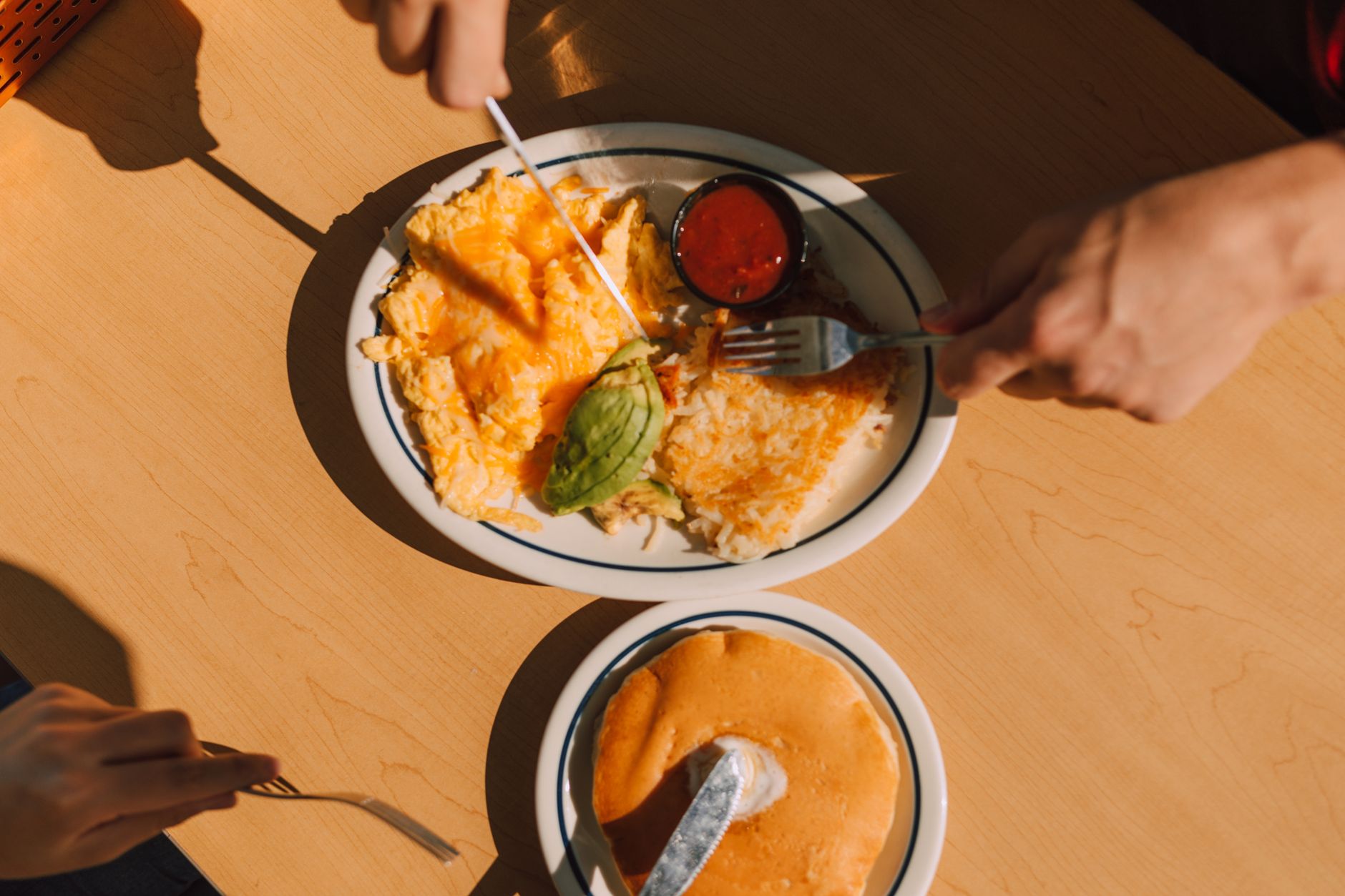
Whisk the dry ingredients together in a medium bowl. In a separate bowl, whisk the milk, egg, melted butter, and vanilla until smooth. Pour the wet ingredients into the dry ingredients and stir until just combined. A few lumps are fine. Do not overmix that makes the pancakes tough. Heat a non-stick skillet over medium heat for two minutes. Add a teaspoon of butter or oil and let it melt. Pour the entire batter into the center of the skillet. Let it sit untouched for 20 seconds. Then, using a silicone spatula, begin stirring the batter in a folding motion similar to how you scramble eggs. Continue stirring gently for about 8 minutes, until the batter breaks into soft golden curds and no wet batter remains. Remove from heat immediately to prevent overcooking.
Common Mistakes and How to Avoid Them
- Batter too thick: Add an extra tablespoon of milk until the batter flows easily. Thick batter creates dense, dry curds.
- Pan too hot: Medium heat is crucial. High heat burns the outside while the inside stays raw. If the butter browns immediately, your pan is too hot.
- Overmixing: Stir just until the flour disappears. Overmixed batter develops too much gluten, making the scramble pancakes chewy instead of fluffy.
- Stirring too aggressively: Gentle folding keeps the curds tender. Rough stirring breaks them into tiny, dry crumbs.
Benefits and Possible Drawbacks of Scramble Pancakes
Why Scramble Pancakes Can Save You Time
One batch cooks in a single pan. You do not stand at the stove flipping individual pancakes for twenty minutes. Cleaning up is faster too one skillet, one spatula, one bowl. For busy mornings when every minute counts, this method turns a sit-down breakfast into a realistic option. You can also add mix-ins like blueberries or chocolate chips directly into the pan as you stir, which saves another step.
Nutritional Considerations
Scramble pancakes share the same base ingredients as traditional pancakes, so the nutrition profile is similar. Each serving contains roughly 320 calories, 12 grams of fat, 42 grams of carbohydrates, and 9 grams of protein. You can boost the protein by substituting half the flour with oat flour or adding a scoop of unflavored protein powder. For a lower sugar version, reduce the sugar to one teaspoon or skip it entirely and top with fresh fruit instead of syrup.
Are You Missing Out on Classic Pancake Texture and Taste?
The flavor remains identical sweet, buttery, and comforting. The texture is where things change. You lose the distinct spongy interior of a perfectly cooked round pancake. Instead, you get a mix of soft bites and crisp, browned edges. Some people prefer this variety. Others miss the uniform fluffiness of a stacked pancake. If you fall into the second group, try pressing the batter into the pan with the spatula after two minutes of scrambling this creates larger, flatter pieces that feel closer to traditional pancakes.
Scramble Pancakes Compared to Other Quick Breakfast Ideas
Quick Breakfast Ideas for Busy Mornings
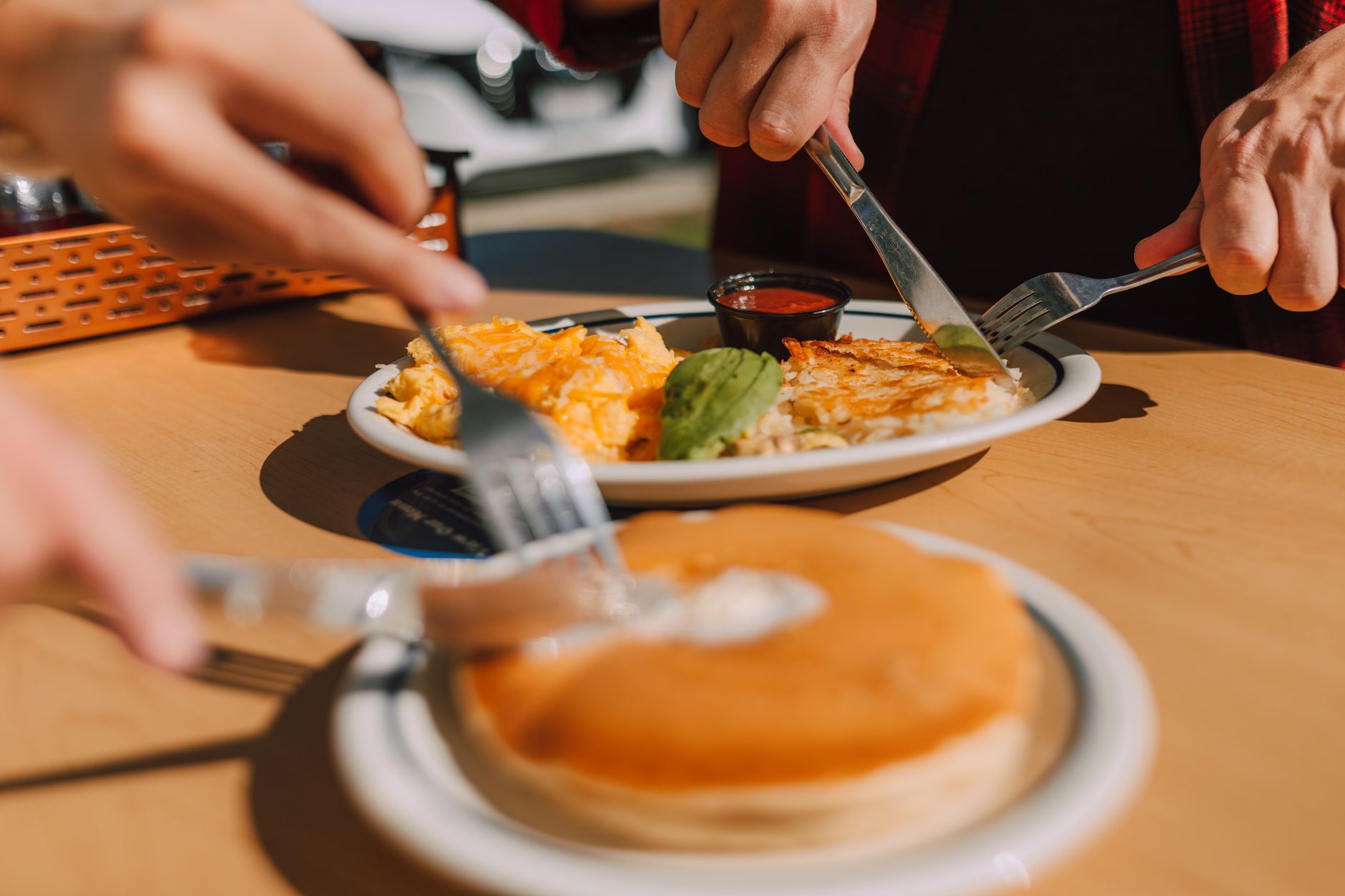
Overnight oats, smoothie bowls, and yogurt parfaits all save time but leave you craving something warm. Scramble pancakes fill that gap. They take the same amount of prep time as a smoothie but offer the comfort of a hot, satisfying meal. If you typically reach for cereal or toast, this is an easy upgrade that requires almost no extra effort.
Scramble Pancakes vs. Traditional Pancakes: Which Is Better?
| Factor | Scramble pancakes | Traditional pancakes |
| Prep time | 13 minutes total | 2025 minutes total |
| Texture | Mixed soft and crispy edges | Uniform spongy interior |
| Ease | Very easy, no flipping | Requires flipping skill |
| Cleanup | One pan, one bowl | Griddle or multiple pans |
| Presentation | Rustic, bowl-style | Classic stack on a plate |
Exploring Other Pancake Alternatives
Pancake muffins, baked pancake casseroles, and pancake wraps all offer variations on the theme. Scramble pancakes are the fastest option among them. If you have tried those other styles and want something even simpler, this method is the logical next step. It also pairs beautifully with savory sides like restaurant sandwiches for a full brunch spread.
Expert Tips and Tricks for Perfect Scramble Pancakes Every Time
Adjusting Batter Consistency for Different Results
For fluffier curds, add an extra tablespoon of milk to thin the batter slightly. The thinner batter spreads faster and creates more air pockets as it cooks. For denser, more substantial pieces, add one extra tablespoon of flour. This produces curds that hold their shape better and feel more filling. Experiment with both versions to find your preferred texture.
Flavor Variations to Try
- Savory scramble: Add 1/4 cup shredded cheddar cheese and a pinch of black pepper to the batter. Cook as directed. Top with chopped chives.
- Berry burst: Fold 1/2 cup fresh blueberries or raspberries into the batter right before pouring into the pan. The berries burst as they cook, adding pockets of tart sweetness.
- Spiced apple: Stir in 1/2 teaspoon cinnamon and 1/4 cup finely diced apple. Cook as directed. Serve with a drizzle of maple syrup.
Breakfast Cooking Tips to Maximize Your Morning Routine
Prep the dry mix the night before. Store it in a sealed jar. In the morning, just whisk in the wet ingredients and cook. This cuts your prep time to two minutes. Store leftover scramble pancakes in a sealed container in the refrigerator for up to five days. Reheat in a dry skillet over medium heat for two minutes the microwave makes them rubbery. For a savory pairing, serve alongside broccoli cheese casserole for a complete meal.
Storage and Reheating Guide
Cooked scramble pancakes keep well in the refrigerator for 57 days when stored in a sealed container. To freeze, spread the cooked pieces on a baking sheet and freeze for one hour. Transfer to a freezer bag. They keep for up to three months. Reheat directly from frozen in a non-stick skillet over medium heat for 4 minutes, stirring occasionally. Do not thaw before reheating that makes the texture mushy.
When Is the Best Time to Eat Scramble Pancakes?
Scramble pancakes work best as a breakfast or brunch dish. Their quick cooking time makes them ideal for weekday mornings when you need something warm but have limited time. They also work as a late-night snack because you can make a single serving in about eight minutes. If you are serving them for a crowd, prepare a double batch and keep it warm in a low oven until everyone is ready.
Can I Freeze Leftover Scramble Pancakes?
Yes. Freeze them in a single layer on a baking sheet for one hour, then transfer to a freezer-safe bag. They last up to three months. Reheat directly from frozen in a dry skillet over medium heat for 4 minutes, stirring occasionally. Do not microwave it turns the pieces rubbery.
What Mix-Ins Work Best for Scramble Pancakes?
Small, evenly sized mix-ins work best. Chocolate chips, blueberries, chopped nuts, and diced bananas all distribute well. Avoid large chunks like whole strawberries or thick slices of apple they do not cook evenly. Add mix-ins directly to the pan after you pour the batter, then stir gently to distribute.
Can I Make Scramble Pancakes with Gluten-Free Flour?
Yes. Use a 1:1 gluten-free baking blend that contains xanthan gum. The batter may be slightly thinner, so reduce the milk by one tablespoon. Cook as directed. The texture will be slightly more delicate, but the flavor stays the same.
Are Scramble Pancakes Healthier Than Regular Pancakes?
The base nutrition is nearly identical because the ingredients are the same. Scramble pancakes do allow you to use less butter or oil for cooking since the batter is stirred rather than fried flat. You also tend to eat slightly smaller portions because the pieces feel more substantial. For a healthier version, use whole wheat flour and reduce the sugar.
Can I Add Protein Powder to the Batter?
Yes. Replace two tablespoons of flour with one scoop of unflavored or vanilla protein powder. Add one extra tablespoon of milk to balance the thicker batter. The protein powder may make the scramble pancakes slightly denser, but the flavor remains mild.
What Is the Best Pan for Scramble Pancakes?
A 10-inch non-stick skillet works best. The non-stick surface allows you to stir without the batter sticking and burning. Cast iron also works but requires more butter to prevent sticking. Avoid stainless steel the batter will stick and create uneven pieces.
Pro Tips for the Best Scramble Pancakes
The most common mistake is using a pan that is too hot. Medium heat is non-negotiable. Test your pan by dropping a small spoonful of batter onto the surface it should sizzle gently, not aggressively. If the batter immediately darkens around the edges, lower the heat and wait two minutes before trying again. Another expert upgrade: let the batter rest for five minutes after mixing. This allows the gluten to relax and the baking powder to activate, which produces lighter, fluffier curds.
More You Might Like
If you enjoyed this quick breakfast method, check out our guide to making perfect restaurant sandwiches at home the same principle of simple techniques delivering big flavor applies there too. For a hearty side dish that pairs beautifully with scramble pancakes, try our broccoli cheese casserole recipe.
Conclusion
Scramble pancakes prove that you do not need to flip, wait, or stress to enjoy a warm, satisfying breakfast. This method cuts your cooking time in half, reduces cleanup, and delivers the same sweet, buttery flavor you love in a fresh, rustic texture. Next time you reach for the mixing bowl, skip the griddle and grab a skillet instead. Try it once and you will wonder why you ever bothered flipping in the first place.
FAQs
When is the best time to eat Scramble pancakes?
Scramble pancakes work best as a breakfast or brunch dish. Their quick cooking time makes them ideal for weekday mornings when you need something warm but have limited time. They also work as a late-night snack because you can make a single serving in about eight minutes.
How long do scramble pancakes last in the refrigerator?
Cooked scramble pancakes keep well in the refrigerator for 5 to 7 days when stored in a sealed container. For longer storage, freeze them in a single layer on a baking sheet for one hour, then transfer to a freezer bag. They last up to three months.
How do scramble pancakes differ from traditional pancakes?
Scramble pancakes skip the flipping step entirely. The batter is stirred in the pan, producing soft golden curds with a mix of crispy edges and tender bites. Traditional pancakes have a uniform spongy interior and require individual flipping. Scramble pancakes cook faster and use only one pan.
Is it safe to eat scramble pancakes every day?
Yes, scramble pancakes are safe to eat daily as part of a balanced diet. Their nutrition is similar to traditional pancakes. For a healthier version, use whole wheat flour, reduce sugar, or add protein powder. Adjust ingredients to meet your dietary needs without compromising safety.
Where can I buy pancake mix for making scramble pancakes?
Pancake mix for scramble pancakes is available at most grocery stores, supermarkets, and online retailers. Look for standard pancake mixes or gluten-free blends. You can also make the batter from scratch using the simple recipe provided in this guide.