Hey there ever stood in the kitchen wondering how to sneak more nutrients into your childs day without bribing, pleading, or turning every meal into a negotiation? Ive been there, and trust me, youre not alone. Raising kids who enjoy healthy foods can feel like a juggling act, but with a few gentle strategies and tasty ideas, mealtime can become a calm, joyful part of the day instead of a battleground.
Why it Matters
Kids grow fast. Their brains, bones, and immune systems all rely on steady supplies of nutrients. But beyond the biological facts, the habits we help them form now about what foods are normal, tasty, and comforting stick for years. Thats why choosing healthy foods for kids isnt just about this weeks lunchbox; its about building a positive relationship with food that lasts a lifetime.
Simple Food Groups
Lets break things down like were building a mini superhero team for each meal: proteins for growth, fruits and veggies for vitamins and fiber, whole grains for energy, and healthy fats for brain development. If that sounds like a lot, dont worry you dont need to be a nutritionist. A few staples in your pantry and fridge can cover all these bases.
Kid-Friendly Proteins
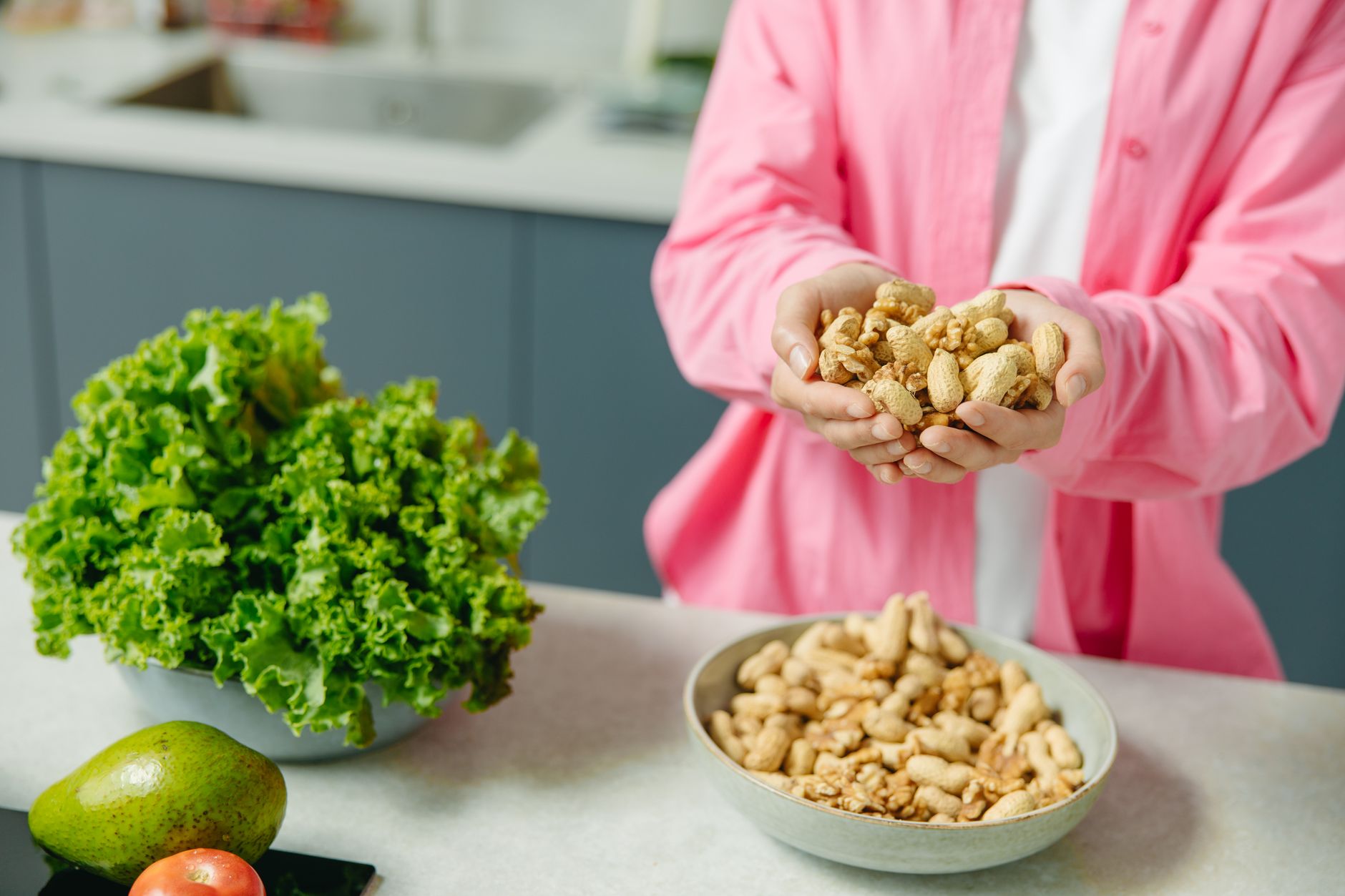
Protein is golden for growing muscles and keeping little tummies satisfied. Think beyond plain chicken nuggets theres a whole world of tasty options. Eggs, Greek yogurt, cottage cheese, lean turkey, beans, and tofu are winners. If youre curious about more protein choices that are light on calories but filling, check out Foods high in protein and low in calories that can inspire snack and meal ideas it's a helpful guide for packing nutrition without overdoing portions (opens in a new tab).
Fruits and Veggies Kids Actually Eat
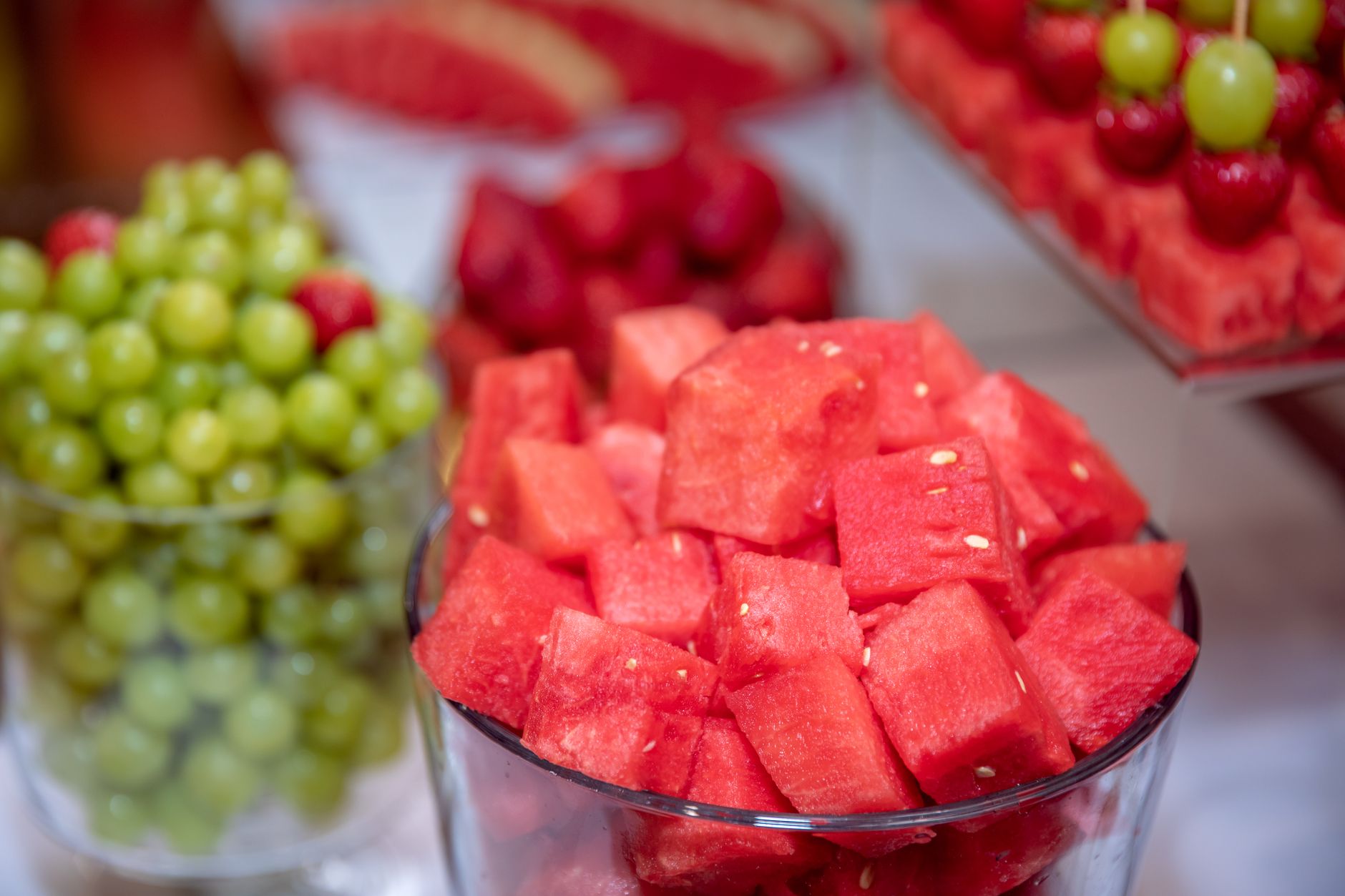
Some kids love carrots; others will only touch fruit if its dipped in something. Thats totally okay. Aim for variety and creativity. Try roasting carrots and sweet potatoes with a touch of cinnamon, or make a colorful fruit salsa with mango, apple, and berries for dipping. Smoothies are magical here blend spinach or avocado with banana, frozen berries, and a spoonful of nut butter. The color might change, but the taste stays kid-friendly.
Smart Carbs and Whole Grains
Whole grains give kids the slow-burning energy they need to play, learn, and focus. Swap white bread for whole-grain wraps, try brown rice or quinoa bowls, or make oatmeal with fun mix-ins like apples, cinnamon, and a drizzle of honey. Whole grains also pair beautifully with proteins and veggies, making balanced meals easier to assemble.
Healthy Fats for Growing Brains
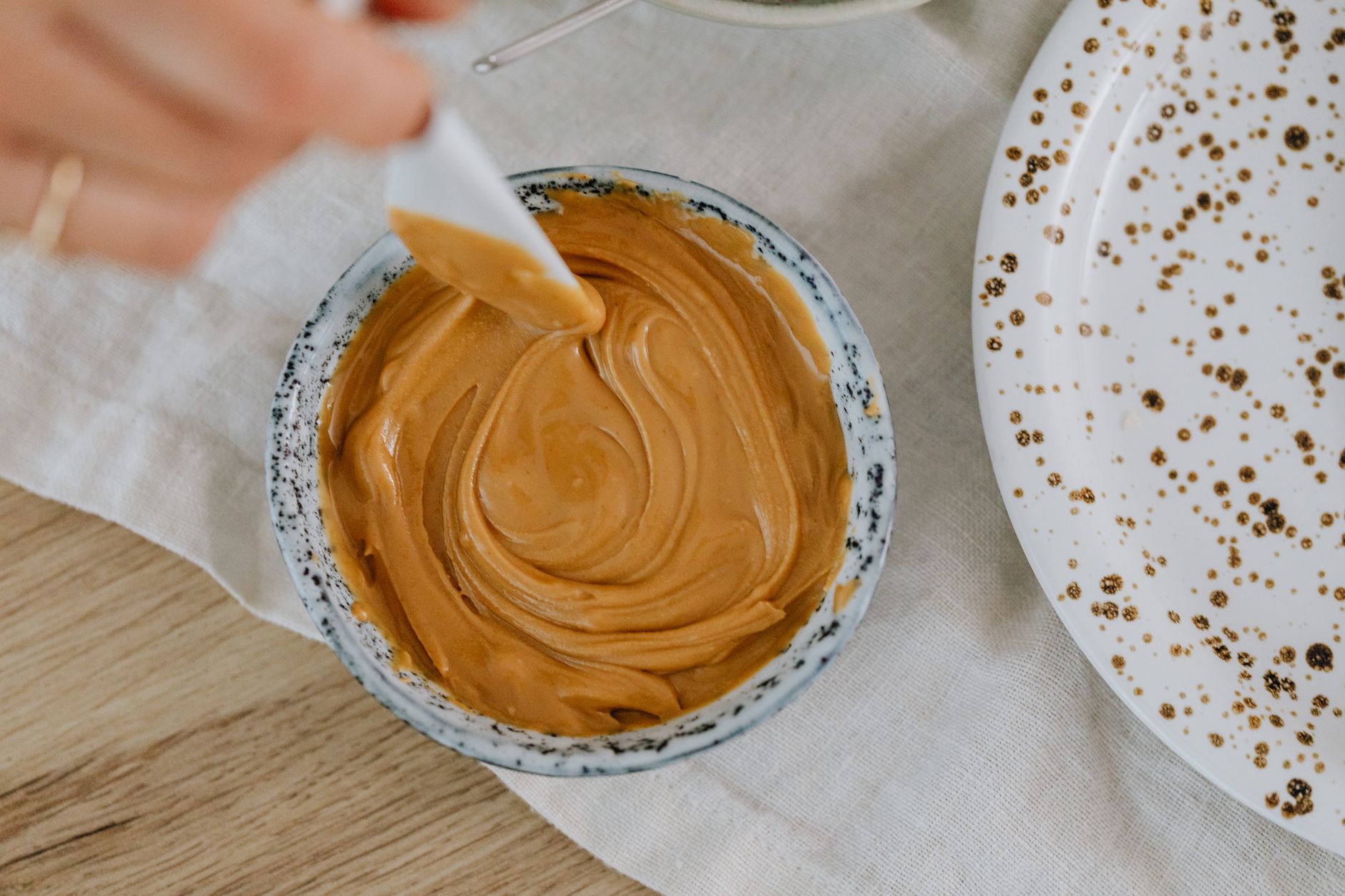
Fats are not the enemy in fact, kids need healthy fats for brain and eye development. Avocado toast, nut butters (or seed butters if theres a nut allergy), fatty fish like salmon, and seeds like chia or flax are brilliant additions. Mix a spoonful of chia into yogurt or pudding for a texture kids often find fun.
Easy, Realistic Meal Ideas
Here are a few simple combos that actually work in real life yes, even on busy school mornings or after sports practice:
- Breakfast: Greek yogurt with granola, sliced banana, and a few walnuts.
- Snack: Apple slices with peanut butter or a small handful of trail mix.
- Lunchbox: Whole-grain wrap with turkey, avocado, cucumber, and a side of cherry tomatoes.
- Dinner: Baked salmon, quinoa, and roasted broccoli seasoned with lemon and a pinch of garlic powder.
- Treat: Banana nice cream (frozen bananas blended until smooth) with a sprinkle of cocoa or cinnamon.
Each of these ideas mixes protein, whole grains, and produce in a way thats delicious and approachable. If youre building weekly menus, you might also enjoy browsing Foods to eat for inspiration on what to include in balanced meals (opens in a new tab).
Snack Strategies That Win
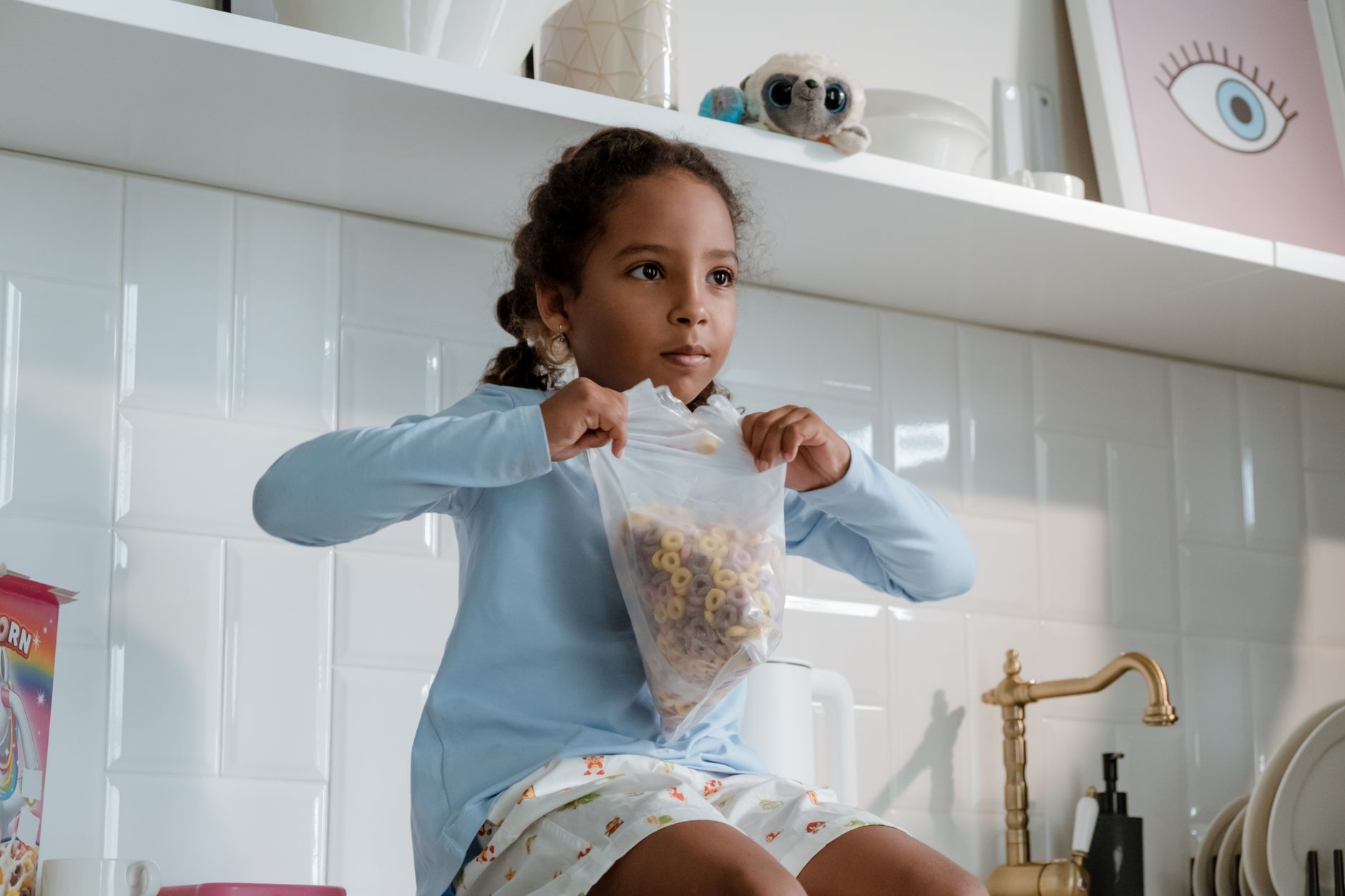
Snacks are not the enemy theyre opportunities. Keep healthy snacks visible and reachable: sliced bell peppers in a low bowl, yogurt tubes in the front of the fridge, small containers of hummus with crackers. Pair something crunchy with something creamy for texture contrast kids love that. And when they ask for chips, offer air-popped popcorn with a dusting of parmesan as a fun alternative.
Dealing with Picky Eaters With Patience
Picky eating can feel like a personality trait and sometimes it is. The best approach is gentle, consistent exposure. Offer new foods alongside familiar favorites, let your child help choose or prep meals, and never force a bite. It could take 1015 exposures to a new food before a child accepts it, so patience pays off. Celebrate the small victories, and avoid using dessert as a reward; that can make sweets feel more special than they should be.
Making Meals Fun
Presentation counts. Use cookie cutters for sandwiches, create food faces on plates, or theme dinners around colors of the rainbow. When kids feel included letting them sprinkle seeds on a salad or arrange fruit theyre more likely to try what they helped make. And yes, sometimes a goofy name (like Power-Packed Veggie Pockets) makes everything more appealing.
Meal Planning Without Pressure
Weekly planning doesnt have to be rigid. Try choosing two proteins, two grains, and a few veggies each week, then mix-and-match. Batch-cook components like roasted veggies or a big pot of beans so you can assemble meals quickly. If you want ideas for high-protein, low-calorie options that fit into simple weekly plans, Foods high protein low calorie is a neat resource to check out for inspiration (opens in a new tab).
Allergies and Special Diets
Food allergies and dietary choices can complicate things, but they dont have to defeat your meal plans. Substitute with confidence: use seed butters instead of peanut butter, try lentils or tempeh for plant-based proteins, and keep a rotation of safe favorites. If youre exploring vegetarian or vegan options, resources like Vegetarian foods high in protein and Vegan foods high in protein offer useful ideas to make sure kids get the nutrients they need (opens in a new tab).
Shopping Tips That Save Time
When youre in the grocery aisle, think in terms of meal building blocks. Buy proteins (eggs, yogurt, lean meat), grains (whole-grain bread, rice), fresh produce, and quick add-ins (cheese, nut butter, canned beans). Frozen fruits and vegetables are lifesavers theyre often more affordable, last longer, and are just as nutritious. A small weekly list with a few staples makes shopping much less stressful.
Tiny Wins Add Up
Dont aim for perfection. Aim for progress. If you can add one new vegetable a week or swap out sugary drinks for water or milk most days, youre doing great. Keep mealtime relaxed, model the foods you want your child to enjoy, and celebrate curiosity. Food should nourish and delight and with a bit of creativity, it will.
Want More Ideas?
If youd like deeper dives into protein-packed choices or plant-forward meals, there are great guides that list specific foods and recipes. For example, Healthy foods high in protein and other guides on balanced choices can help you tailor meals to your familys tastes and nutrition goals (opens in a new tab).
What do you think? Which of these tips feels doable for your next week of meals? Share a small goal maybe introducing one new veggie at dinner and try it. If you have questions or want recipe ideas for picky eaters, Id love to help. Youve got this; one bite at a time.
FAQs
What are healthy foods for kids?
Healthy foods for kids include a balance of protein, whole grains, fruits, vegetables, and healthy fats to support growth and energy, while limiting added sugars and heavily processed items.
How can I get picky eaters to try new foods without a fight?
Offer new foods alongside favorites, involve kids in prep, keep portions small, and make meals colorful and fun to pique curiosity.
How much protein do kids need at each meal?
Protein needs vary by age and size; include a palm-sized portion at meals and a mix of animal and plant-based sources across the week.
Are snacks important for kids' nutrition?
Yes, balanced snacks with protein, fiber, and healthy fats help sustain energy and prevent overeating at meals.
What are quick meal ideas for busy nights?
Batch-cook components, assemble protein + grain + veggie bowls, and use fast options like eggs, yogurt, beans, and pre-cut produce.