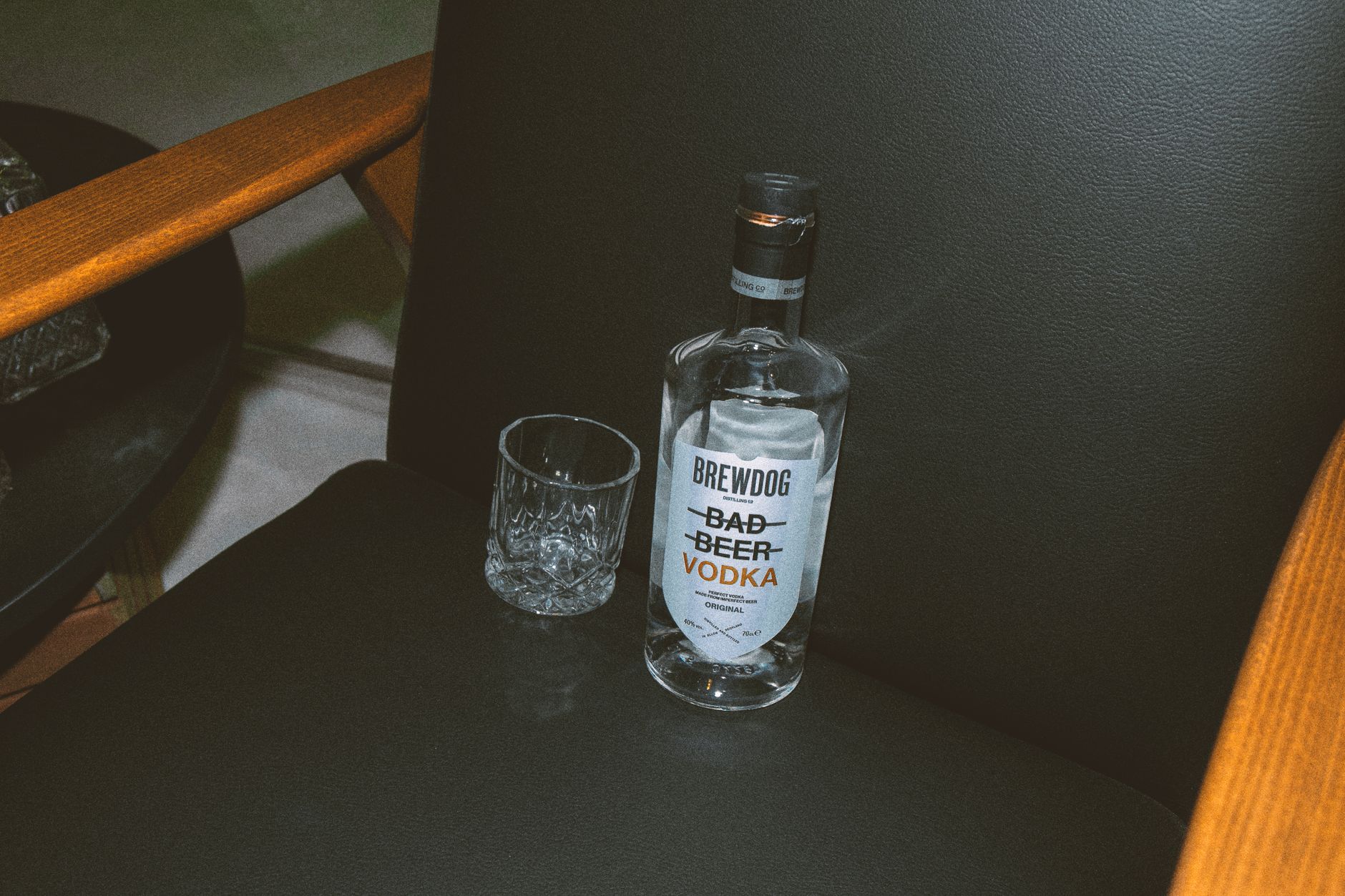
Vodka is often considered a safe choice for those avoiding gluten. But what makes gluten free vodka possibleeven when some vodkas are distilled from wheat, barley, or rye? The key lies in how vodka is made. Thanks to the distillation process, gluten proteins dont end up in the finished spirit, making many vodkas naturally gluten free. However, there are important details to consider if you have high gluten sensitivity or celiac disease.
Vodka Distillation Process
How Does Distillation Remove Gluten?
Distillation is the heart of vodka production. During this process, fermented grains or other starches are heated to separate alcohol from solids and other compounds. Since gluten is a protein found only in certain grains, it doesnt vaporize with the alcohol and stays behind in the mash.
This means the gluten never transfers into the final distilled liquid. According to food science experts, including those from the Celiac Disease Foundation, properly distilled spirits contain less than 20 parts per million (ppm) of glutenbelow the threshold considered safe for most gluten-sensitive people.
Scientific studies confirm that gluten proteins are too heavy to carry over during distillation. This makes pure distilled vodka inherently gluten free, no matter whether wheat, rye, or barley was used initially.

Does the Grain Type Affect Gluten?
Vodka can be made from various bases: wheat, rye, barley (all gluten grains), corn, potatoes, or even grapes. While gluten is naturally present in wheat, rye, and barley, the final distilled vodka from these grains still tests gluten free. This is because distillation removes the protein chains that constitute gluten.
Below is a quick comparison of common vodka base ingredients and their gluten content before and after distillation:
| Base Ingredient | Contains Gluten Before Distillation | Gluten Presence After Distillation |
|---|---|---|
| Wheat | Yes | None or negligible (under 20 ppm) |
| Rye | Yes | None or negligible (under 20 ppm) |
| Barley | Yes | None or negligible (under 20 ppm) |
| Corn | No | None |
| Potatoes | No | None |
Potential Gluten Risks
Can Vodka Contain Gluten After Distillation?
While distilled vodka should be gluten free, some risks remain. Gluten may crop up due to cross-contamination during bottling or if gluten-containing flavorings or additives are mixed in after distillation.
For example, some inexpensive brands might process multiple grain spirits in the same facility without adequate cleaning. Flavored vodkas may add syrups, spices, or natural extracts that contain gluten.
Always read labels carefully and, if youre uncertain, contact the manufacturer directly. Trusted gluten intolerant consumers often check for third-party gluten certifications or dedicated gluten-free claims.
Flavored Vodka and Gluten
Flavored vodka presents a bigger challenge. Many additives, such as malt extracts or natural flavors, may contain hidden gluten. Even if the base spirit is gluten free, these ingredients can introduce trace amounts that affect sensitive individuals.
Choosing plain, unflavored vodka often ensures the safest option. If you want to enjoy flavored vodka, look for bottles explicitly labeled gluten free or certified by recognized agencies.
Opting for fresh mixers like juices or herbs in your cocktails is also a safe way to keep your drink gluten free and delicious.
Gluten-Free Spirits in Context
How Vodka Compares
Vodka isnt the only gluten-free spirit available. Many other distilled beverages are also gluten free due to the distillation process, though myths still persist.
- Gin: Often made with wheat spirits, but gluten is removed in distillation.
- Tequila: Distilled from blue agave, naturally gluten free.
- Rum: Made from sugarcane, gluten free.
- Whiskey: Made from grains containing gluten, but usually aged in barrels post-distillation; caution needed for sensitive individuals due to potential gluten in flavor or additives.
Drinking spirits moderately and choosing certified options helps reduce gluten risks. Awareness is your best tool in navigating options.
Alcohol and Gluten Sensitivity
If you have celiac disease or a severe gluten intolerance, always take extra care. Besides gluten exposure, alcohol itself can sometimes irritate the gut lining or interact with medications.
Stick to distilled spirits clearly labeled gluten free, avoid mixed drinks with unknown additives, and watch your bodys reactions. Consulting your healthcare provider about alcohol consumption based on your health status is wise.
Choosing Gluten Free Vodka
What to Look For on Labels
Identifying authentic gluten free vodka starts at the label. Look for specific signs:
- Gluten-Free Certification: Logos from recognized bodies such as IFANCA, JAKIM Halal certification standards, or HMC often include gluten-free endorsements.
- Ingredient List: Pure vodka should list only water and ethanol (alcohol), no added flavors unless specified.
- Gluten Free Labeling: When present, this indicates third-party testing or manufacturer assurance, though absence doesnt always mean presence.
- Manufacturing Information: Brands noting dedicated gluten-free facilities show extra care against contamination.
- Avoid Ambiguous Terms: Claims like made from wheat without gluten-free certification warrant caution.
| Certification | Price Range | Common Formats | Shelf Life | Key Allergens |
|---|---|---|---|---|
| IFANCA gluten free / JAKIM certified | Mid to high ($20$50) | 375ml, 750ml, 1L bottles | Indefinite (unopened) | None (pure distillate) |
| No certification, plain vodka | Low to mid ($10$25) | 375ml, 750ml | Indefinite (unopened) | Potential cross-contact |
| Flavored vodka with gluten-free label | Mid to high ($25$40) | 750ml | 1224 months | Varies check ingredients |
Buying Tips
Ask bartenders or store staff about their gluten-free vodka options. Some venues provide detailed information on their spirit sourcing or avoid cross-contact risks. When purchasing online or in stores, look for customer reviews citing gluten safety.
You can also explore the variety of shots in 750ml formats for easy portion control and gifting.
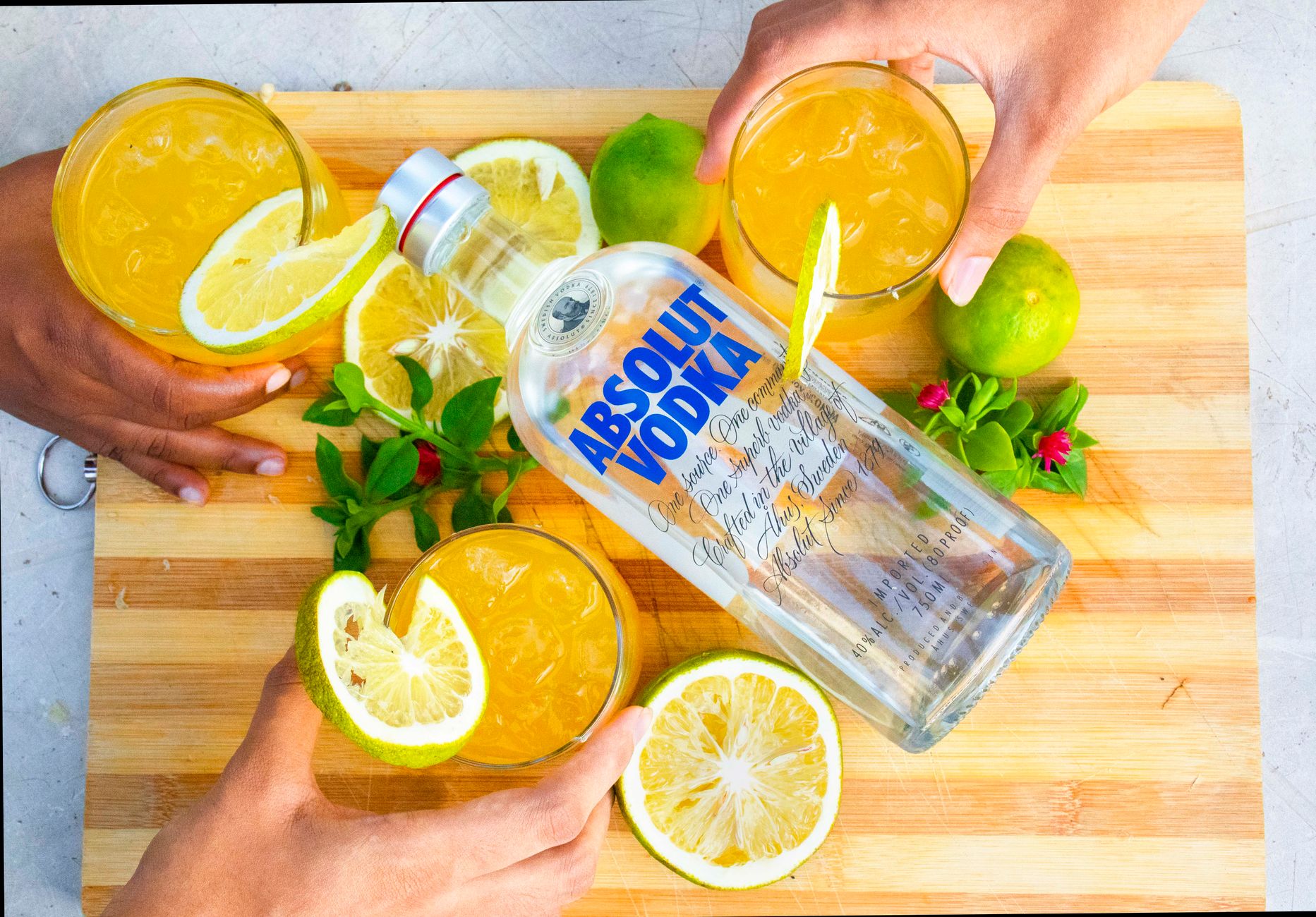
Trusted Gluten Free Vodka Brands
While many brands distill vodka free from gluten, some have built a reputation for commitment to gluten safety and Halal certification. Look for brands with clear gluten-free labeling and trusted Halal certification from bodies like JAKIM or IFANCA.
Brands that emphasize quality ingredients, transparent sourcing, and dedication to allergen control offer peace of mind. Remember, expensive doesnt always mean betterfocus on label clarity and certification.
Pro Tips for Buyers
The most overlooked mistake is assuming all vodkas are automatically safe. While most distilled vodkas are low in gluten, avoid cheap, unbranded vodkas with unclear sourcing.
Cheap versions may use additives or be bottled in shared facilities with gluten grains. One expert tip: prefer vodkas from brands that explicitly state gluten-free status and have transparent production methods.
If you enjoy cocktails but worry about gluten, consider non alcoholic drinks that mimic your favorites but avoid spirits altogether.
FAQ
Is gluten free vodka actually Halal what should I check?
Check for Halal certification logos such as JAKIM, IFANCA, or HMC on the bottle. These certify the vodka meets Halal standards, including production without prohibited substances. Since vodka is distilled, many brands qualify as Halal, but certification confirms compliance.
Can I drink flavored vodka if I have gluten intolerance?
Flavored vodkas may contain gluten via additives or flavor extracts. Unless clearly labeled gluten free, its safer to avoid them if you are highly sensitive. Stick to plain vodka or certified flavored options.
Does distillation remove all allergens, including gluten?
Distillation removes proteins such as gluten, making the final spirit safe for most allergy sufferers. However, other allergens may enter via flavorings added after distillation.
How long does vodka last once opened?
Vodka lasts indefinitely if stored properly in a sealed bottle away from direct sunlight. After opening, consuming within 12 years maintains best flavor and quality.
Are corn or potato vodkas better for gluten-free diets?
Both are naturally gluten free bases, but wheat or rye vodkas are safe too due to distillation. Choose based on taste preference or label clarity rather than base.
Will gluten free vodka spoil or lose quality faster?
No, pure vodka, including gluten free types, is stable and does not spoil when stored correctly. Quality loss happens with extreme temperature changes or contamination.
Can I use gluten free vodka in Halal cocktails?
Yes, if the vodka is Halal-certified. Mix it with Halal-certified ingredients to keep your cocktail compliant with Halal guidelines.
More You Might Like
Explore practical tips on serving sizes with our guide to shots in 750ml bottles, perfect for gatherings or gifts.
Looking for safer beverage alternatives? Check out our collection of non alcoholic drinks that offer fresh, flavorful options for any occasion.
Conclusion
Gluten free vodka owes its safety to the distillation process that removes gluten proteins, even when made from gluten-containing grains. While plain vodka is generally safe, watch for flavored varieties and possible cross-contamination if you‘re very sensitive. Next time you shop, take a moment to read labels and certifications to choose quality gluten free vodka with confidence. Feel free to share your favorite brands or questions below!
FAQs
Is gluten free vodka actually Halal — what should I check on the label?
To confirm if gluten free vodka is Halal, look for certification logos like JAKIM, IFANCA, or HMC. These indicate compliance with Halal production rules. Since vodka is distilled, many brands qualify as Halal, but certification assures the product meets all standards without prohibited ingredients.
How long does vodka last once opened?
Vodka lasts indefinitely when stored properly in a sealed bottle away from direct sunlight. After opening, it is best consumed within 12 years to maintain optimal flavor and quality.
What is the difference between gluten free vodka and regular vodka?
Most regular vodkas are gluten free after distillation, even if made from wheat, rye, or barley. Gluten free vodka specifically ensures no gluten contamination, often with labels or certifications. The main difference lies in quality control for sensitive individuals.
Is it safe to drink gluten free vodka daily if I have gluten sensitivity?
Pure distilled gluten free vodka is generally safe in moderation for those with gluten sensitivity. However, individuals should monitor their body's response and avoid flavored vodkas that may contain gluten additives.
Where can I buy trusted gluten free vodka?
Trusted gluten free vodkas are available at specialty liquor stores, online retailers, and some larger supermarkets. Look for bottles with clear gluten free labels or certifications, and ask store staff about gluten free options if uncertain.