White wine blends mix different grape varieties to craft balanced, complex flavors you can enjoy at any occasion or price point. Whether you‘re exploring affordable options or indulging in premium bottles, understanding these blends helps you pick wines that suit your taste and lifestyle.
Understanding White Blends
How Are White Wine Blends Made?
White wine blends come from combining juice or wine made from two or more white grape varieties before or after fermentation. Winemakers carefully select grapes like Chardonnay, Sauvignon Blanc, and Viognier to create unique flavor profiles. The blending process aims to balance acidity, aroma, sweetness, and texture.
Common Grape Varieties Used:
- Chardonnay: Adds body and vanilla notes
- Sauvignon Blanc: Offers bright acidity and citrus flavors
- Viognier: Contributes floral, peachy aromas
- Muscadet: Brings lightness and mineral texture
- Riesling: Adds sweetness and crispness
The actual blending can be done before fermentation, mixing grape juices, or after fermentation by combining finished wines. Winemakers taste and adjust blends to highlight harmony and depth. This technique allows flexibility not possible with single-varietal wines.
Why Choose Blends Over Single-Varietals?
Choosing white wine blends offers distinct advantages over single grape wines. Blends often present more complex aromas and layered flavors because each grape brings unique elements that complement one another.
- Flavor complexity: Blends balance fruity, floral, and mineral notes.
- Balance: High acidity grapes can soften richer ones, making wines easier to enjoy.
- Price advantages: Blending allows cheaper grapes with pricier ones, offering good quality at lower costs.
For those seeking diversity and value in their white wines, blends are often the smarter choice.
Taste Profile Overview
White blends range from crisp and refreshing to rich and creamy. Sour apple, pear, citrus, and stone fruit flavors dominate, with herbal or mineral undertones depending on the grapes and region.
Acidity variessome blends are sharp and zesty, perfect for warm days or seafood pairing. Others lean into buttery, oaky characters for a velvety mouthfeel favored in cold-weather meals.
Sweetness is generally reserved, but some blends include a hint of residual sugar for balance.
White Wine Blends Budget Guide
Affordable White Wines
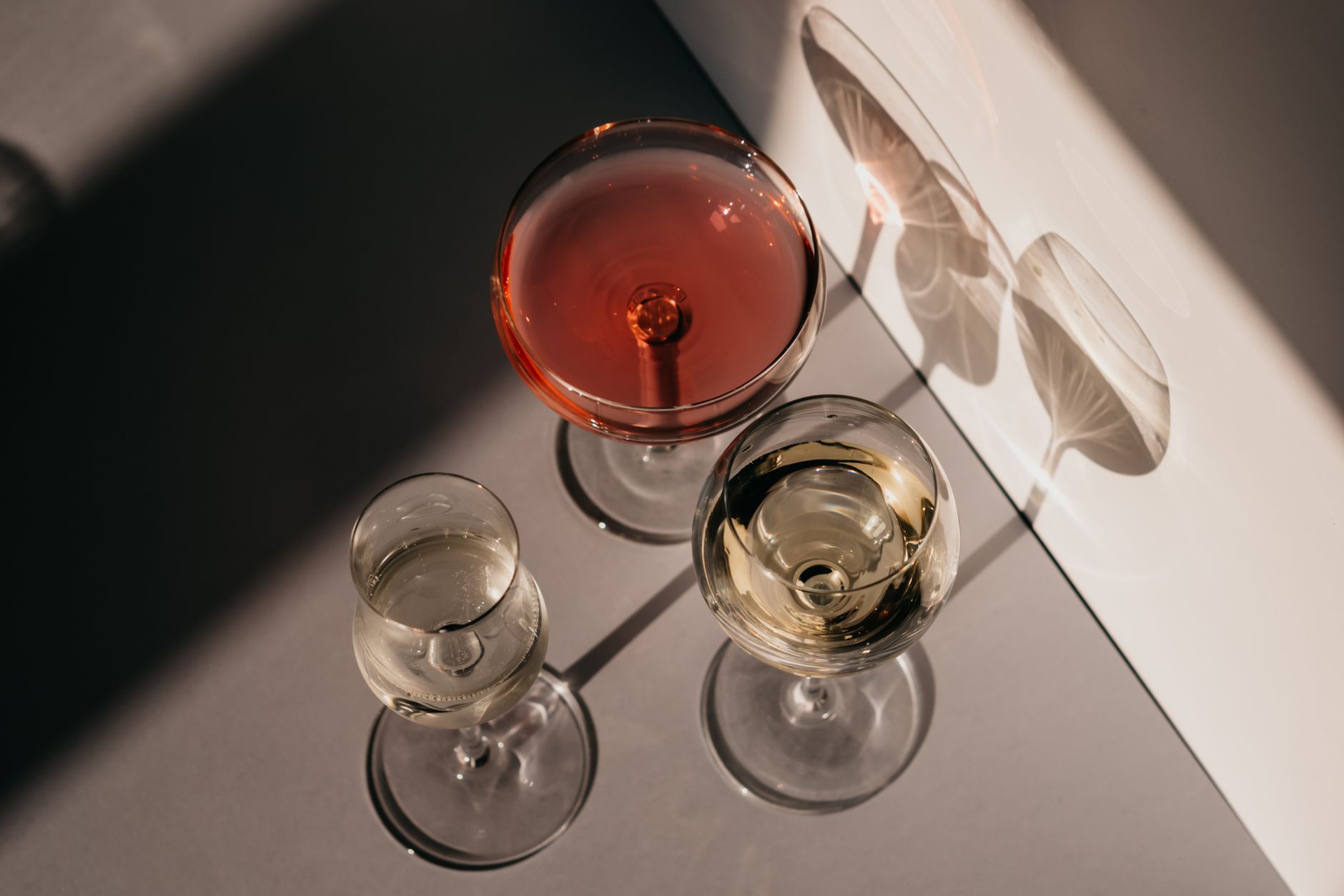
Budget white blends offer great flavor without breaking the bank. Expect bottles priced between $8 and $15 to deliver clean, fresh profiles with good acidity and fruitiness.
- Popular Picks: Brands like Barefoot and Yellow Tail produce accessible, easy-drinking blends featuring Chardonnay and Sauvignon Blanc.
- Tasting Notes: Bright citrus, green apple, and light floral scents dominate with a crisp finish.
- Where to Buy: Major supermarkets, online retailers, and neighborhood stores typically stock these affordable options.
Mid-Range White Blends
In the $16$35 range, white wine blends gain complexity and nuance. Winemakers may use higher-quality grapes and more controlled oak aging to create depth.
- Characteristics: Layers of tropical fruit, stone fruit, and subtle vanilla or spice notes emerge.
- Examples: California blends combining Chardonnay, Riesling, and Viognier represent this tier well.
- Shopping Tips: Look for regional designations indicating origin and some craftsmanship.
Premium White Blends
Over $35, premium blends showcase expert winemaking and rare grape combinations. These bottles often come from renowned regions and vintages, offering elegance suited for celebrations.
- Features: Complex aromatics, balanced acidity, rich texture, and excellent aging potential.
- Sommelier Picks: Limited-release French blends combining Chardonnay with Semillon or Sauvignon Blanc from Bordeaux or Burgundy.
- Occasions: Ideal for gifting, fine dining, or special moments.

Popular Grapes in Blends
Chardonnay Blends Popularity
Chardonnay remains the backbone of many white blends due to its versatility. It thrives in various climates, producing buttery, oaky, or crisp styles. Mixing it with Sauvignon Blanc or Viognier highlights freshness and aroma.
Viognier‘s Aromatic Role
Viognier lends floral perfumes and peachy stone fruit that elevate blend complexity. It balances sharper grapes and adds creaminess without overpowering.
Sauvignon Blanc Profiles
Sauvignon Blancs zesty citrus and herbal notes bring liveliness and brisk acidity. Blends featuring this grape pair well with seafood or salads, thanks to their refreshing edge.
Lesser-Known Varieties
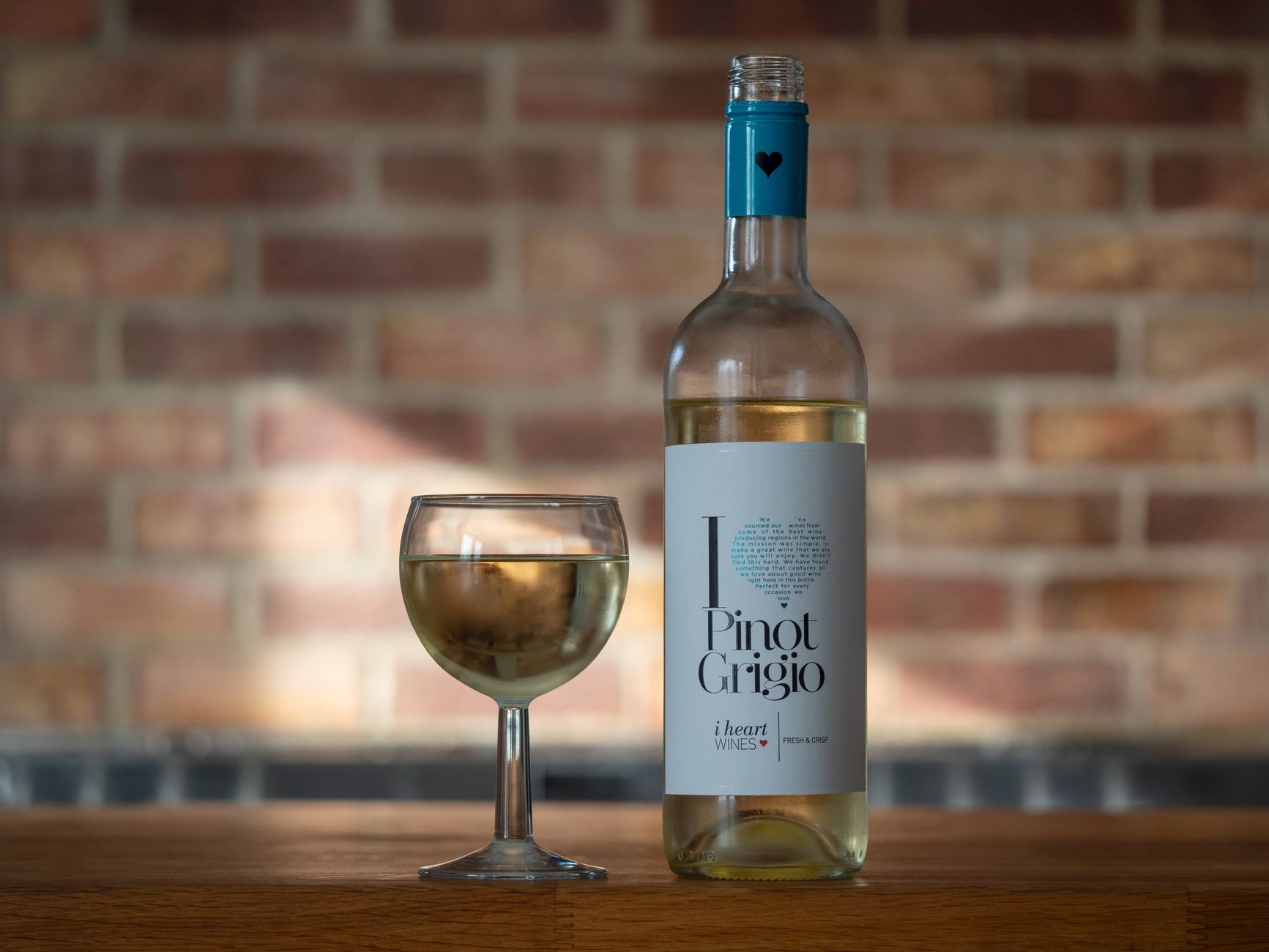
Some blends include Muscadet, Pinot Grigio, or Albario. These grapes add minerality, lightness, or subtle sweetness, expanding the spectrum of white blends.
Tasting and Pairing Tips
White Wine Tasting Basics
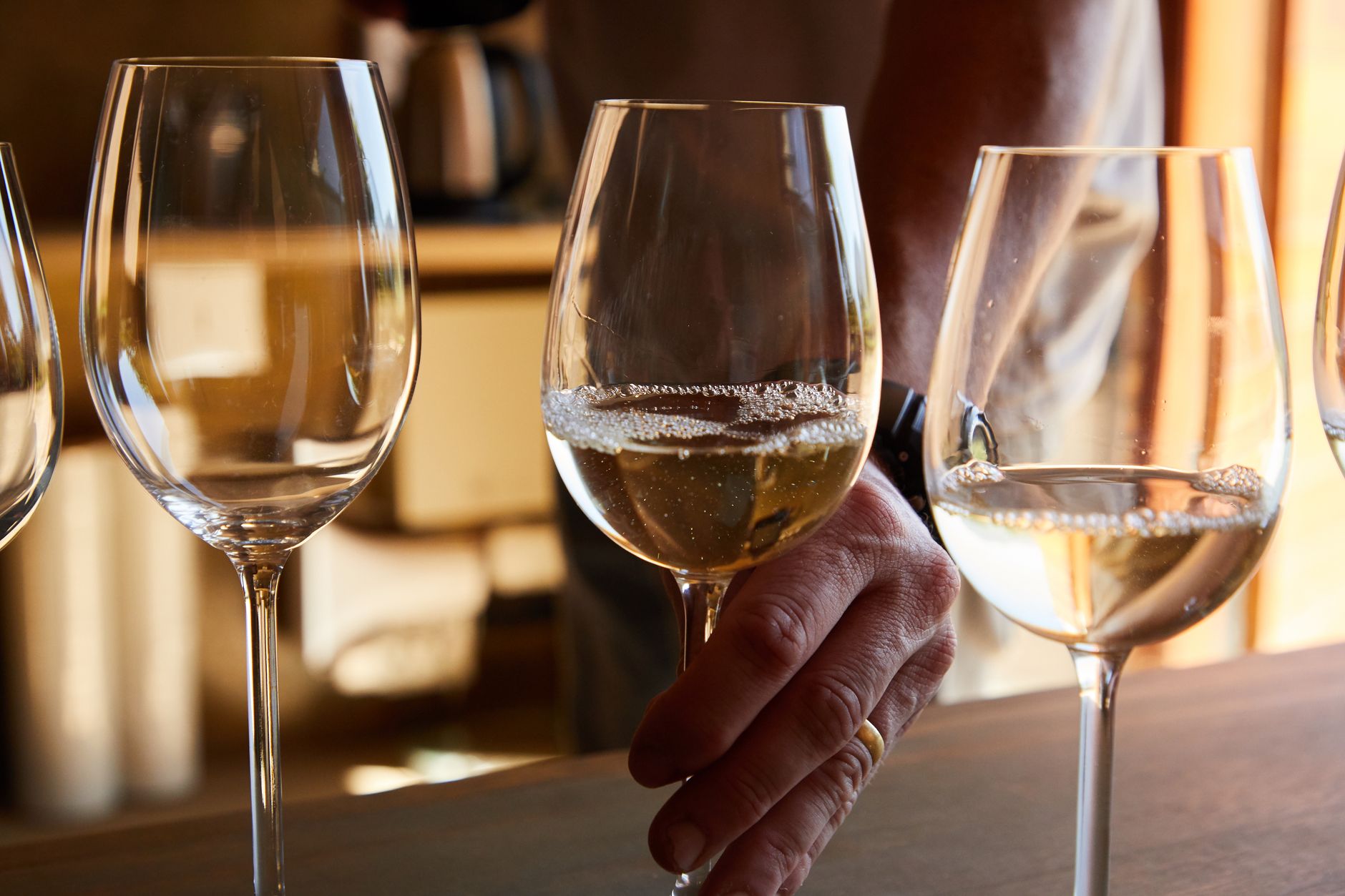
Start by looking at the wines colorit reveals age and grape types. Swirl the glass gently; the shape and tears give clues about body. Smell deeply to identify fruit, floral, or mineral aromas.
The sip should feel balancedfocus on acidity, sweetness, and mouthfeel. Note the finish duration and any evolving flavors.
Identify Grape Varieties
Practice helps spot grape influences:
- Chardonnay often tastes creamy or vanilla-tinged.
- Sauvignon Blanc bursts with citrus and herbs.
- Viognier shows stone fruits and floral hints.
Knowing blends common grapes sharpens your tasting skills and enhances appreciation.
Food Pairing Suggestions
Affordable blends pair well with light dishes like grilled chicken, salads, or white fish. Mid-range blends complement creamy pastas, soft cheeses, and roasted vegetables.
Premium blends excel with lobster, scallops, or meals using buttery sauces. Think of matching the wines flavor weight to your dish for harmony.
For a unique experience, explore pairing white wine blends alongside Mexican drinks known for vibrant, spicy flavors.
White Wine Blend Buying Guide
| Certification | Price Range | Common Formats | Shelf Life | Key Allergens |
|---|---|---|---|---|
| JAKIM, HMC, IFANCA (for Halal-certified) | $8 - $15 (Affordable) | 750ml bottle, box wines | 2-3 years unopened; 3-5 days after opening (refrigerated) | May contain sulfites |
| JAKIM, HMC, IFANCA | $16 - $35 (Mid-range) | 750ml bottle | 3-5 years unopened; 5-7 days after opening (sealed, refrigerated) | Sulfites likely |
| JAKIM, HMC, IFANCA | $36+ (Premium) | 750ml bottle, magnums | 5-10 years; 7 days after opening if properly sealed | Sulfites and trace allergens possible |
How to Read Labels
Look for Halal certification logos like JAKIM (Malaysia), HMC (U.K.), or IFANCA (USA) to ensure the wine meets Islamic dietary guidelines.
Examine ingredient lists for any additivesonly grapes, yeast, and sulfur dioxide should appear. Sulfite levels under 350 mg/L are typical; higher amounts may cause sensitivities.
Check the vintage year and region to gauge quality. Beware of vague terms like white wine without varietal or source details, as they might indicate lower quality blends.

Pro Tips When Buying
- Don‘t pick solely based on price: Cheap blends may lack balance and durability.
- Check storage conditions: Avoid wines stored near heat or direct light to preserve flavor.
- Expert advice: Ask for staff recommendations in specialty storesthey often know well about vintages and blend quality.
Recommended Storage
Keep white blends in a cool, dark place around 5055F (1013C). After opening, reseal tightly and refrigerate. Consume within 37 days depending on the blend type to enjoy fresh flavors.
Is White Wine Blends Actually Halal What Should I Check?
Whether white wine blends are Halal depends on the alcohol content and certification. Islamic dietary laws forbid intoxicants, making most wines non-Halal. Look specifically for Halal-certified wines bearing JAKIM, HMC, or IFANCA logos, ensuring production complies with religious standards and minimal alcohol levels.
When Is The Best Time To Drink White Wine Blends?
White wine blends are best enjoyed chilled, typically between 4555F (713C). Ideal occasions include casual lunches, seafood dinners, or warm evenings. Drinking within two hours after opening keeps flavors bright and crisp.
Can White Wine Blends Be Stored Long-Term?
Most white blends are made for early consumption and keep well for about 2-5 years unopened. Premium blends with high acidity and good structure can age longer, but it‘s rare for white blends to improve extensively over time.
Are There Low-Alcohol White Wine Blends?
Some producers offer white blends with alcohol by volume (ABV) under 10%, suitable for lighter drinking. Check labels for ABV percentages to find options with reduced alcohol content.
Do White Wine Blends Contain Allergens?
Besides sulfites, which help preserve wine, blends rarely contain major allergens. However, sensitive individuals should verify ingredient lists and certification claims, as some fining agents may leave traces.
Are White Wine Blends Gluten-Free?
Yes, traditional white wine blends are generally gluten-free since grapes contain no gluten. Cross-contamination during processing is uncommon but can occur if equipment handles other products.
How To Pair White Wine Blends With Food?
Choose blends matching your dishs weight and flavor. Light blends suit salads and seafood; richer blends complement roasted chicken and creamy sauces. Spicy dishes can pair well with aromatic blends containing Viognier or Riesling for contrast.
What Is The Difference Between White Wine Blends And Red Blends?
White wine blends use white grape varieties emphasizing crispness, acidity, and floral or citrus aromas. Red blends combine dark grapes focusing on tannins, berry flavors, and structure. Their serving temperatures and ideal pairings differ significantly.
More You Might Like
If you enjoy learning about beverage sizes and their unique contexts, check out our guide on Shots in 750ml for interesting insights into bottle measures.
For a refreshing beverage alternative, explore our article on Mexican drinks, featuring colorful, health-conscious options with vibrant flavors.
Conclusion
White wine blends offer an exciting range of flavors and prices to suit your taste and budget. Whether you choose a crisp affordable option or a rich premium bottle, understanding blends helps you enjoy better choices with confidence. Next time you shop, take a closer look at the label and savor the delight that a well-crafted white blend can bring. Feel free to share your favorite finds or questions below!
FAQs
Is White wine blends actually Halal — what should I check on the label?
Whether white wine blends are Halal depends on certification and alcohol content. Look for halal certification logos like JAKIM, HMC, or IFANCA on the label to ensure compliance with Islamic dietary laws and minimal or no alcohol levels.
What is the typical shelf life of white wine blends after opening?
After opening, white wine blends generally stay good for 3 to 7 days if resealed and refrigerated. Premium blends may keep up to 7 days, while budget options tend to last 3 to 5 days with proper storage.
How do white wine blends differ from single-varietal wines?
White wine blends combine two or more white grape varieties, offering more complex flavors and balanced acidity compared to single-varietal wines, which focus on the characteristics of just one grape.
Are white wine blends safe to consume daily?
White wine blends contain alcohol, so moderate consumption is advised. Choosing low-alcohol blends or certified halal options can suit dietary needs, but daily intake should follow health guidelines.
Where can I buy quality white wine blends?
Quality white wine blends are available at major supermarkets, specialty liquor stores, and online retailers. Look for trusted brands, Halal certification if needed, and storage conditions when purchasing.