Reheat ribs the right way, and youll enjoy tender meat with a crispy crusteven as leftovers. Its tempting to throw them in the microwave and call it a day, but reheating ribs takes a bit more care to keep that juicy texture and bring back the snap of the bark without drying them out. Heres how to reheat ribs so they taste just as good as freshly grilled or smokedwhether you want to savor Halal-certified pork alternatives or beef ribs.
Why Reheating Ribs Matters
The magic of ribs lies in the tender meat and the flavorful, sometimes crispy crust or bark. When ribs cool down, the fat solidifies, and juices settle inside. Heating them without care can cause the meat to dry out or become rubbery. Plus, safety matters: thorough reheating prevents foodborne risks linked to improper storage and warming.
What Happens When You Reheat Ribs Wrong?
Heating ribs too fast or at high temperature often dries out the meat. A microwave alone may heat the inside but wreak havoc on the outer layersleaving you with soggy or chewy bits. Overcooking breaks down proteins too much, resulting in rubbery, tough ribs. Moreover, uneven reheating risks bacteria survival, so food safety is compromised.
Benefits of Reheating Ribs the Right Way
- Preserves juicy tenderness inside
- Restores a crispy, flavorful crust
- Replicates fresh BBQ without starting over
- Encourages less food waste by reviving leftovers
Best Way to Reheat Ribs Step by Step
Step 1: Steaming the Ribs
Steaming is key to warming ribs gently without drying them out. The moisture keeps the meat tender, while gradually heating the ribs all the way through. You can steam ribs using a steaming rack over simmering water on the stovetop, or place them covered in a microwave-safe dish with a small amount of water.
Cover the ribs with foil or a tight lid to trap steam evenly. Depending on rib thickness and quantity, steam usually takes about 1015 minutes. Keep an eye to avoid overcooking.
Steaming Methods Compared
| Method | Equipment Needed | Time Range | Pros | Cons |
|---|---|---|---|---|
| Oven Steaming | Oven-safe covered dish or foil wrap | 1520 minutes at 275F (135C) | Even heat, easy for large quantities | Slower than stovetop, uses more energy |
| Stovetop Steaming | Steaming rack and pot with simmering water | 1015 minutes | Fast, moisture controlled | Requires watchful attention, can be tricky for large batches |
| Microwave Steaming | Microwave-safe dish + water + cover | 35 minutes on medium power | Quickest method | Less even heat, may dry edges |
Step 2: Pan-Frying for Crispy Ribs
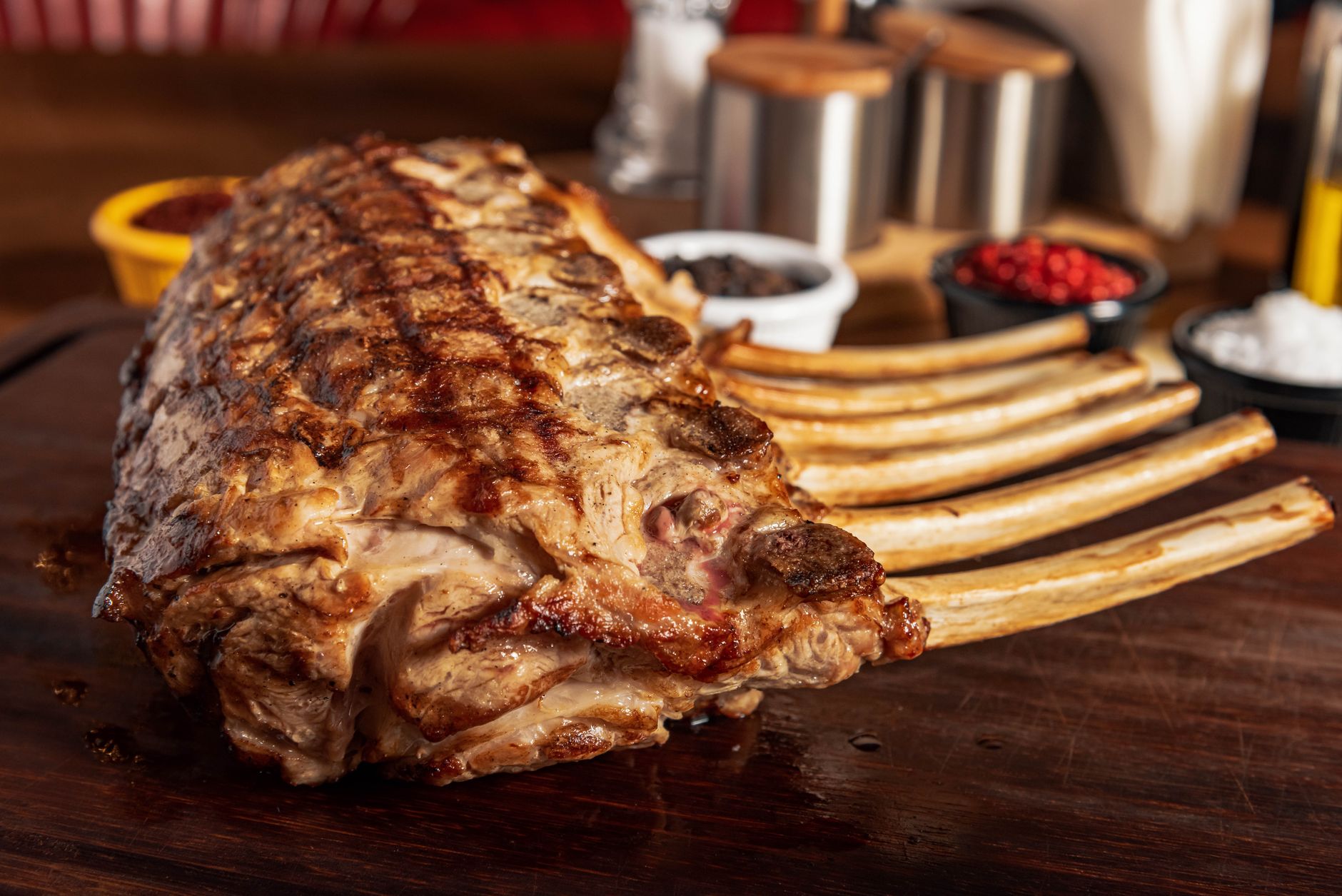
After steaming, pan-frying adds a crispy crust that brings ribs back to life. Heat a tablespoon of neutral oil, like canola or grapeseed, over medium heat. Place ribs meat-side down in the pan and cook for 34 minutes until the crust crisps up, then flip and crisp the bone side for 23 more minutes.
Be careful not to burn the spices or sauce on the ribs. Medium heat gives you control, so the juices stay inside without speeding into dryness.
Alternative Crispy Reheat Techniques
- Air Fryer: Set to 350F (175C) for 57 minutes after steaming. Air circulation crisps ribs evenly, ideal for small to medium batches.
- Broiler: After steaming, place ribs under a broiler for 23 minutes to crisp the edges. Watch closely to avoid burning.
Each method has its perks air frying tends to be faster and less oily; pan-frying offers more flavor control; broiling is quick but requires attention.
Common Questions About Reheating Ribs
Can You Reheat Ribs in the Microwave and Still Get Them Crispy?
Microwave alone is great for quickly steaming ribs but doesnt produce crispy ribs. Combining microwave steaming with a quick pan or air fryer finish helps restore crispiness. Otherwise, microwave-only leads to soggy texture lacking crust.
How Long Can You Safely Store and Reheat Leftover Ribs?
Store leftover ribs in an airtight container in the refrigerator for up to 34 days. After that, risk of spoilage grows. When reheating, make sure ribs reach an internal temperature of 165F (74C), as recommended by the USDA FoodData Central.
Tips to Keep Ribs Tender While Reheating
- Always cover ribs when steaming to trap moisture.
- Avoid very high direct heat early in reheating.
- Rest ribs 5 minutes after reheating to let juices redistribute.
Are All Ribs Halal Certified?
Not all ribs are Halal; natural pork ribs are not permissible in Halal diets. Look specifically for Halal-certified beef, lamb, or poultry ribs bearing certifications from trusted bodies like JAKIM, HMC, or IFANCA. Packaging should display these logos clearly.
Does the Type of Meat Affect Reheating Method?
Yes, beef and lamb ribs tend to reheat similarly, while chicken or turkey ribs may require less time. Avoid overcooking leaner ribs, which dry out faster. Halal options commonly include beef or lamb, so plan the reheating time accordingly.
What Oil Is Best for Frying Ribs After Reheating?
Neutral oils with high smoke points, such as canola, grapeseed, or light olive oil, are ideal. These heat evenly without masking rib flavors or burning quickly.
How Can I Check if the Ribs Are Properly Reheated?
Use a meat thermometer to check internal temperature; 165F (74C) is safe and optimal. Also, test tenderness with a forkwarm, juicy ribs should feel tender but firm, not tough or dry.
Expert Insights on Reheating Ribs
BBQ pitmasters advise that moisture control is essential for leftovers. Steaming before crisping is the golden rule to keep ribs tender yet flavorful, says one renowned chef. Another expert suggests using a meat thermometer for precise reheatingand warns against rushing the process.
Food safety experts remind that leftover ribs must be stored within 2 hours after initial cooking and not kept refrigerated beyond 4 days. Reheating evenly to 165F ensures harmful bacteria are eliminated while preserving quality.

Pro Tips to Perfect Reheating
- Dont skip resting ribs post-reheatthis softens the meat and balances moisture.
- Keep ribs loosely covered to prevent condensation buildup, which ruins crispiness.
- For stronger flavor, sprinkle a little smoked paprika or brown sugar on ribs before crisping.
- Avoid reheating ribs more than once; repeated heat cycles degrade texture and increase food safety risks.
More You Might Like
Wondering about Capicola vs prosciutto? Discover the subtle differences between these cured meats and how Halal alternatives compare.
Looking for precision in cooking? Learn how using a meat thermometer can help you nail perfect doneness every time.
Conclusion
To reheat ribs that keep their juicy tenderness and crispy finish, start with gentle steaming and finish with pan-frying or air-frying. These steps revive your ribs flavor and texture beautifully while ensuring safe reheating. Next time you enjoy Halal-certified ribs for dinner, keep these tips in mindand feel free to share your favorite reheating tricks or questions in the comments below.
FAQs
Is reheat ribs actually Halal — what should I check on the label?
Not all ribs are Halal. To ensure ribs are Halal, look for certification logos from bodies like JAKIM, HMC, or IFANCA on the packaging. Halal ribs usually come from beef, lamb, or poultry. Avoid natural pork ribs if seeking Halal options.
How long can I safely store and reheat leftover ribs?
Store leftover ribs in an airtight container in the refrigerator for up to 3-4 days. When reheating, make sure the ribs reach an internal temperature of 165°F (74°C) to ensure they are safe to eat and maintain quality.
What is the best method to reheat ribs without losing flavor?
The best method is gentle steaming to keep ribs moist, followed by pan-frying, air-frying, or broiling to restore crispiness. Avoid microwaving alone, as it can make ribs soggy and dry the meat.
How often can I safely reheat ribs without compromising quality?
Avoid reheating ribs more than once because repeated heating breaks down protein, dries the meat, and raises food safety risks. It’s best to reheat only the portion you plan to eat immediately.
Where can I buy Halal-certified ribs suitable for reheating?
Halal-certified ribs can be purchased at specialty Halal butcher shops, some large grocery stores with Halal sections, and trusted online retailers that clearly display Halal certification labels on the products.