If you think Mexican spirits are limited to tequila, you‘re missing out on a world of rich flavors and intriguing traditions. Mexican spirits offer an exciting variety of liquors that showcase the countrys diverse culture and heritage. From smoky mezcal to lesser-known beverages like raicilla and sotol, these drinks provide new tasting experiences for enthusiasts seeking quality and authenticity. Whether youre curious about unique regional flavors or interested in exploring Halal-certified options, Mexican spirits deserve a closer look.
Varieties of Mexican Spirits
Mexican liquor is not just tequila. It includes mezcal, raicilla, sotol, Mexican whiskey, and even fermented beverages like pulque and tepache. Each spirit reflects Mexicos vast geography and history, with distinctive production methods and flavor profiles. This diversity means that Mexican spirits suit a wide range of palates from smoky and robust to light and refreshing.
What Makes Mexican Spirits Special?
The uniqueness of Mexican spirits lies in their raw ingredients, distillation, and aging processes. While tequila must be made from blue agave grown in specific regions, others like mezcal can be from a variety of agave species. Raicilla uses wild agave, often from mountainous areas. Sotol, on the other hand, is distilled from the Dasylirion plant, a desert shrub unrelated to agave. These differences lead to a spectrum of flavors, from sweet and floral to earthy and smoky.
Mapping Mexican Spirits by Region
| Region | Spirit | Primary Ingredient | Flavor Profile |
|---|---|---|---|
| Oaxaca | Mezcal | Various agave (often Espadn) | Smoky, earthy, rich |
| Jalisco | Tequila & Raicilla | Blue agave (tequila), wild agave (raicilla) | Tequila: smooth, sweet Raicilla: herbal, floral |
| Chihuahua | Sotol | Dasylirion plant | Dry, grassy, slightly herbal |
| Michoacn | Pulque | Fermented agave sap | Mildly sour, viscous |
| Morelos | Tepache | Fermented pineapple peel | Sweet, tangy, lightly fermented |
Mezcal: Mexicos Smoky Treasure
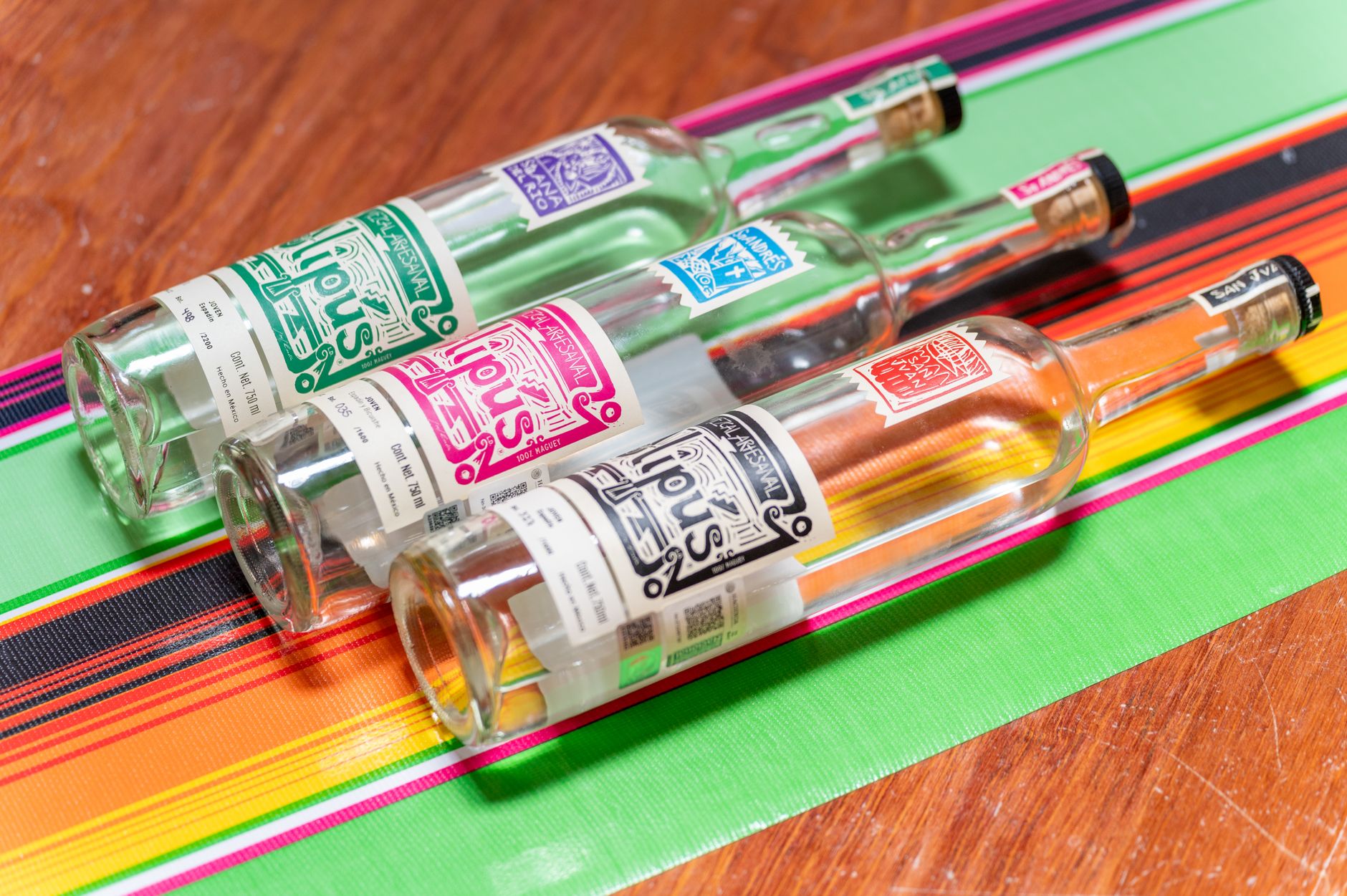
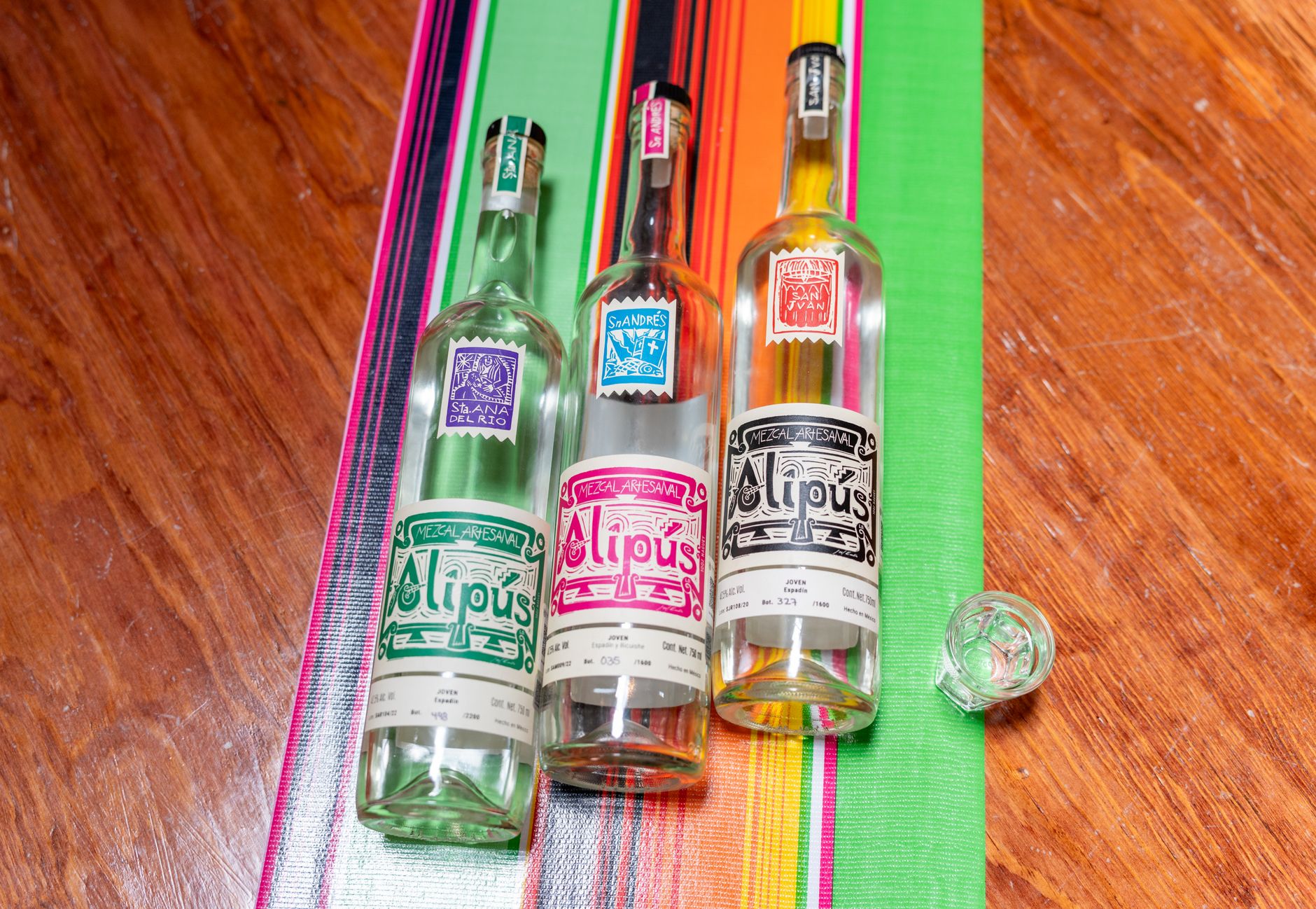
Mezcal is probably the most famous alternative to tequila and often hailed for its complex, smoky character. Unlike tequila, which is usually lighter and sweeter, mezcal sports a bold flavor profile due to traditional production methods involving roasting agave hearts in earthen pits. This spirit is typically enjoyed neat, allowing its smoky notes to shine with every sip.
Are Mezcals Health Benefits Real?
Mezcal is believed to offer some health perks compared to other liquors. According to some studies, natural fermentation and artisanal methods may preserve probiotics that aid digestion. It generally has a lower sugar content than many commercial spirits, too. However, moderation remains key since excessive alcohol consumption raises health risks. Enjoy mezcal slowly to savor its qualities and reduce potential harm.
Serving and Cocktail Ideas with Mezcal
- Serve at room temperature in a wide-rimmed glass to fully appreciate aroma.
- Classic cocktail: Mezcal Margarita combines mezcal, fresh lime juice, and agave syrup.
- Pair mezcal with spicy dishes or smoky grilled meats for balance.
- Try sipping mezcal alongside citrus or tropical fruits to highlight its earthy tones.

Mexican Whiskey and Other Distilled Spirits
Beyond agave-based liquors, Mexico is also producing some intriguing alternatives. Mexican whiskey is gaining traction internationally with its distinct character shaped by local grains and barrels. Raicilla and sotol follow traditional distillation but use non-agave plants, giving them unique profiles that appeal to those curious about new tastes.
Why Choose Mexican Whiskey?
Mexican whiskey often showcases vanilla, caramel, and spice notes, making it versatile for cocktails or straight sipping. Its growing global recognition reflects rising quality standards. Using locally sourced grains and new barrel aging techniques adds to its distinctive appeal, making it a worthy alternative for whiskey lovers seeking something authentic.
Simple Cocktails with Mexican Whiskey and Sotol
- Mexican Whiskey Old Fashioned whiskey, bitters, sugar cube, orange twist.
- Sotol Paloma sotol, grapefruit soda, lime juice, salt rim.
- Try swapping these spirits in classic cocktails to experience new flavor dimensions.
Tepache, Pulque, and Other Regional Drinks
Not all Mexican beverages are distilled. Tepache and pulque are popular fermented drinks with long cultural historiesespecially among indigenous peoples. Tepache, fermented from pineapple peel and sweetened often with piloncillo (unrefined cane sugar), is mildly alcoholic and refreshing. Pulque, made from fermented agave sap, is creamy and slightly sour, often referred to as a superfood for its probiotics.
Understanding Tepache and Pulque
Tepache is refreshing with a slight fizz and fruity sweetness. Pulque has a viscous texture and distinct tartness unfamiliar to many but cherished in Mexican communities. Both contain live microorganisms beneficial for gut health, making them interesting Halal-conscious options when sourced carefully.
How to Find or Make Tepache and Pulque
- Some Latin markets and Mexican restaurants offer tepache bottled with clear ingredient labeling.
- Make tepache at home by fermenting pineapple skin, water, piloncillo, and spices for 35 days at room temperature.
- Pulque is harder to find outside Mexico, but can sometimes be sourced frozen or powdered for culinary use.
- Always verify sourcing and check for Halal certification (JAKIM, HMC, or IFANCA logos) when purchasing.
Balancing Benefits and Risks
Mexican spirits vary in production, purity, and alcohol content, affecting their health impacts. Some artisanal liquors like mezcal and pulque offer digestive benefits, but none replace moderation. Understanding your bodys limits and choosing high-quality, transparently labeled products helps limit risks.
Responsible Enjoyment Tips
- Drink slowly to appreciate complex flavors and minimize intoxication.
- Avoid mixing multiple high-proof spirits in one sitting.
- Hydrate between servings to reduce hangover symptoms.
- Always check for Halal certification if dietary laws are a priority.
Choosing carefully sourced Mexican spirits also supports sustainable and traditional production methods, helping preserve culture and environment simultaneously.
Is Mexican spirits actually Halal what should I check?
Alcohol itself is not Halal, so consumption of distilled Mexican spirits is generally prohibited in Islamic dietary laws. However, some fermented drinks like certain pulque varieties may fall into grey areas depending on alcohol content and fermentation level. For strict observance, look for halal certification from agencies such as JAKIM, HMC, or IFANCA, which verify processes and ingredients comply with Islamic law.
When is the best time to enjoy Mexican spirits?
Mexican spirits fit best into social occasions involving meals or celebrations. Sipping mezcal or Mexican whiskey in the evening, paired with dinner, maximizes enjoyment. Tepache and pulque are more casual, refreshing drinks ideal during daytime or warm weather. Enjoy responsibly and avoid drinking on an empty stomach.
Whats the difference between mezcal and tequila?
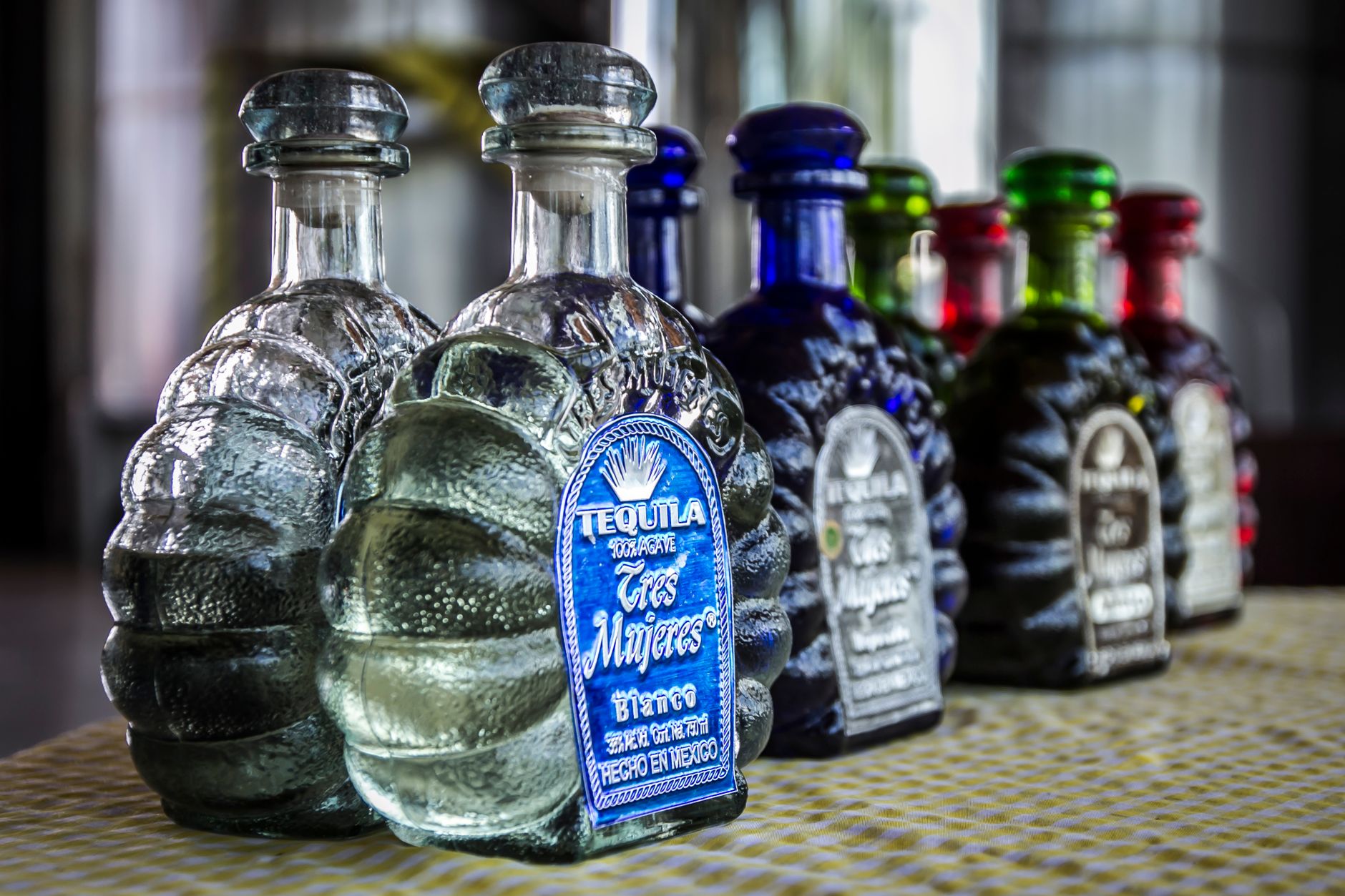
While both come from agave, tequila exclusively uses blue agave and is primarily produced in Jalisco. Mezcal can be made from multiple agave species and often employs a smoky roasting process. This creates mezcals signature earthy and complex flavors, contrasting with tequilas typically smoother profile.
Can I use Mexican whiskey in cocktails?
Yes, Mexican whiskey works well in classic cocktails like Old Fashioneds, Manhattans, or whiskey sours. Its unique notes of vanilla and spice offer a fresh twist. Pair it with bitters, citrus, or mild sweeteners to highlight its character.
Where can I buy authentic Mexican spirits?
Look for specialized liquor stores with a good Mexican or Latin American selection. Verify packaging and certifications on labels. Some online retailers also stock genuine options but always check shipping laws and seller reputation.
How should I store Mexican spirits?
Store unopened bottles of mezcal, whiskey, or sotol in a cool, dark place away from direct sunlight. After opening, consume within 612 months for best flavor. Tepache and pulque must be refrigerated and consumed within 35 days due to their live cultures and fermentation activity.
What are the key allergens in Mexican spirits?
Pure distilled Mexican spirits are generally allergen-free but may cause reactions for sensitive individuals due to sulfites or residual sugars. Tepache and pulque might contain traces of additives or fermenting agents. Always check labels and contact manufacturers if unsure.
How do Mexican spirits compare to other global liquors?
Mexican spirits offer distinctive flavors shaped by indigenous plants and traditional methods. Mezcals smoky character contrasts with Scotch whiskys peatiness but shares artisanal roots. Mexican whiskey provides a sweeter, fruitier alternative to American bourbons. Their regional cultural context adds layers unmatched in many global liquors.
What are common mistakes when buying Mexican spirits?
Buying cheap, uncertified bottles can lead to poor taste and unknown ingredients. Look for transparency in labeling and certifications. Avoid confusing mezcal with tequila or counterfeit products. One expert tip: always smell and taste small samples if possible before full purchase.
Why do some cheap Mexican spirits disappoint?
Lower-priced options often compromise on aging, quality control, and raw material sourcing. This results in harsher flavors and potential impurities. Investing in moderately priced, certified spirits ensures cleaner taste and supports authentic production methods.
One expert tip for buying Mexican spirits
Seek spirits with strong provenance and approved regulatory seals like COMERCAM for mezcal. These guarantee geographic origin, authentic methods, and quality assurance. It also helps if the brand supports sustainable practices and transparent ingredient sourcing.
More You Might Like
Explore soothing herbal blends with a Starbucks medicine ball for natural wellness. Or learn the subtle differences between tart and refreshing brews in our detailed guide on Sour vs gose beer.
Conclusion
Mexican spirits offer a vibrant world far beyond tequilas fame. Exploring mezcal, raicilla, Mexican whiskey, tepache, and pulque lets you enjoy rich traditions and distinct flavors with every sip. Next time you shop, check labels for authenticity and certifications. Savor slowly and appreciate the craftsmanship behind these unique beverages. Share your experience or ask questions below your discovery journey awaits.
FAQs
Is Mexican spirits actually Halal — what should I check on the label?
Alcohol is generally not Halal, so most distilled Mexican spirits are prohibited under Islamic dietary laws. Some fermented drinks like specific pulque varieties may vary depending on alcohol content. Always look for halal certifications from agencies like JAKIM, HMC, or IFANCA to verify compliance with Halal standards.
How long do Mexican spirits last after opening?
Unopened mezcal, whiskey, or sotol bottles can last for years if stored properly. After opening, consume them within 6 to 12 months for the best flavor. Fermented drinks like tepache and pulque should be refrigerated and consumed within 3 to 5 days due to ongoing fermentation and live cultures.
What is the difference between mezcal and tequila?
Tequila is made exclusively from blue agave and primarily produced in Jalisco, offering a smoother, sweeter profile. Mezcal can be made from various agave species and is known for its smoky, earthy flavor due to roasting agave hearts in earthen pits, creating a distinct and complex taste.
Is it safe to consume Mexican spirits daily?
While some Mexican spirits like mezcal and pulque may have digestive benefits, daily alcohol consumption is not recommended. Moderation is essential to reduce health risks. Enjoy these drinks slowly, be aware of your limits, and choose high-quality, transparent products to minimize potential harm.
Where can I buy authentic Mexican spirits?
Look for specialized liquor stores or online retailers that offer reputable Mexican or Latin American selections. Always verify packaging, certifications, and seller reputation. Avoid cheap, uncertified products and seek labels with regulatory seals like COMERCAM for mezcal to ensure authenticity.