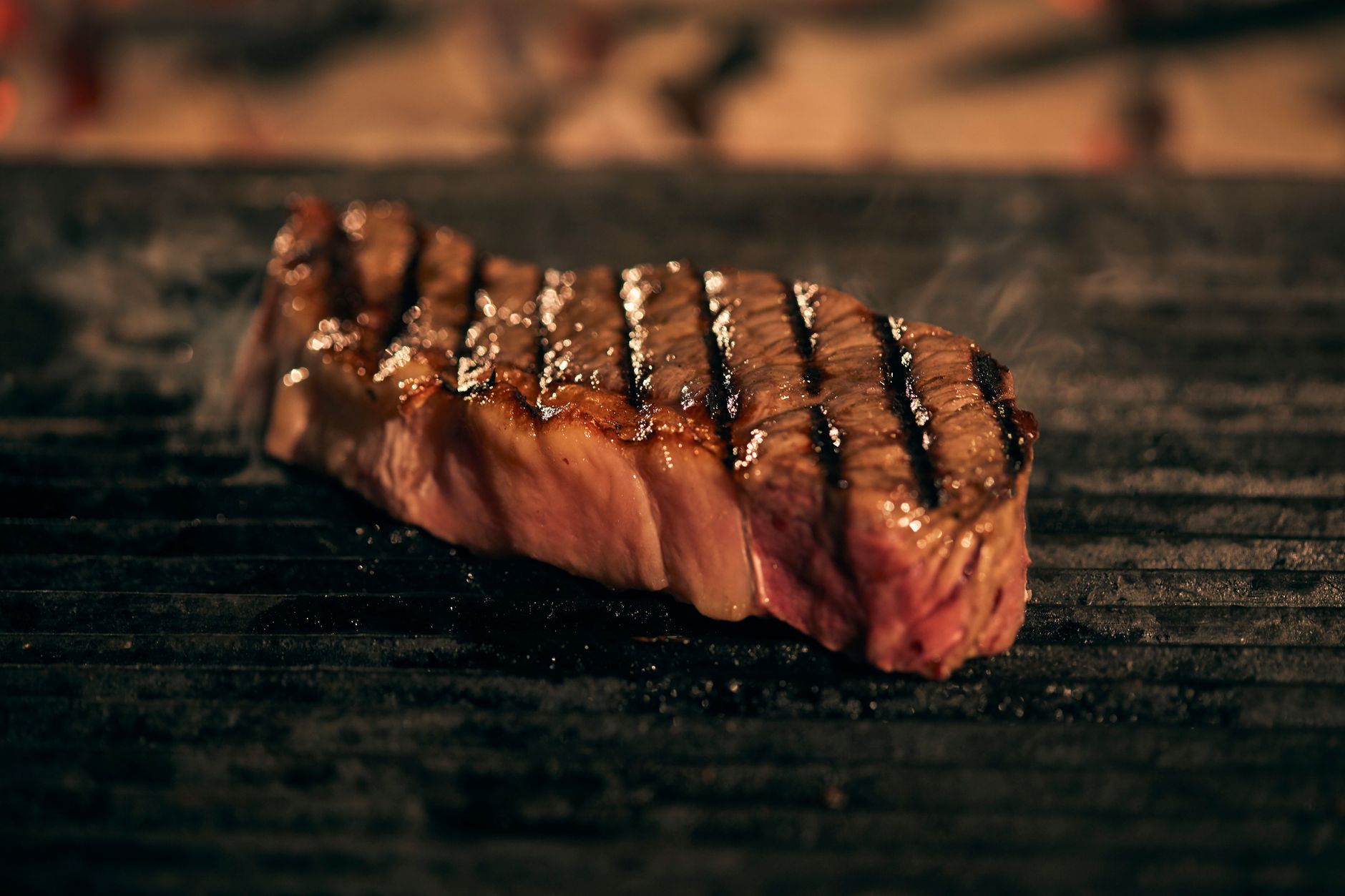
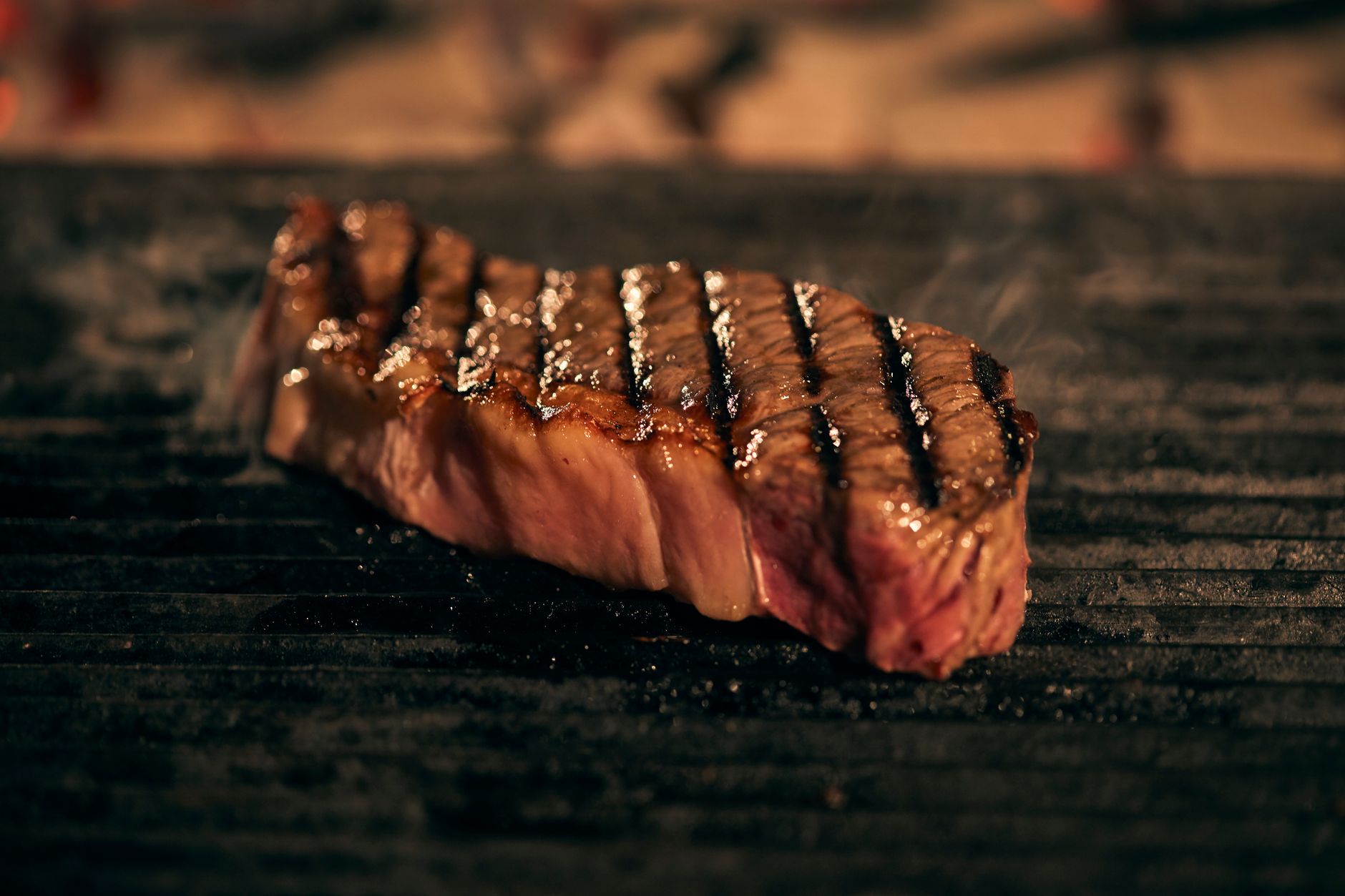
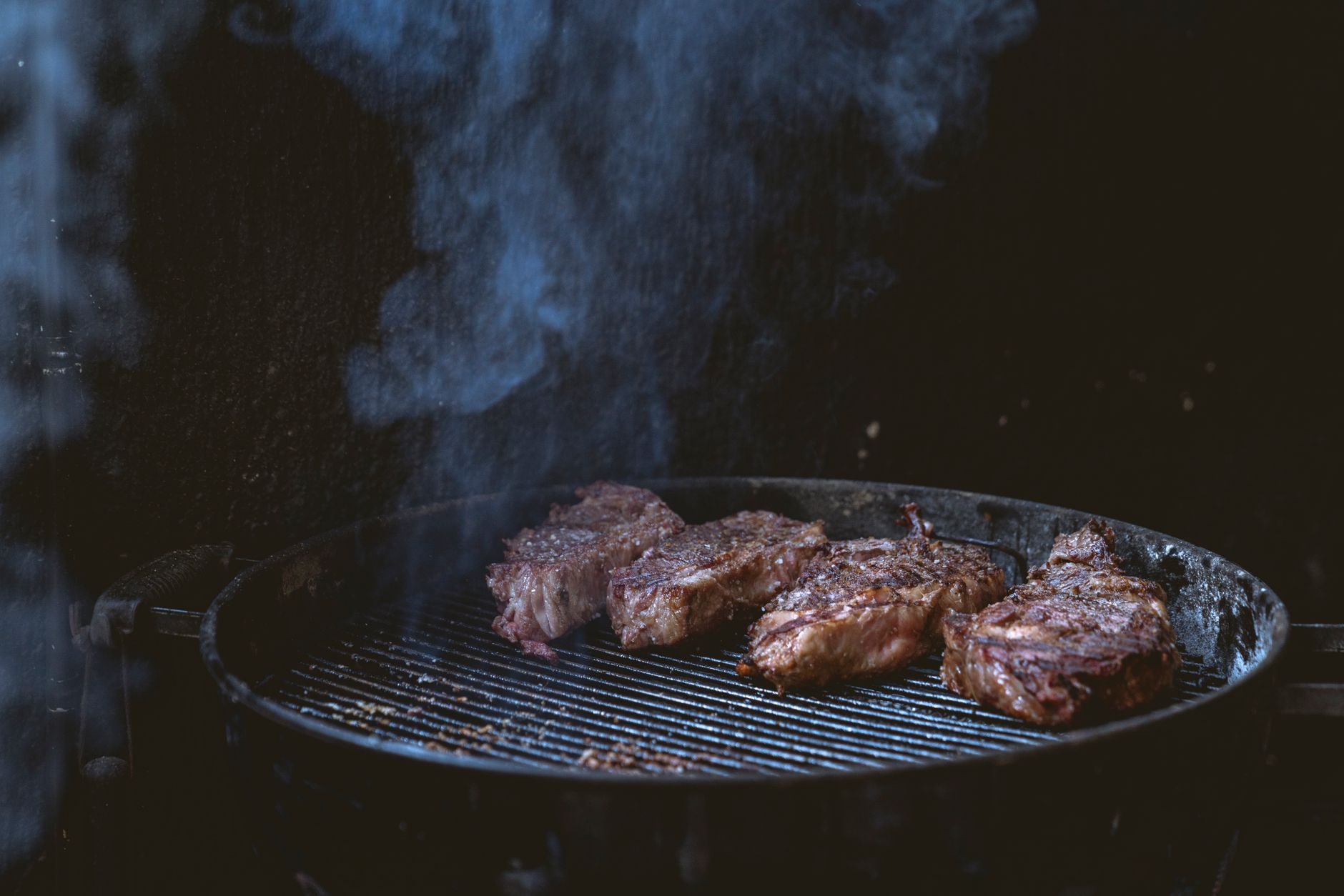
When it comes to LongHorn Steakhouses menu, the Renegade Sirloin steak often gets a bad rap. This lean cut is known for being tougher and chewier than other steaks, which leads many diners to call it the worst option. But what exactly makes the Renegade Sirloin so demanding? And is there a chance it might suit your taste or dietary needs? Lets break down what you should know before ordering this steak.
What Is Sirloin Steak?
Understanding the Renegade Sirloin Cut
The Renegade Sirloin steak is trimmed from the sirloin primal, located toward the rear of the cow, just before the round. This area features lean muscle groups that get significant exercise, which naturally results in a firmer texture. Unlike the more marbled ribeye or tender filet mignon, the Renegade Sirloin contains less fat and connective tissue, giving it a bold but tougher bite.
This lean profile aligns with certain consumer preferences for health-conscious meats, but the trade-off is reduced tenderness. Experts in meat science explain that muscle fiber composition and low intramuscular fat (marbling) contribute to chewiness. The Renegade Sirloin fits within the top sirloin category but sits on the leaner, less buttery end of the spectrum.
So when you bite into this steak, expect a different mouthfeel than with fattier cuts. Its a great example of how sirloin cuts vary widely and why knowing the exact type matters.
How Renegade Sirloin Compares to Other LongHorn Cuts
LongHorn offers a variety of steak cuts, each targeting distinct tastes and textures. Compared to favorites like the Ribeyes rich marbling, the New York Strips moderate fat, or the tender Filet Mignon, the Renegade Sirloin stands out as noticeably leaner and firmer.
| Steak Cut | Marbling Level | Tenderness | Flavor Profile |
|---|---|---|---|
| Renegade Sirloin | Low | Firm / Chewy | Lean, Beefy |
| Ribeye | High | Very Tender | Rich, Buttery |
| New York Strip | Medium | Tender | Bold, Juicy |
| Filet Mignon | Low to Medium | Extremely Tender | Mild, Delicate |
This side-by-side look makes it clear why the Renegade Sirloin earns its tough-guy reputation. It sacrifices the velvety tenderness of these other steaks in favor of a leaner, drier texture that not everyone enjoys.
Why Is This Steak So Tough?
Key Factors Behind Renegade Sirloins Firmness
The primary cause of the steaks toughness comes from its low fat content and muscle structure. The sirloin muscles serve larger locomotive functions, so their fibers are denser and contain more collagen. Cooking this cut even to medium or medium-rare wont fully break down these muscle fibers, demanding a more deliberate preparation.
Additionally, aging plays a huge role. Cuts like the ribeye and strip benefit immensely from dry or wet aging, which enzymes soften connective tissue and intensify flavor. Many Renegade Sirloin steaks, however, receive minimal aging, maintaining their firm texture but missing out on additional tenderness.
LongHorns standard cooking methods, such as grilling over an open flame, can further dry out this already lean cut, making chewing tougher. Alternative approaches like marinating or sous vide might soften it nicelybut without those, expect a challenge.
Does Toughness Mean You Should Avoid It?
Not necessarily. Texture preferences vary widely. Some steak lovers prize lean cuts for their robust, beef-forward flavor and enjoy the satisfying chew. Meanwhile, others prefer a velvety, melt-in-your-mouth quality.
Dining reviews and customer anecdotes often reveal polarized opinions. At LongHorn, many diners find the Renegade Sirloin overly tough and dry, while others appreciate its no-frills, straightforward meatiness. If youve loved other lean steaks or value low-fat options, this cut might deserve a spot on your plate.
Quality of Sirloin at LongHorn
How the Renegade Stands in Quality Checks
Quality in sirloin steaks hinges on marbling, tenderness, juiciness, and flavor. According to USDA FoodData Central, sirloin typically ranks medium to low in marbling compared to ribeye or T-bone cuts.
At LongHorn, the Renegade Sirloin sits at the low end of quality signals. Limited marbling means it scores lower in juicy mouthfeel and melts-in-mouth softness. Flavor is beefy but less nuanced without the fats rich enhancement.
Still, its consistently Halal-certified at various locations, bearing trusted logos like JAKIM and HMC for assurance. This adds an important layer for customers prioritizing clear Halal compliance.
Expert and Customer Reviews on Renegade Sirloin
Food bloggers and steak critics often mention the Renegade Sirloin as a budget-friendly yet demanding choice. Its commonly described as chewy or stringy, lacking the plush mouthfeel of higher-end cuts. Some experts recommend marinating heavily or choosing alternate cooking techniques to rescue its texture.
Customer feedback echoes these sentiments: praised for health-conscious leanness but criticized for toughness. When exploring blue rare steak or other LongHorn options, this feedback helps shape informed choices.
Benefits of Choosing Renegade Sirloin
Low-Fat, Healthy Choice
One undeniable advantage is its low-fat content. For those following calorie-conscious or heart-healthy diets, lean sirloin offers protein with less saturated fat. The Renegade Sirloin clocks in with about 5 grams of fat and only 180 calories per typical servingsignificantly lower than ribeye or prime rib.
Halal certification adds peace of mind about the meats source and ethical treatment, matching preferences for conscientious consumers.
Cooking Tips to Maximize Tenderness
To tame the Renegade Sirloins toughness, try these proven methods:
- Marinate: Use acidic bases like lemon juice, yogurt, or vinegar for 24 hours to break down muscle fibers.
- Sous Vide: Cook at 130F (54C) for 23 hours to gently tenderize without drying.
- Slow Cook: Braising or low-heat roasting keeps moisture in and softens tissue.
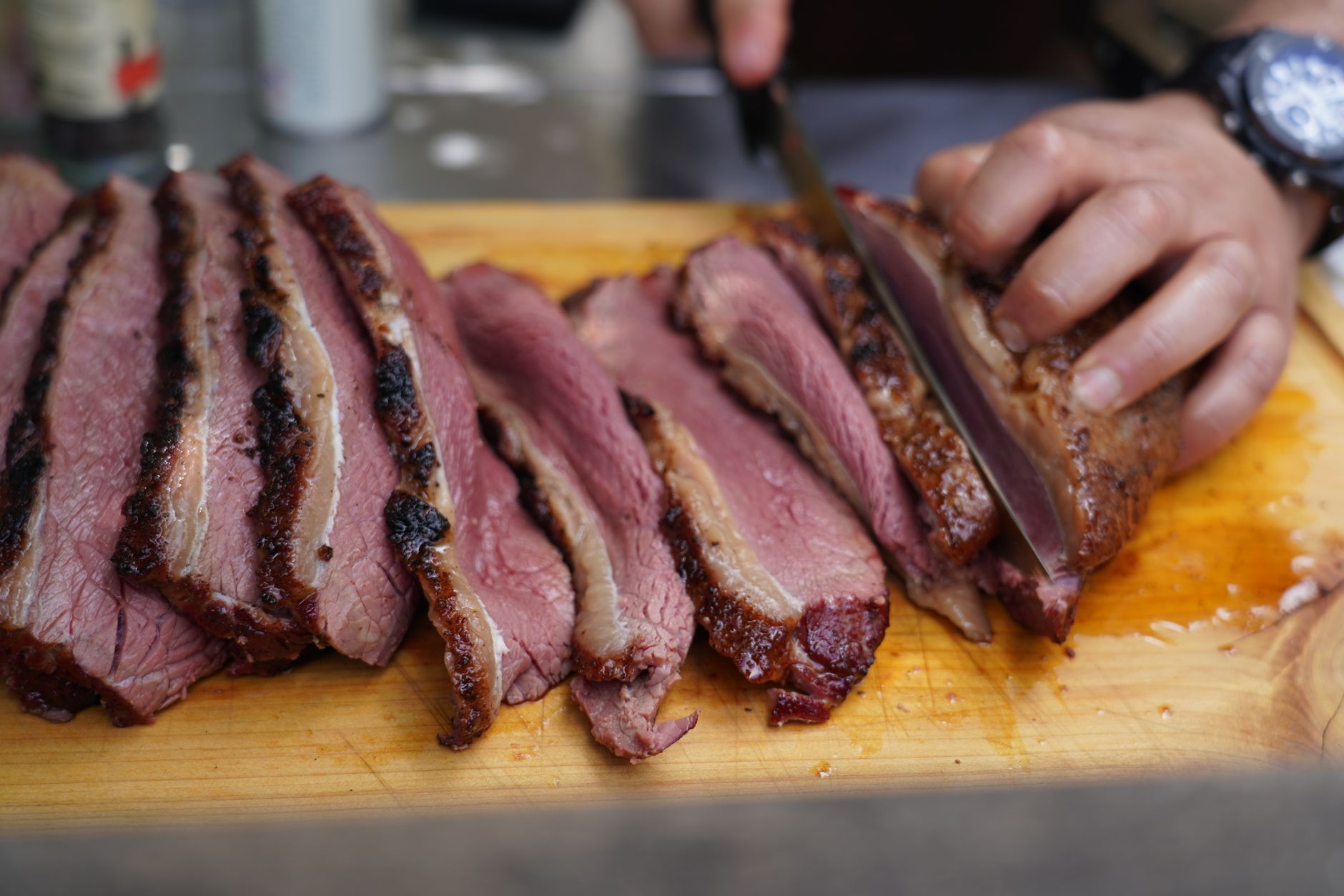
- Slice Thinly: Thin slices across the grain reduce chew effort.
Season with robust blends like smoked paprika, garlic powder, and black pepper for extra flavor. Pair with creamy sides or sauces to balance any dryness.
Best LongHorn Steak Cuts
Top Picks For Flavor and Tenderness
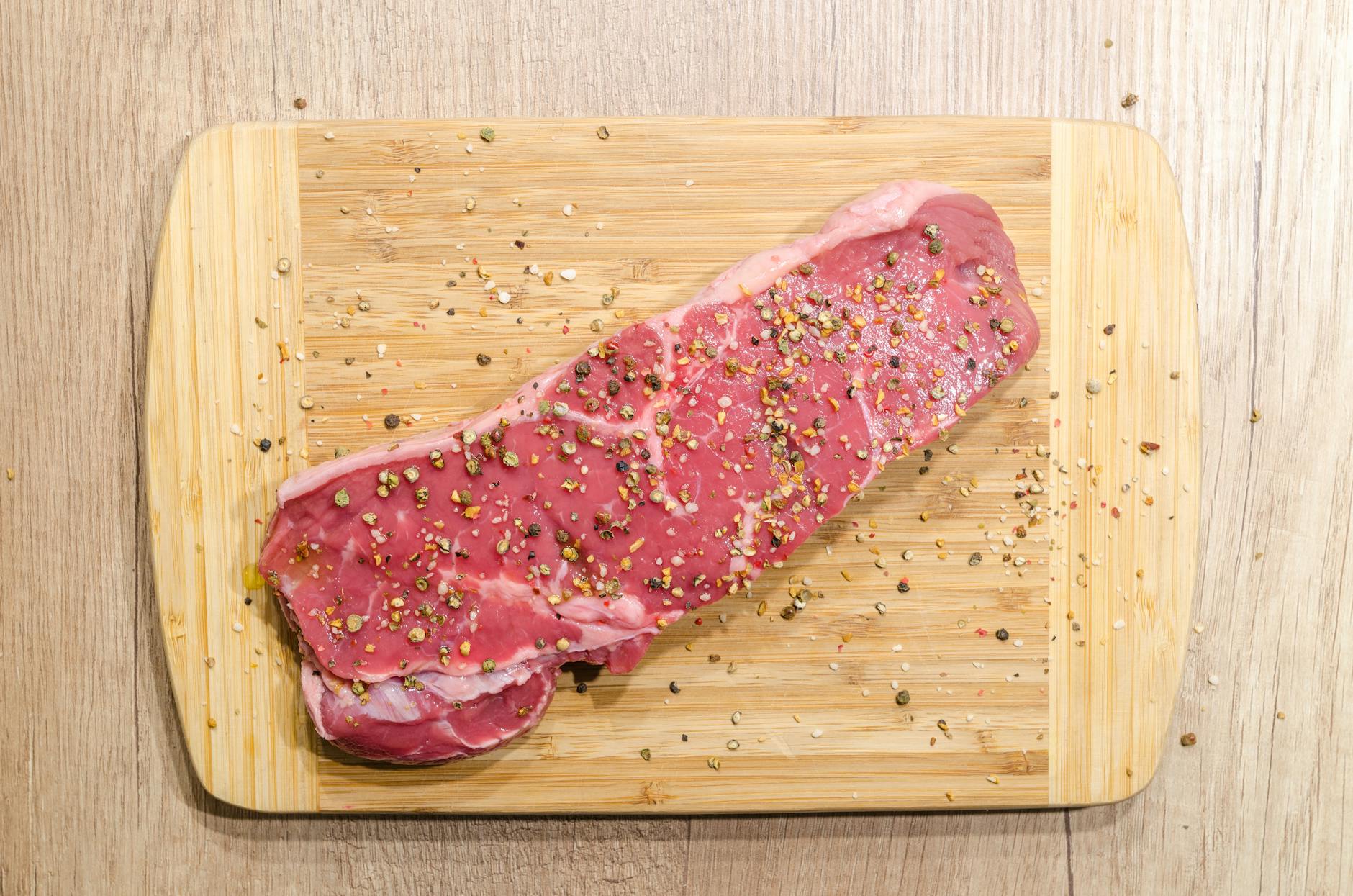
Most steak lovers gravitate toward cuts like Filet Mignon, Ribeye, and New York Strip at LongHorn. These hit the sweet spot between tenderness, marbling, and robust flavor:
- Filet Mignon: The softest cut on the menu, perfect for melting texture lovers.
- Ribeye: High marbling delivers juicy richness and bold beef flavor.
- New York Strip: Balanced fat content offers a tender but beef-forward bite.
These choices avoid the chewiness many find off-putting in the Renegade Sirloin, making them safer bets for first-timers.
Choosing the Right Steak
To decide your steak, consider these simple guidelines based on preferences:
- If you want maximum tenderness and rich flavor, pick ribeye or filet.
- If you favor leaner, lower-fat cuts but dont mind firmness, Renegade Sirloin fits.
- Budget-conscious? Sirloin can offer value but expect some chew.
- For adventurous texture lovers or health-focused eaters, lean cuts work well.
Knowing your taste and nutrition goals helps you find the best match on LongHorns extensive steak menu.
Final Thoughts on Renegade Sirloin
Quick Pros and Cons Summary
- Pros: Lean, Halal-certified, budget-friendly, high protein, suits low-fat diets.
- Cons: Tough texture, less juicy, less marbled, requires special preparation for tenderness.
Who Should Try Renegade Sirloin?
This cut suits anyone prioritizing lean meat and lower calories, or those curious about unique steak textures. Its also a good entry point for halal-conscious diners looking at LongHorn but mindful of fat content. Just be prepared for some chew and consider marinating or slower cooking to bring out the best.
For other flavorful beef ideas, explore meat loaf recipes that combine ground beef with rich herbs and sauces for less challenging textures.
Is Renegade Sirloin Steak Actually Halal What Should I Check?
Renegade Sirloin steak at LongHorn can be Halal, depending on location and certification. Always look for official Halal certification logos such as JAKIM (Malaysia), HMC (UK), or IFANCA (USA) on menus or at your restaurant. Confirm the meat source and processing methods comply with Halal standards, which include humane slaughter and avoidance of prohibited substances.
When Is the Best Time to Eat Renegade Sirloin Steak?
Enjoy Renegade Sirloin fresh off the grill at lunch or dinner when you want a lean, protein-packed meal. Its hearty texture pairs well with a midday energy boost or satisfying dinner. Avoid consuming it too late at night if digestion of tougher meats tends to bother you.
What Cooking Methods Tenderize Renegade Sirloin Best?
Marinating with acidic ingredients for 34 hours, sous vide cooking at 130F (54C) for 2 hours, or slow-braising in liquid all tenderize this cut effectively. Quick searing alone wont soften fibers much.
How Does Renegade Sirloin Nutrition Compare to Ribeye?
Renegade Sirloin contains roughly 120 calories and 5g fat per 3 oz serving versus Ribeyes 240 calories and 18g fat, making sirloin a lower-fat, lower-calorie option suitable for health-focused diets.
Can I Use Renegade Sirloin For Steak Recipes That Call For Ribeye?
You can, but adjust cooking times and preparation. Consider marinating to improve tenderness and avoid overcooking, which would make it even tougher. Texture and flavor will differ.
Is There a Label Indicator for Lean or Certified Halal Sirloin?
Check packaging labels for marbling grade (like USDA Select or Choice) and Halal certification marks such as JAKIM or IFANCA seals. Authentic Halal meat will also note processing according to religious dietary laws.
What Is the Most Overlooked Mistake When Buying Sirloin?
Ignoring fat content or certification can lead to unexpectedly tough or non-Halal meat. Prices that seem too low often reflect minimal aging or thin slices from lower-quality parts. Always check the label and source carefully.
One Expert Tip for Buying Sirloin Steak
Ask your butcher or vendor about the cuts aging process. Even lean cuts benefit dramatically from dry or wet aging, which enhances flavor without adding fat. This info often isnt advertised but makes a big difference in eating experience.
More You Might Like
If you appreciate hearty beef recipes, try our meat loaf guide for a classic dish with great Halal options. For steak cooking techniques exploring doneness, check out our tips on blue rare steak to expand your grilling skills.
Conclusion
The Renegade Sirloin steak may be the toughest cut at LongHorn, but its distinct lean profile and Halal certification make it a unique choice for health-concerned or halal-focused diners. If you decide to try it, marinate or slow-cook for a better texture. Next time you check the menu or grocery label, keep in mind the balance between tenderness, flavor, and nutritionthen pick the cut that fits your taste and lifestyle best.
FAQs
Is Renegade Sirloin steak actually Halal — what should I check on the label?
Renegade Sirloin steak can be Halal depending on the location. Check for official Halal certification logos such as JAKIM, HMC, or IFANCA, and confirm the meat source complies with Halal standards including humane slaughter and proper processing.
When is the best time to eat Renegade Sirloin steak?
Enjoy Renegade Sirloin at lunch or dinner for a lean, protein-packed meal. Its firm texture is satisfying earlier in the day and avoids late-night digestion issues some might have with tougher meats.
How long does Renegade Sirloin steak stay fresh after opening?
After opening, keep Renegade Sirloin refrigerated and ideally use within 3 to 5 days for best quality. Freezing can extend shelf life for several months but may affect texture slightly.
How does Renegade Sirloin steak compare to Ribeye in taste and nutrition?
Renegade Sirloin is leaner and firmer with lower fat and calories compared to the richer, more marbled Ribeye. It has a beefy flavor but less tenderness, suiting health-conscious eaters better than those seeking buttery texture.
Where can I buy Halal certified Renegade Sirloin steak?
Halal certified Renegade Sirloin steak is available at selected LongHorn Steakhouse locations and specialty meat vendors. Always verify Halal certification on packaging or menus before purchase.