So, youve got a 750ml bottle of your favorite liquor sitting there, maybe unopened or half-empty, and youre wonderinghow many shots can I actually pour from this thing? I mean, it sounds like a simple question, but it turns out the answer isnt quite as straightforward as you might think.
Quick answer? If youre talking standard shot size in the U.S., which is about 1.5 ounces, youre looking at around 16 to 17 shots from a 750ml bottle. But heres where things start to get a little tricky: not all shots are created equal, and depending on your shot ounces or how generous you pour, the number can swing quite a bit.
Stick around, because Ill break this all down for youfrom the mystery of shot sizes to the safest way to approach your pours, plus some tips on why knowing your numbers actually matters. Ready? Lets dive in.
Standard Shot Size
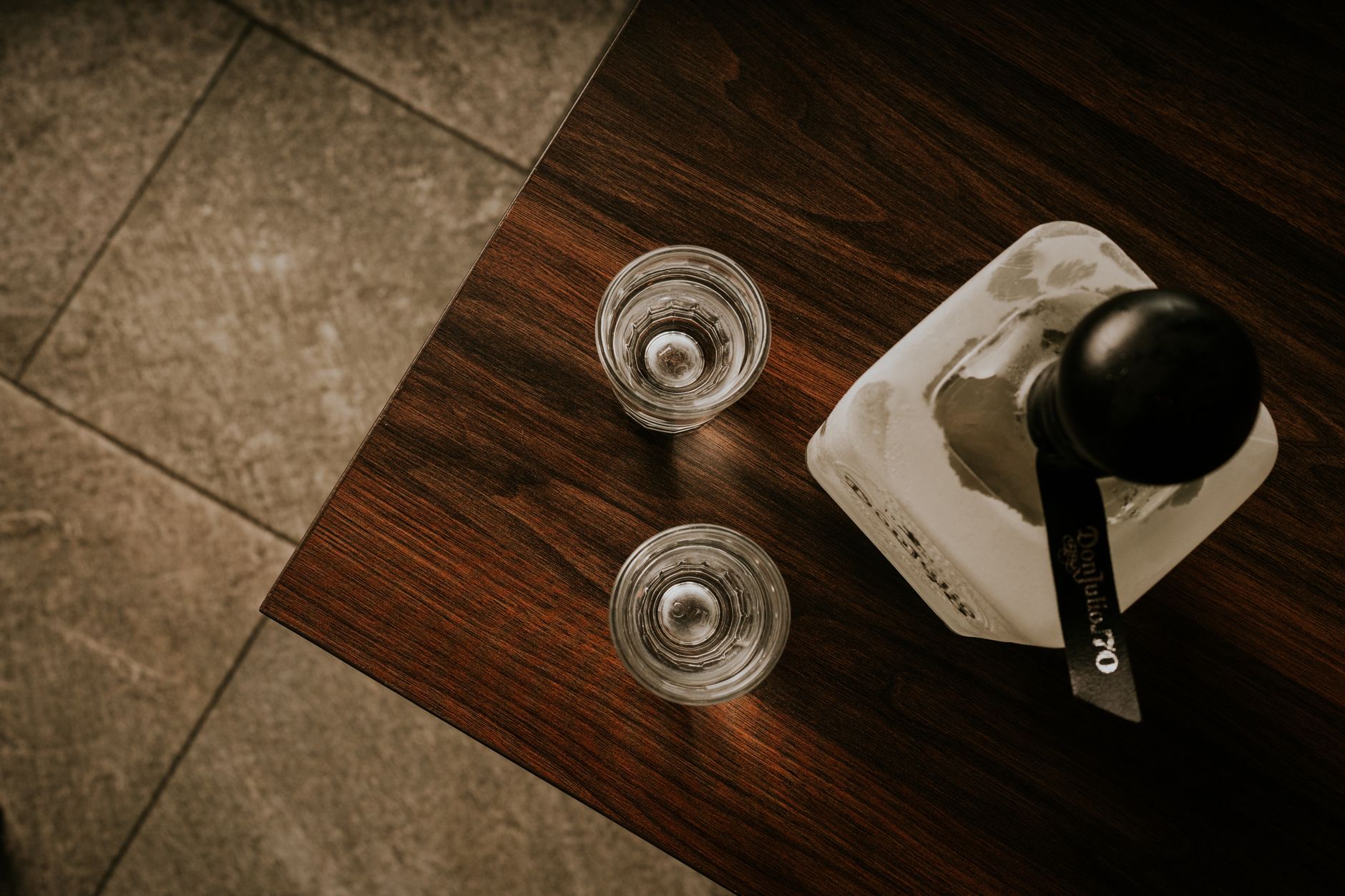
First off, what exactly is a shot? You might think its just whatever fits in your small glass, but notheres some official stuff behind this. In the U.S., a standard shot is usually 1.5 fluid ounces, which is about 44 milliliters. However, thats not set in stone everywhere. Some bars pour 1 ounce (30ml) shots, while others might be a bit more generous at 2 ounces. And if you travel abroad, youll see even more variationyou could find a shot as small as 25ml or as big as 60ml.
Why does this matter? Because the whole calculation of how many shots in 750ml depends heavily on this size.
Why Shot Size Varies
The thing is, no single standard regulates it worldwide. Different countries have different legal regulations. Bars often pour according to house policyand sometimes, just how the bartender feels that day! Youve heard the phrase: That was a double shot, and now youre thinking, Wait, how many shots have I had? Thats the kind of variability were talking about.
Health organizations and government agencies like the U.S. Alcohol and Tobacco Tax and Trade Bureau (TTB) set definitions for standard alcohol servings, but they dont control what bartenders pour. So, its a bit of a mix between science, law, and good old bartender discretion.
How to Measure Your Own Shot Ounces at Home
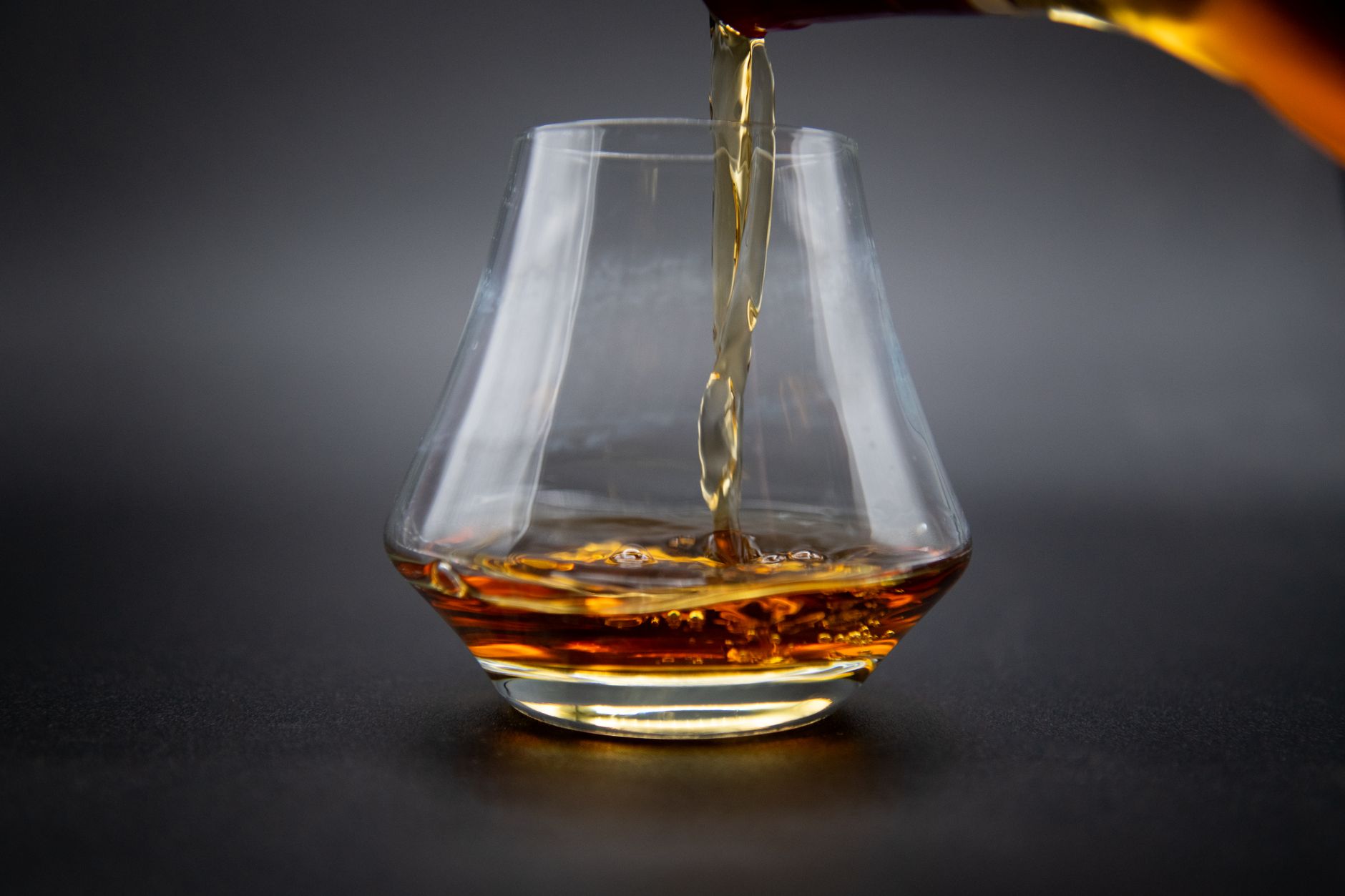
If youre not trusting what looks like a shot in your glass, measuring it yourself is super easy (and kind of fun). Grab a measuring cup or a kitchen scaleyes, your baking tools can come to the rescue here! Pour your shot into the cup and see exactly how many ounces it holds. Its a neat little experiment that helps you pour smarter next time, especially if you want to keep track of alcohol servings for a party or just personal moderation.
Trust me, knowing your pour might save you from a few uh-oh moments laterand bonus, itll make your drinks better and more consistent.
Shots in 750ml Bottle
Alright, now that you know what a standard shot is, lets talk numbers. A 750ml bottle equals about 25.36 fluid ounces. So, to figure out how many shots you get, divide 25.36 by your shot size.
For example:
- If your shot is 1 ounce, thats 25 shots per bottle.
- If your shot is 1.25 ounces, you get around 20 shots.
- And if youre sticking to the typical 1.5-ounce U.S. standard shot, expect roughly 16 to 17 shots.
It's neat and tidy math, but keep in mind that when youre pouring, splashes, different glass shapes, or slightly overfilling can all steal away your real shot ounces.
| Shot Size (oz) | Shots in 750ml Bottle |
|---|---|
| 1 oz (30 ml) | 25 shots |
| 1.25 oz (37 ml) | 20 shots |
| 1.5 oz (44 ml) | ~17 shots |
If youd like to pour exactly or impress your friends with some cocktail math, you can actually measure your shot glasses over time and tweak your pours until its right.
Using Liquor Bottle Shots as a Guide
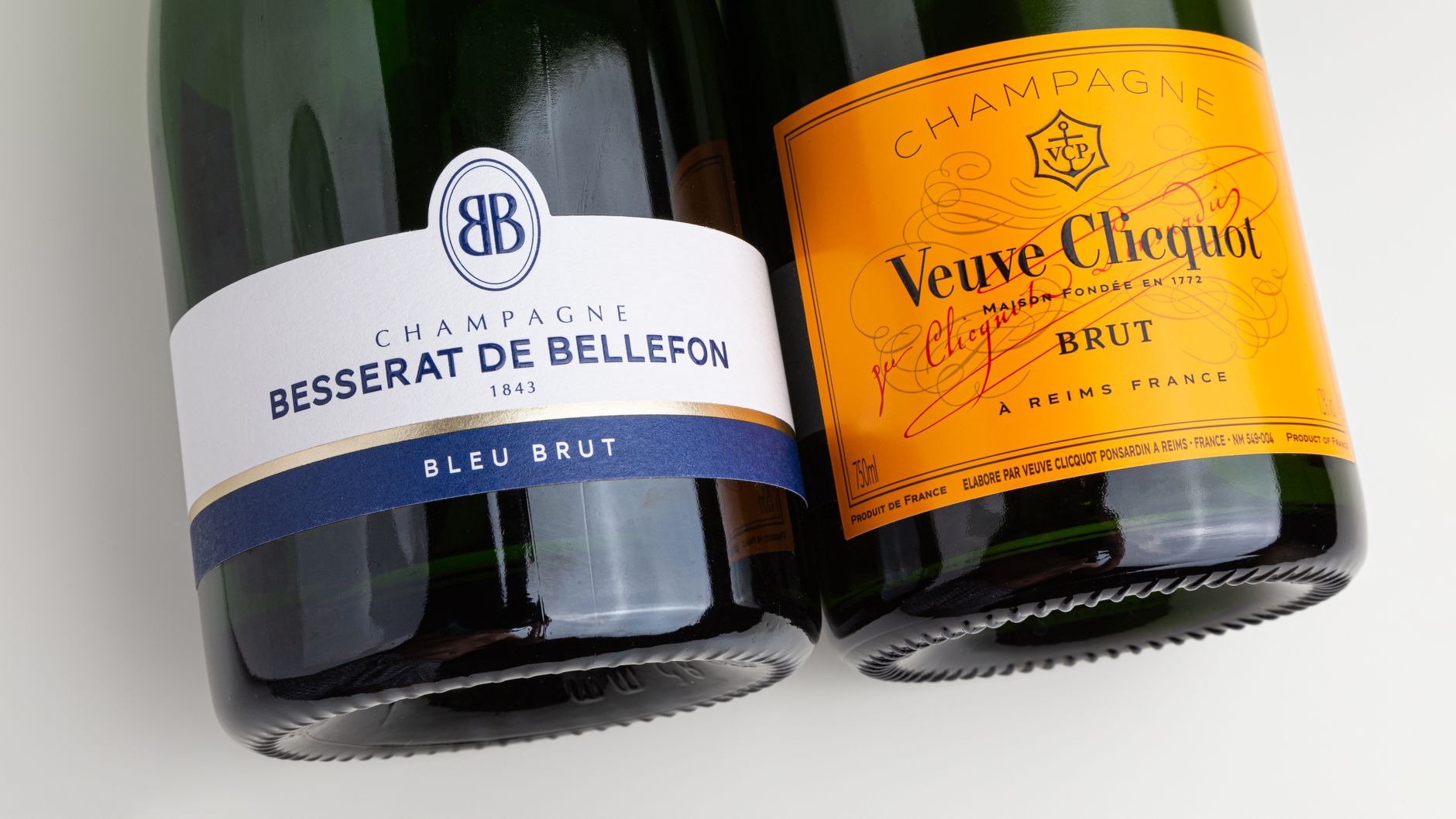
Sometimes bottles even help you out by marking standard servings or servings per container right on the label. Its like having a little cheat sheet. But take these marks with a grain of salt, because they often represent legal serving sizes or nutritional serving sizes, which might not match your real-life pour at a party or bar.
Alcohol Servings & Responsible Drinking
Okay, weve got the math down, but why should we care? Well, understanding shots in 750ml isnt just a neat party factit ties directly into knowing how much alcohol youre actually consuming. One standard drink typically contains about 14 grams of pure alcohol, which is roughly the amount in a 1.5-ounce shot of 40% ABV (alcohol by volume) liquor.
When you know this, you can pace yourself better, avoid overpouring, and make your drinking occasions not only more fun but safer.
On that noteever wonder, How many shots are safe in one evening? Thats a great question.
How Many Shots Are Safe?
Health authorities such as the CDC recommend no more than one standard drink per hour to allow your body to process the alcohol effectively. Most guidelines advise moderation and understanding your personal tolerance because effects vary a lot from person to person. The number of shots in that 750ml bottle can sound like a lot, but its vital to treat each shot as its own mini commitmentnot just another quick gulp.
We all want a good time, sure, but Im guessing you dont want to wake up feeling like you went twelve rounds with a tiger.
The Risks of Guesswork and Overpouring
Pouring too many shots or assuming youre sticking to standard sizes without measuring can quickly lead to overconsumption, blackouts, and embarrassing texts (Ive been there, dont worry). Plus, wasting booze is a bummer, especially when that bottle cost you a pretty penny.
If you want a great resource on how to get groceries delivered or maybe even tips on how to save money on groceries (because hey, we all want to be savvy shoppers, right?), check out these handy guides that can help you with planning your next party or night in How to get groceries delivered and How to save money on groceries.
Common Questions About Shots & Bottles
Can You Get More Shots If You Pour Smaller?
Short answer: Absolutely. The smaller your shot ounces, the more shots you can squeeze from that 750ml bottle. But theres a catch. Smaller shots mean less booze per serving, which is great if youre pacing yourself or counting alcohol servings. On the flip side, it can make you think youre drinking less than you are, especially if you end up having more of those smaller shots. The bottom line? Its all about knowing what youre pouring and what the effects are.
What About Different Types of Liquor?
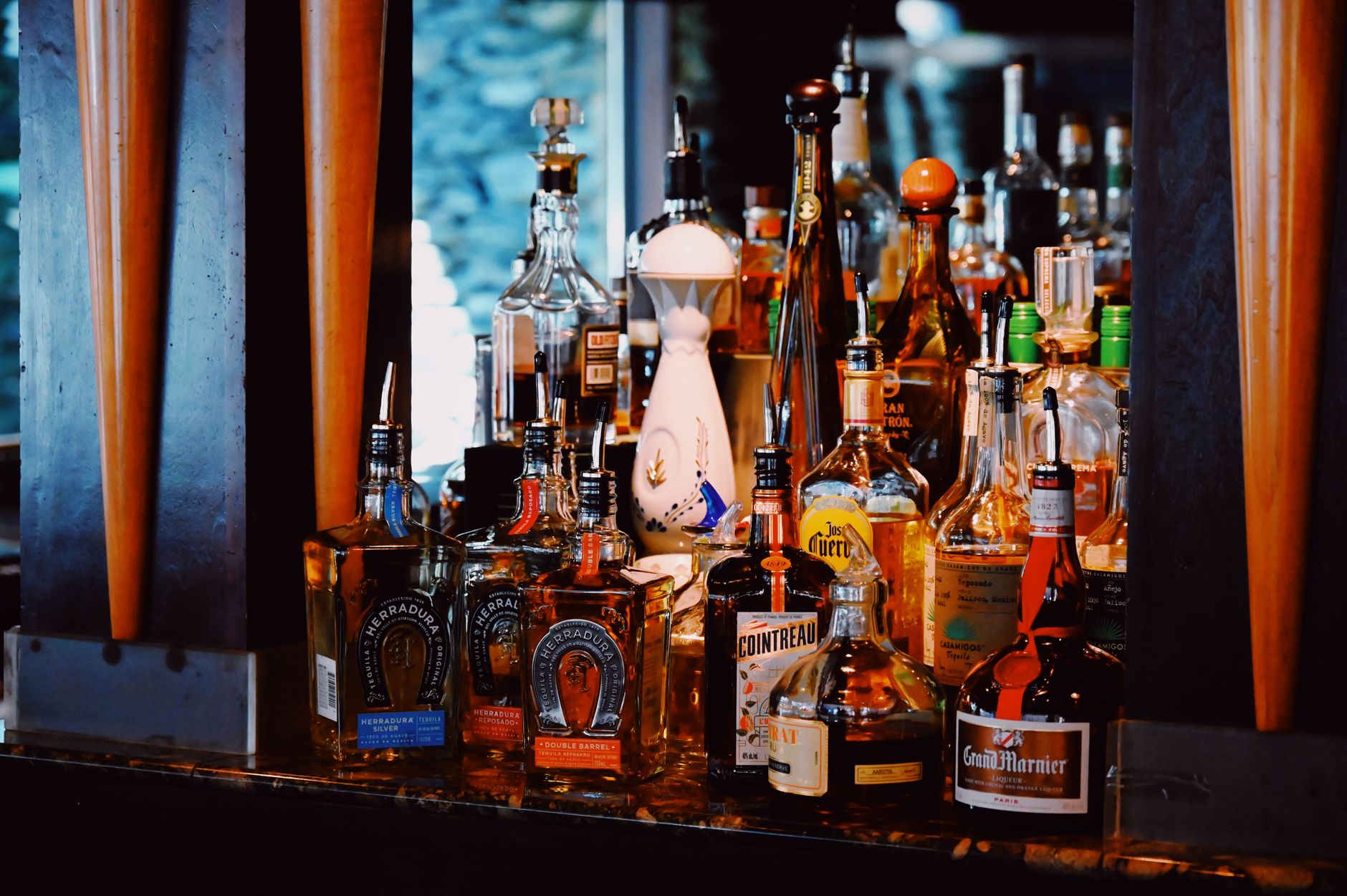
Not all liquor is created equal when it comes to serving size. For instance, liqueurs or creams might typically be poured in smaller quantities compared to straight spirits like whiskey or vodka, because they pack more sugar and calories. Also, some spirits have a higher alcohol content, so standard shot sizes might shift to reflect that. For example, overproof rums or absinthe are often served in smaller quantities to prevent a buzz thats way too strong.
And yes, bars often have their own quirks, pouring tequila shots differently than they would a whiskey shot. I once asked a bartender why my tequila shot seemed so much smallerand he just gave me that smile and said, Tequilas a whole different beast.

Do Bars Pour Shots Differently?
Bars and bartenders juggle a lotfrom customer expectations to liquor costs to local lawsso shot ounces can vary. Some places want to save on liquor, so you might get a 1-ounce shot instead of a full 1.5. Others are generous, giving you a double without even asking. If you want to keep track of your drinking or avoid surprises, its totally okay to ask how much they pour before you order.
Ounces Per Shot Aren't Clearly Defined
See, the biggest hurdle in the whole shots in 750ml saga is that shot ounces arent clearly or universally defined. The term shot is more of a social and cultural convention than a strict unit of measurement. Because of this, the actual volume in your shot glass can be unpredictable unless measured. Its kind of like asking how long a movie is without specifying if you mean the runtime or how long youll actually stay awake watching it. It depends.
This ambiguity can be frustrating, but it also means you get to tailor your drinking experience. Want smaller shots to savor your drink? Go for it. Prefer a bit more to hit the buzz quicker? Thats okay toojust know where you stand.
Recommended
Heres my two cents, and feel free to take it with a grain of salt (or a mini shot of tequila): Start by measuring your shot size at home so you know exactly what youre pouring. That way, youre in control, and you can better track how many shots are left in your 750ml bottle.
If youre hosting friends, take a moment to set some expectations around pours or even get those little measuring jiggersits the pro move! It saves waste, keeps everyone safe, and honestly makes the night way more fun because no one is left guessing.
Also, when youre shopping or browsing online, watch out for liquor bottle sizes and serving infoit helps a ton when planning everything from cocktails to keeping within your personal limits.
So, next time you ask yourself how many shots, youll have the knowledge to answer like a proand maybe even impress someone at the party with your thoughtful pour. Remember, its all about having fun, being safe, and appreciating the craft behind whats in the bottle.
Whats your go-to shot size? Or did you just learn something new that might change how you pour forever? Drop your thoughts or questionswould love to hear about your experiences!
FAQs
How many standard shots can I get from a 750ml bottle?
You can expect about 16 to 17 standard U.S. shots (1.5 ounces each) from a 750ml bottle, though this varies with the shot size poured.
What is considered a standard shot size in the U.S.?
A standard shot in the U.S. is typically 1.5 fluid ounces, or approximately 44 milliliters.
Can the number of shots from a 750ml bottle change based on the type of liquor?
Yes, some liquors like liqueurs or overproof spirits are poured in smaller amounts, which affects the number of shots you can get from the bottle.
Is it important to measure my shot size at home?
Measuring your shot size helps ensure accuracy, prevents overpouring, and aids in keeping track of alcohol intake for safety and consistency.
How many shots are safe to consume in one evening?
Health guidelines generally recommend no more than one standard drink per hour, but personal tolerance varies, so moderation and pacing are key.