Opening a champagne bottle might seem simple, but many people get it wrongresulting in messy spills, surprise corks flying, or even injuries. Knowing exactly how to open champagne bottle correctly makes celebrations smoother and safer. Once you master the right steps, your bubbly moments will be both impressive and worry-free.
Why Proper Opening Matters
Champagne bottles hold carbonated pressures up to 90 psithree times the pressure of a car tire. This built-up force means a cork can launch unexpectedly if handled poorly, causing accidents or waste. Beyond safety, properly opening champagne helps preserve its bubbles and flavor, ensuring a perfect pour every time.
Imagine popping a cork into your friends face or losing half the bottle to a foam explosion. These mishaps arent just embarrassingthey waste expensive, Halal-certified champagne, which you rightly want to enjoy fully. Thats why opening champagne safely matters for your celebration and your health.
Step-by-Step Guide
Prepare the Bottle: Chill and Handle Correctly
The first vital step is chilling your champagne to between 68C (4346F). According to beverage experts, a cold bottle keeps the carbon dioxide dissolved, reducing pressure buildup near the cork. Avoid shaking or moving the bottle vigorously before openingit increases the risk of sudden foam bursts.

Remove The Foil And Cage Carefully
Start by peeling off the foil wrapper around the neck of the bottle. Then, loosen the wire cage by untwisting its tab, but keep the cage firmly in place on the cork. This prevents accidental cork release before you are ready. Never remove the cage entirely until you have a secure hold on the cork.
How to Feel the Cork‘s Stability
Before popping the cork, gently press and twist the cork to assess its tightness. A secure cork wont move easily. If it feels loose, slow your movements to prevent a sudden pop. Your goal is to manage the pressure gradually, avoiding explosive releases.
Proper Technique: Hold Cork, Twist Bottle
Heres where many go wronghold the cork firmly with one hand, do not twist it. Instead, slowly twist the bottle with your other hand. This technique gives you more control over the corks release. Keep the bottle at about a 45-degree angle away from people, fragile objects, or open flames. With gentle pressure, ease the cork out with a soft hiss, not a loud pop.
This method preserves the bubbles and avoids injuries or messes. Take your timerushing is the main cause of champagne-caused accidents.
Tips for Vintage or High-End Champagne
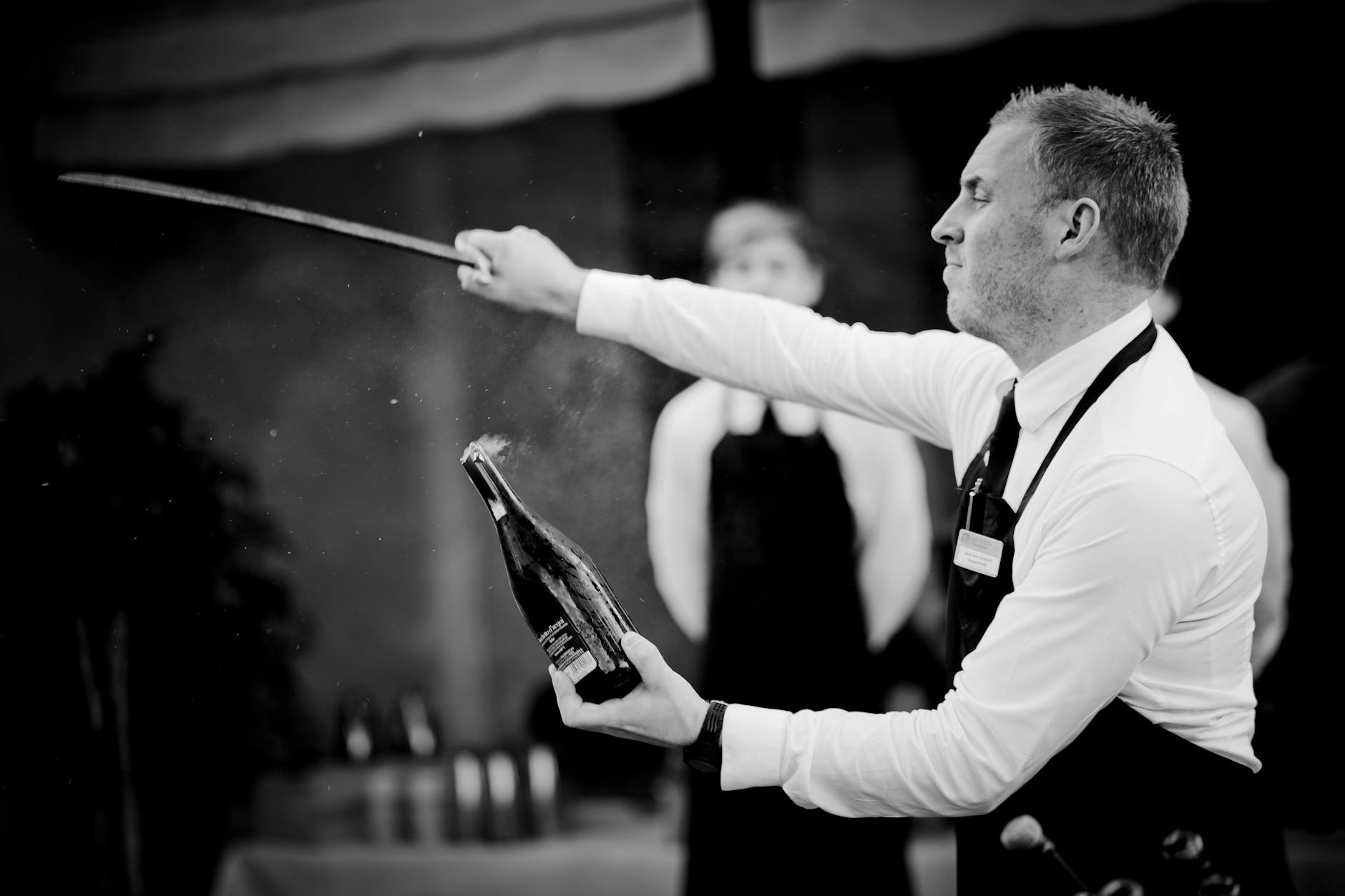
Vintage champagnes, especially Halal-certified premium bottles, demand extra care. Their corks and fragile glass may be more delicate. Sommeliers recommend double chilling and using a towel over the cork for extra grip. Take your time removing the cork even more slowly, reducing pressure by tipping the bottle even further. This ensures you respect the finer bubbles and aromas, enhancing the tasting experience.
Common Mistakes to Avoid
Shaking The Bottle
Shaking a champagne bottle is a disaster waiting to happen. It increases the pressure by disturbing the carbon dioxide inside, often resulting in explosive foam and lost liquid. If you accidentally shake your bottle, hold it upright for at least 30 minutes in the fridge before attempting to open again.
Pointing Bottle Unsafely
Never point the open champagne bottle at anyone, pets, glass, electronics, or valuable items. A flying cork can travel up to 50 km/h and cause injuries or damage. Instead, open the bottle outdoors or over a sink, angling it away from people in a safe direction.
Using Excessive Force or Wrong Grip
Forcing the cork out too quickly or gripping it insecurely can break the cork or send it flying uncontrolled. This risks contamination from cork debris in your drink and possible injury. Keep a firm, steady grip on the cork and twist the bottle slowly, allowing controlled pressure release.

Serving Champagne Properly
Ideal Glassware and Pouring Tips
Choosing the right glass enhances the champagnes aroma and bubbles. Fluted glasses keep bubbles rising and concentrate aromas, while coupe glasses offer a vintage aesthetic but flatter bubbles faster. Hold your glass at a 45-degree angle and pour slowly until about two-thirds full. This maintains carbonation and avoids foam overflow.
Storing Opened Bottles
Once opened, re-seal the bottle with a champagne stopper and refrigerate promptly. An opened bottle keeps its quality for 13 days. Avoid using regular bottle caps, which dont maintain the high pressure and lead to flat champagne. Keep the bottle upright to reduce oxidation.
Accessories That Help Open Champagne
Foil cutters make clean removal of foil effortless and safer. Champagne openers provide grip and leverage to ease cork removal if youre uncomfortable using bare hands. Champagne stoppers preserve bubbles by snapping tightly, locking in carbonation for up to 3 days in the fridge. Investing in these simple tools improves your opening experience, avoiding common mistakes.
Is an open champagne bottle still Halal?
Yes, champagne itself can be Halal if it is certified and does not contain alcohol derivatives forbidden by Islamic law. However, champagne typically contains alcohol, so it is generally considered non-Halal unless clearly certified. For consumers checking Halal compliance, look for labels from JAKIM, HMC, or IFANCA certification bodies on the bottle to ensure it meets standards.
How long should champagne be chilled before opening?
The best time to chill champagne is 34 hours in the refrigerator at 68C (4346F). If short on time, placing the bottle in an ice and water bath for 2030 minutes will quickly bring it to the ideal temperature without excess chilling which can dull aromas.
What should you do if the cork breaks when opening?
If the cork crumbles or breaks, remove any cork bits from the bottle neck carefully. Decanting the champagne through a fine mesh strainer into glasses can help avoid cork debris in your drink. Use extreme caution to avoid glass shards if the cork breaks unusually.
Can you reuse champagne corks safely?
Champagne corks cannot be reinserted due to their expanded shape after popping. Instead, use a dedicated champagne stopper to reseal an opened bottle safely and trap carbonation.
Why is champagne often served in a flute glass?
Flute glasses preserve carbonation better by minimizing surface area exposure to air. Their tall and narrow shape directs bubbles upward and concentrates aromas near your nose for a more vibrant drinking experience.
What causes champagne to foam over upon opening?
Foaming happens when pressure inside the bottle is released too quickly or if the bottle was shaken. Rapid depressurization forces CO2 out violently, producing foam spills. Slow and controlled opening minimizes foam.
Can you open champagne without a corkscrew or special tools?
Yes, by carefully removing the foil and cage and following the hold-cork, twist-bottle method, you can safely open champagne by hand. Specialized tools make it easier but are not mandatory.
Pro Tips for Better Opening
- Never shake the bottleif in doubt, chill longer to calm fizz.
- Use a towel over the cork for better grip, especially with wet or sweaty bottles.
- Practice the twist-bottle technique slowly; quick jerks lead to spills.
- Keep the bottle angled away from faces and fragile objects when opening.
If you want to learn about measuring drink portions precisely, check out this interesting guide on Shots in 750ml. For a delicious party drink that pairs well with bubbly, heres our review on the Best tequila margarita.
More You Might Like
- Shots in 750ml explores serving sizes for spirits, helping you plan celebrations responsibly.
- Discover cocktail recipes and tips in our Best tequila margarita post to complement your champagne toast.
Conclusion
Learning how to open champagne bottle properly brings elegance and safety to every celebration. With chilling, slow twisting, and angle control, you can avoid messes and injuries while preserving flavor and bubbles. Next time you pick up a bottle, remember these tips for a smooth pop. Feel free to share your sparkling success stories or questions belowcheers to joyful, safe moments!
FAQs
Is open champagne bottle actually Halal — what should I check on the label?
Champagne is generally not Halal as it contains alcohol, but some bottles are Halal-certified. To verify, look for certifications from recognized bodies like JAKIM, HMC, or IFANCA on the label, confirming compliance with Islamic dietary laws.
How long should champagne be chilled before opening?
The ideal chilling time is 3-4 hours in the refrigerator at 6-8°C (43-46°F). If short on time, use an ice and water bath for 20-30 minutes to quickly reach proper temperature without affecting flavor.
How long does champagne last after opening?
Once opened, champagne stays fresh up to 1-3 days if resealed with a proper champagne stopper and refrigerated. Regular bottle caps won't maintain pressure, causing the champagne to go flat faster.
Why does champagne foam over when opening?
Foaming occurs when pressure is released too quickly or if the bottle was shaken. Agitation causes CO2 to escape violently, producing foam spills. Opening slowly and chilling well helps minimize foaming.
Can you open champagne bottle safely without special tools?
Yes, by removing the foil and cage carefully and using the hold-the-cork, twist-the-bottle technique, you can safely open champagne by hand. Tools help but are not strictly necessary for controlled opening.