Most people dont realize that when a recipe says "1 lemon," the actual amount of lemon juice you get can be a bit of a guessing game. So, heres the scoop: on average, you can expect about 2 to 3 ounces of juice from one medium lemon. But, as with most things in life, its rarely that simple. The lemon juice amount depends on several things like the size and ripeness of the lemon, how you squeeze it, and even the tools you use.
If youve ever found yourself wondering, How many lemons should I buy to get enough juice for this recipe? or maybe just frustrated that your lemon isnt giving you quite enough juice youre definitely not alone. Lets unpack the whole lemon juice yield mystery and get you squeezing like a pro, shall we?
Lemon Juice Yield
How Much Juice Does One Lemon Usually Produce?
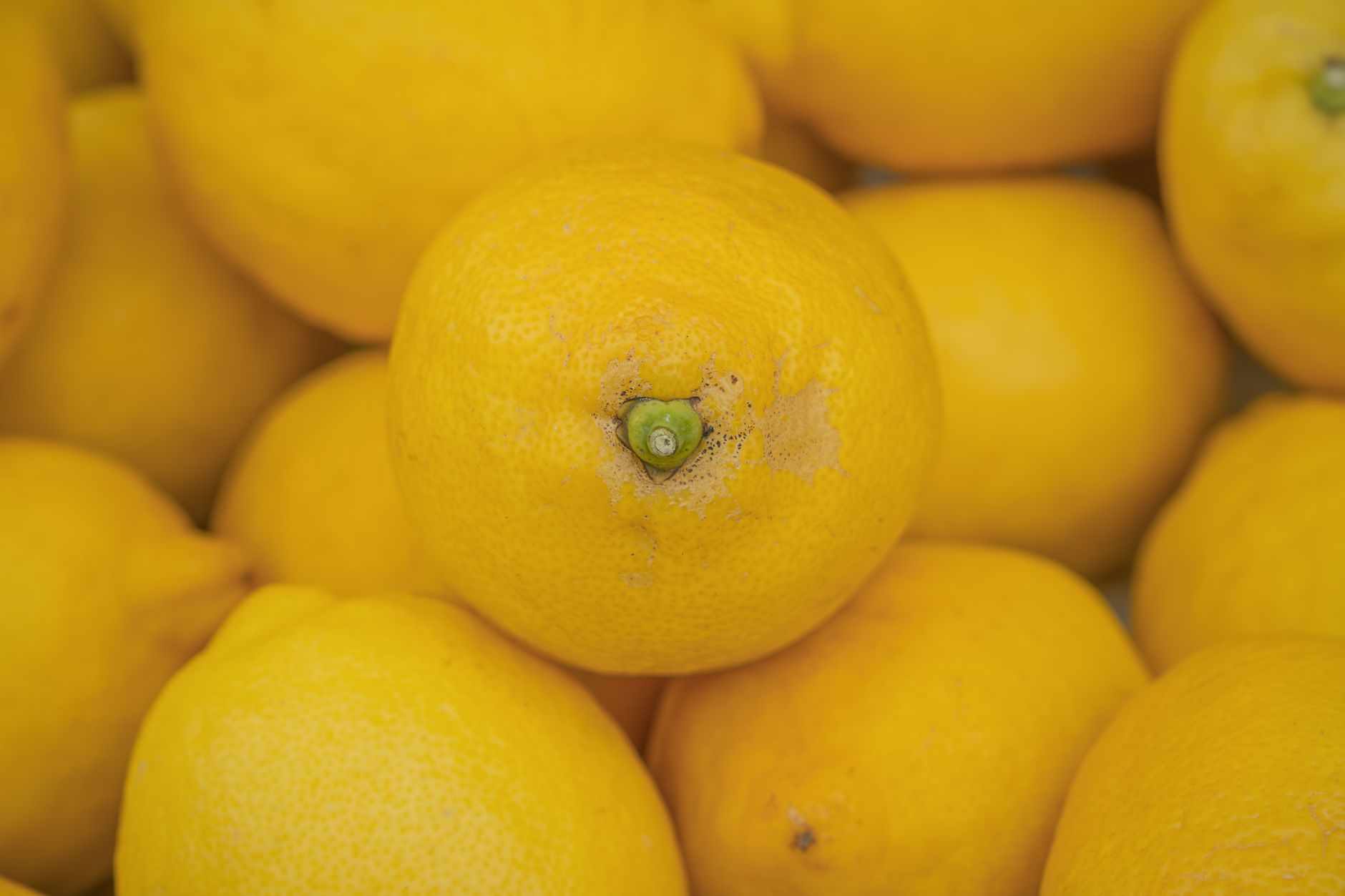
Generally speaking, a medium lemon will give you between 2 and 3 ounces (about 1/4 to 1/3 cup) of fresh lemon juice. If youre curious, thats roughly around 4 to 6 tablespoons. But remember, lemons arent all created equal. Some varieties, like the big, bright-yellow Eureka or Lisbon lemons you often find in supermarkets, tend to be more juicy. Meanwhile, Meyer lemonsa sweeter, smaller cousinmight give you slightly less juice but pack more flavor.
So when you hear "lemon juice per lemon," think of it as an average or ballpark figure rather than a strict rule. Small lemons might only squeeze out about 1 tablespoon of juice, while a large juicy lemon could hit 3 or maybe even 4 ounces. Size does matter here (at least when it comes to lemons!).
Factors Affecting Lemon Juice Amount
Several things come into play that influence your lemon juice ounces:
- Size and ripeness: A riper lemon tends to yield more juice because its softer. When you press it, it releases more liquid. Hard, underripe lemons are stingy.
- Juicing technique: How you squeeze your lemon makes a difference. Hand-squeezing versus using an electric juicer? The latter usually gets more juice out not to mention less hand cramping!
- Temperature: Seems odd, but room temperature lemons juice better than cold lemons fresh from the fridge. Warm them up a bit to unlock more juice.
Want a quick visual to get a basic sense of lemon juice yields by size? Heres a handy table to keep in your back pocket:
| Lemon Size | Approximate Juice Amount |
|---|---|
| Small (2-3 oz) | 1 to 1.5 oz (2-3 tbsp) |
| Medium (3-4 oz) | 2 to 3 oz (4-6 tbsp) |
| Large (4+ oz) | 3 to 4 oz (6-8 tbsp) |
Knowing this little breakdown means you can confidently plan how many lemons to buy and avoid those awkward recipe moments where youre just short on juice or worse, stuck with way more lemons than you need.
Squeezing Tips
How to Get the Most Juice Out of Your Lemons
Okay, now if youre anything like me, youve probably stood there wrestling with a lemon thinking, "Theres got to be more juice in you!" Well, good news: there is.
Before you even cut that lemon open, roll it firmly on the countertop with your palm for about 20 seconds. This breaks up the pulp inside, making it easier to extract the juice. Or try popping your lemon in the microwave for 10-15 seconds it warms it up, loosens the fibers, and lets the juice flow freely. Sounds a bit funky, right? But trust me, it works!
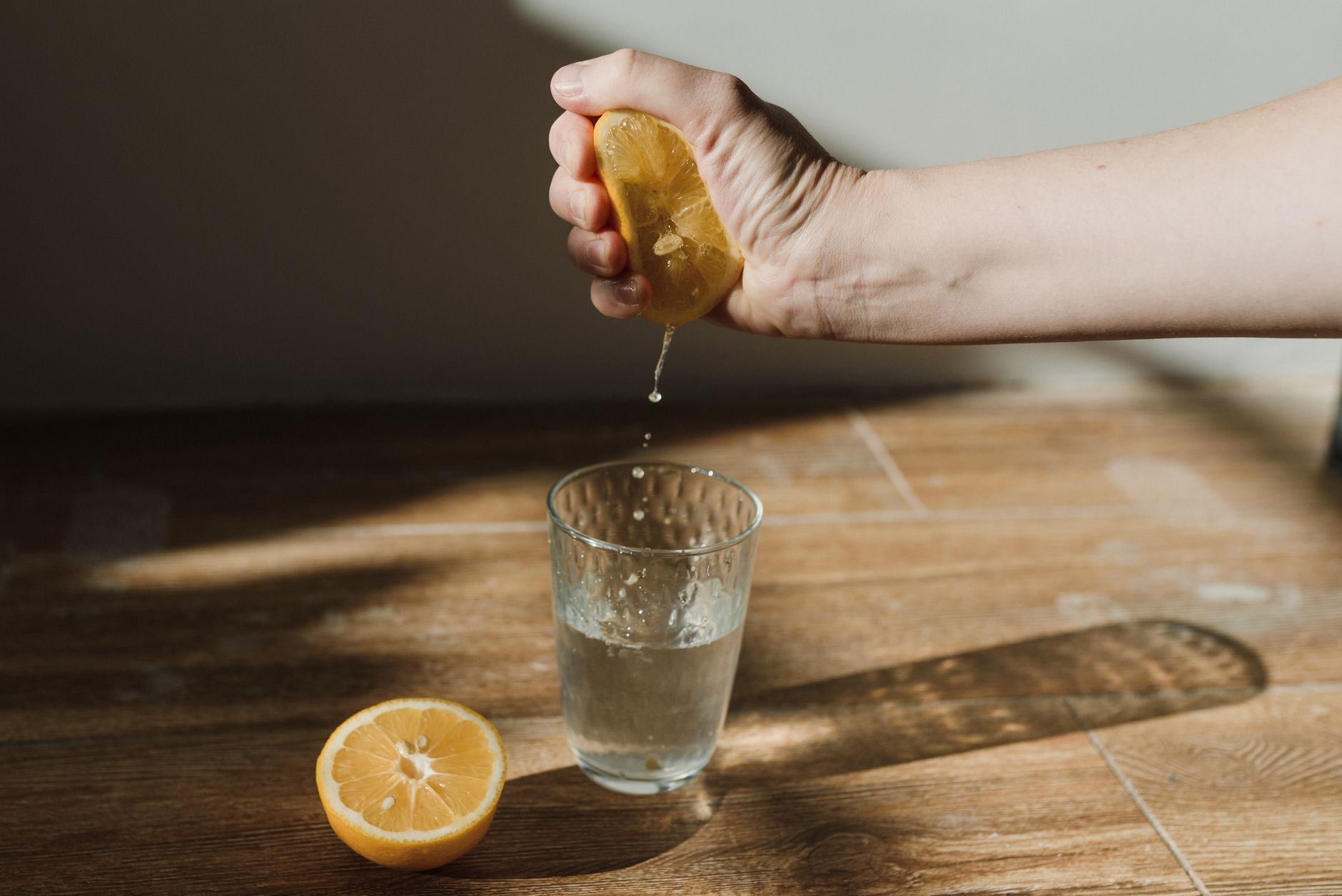
When youre ready to juice, cut your lemon crosswise, not lengthwise. This exposes more pulp and ultimately more juice.

Using a juicer whether hand-held or electric can seriously up your lemon juice yield. Electric juicers are especially useful if youre juicing a bunch of lemons at once or want to save your hand from cramping. Manual squeezers are great too for quick jobs, but they might not get every last drop.
Step-by-step guide
- Roll your lemon firmly to loosen the juices inside.
- Microwave it briefly if you want an extra juice boost.
- Cut across the lemon, exposing the pulp.
- Use a reamer or juicer; press and twist to extract juice.
- Strain if you dont want pulp or seeds in your juice.
Want to learn more about equipment and tips for juicing and making juice drinks that truly zing? Definitely check out that guide.
Using Lemon Juice Amounts in Cooking & Drinks
How Many Lemons Equals How Much Juice?
Recipes often say juice of 1 lemon without clarifying how much juice that means in ounces. Since sizes vary, that can throw you off.
Heres a helpful general conversion:
- 1 lemon = roughly 3 tablespoons or 1.5 ounces of juice
- 2 lemons 1/4 cup of juice
- 4 lemons 1/2 cup of juice
This helps especially when you want to scale recipes up or down, or when youre buying lemons for a party punch or salad dressing.
Fresh vs Bottled Lemon Juice
Wondering if you can trade bottled lemon juice for fresh? Heres the deal: fresh juice typically tastes brighter and more vibrant, and it has a fresher aroma that bottled varieties just dont quite capture.
That said, bottled lemon juice is convenient and consistent when youre in a pinch, so its good to have on hand. Just note, the flavor and acidity might be a bit different, so amounts might need tweaking.
Speaking of planning groceries, if you want info on how to get groceries delivered, that links a solid read, especially if lemons arent always easy to grab where you live.
Lemon Juice Amounts in Beverages and Recipes
For cocktails, lemonades, and mocktails, the typical lemon juice amount per serving hovers around 1 to 1.5 ouncesthats about the juice of half to a whole lemon. In cooking, like marinades or salad dressings, it can vary wildly, but often its 1 to 3 tablespoons, depending on how lemony you want your dish.
Just to paint a picture Imagine making your favorite lemon vinaigrette. If you underestimate the lemon juice, it might taste flat. Too much, and well youve got a salad with a puckering punch! So getting the lemon juice amount spot on can make all the taste difference.

Lemon Juice Benefits and Risks
Why The Amount of Lemon Juice Matters for Health
Drinking or cooking with lemon juice is kinda fantastic. Its packed full of vitamin C, antioxidants, and can help with digestion and hydration. The nutrients you get depend, of course, on how much juice you consume so the lemon juice amount you use does count.
But heres the thing: though lemon juice is awesome, too much can cause issues. The acidity is harsh on tooth enamel if you sip on it often or drink it straight. And if you have a sensitive stomach, gulping down large amounts can cause irritation.
Finding The Balance
My best advice? Use lemon juice generously, but not recklessly. A satisfying splash in your tea, salad, or seafood dish will punch up the flavor and health benefits, without tipping the scales on risks. If you have dental concerns, try drinking through a straw or rinse your mouth with water afterward.
Keeping this balance helps you enjoy lemons for what they are: zesty little powerhouses of flavor and nutrition.
Wrapping It Up
So whats the final takeaway on lemon juice amount? One lemon usually gives you around 2 to 3 ounces of juice, with plenty of factors affecting that yield. With the right techniques, tools, and a little know-how, you can squeeze every drop out of your lemons and get your dishes just right without any wasted fruits.
Remember, the juice from lemon is more than a kitchen stapleits a small but mighty helper in so many recipes and drinks. And knowing how much juice you can expect from one lemon, well, thats just smart cooking (and sipping) sense. Have you tried any of these juicing tricks? Or maybe you discovered a favorite lemon-based recipe to share? Id love to hear your lemon stories!
Now, next time life gives you lemons, youll know exactly how much juice youre working withand you'll be ready to make the most of it. Cheers to fresh flavor and a little zest in your day!
FAQs
How many ounces of juice does one lemon typically provide?
On average, one medium lemon yields about 2 to 3 ounces (roughly 4 to 6 tablespoons) of fresh lemon juice, but this can vary based on lemon size and ripeness.
What factors influence the amount of juice you get from a lemon?
The size and ripeness of the lemon, the juicing technique used, and even the lemon's temperature all affect the juice amount extracted.
Is fresh lemon juice better than bottled lemon juice?
Fresh lemon juice generally offers brighter, more vibrant flavor and aroma compared to bottled juice, which can be convenient but less flavorful.
How can I get the most juice out of my lemons?
Roll lemons on a countertop before cutting, warm them slightly in the microwave, cut crosswise, and use a manual or electric juicer for maximum juice extraction.
How much lemon juice is needed for common recipes or drinks?
Typically, recipes call for about 1 to 3 tablespoons of lemon juice per dish, while beverages often use 1 to 1.5 ounces, which equals roughly half to one whole lemon.