If you enjoy sparkling wines, you might have noticed bottles labeled Spumante on the shelves and wondered what makes spumante wine difference so interesting compared to Champagne. Both are bubbly, festive, and delicious, but they each carry unique characteristics based on how theyre made and where they come from. Spumante is often lighter and fruitier, while Champagne offers a deeper, more complex flavor profile. Understanding these differences can help you pick the perfect sparkling wine for your occasion or to complement your meal.
What Is Spumante?
Spumante is the Italian word for sparkling, used to describe a category of Italian sparkling wines. Known for their fresh and fruity flavor, spumante wines are usually sweeter and easier to drink than Champagne. Italy produces most spumante wines, with popular varieties like Asti Spumante coming from the Piedmont region and Prosecco often labeled as spumante as well.
How Is Spumante Made?
Spumante wine is mainly produced using the Charmat method, also called the tank method. This process involves fermenting the wine quickly in large pressurized stainless steel tanks, as opposed to the slow, traditional fermentation in individual bottles used for Champagne. The Charmat method preserves the fresh, fruity flavors and produces lighter bubbles.
Step-by-Step Charmat Method
- The base wine is fermented once to develop alcohol and basic flavors.
- The wine is transferred to sealed pressurized tanks where sugar and yeast are added for the second fermentation.
- This second fermentation creates bubbles as carbon dioxide dissolves into the wine.
- After fermentation, the wine is filtered and bottled under pressure to retain the bubbles.
This controlled, tank-based approach keeps production time shortusually just a few monthsand costs lower, which explains spumantes affordability and fresh taste compared to Champagne.
Common Types of Spumante
- Asti Spumante: Sweet, aromatic with notes of peach and apricot, typically low alcohol (around 7-9%).
- Prosecco: Often labeled "Spumante" if fully sparkling, with floral, crisp, and apple-like flavors.
Spumante wines are generally enjoyed young for their vibrant fruity qualities.
What Is Champagne?
Champagne is the celebrated sparkling wine exclusively from the Champagne region of France. Its protected designation ensures strict rules governing the grapes, production, and aging. This lends Champagne its distinctive complexity and elegance.
How Is Champagne Made?
The traditional mthode champenoise sets Champagne apart from most other sparkling wines. This method involves two fermentation stages, the second of which occurs inside the bottle itself.
Traditional Methode Champenoise Process
- The base wine undergoes its first fermentation.
- Sugar and yeast are added before bottling to trigger the second fermentation inside the sealed bottle.
- The wine ages on fine lees (dead yeast cells) for a minimum of 15 months, often longer, developing flavors like brioche and toasted almonds.
- Riddling and disgorging remove sediment before final corking and labeling.
This labor-intensive, time-consuming process results in Champagne‘s signature fine mousse (small bubbles), creamy texture, and complex flavors.
Terroir and Tradition in Champagne
Champagnes identity is deeply tied to its unique chalky soils, climate, and centuries-old winemaking expertise. The blend of Chardonnay, Pinot Noir, and Pinot Meunier grapes also contributes to varied flavor profiles, from bright and crisp to rich and nutty.

Sparkling Wine Types Compared
Sparkling wines come from different regions and methods, leading to varied taste experiences. Categories include spumante, Champagne, Prosecco, and Cava, each distinctly different but sharing the common trait of effervescence.
Comparing Spumante and Champagne
The spumante wine difference from Champagne centers on origin, production, flavor, and price.
| Feature | Spumante Wine | Champagne |
|---|---|---|
| Origin | Primarily Italy | Champagne region, France |
| Production Method | Charmat method (tank fermentation) | Mthode champenoise (traditional bottle fermentation) |
| Taste Profile | Fruity, sweet, light-bodied | Complex, toasty, biscuity, dry to off-dry |
| Price Point | Affordable (~$10$25 per bottle) | Premium (~$40 and up per bottle) |
| Drinking Occasion | Casual, everyday celebrations | Formal, special occasions |
| Aging Potential | Best young, minimal aging | Good aging potential (3+ years) |
Spumante is approachable with bright fruit notes, while Champagne offers depth and finesse through its artisanal process and terroir.
Benefits and Considerations
Choosing between spumante and Champagne depends on your taste preferences, budget, and occasion.
Advantages of Spumante
- Usually more affordable, making bubbles accessible for casual enjoyment.
- Fresh and aromatic style suits lighter meals and cheerful gatherings.
- Lower alcohol content in varieties like Asti supports moderate, delightful sipping.
Drawbacks to Know
- Less complexity and subtlety compared to Champagne.
- Minimal aging means less development of nuanced flavors.
- Sweetness levels varysome styles might be too sweet for dry wine lovers.
Expert Insight
According to sommelier Maria Benedetti, "Spumante offers joy in a glass that matches lively atmospheres. Its not a Champagne substitute, but a different expression of sparkling wines fun side."
How to Enjoy Spumante Wine
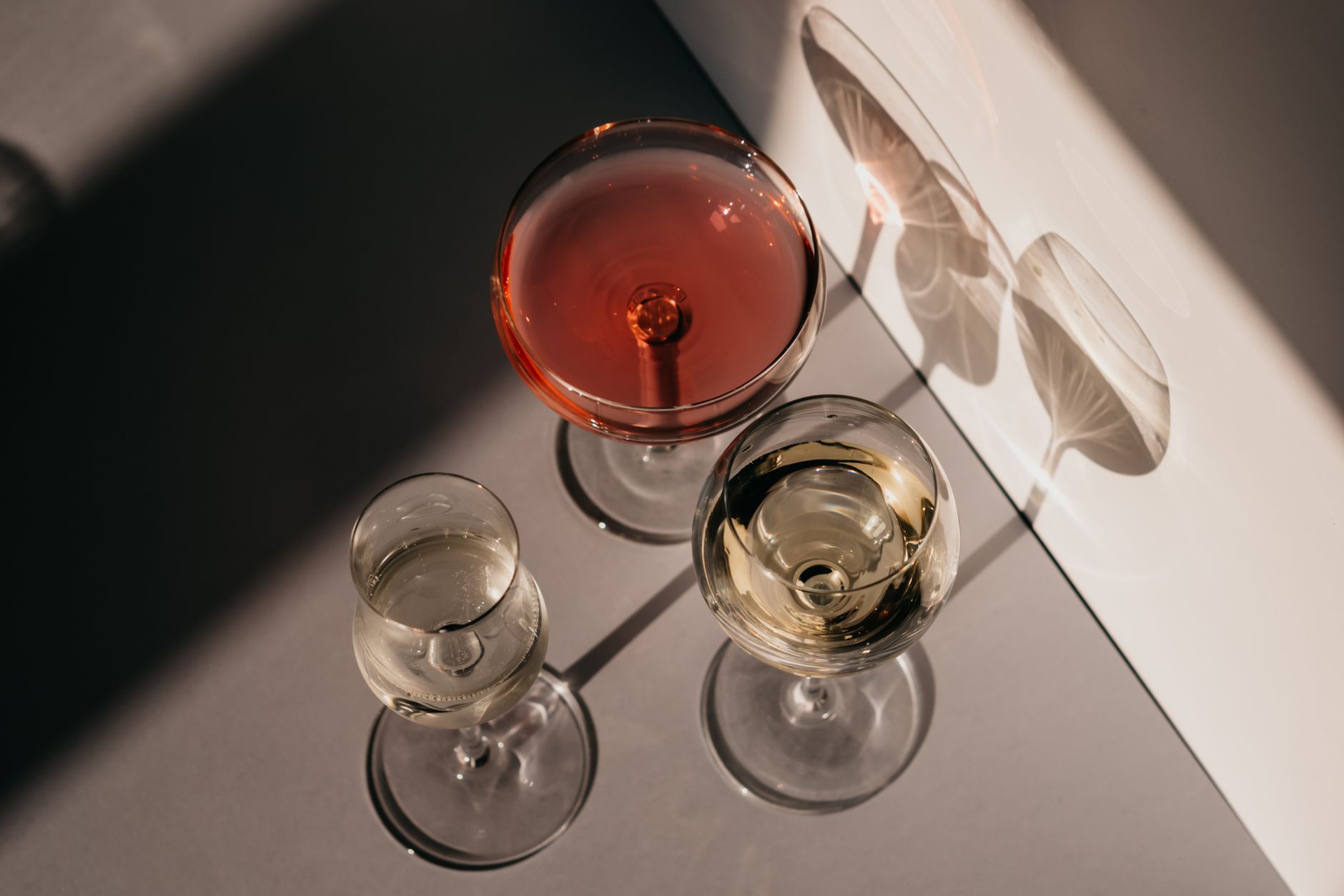
Serving spumante correctly enhances your experience. Chill your bottle to 68C (4346F) before pouring in tulip-shaped glasses to preserve bubbles and concentrate aromas.
Food Pairings
- Fresh salads with citrus and light vinaigrettes
- Grilled seafood or mild cheeses
- Fruity desserts like sorbet or berry tarts
Best Occasions
Spumante fits perfectly at casual brunches, outdoor parties, or as an affordable festive option. Its a bubbly for everyday moments without fuss.
If youre exploring beverage variety, check out our guide comparing Macchiato vs latte, or discover refreshing options among Cutwater drinks for your next gathering.
Is spumante wine actually Halal what should I check?
Spumante wine generally contains alcohol, so it is not Halal according to Islamic dietary laws. However, some non-alcoholic sparkling beverages labeled spumante-style may be Halal-certified. Always check for Halal certification logos such as JAKIM, HMC, or IFANCA on the label to confirm compliance.
When is the best time to drink spumante wine?
Spumante shines during daytime events like brunch or light dinners. Its fresh fruitiness pairs well with warm weather and social occasions that are informal or celebratory in nature.
What distinguishes Charmat from mthode champenoise fermentation?
Charmat (tank method) ferments sparkling wine in large tanks for a few months, preserving fresh fruit flavors. Mthode champenoise involves a second fermentation inside the bottle followed by lengthy aging on lees, creating complex aromas and finer bubbles.
Can spumante wine be aged like Champagne?
Most spumante wines are meant for immediate consumption and do not benefit from aging. Their delicate fruit characteristics diminish over time. Champagne, in contrast, improves with several years of proper cellar aging.
Is spumante sweeter than Champagne?
Typically, yes. Spumante styles like Asti tend to be sweeter and lower in alcohol. Champagne ranges from brut (very dry) to demi-sec (somewhat sweet) but generally leans drier than spumante.
How should spumante wine be stored before opening?
Store spumante in a cool, dark place at around 1015C (5059F) away from direct sunlight. Keep bottles upright to reduce yeast contact with the cork, preserving freshness for up to 12 months.
What glassware works best for spumante?
Tulip-shaped glasses are ideal for spumante, as they focus aromas while maintaining carbonation. Flutes work well too but may allow bubbles to escape quicker, reducing aromatic enjoyment.
Buying Tips for Spumante Wine
When selecting spumante, watch for these signals to ensure quality and suitability:
| Certification | Price Range | Common Formats | Shelf Life | Key Allergens |
|---|---|---|---|---|
| DOC, DOCG (Italy); check for Halal logos if relevant | $10$25 per bottle | 750ml bottles | Best within 12 months unopened; 12 days after opening | May contain sulfites |
- Read Labels: Look for DOC or DOCG certifications indicating regional quality standards.
- Price Reflection: Very cheap spumante may lack bubble finesse or have off flavors.
- Halal Considerations: Avoid any wine-based sparkling beverages for Halal compliance; opt for certified non-alcoholic sparkling drinks instead.
An expert tip: Avoid bottles with unclear origin or missing production details. Authentic spumante producers are transparent about grape source and fermentation technique, which ensures honest labeling and flavor.

More You Might Like
If you enjoy discovering the nuances of different drinks, you may find our Macchiato vs latte guide helpful for your coffee choices. Also, explore refreshing canned cocktails in our Cutwater drinks review for convenient, quality options.
Conclusion
Understanding the spumante wine difference helps you appreciate Italys sparkling charm next to Frances Champagne mastery. Spumantes fresh, fruity, cost-effective style contrasts with Champagnes complex, artisanal character. Whether choosing bubbles for a casual get-together or a formal toast, knowing these details lets you pick the right wine for your mood and menu. Next time you shop, check the label closely and consider trying a glass of each to discover your favorite sparkle!
FAQs
Is Spumante wine difference actually Halal — what should I check on the label?
Spumante wine typically contains alcohol and is not Halal under Islamic dietary laws. To ensure a product is Halal, check for certification logos like JAKIM, HMC, or IFANCA on the label. Only non-alcoholic sparkling drinks labeled as spumante-style and bearing these certifications can be considered Halal.
What is the shelf life of spumante wine after opening?
Once opened, spumante wine should be consumed within 12 days to maintain its freshness and bubbles. Storing the bottle properly in the refrigerator with a sparkling wine stopper helps preserve quality during this period.
How does spumante wine differ from Champagne?
Spumante is primarily Italian, made using the Charmat tank method producing lighter, fruitier, and often sweeter wines. Champagne is from France's Champagne region, made via the traditional méthode champenoise, aged longer, and offers complex, toasty flavors with finer bubbles.
Is it safe to drink spumante wine daily?
Moderate consumption of spumante is generally safe for most adults. Its usually lower alcohol content, especially varieties like Asti, supports lighter sipping. However, like all alcoholic beverages, it should be enjoyed responsibly and not consumed excessively daily.
Where can I buy quality spumante wine?
Quality spumante can be found at well-stocked liquor stores, Italian specialty shops, and reputable online retailers. Look for DOC or DOCG certified labels to ensure authenticity and check for clear production details to avoid subpar options.