When you hear lambic beer, you might expect a burst of sugary sweetness. Lambic beer sweetness has earned quite a reputation, especially among those new to this Belgian specialty. But is lambic always super sweet? Or is there more to the story behind its flavors? Understanding lambics sweetness means looking beyond just sugar contentit‘s a fascinating dance of fermentation, fruit additions, and the wild yeast that define this rare style.
Understanding Lambic Sweetness
How Is Sweetness Perceived in Lambic Beers?
Lambic beers owe their sweetness to a mix of natural sugars from malted barley and the addition of fruits like cherries or raspberries. However, the perception of sweetness goes beyond mere sugar levels. Traditional lambics undergo spontaneous fermentation guided by wild yeasts and bacteria, such as Brettanomyces and Lactobacillus, which produce sour and funky flavors that balance or even mask sweetness. This interplay creates a sweet-sour spectrum unique to lambics.
Unlike sugary mainstream beers, lambics sweetness is often subtle or layered. The sourness produced by bacteria softens or enhances the sweetness, making the beer taste more complex than a simple sweet drink. Some describe it as a sweet-sour sensationwhere tart, funky, and mildly sweet notes harmonize in every sip.
Does All Lambic Beer Taste Sweet?
Not all lambic beers taste sweet. Traditional lambics tend to be dry with sharp acidity and earthy nuances. Their wild fermentation consumes most sugars, leaving very little sweetness behind. On the other hand, fruit lambicslike Kriek (cherry) or Framboise (raspberry)introduce fresh fruit sugars, shifting the balance noticeably toward sweetness. This contrast explains why many consumers associate lambics primarily with juicy, sweet flavors.
Sweetness in Brewing Lambic
The Traditional Spontaneous Fermentation Method
Lambics brewing starts with spontaneous fermentation. Instead of adding cultivated yeast, brewers expose the wort to native airborne yeasts and bacteria in the Senne Valley near Brussels. This natural inoculation triggers a slow, unpredictable fermentation lasting months or even years.
The wild yeasts selectively consume fermentable sugars, converting them into alcohol, carbon dioxide, and various flavor compounds. As these microbes digest the sugars, the sweetness level naturally decreases, while acidity and funk develop. The more active the bacteria, the drier and tangier the lambic becomes.
Role of Fruit in Sweetness: Fruit Lambics
Fruit plays a big role in transforming lambics flavor profile. Adding fruits like cherries, raspberries, or peaches after the initial fermentation introduces fresh sugars and natural fruit acids. These sugars may remain partially unfermented, lending noticeable sweetness to the final beer.
This method not only adds sweetness but also layers the beer with vibrant aromas and flavors. Fruits give lambics their signature bright colors and juicy notes, making them more approachable for those who prefer sweeter, fruit-forward beverages.
Popular Fruit Lambics & Sweetness Levels
| Fruit Lambic | Sweetness | Sourness | Alcohol Content |
|---|---|---|---|
| Kriek (Cherry) | Medium to high | Medium | 5% - 7% |
| Framboise (Raspberry) | Medium to high | Medium | 5% - 7% |
| Peach Lambic | Medium | Low to medium | 4.5% - 6% |

Lambics Super Sweet Reputation
Marketing vs Reality
Fruit lambics, with their glossy packaging and fruity taste, often dominate the marketplace. This visibility helps shape a consumer view that lambics are super sweet fruity beers. Marketing tends to emphasize this sweetness to appeal to wider audiences, especially newcomers who may find classic sour lambics too challenging.
Many first-timers judge lambic sweetness only from fruit lambics theyve tried, unaware of the broader, drier traditional styles. This mismatch between expectation and reality contributes to the strong super sweet image.
Sweetness and Sourness Balance
Lambics are not just sweet beverages; theyre complex orchestras of flavor. Sweetness intertwines with sourness, funk, earthiness, and tart fruit notes. This balance is what defines true lambic character. Drinkers encounter a lively interplaywhere a hint of sweetness tempers sharp acidity, creating refreshing rather than cloying sweetness.
Taste Science Perspective
According to sensory science, sourness often dampens the perception of sweetness, while bitterness can amplify dryness. In lambics, wild yeast metabolites and acidic compounds modify how your taste buds experience sweetness. So even if residual sugars exist, sour and funky flavors can mask or enhance them depending on the yeast and bacteria activity.
Expert brewers stress that an appreciating lambic requires embracing this flavor complexitywhere sweetness is a note within a broader symphony, not its solo star.
Fruit and Traditional Lambics
Traditional vs Fruit Lambics
Classic Belgian lambics differ markedly from their fruit-infused cousins. Traditional lambics focus on earthy, barnyard funk and a dry, acidic finish. Their flavor highlights extensive yeast and bacterial fermentation, with minimal residual sugar. These lambics can be enjoyed on their own or blended to make gueuzeanother dry, sparkling lambic style.
Fruit lambics, on the other hand, add another dimension of taste and color. While lambic sweetness rises here, it never overwhelms the sour backbone that defines the style. This fusion attracts those who appreciate both sweetness and tartnessbut its not always representative of the whole lambic category.
Flavor Complexity Benefits
What makes lambic special is its multi-layered profile. Each sip may unveil bright fruit, tartness, funky earth, and underlying sweetness. This complexity adds charm and makes every bottle a little adventure.
How to Taste Lambic Like a Pro
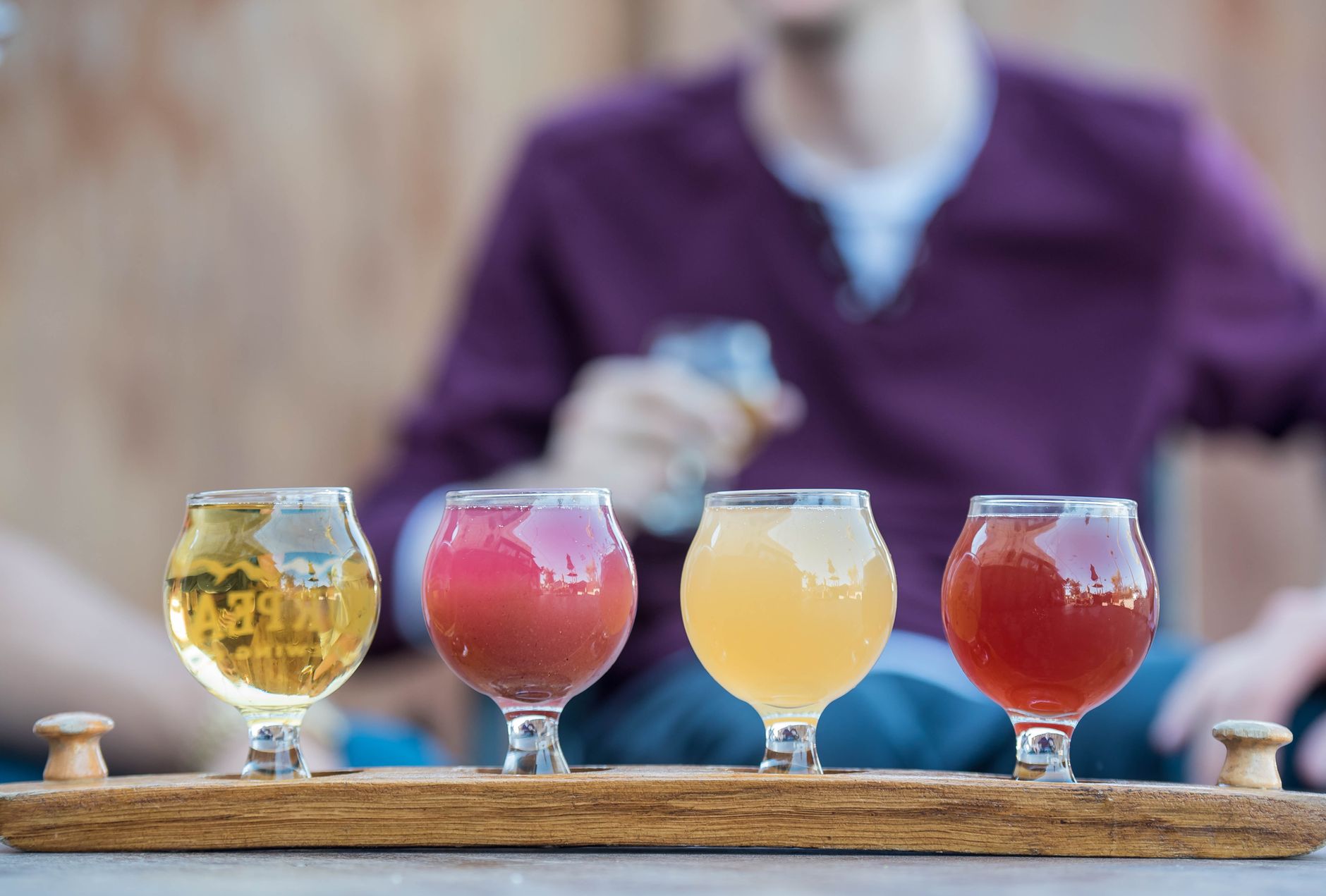
- Start with a small pour to observe color and aroma.
- Let the beer warm slightlycold temperatures mute flavors.
- Take a slow sip, noting initial sweetness followed by tartness and funk.
- Try pairing with mildly sweet or tart foods like dried fruit or soft cheese.
- Compare fruit lambics and traditional lambics side-by-side for contrast.
Exploring lambics expands your palate beyond ordinary beer styles. You gain appreciation for how sweetness fits with other bold flavors.
Keep Exploring Unique Beverages
If you enjoy beverages that deliver depth and character, tequila drinks offer a vibrant world of taste experiences. Meanwhile, detox drinks can refresh your palate and wellness routine with healthy flavors after rich lambics.
Is lambic beer actually Halal what should I check?
Alcoholic beverages like lambic beer are not Halal due to their alcohol content. If you seek Halal-certified beers, look for non-alcoholic malt beverages carrying official logos from certification bodies like JAKIM, HMC, or IFANCA. Always check the label for clear Halal certification to ensure compliance with dietary requirements.
When is the best time to drink lambic beer?
Lambics shine best when shared during casual, relaxed settingsthink afternoon gatherings or dinner parties. Their complex flavor pairs wonderfully with a light meal or as an aperitif. Serve at cellar temperature (around 1214C) to enjoy the full spectrum of aroma and taste.
Can lambic beer sweetness vary by brand?
Yes, sweetness levels differ widely among lambic producers due to recipe, fermentation time, and fruit additions. Some brands emphasize dry, funky profiles, while others highlight juicy fruitiness. Sampling a range helps identify your personal preference.
How long does lambic beer last after opening?
Once opened, lambics are best consumed within 12 days to enjoy freshness and carbonation. Store them upright in the fridge and reseal tightly to prolong flavor quality.
Are lambics gluten-free?
Lambics are traditionally brewed with barley malt and wheat, so they contain gluten. Those with gluten sensitivity should avoid standard lambics. However, gluten-free craft options are emergingjust confirm with the producer.
Why do some lambics taste sour instead of sweet?
Wild yeast and bacteria in lambic brewing consume sugars and produce lactic and acetic acids, creating sourness. This natural acidification balances or masks sweetness, resulting in tart, funky flavors characteristic of traditional lambics.
Does fruit addition increase alcohol content?
Fruit sugars can raise alcohol slightly during secondary fermentation, but the increase is generally minimal (0.51% ABV). Alcohol still remains moderate in most fruit lambics, typically 57%.
Pro Tips for Enjoying Lambics
- Dont judge lambics solely by their sweetnessembrace their full flavor range.
- When buying, choose bottles with transparent ingredient listings and trusted Belgian brands.
- Fruit lambics are best served chilled but not too coldaround 1012C enhances sweetness without dulling aroma.
- Mix traditional and fruit lambics for blending your own personalized taste experience.
- Host tasting sessions to experience how sweetness levels vary across styles.
More You Might Like
Discover a refreshing range of tequila drinks with delicate fruitiness and lively spice. For healthier choices, try our curated collection of detox drinks that cleanse and rejuvenate naturally.

Conclusion
Lambic beer sweetness is a nuanced topic shaped by spontaneous fermentation, yeast activity, and fruit additions. Whether you prefer the dry, funky traditional styles or the juicy, sweet fruit lambics, theres a lambic for every palate. Next time you pick up a bottle, take a moment to savor the complex harmony of sweet, sour, and funk that makes lambics so special. Feel free to share your favorite lambics or tasting tips with us below!
FAQs
Is Lambic beer sweetness actually Halal — what should I check on the label?
Lambic beers contain alcohol and are therefore not Halal. To ensure compliance with dietary requirements, look for non-alcoholic malt beverages that carry official Halal certification logos from recognized bodies like JAKIM or IFANCA.
How long does lambic beer last after opening?
Once opened, lambic beer is best consumed within 12 days to maintain freshness, carbonation, and flavor quality. Store it upright in the refrigerator and reseal tightly between servings.
What makes lambic beer sweetness different from mainstream sweet beers?
Lambic beer sweetness combines natural sugars, fruit additions, and wild yeast fermentation, creating a layered sweet-sour balance. Unlike overly sugary beers, wild yeasts and bacteria produce acidity and funk that soften or mask sweetness.
Is it safe to consume lambic beer daily considering its alcohol content?
Lambics generally have moderate alcohol levels (4.5%–7%). Consuming them occasionally is safe for most adults, but daily intake should be limited in line with general alcohol consumption guidelines to avoid health risks.
Where can I buy authentic lambic beers with varying sweetness levels?
You can find authentic lambics at specialty liquor stores, Belgian beer shops, and reputable online retailers. Look for brands offering both traditional dry and fruit-infused styles to explore a range of sweetness and flavor profiles.