If youre curious about caffeinated sparkling water, youre not alone. This bubbly beverage blends the refreshing fizz of sparkling water with the energizing kick of caffeine. Its quickly becoming a favorite for those seeking a light alternative to traditional energy drinks or coffee. But with so many options on the market, how do you choose the best brand for your taste and health needs? This guide breaks down popular caffeinated sparkling water brands with trusted ratings, plus tips on what to look for when shopping.
What Is Caffeinated Sparkling Water?
What Makes Sparkling Water Caffeinated?
Caffeinated sparkling water is essentially carbonated water infused with caffeine. The caffeine comes from natural extracts like green coffee beans or added caffeine powder. Unlike regular sparkling water, which offers just bubbles, these drinks provide a mild stimulant effect. Typically, caffeine amounts range from 30mg to 70mg per 12 oz canmuch less than a standard cup of coffee, which usually contains 95mg or more.
How Much Caffeine Is Typically in These Drinks?
Most caffeinated sparkling waters have a moderate caffeine dose. For example, Phocus offers 60mg per can, while Heywell and Juno are closer to 3550mg. This range provides enough energy lift without the jitters or crash that can come from traditional energy drinks. The caffeine content makes these drinks ideal for a quick pick-me-up, especially in the afternoon or before a workout.
Are Caffeinated Sparkling Waters Different from Other Caffeinated Drinks?
Yes, they differ from energy drinks and traditional coffee in several ways. Caffeinated sparkling water is usually low-calorie, often sugar-free, and contains fewer additives and artificial ingredients. Compared to coffees intense flavor and acidity, sparkling waters offer a neutral or subtly flavored experience with natural or artificial fruit flavoring. This makes them a refreshing option for hydration plus caffeine.
Quick Comparison Chart: Sparkling Water vs. Energy Drinks vs. Coffee
| Drink Type | Typical Caffeine (mg) | Calories | Sugar Content | Typical Ingredients |
|---|---|---|---|---|
| Caffeinated Sparkling Water | 3070 | 010 | Usually 0 | Carbonated water, caffeine, natural/artificial flavors |
| Energy Drinks | 80200+ | 100250 | 2030g or more | Caffeine, sugar, taurine, vitamins, flavorings |
| Coffee (8 oz brewed) | 95+ | 05 | 0 (black) | Brewed coffee beans |
Benefits and Risks
Health Benefits of Caffeinated Sparkling Water
Caffeinated sparkling water offers hydration plus caffeine without added sugar. This can improve alertness and focus, boost energy on demand, and reduce caffeine overload compared to sugary energy drinks. The carbonation can also support digestion and provide a refreshing alternative to flat drinks. Being low-calorie and sugar-free, it fits well into most health-conscious diets.
Potential Risks and Side Effects
While these drinks are milder than energy drinks, too much caffeine can cause nervousness, insomnia, or heart palpitations. The carbonation may cause bloating or gas for some people. Additionally, some flavored varieties contain artificial sweeteners or preservatives you might prefer to avoid. Always check ingredients carefully, especially if you have caffeine sensitivity.
Who Should Avoid Caffeinated Sparkling Water?
Children, pregnant or breastfeeding women, and individuals sensitive to caffeine should limit or avoid these beverages. Also, those with acid reflux or digestive issues might find carbonation aggravates symptoms. According to the FDA caffeine safety guidelines, a general limit of 400mg daily is safe for most healthy adults, so fit these drinks within your overall caffeine intake.
Balancing Caffeine Intake Tips
- Limit caffeinated sparkling water to 12 cans per day.
- Track total caffeine from coffee, tea, and other sources.
- Consume earlier in the day to avoid sleep disturbances.
- Stay hydrated with plain water alongside.
Brand Rankings
Ranking Criteria
We ranked brands based on flavor variety, caffeine content, ingredient quality, price, and consumer satisfaction. Brands with transparent labeling, natural flavors, and Halal certification were favored for quality and safety.
Popular and Emerging Brands Overview
From classic names like Sparkling Ice to newer entries like Phocus and Heywell, the market offers many options. We‘ve given special attention to brands with Halal certifications, reflecting thucphamhalal.com‘s focus.
Brand Ranking Table
| Brand | Caffeine (mg/can) | Flavor Variety | Price Range (per can) | Halal Certified (Yes/No) | Notes |
|---|---|---|---|---|---|
| Phocus | 60 | 6+ | $2$3 | Yes | All-natural ingredients, clean label |
| Hi-Ball | 100 | 5 | $2.50$3.50 | No | Organic certified, higher caffeine |
| Heywell | 3550 | 7 | $1.50$2.50 | Yes | Good flavor variety, natural sweeteners |
| Tru | 50 | 4 | $1.50$2 | No | Zero sugar, minimal ingredients |
| Juno | 4050 | 6 | $2$3 | Yes | Halal-certified, plant-based caffeine |
| Bubblr | 35 | 3 | $1$1.50 | No | Budget-friendly, moderate flavors |
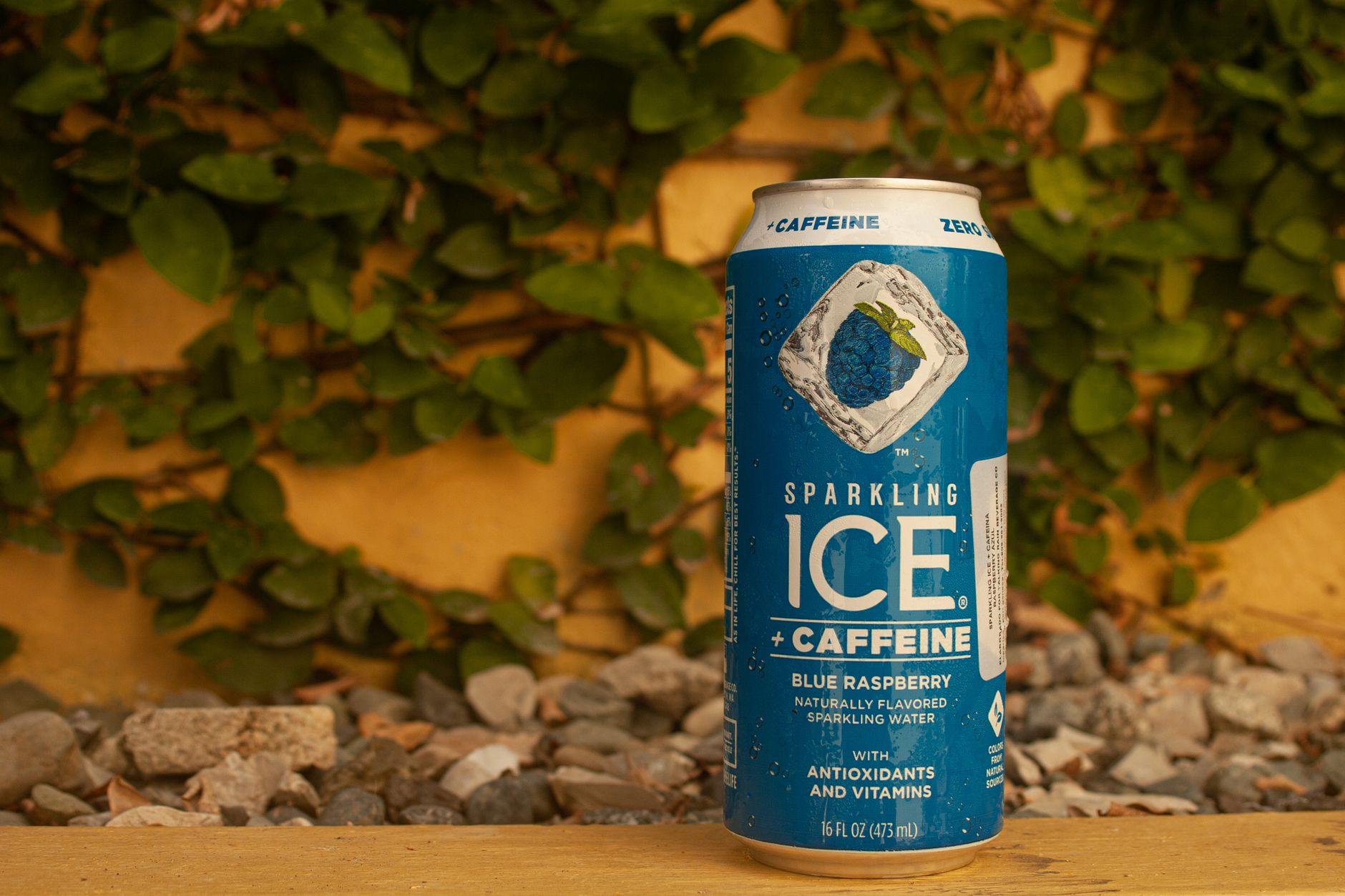
| Sparkling Ice | 0 (no caffeine) | 20+ | $1$1.50 | No | Popular but not caffeinated |
Individual Brand Profiles
7. Sparkling Ice
Sparkling Ice is a household name known for its huge flavor selection and low calorie count. However, it contains no caffeine, making it unsuitable if you want an energizing sparkling water. While the product is Halal friendly in terms of ingredients, it doesnt meet the caffeinated requirement here.
6. Bubblr
Bubblr offers modest caffeine amounts with 35mg per can. The flavor variety is smaller but tasty, focusing on classic fruit juices with a fizzy twist. Its an affordable choice, but some flavors contain artificial sweeteners, which might not suit everyones preference.
5. Juno
Juno stands out as a Halal-certified brand with caffeine derived from natural green coffee extracts. It offers about 4050mg caffeine per can, with refreshing, lightly sweetened flavors free from artificial preservatives. Reasonably priced, Juno is a solid mid-range option.
4. Tru
Tru focuses on purity, offering zero sugar and minimal ingredients alongside 50mg of caffeine. However, it lacks Halal certification and flavor variety is limited. The crisp, clean taste appeals to those wanting a no-frills experience.
3. Heywell
Heywell combines 3550mg caffeine with natural sweeteners like stevia and monk fruit. It is Halal-certified and comes in seven flavors, balancing health-conscious ingredients with enjoyable taste. The mid-tier price reflects its quality focus.
2. Hi-Ball
Hi-Ball contains a robust 100mg caffeine per can and uses organic ingredients. While not Halal certified, the brands transparency and quality put it near the top for those seeking a stronger kick with natural labels. The flavors are more adult and less sweet.
1. Phocus
Phocus is our top pick thanks to its clean label, natural caffeine sources, and full Halal certification recognized by JAKIM. Offering 60mg caffeine alongside real fruit flavors and zero sugar, it wins on taste, safety, and ingredient transparency. Though priced slightly higher, its worth the premium for mindful consumers.
Choosing the Best for You
What to Consider When Buying
Your ideal caffeinated sparkling water depends on taste preference, caffeine strength, ingredient safety, price, and Halal status. If you seek a Halal-certified option, brands like Phocus, Heywell, and Juno should be your focus. Price-wise, Bubblr and Tru offer budget-conscious choices, but check the caffeine level to ensure it meets your energy needs.
Natural vs. Artificial Flavors
Brands like Phocus emphasize natural fruit extracts, avoiding artificial colors or sweeteners. This supports cleaner nutrition and Halal compliance. Artificial flavors may be acceptable to some, but if you want a cleaner ingredient label, prioritize brands with natural flavor sources and recognizable components.
Where to Buy
Caffeinated sparkling waters are available at many grocery stores, specialty markets, and online retailers. For Halal-certified products, check trusted halal stores or sections to confirm certification status. Buying direct online often offers better flavor variety and bundles.
Shopping Checklist Table
| Certification | Price Range | Common Formats | Shelf Life | Key Allergens |
|---|---|---|---|---|
| JAKIM, HMC (Phocus, Heywell, Juno) | $1.50$3 / can | 12 oz cans, 6-packs | 912 months unopened | None (gluten & nut free) |
| None (Hi-Ball, Tru, Bubblr) | $1$3.50 / can | 12 oz cans | 912 months unopened | None reported |
| Not applicable (Sparkling Ice) | $1 / can | 17 oz bottles, 6-packs | 12 months unopened | Contains artificial sweeteners |

How to Read Labels
Ingredients Order
Ingredients are listed from most to least by weight. Look for carbonated water as the top ingredient, followed by natural flavors. Caffeine or caffeine source (like green coffee extract) should be clearly indicated.
Caffeine and Sugar Amounts
Check the milligrams of caffeine per serving. Healthy caffeinated sparkling waters usually range between 3070mg. Sugar is often zero, but some brands use natural (stevia) or artificial sweetenerslistings like sucralose or acesulfame potassium signal artificial additives.
Certification Logos
Look for trusted Halal certification marks, such as JAKIM, HMC, or IFANCA, to ensure compliance. This guarantees ingredients and manufacturing practices align with Halal dietary laws.
Misleading Claims
Ignore vague phrases like natural energy or made with botanical extracts unless caffeine content and sources are clearly disclosed. Also, sugar-free doesnt always mean free of artificial sweeteners.
Recommended Alternatives
Other Caffeinated Sparkling Drinks
Besides these brands, you might try organic sparkling energy drinks or lightly caffeinated kombuchas. These often incorporate herbal extracts, but watch the caffeine content and Halal status.
Non-Caffeinated Alternatives
If you want hydration without caffeine, many sparkling water brands like LaCroix or Spindrift offer natural flavors without additives. These are great for pure refreshment without the stimulant effect.
Caffeinated Drinks Comparison
For an energy boost, consider your caffeine source: coffee, tea, or sparkling water. Coffee provides higher caffeine but has a stronger taste and acidity. Sparkling waters are gentle and hydrating with a mild lift.
For a smoother taste and moderate caffeine, you might enjoy the subtle effervescence and flavor balance of a well-crafted caffeinated sparkling water.
Is caffeinated sparkling water actually Halal what should I check?
To confirm a caffeinated sparkling water is Halal, look for certification logos from bodies like JAKIM, HMC, or IFANCA directly on the packaging. Check that all ingredients are plant-based or derived from Halal-certified sources, especially natural caffeine extracts. If youre unsure, contacting the manufacturer can provide clarity.
What is the best time to drink caffeinated sparkling water?
Consume caffeinated sparkling water in the morning or early afternoon for a gentle energy boost. Avoid drinking it late in the day to prevent sleep disruption, especially if youre sensitive to caffeine. It also works well before workouts or during mid-day slumps.
Are there any artificial sweeteners in these drinks?
Some brands use artificial sweeteners like sucralose or acesulfame potassium, while others rely on natural sweeteners such as stevia or monk fruit. Check the ingredient list for terms like natural flavors or specific sweetener names to match your preference.
Does caffeine content vary by flavor?
Caffeine amount may slightly vary among flavors within the same brand, but usually stays within 5mg difference. Always verify the label to be sure, especially if caffeine intake is a concern.
Can these drinks replace my morning coffee?
They can substitute coffee for light caffeine needs or to reduce acidity. However, they usually contain less caffeine than coffee, so if you need a strong pick-me-up, consider combining them or sticking with coffee.
Are all caffeinated sparkling waters sugar-free?
Most brands aim for zero or very low sugar content. However, some may contain natural fruit juices adding minimal sugar. Always check nutrition facts for grams of sugar per serving.
How long can I keep unopened cans?
Unopened cans generally last 912 months if stored in a cool, dry place. Refrigerate before serving for the best taste and fizz.
Pro Tips & Buying Tips
- Most overlooked mistake: Choosing a brand without checking for Halal certification. If you follow a Halal diet, make sure certification is visible or verified.
- Cheap versions often disappoint because they may contain excessive artificial sweeteners or preservatives, affecting flavor and quality.
- Expert tip: Try new flavors in single cans first before buying in bulkit helps avoid ending up with varieties you dont enjoy.
- Store cans in a cool, dry place away from sunlight to preserve carbonation and flavor.
For an interesting beverage comparison, check out a comprehensive review of the Stagg bourbon rarity or explore premium alcoholic alternatives with the most expensive tequila.
Conclusion
Caffeinated sparkling water offers a refreshing, low-calorie way to get a caffeine boost with fizzy fun. Brands like Phocus stand out for their natural ingredients and Halal certification, making them a strong choice. When shopping, check caffeine levels, ingredient quality, and certifications to find the best fit for your needs. Next time you want bubbles plus buzz, try one of these popular brands and see which you enjoy most.
FAQs
Is caffeinated sparkling water actually Halal — what should I check on the label?
To confirm if caffeinated sparkling water is Halal, look for certification logos from known bodies like JAKIM, HMC, or IFANCA on the packaging. Ensure all ingredients, especially caffeine sources, are plant-based or Halal-certified. If unclear, contacting the manufacturer can help verify compliance.
How long can I keep unopened caffeinated sparkling water cans?
Unopened cans typically last 9 to 12 months when stored in a cool, dry place. For best taste and carbonation, refrigerate before serving and avoid exposure to heat or sunlight.
How does caffeinated sparkling water differ from other caffeinated drinks?
Caffeinated sparkling water generally contains moderate caffeine (30–70mg), is low-calorie or sugar-free, and usually has fewer additives compared to energy drinks. It offers a milder stimulant effect with refreshing carbonation, unlike coffee's strong flavor and acidity or energy drinks’ high sugar and caffeine content.
Is it safe to drink caffeinated sparkling water daily?
Yes, within moderation. Most healthy adults should keep total caffeine intake under 400mg daily. Limit caffeinated sparkling water to about 1 to 2 cans per day, especially if also consuming other caffeinated products, to avoid side effects like jitters or sleep disruption.
Where can I buy quality caffeinated sparkling water?
These drinks are available at grocery stores, specialty markets, and online retailers. For Halal-certified options, check halal-specific stores or sections and verify certification on packaging. Buying online often offers better flavor selection and bundle deals.