If youve ever wondered whether brisket beef or pork is the real deal, youre not alone. Brisket is widely celebrated in the barbecue world, but confusion often arises around what kind of meat it really is. To put it simply, brisket is a cut of beef, not pork. Still, some cooks and recipes casually mention pork brisket, adding to the mix-up. Knowing the difference matters for cooking methods, flavor expectations, and even Halal certification. Lets clear up the mystery and explore brisket beef versus pork with practical insights you can trust.
What Is Brisket?
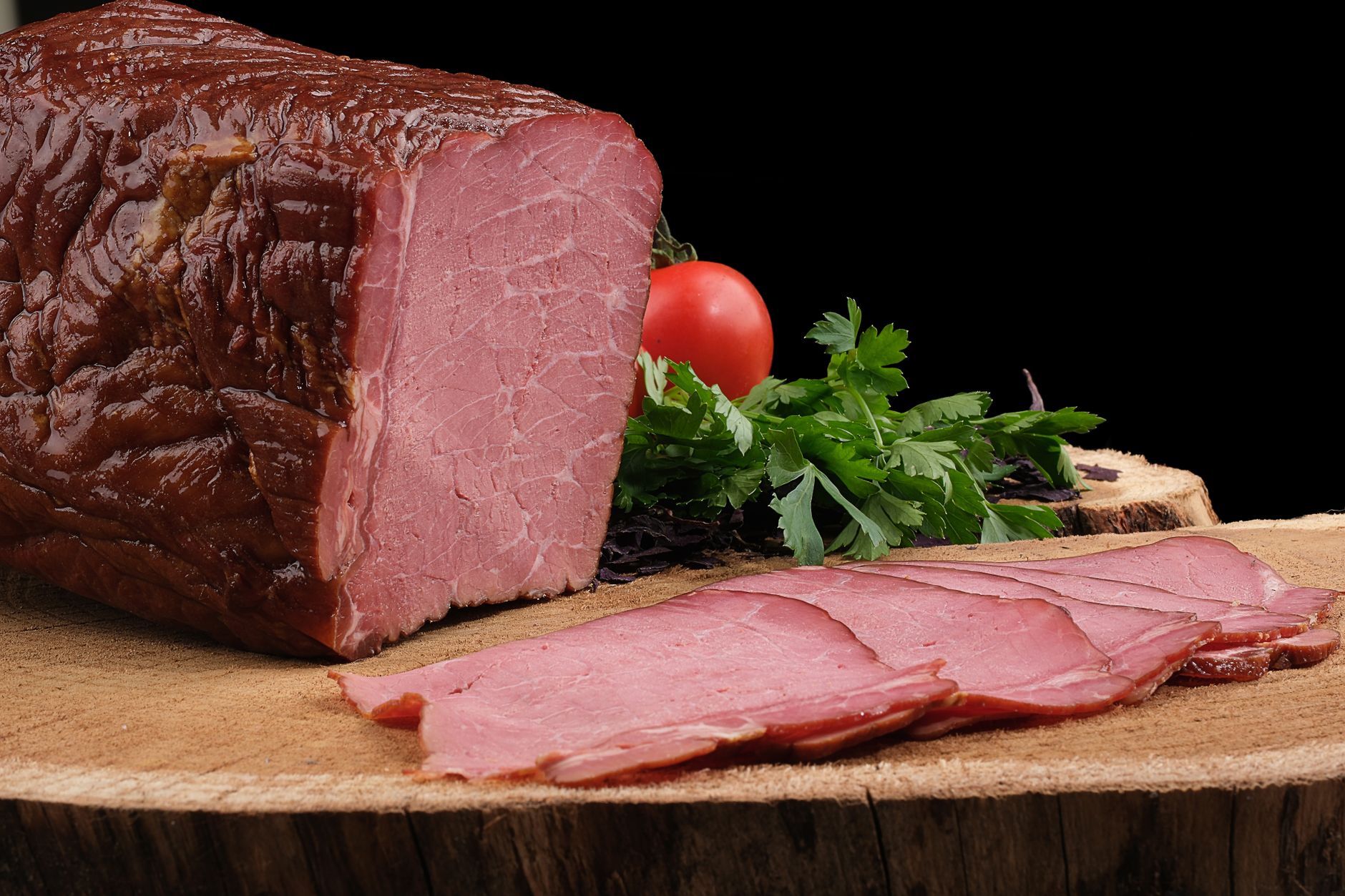
Brisket is a specific cut of meat extracted from the lower chest or breast of cattle. It lies just beneath the first five ribs and includes connective tissues that require slow, low-heat cooking to become tender. This tough but flavorful cut is famously used in Texas-style barbecue and many other global cuisines that prize rich, tender meat after hours of smoking or braising.
There is no true brisket cut from pork, but some pork cuts like the shoulder or Boston butt share textural similarities with beef brisket and are sometimes colloquially referenced as pork brisket. This terminology causes the mix-up, but brisket primarily always means beef in classic butchery and cooking.
Is Brisket Beef Or Pork? The Clear Answer
Brisket comes from beef. Specifically, it is the chest cut from a cow. If you see pork brisket in recipes or stores, its usually a misnomer or a regional term for a pork shoulder cut, not an actual pork brisket.
People confuse brisket beef or pork because pork shoulder has a similar cooking profile benefiting from smoking and slow roasting but they are different cuts from different animals. The confusion often leads to buying the wrong meat, especially if Halal certification is a priority.
Brisket Meat Type Breakdown
| Feature | Beef Brisket | Pork Cut (Shoulder/Boston Butt) |
|---|---|---|
| Animal Source | Cow | Pig |
| Cut Location | Lower chest (breast) | Upper shoulder area |
| Fat Content | Moderate fat layer and marbling | Higher fat marbling throughout |
| Texture | Firm; requires slow cooking | Juicy and tender with connective tissue |
| Common Cooking Uses | Smoking, braising, slow roasting | Smoking, pulled pork, stewing |
Beef vs Pork Brisket
Understanding how beef brisket and pork shoulder compare helps you pick the right meat for your recipe and dietary needs. These two cuts have distinct flavors, textures, and nutritional profiles, which influence cooking times and seasoning techniques.
Nutritional Differences
Beef brisket is rich in protein and iron with moderate fat levels, making it hearty and filling. Pork shoulder generally contains more fat, contributing to a slightly richer mouthfeel but also higher calories. According to the USDA FoodData Central, a 3-ounce cooked beef brisket contains around 225 calories and 17 grams of fat, while an equivalent portion of pork shoulder has approximately 245 calories and 21 grams of fat.
Flavor Profiles and Cooking Methods
Beef briskets flavor is deep, beefy, and somewhat smoky when slow-cooked, favored in barbecue traditions like Texas or Kansas City styles. Pork cuts like the shoulder offer a sweeter, milder flavor suitable for pulled pork or slow roasting.
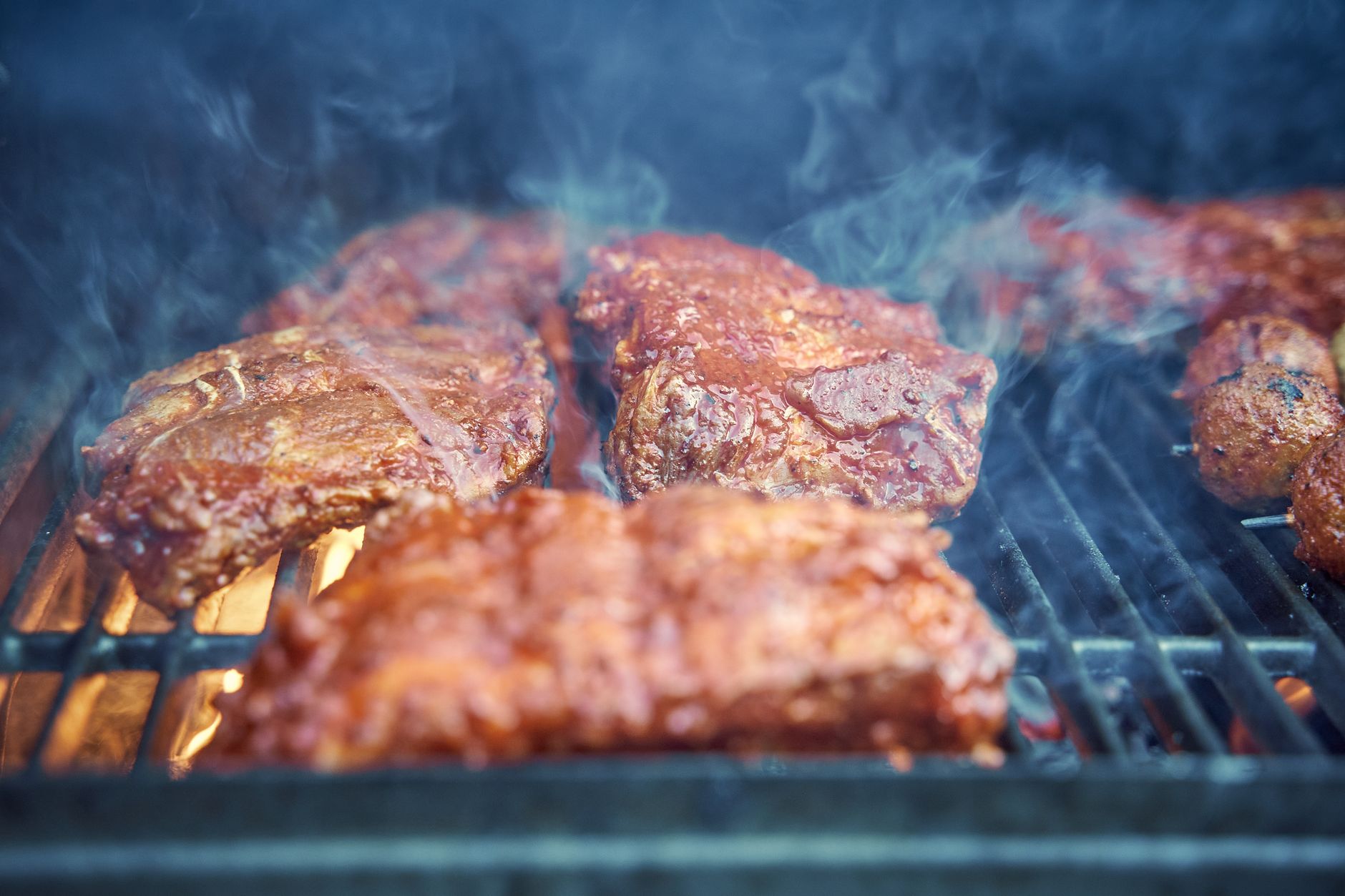
Both require low and slow cooking 225F to 275F smoking for 8 to 12 hours to break down connective tissue into tender, juicy meat. However, beef brisket often benefits from an overnight dry rub and rest period, while pork shoulder responds well to injectable marinades or vinegar-based sauces.
For Halal diets, choosing certified beef brisket from trusted sources ensures compliance, as pork is strictly avoided. When purchasing from the meat market, look for JAKIM, HMC, or IFANCA certified beef cuts.
Is Brisket Pork Or Beef Better for Barbecue?
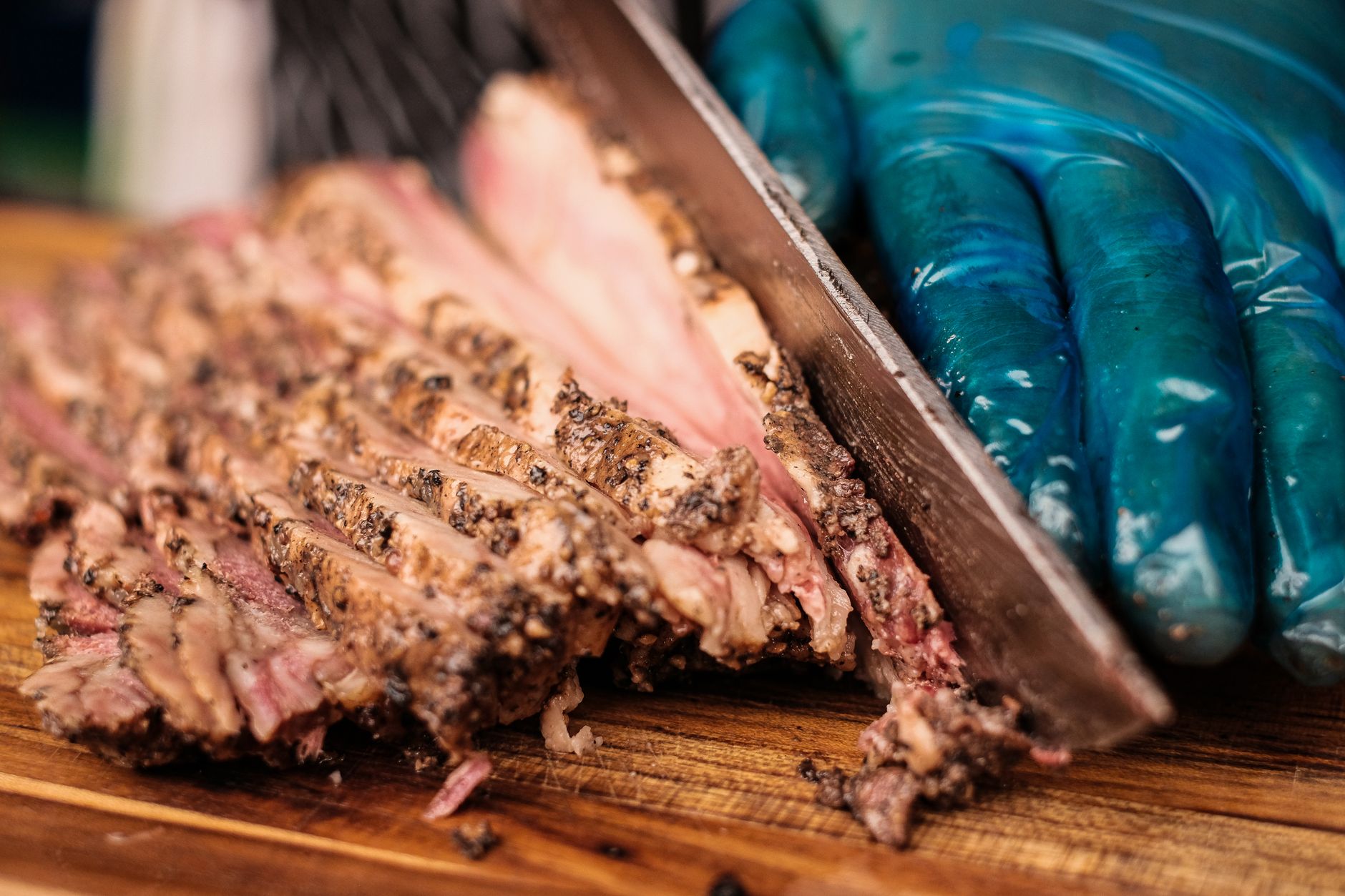
Choosing between beef brisket and pork shoulder depends on your texture preference and dietary requirements. Beef brisket offers robust, hearty flavor with a unique texture that holds up well to smoking. Pork shoulder delivers moist, tender meat that pulls apart easily and pairs well with sweeter sauces.
If you follow a Halal diet or prefer a leaner option, beef brisket is your go-to meat. For more casual backyard barbecues or dishes where texture is king, pork shoulder might be tempting but is not appropriate for Halal consumption.
Recipe Suggestions
Try classic smoked beef brisket rubbed with paprika, garlic, and brown sugar, cooked at 250F for 10 to 12 hours. For pork enthusiasts, slow-cooked Jamaican jerk pork shoulder or Louisiana pulled pork is a great alternative but remember its a different meat entirely.
Common Misunderstandings About Brisket
The brisket beef or pork confusion largely comes from label inaccuracies and regional language differences. Sometimes, stores or menus list pork shoulder as pork brisket, especially in the southern U.S., which can mislead buyers unfamiliar with meat cuts.
Ordering brisket at a Halal restaurant or shopping for Halal meat requires verifying certification. Some providers may not clearly label whether beef brisket is Halal-certified. Always look for official logos such as JAKIM, HMC, or IFANCA when in doubt.
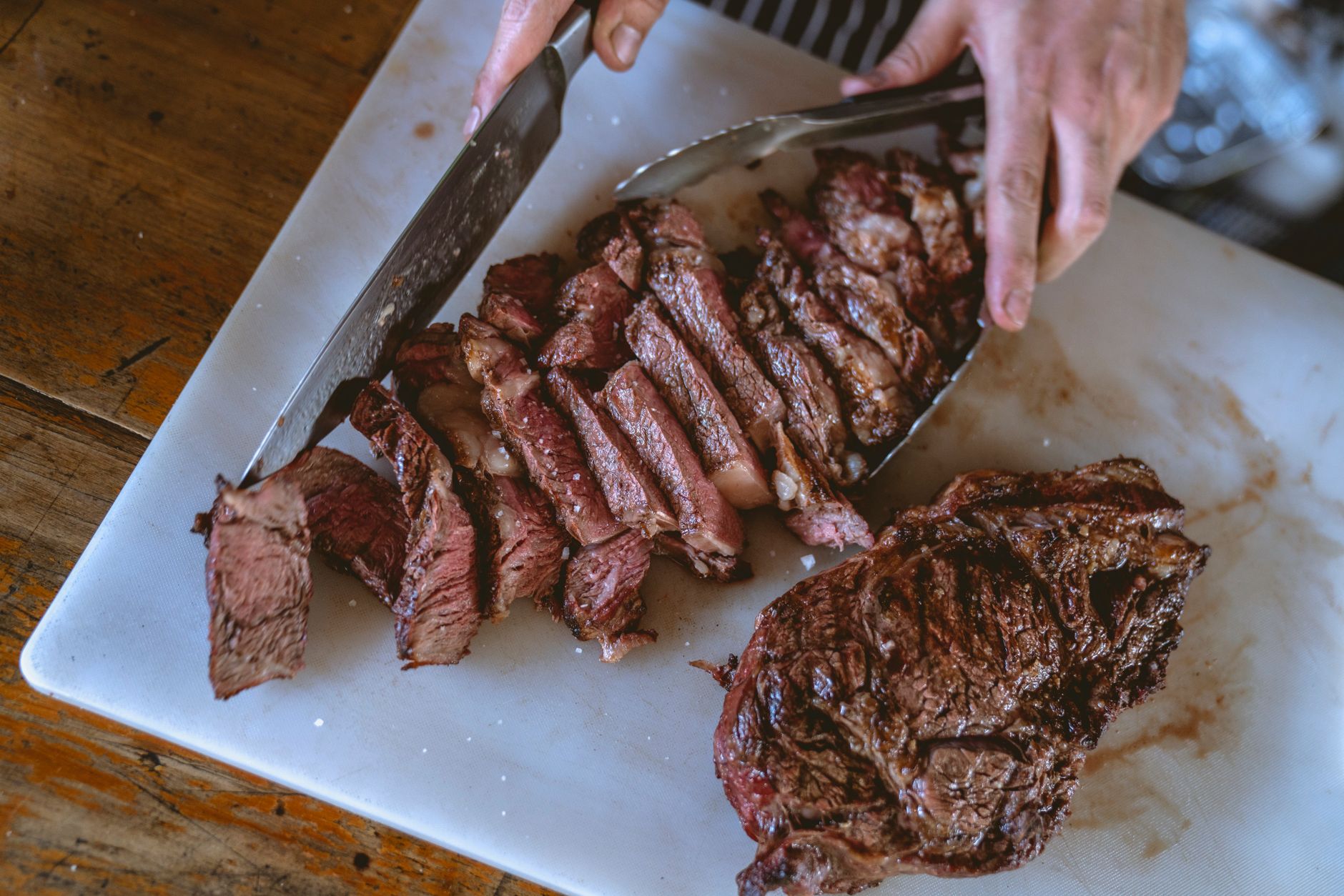
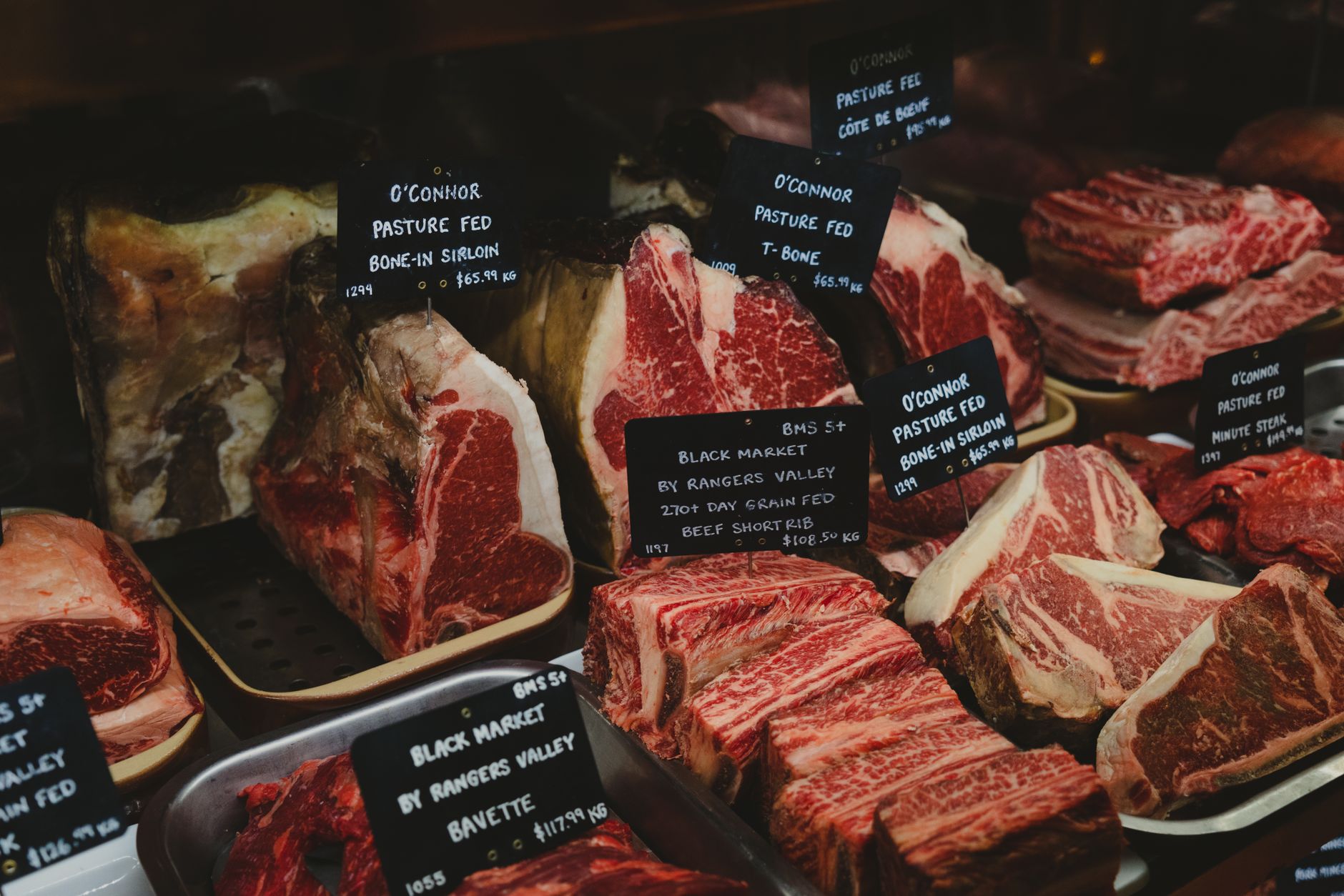
Always double-check the meats origin and cut with your butcher or supplier. Using a trusted meat slicer at home can help you inspect the marbling and identify genuine brisket cuts better.
Expert Insights on Brisket
BBQ pitmasters agree: brisket is a tough but rewarding cut. According to Master Butcher John Hall, Brisket calls for patience. Its not for quick meals. But treated right, its one of the most flavorful cuts you can smoke or braise.
From a food safety point of view, USDA guidelines recommend cooking brisket to an internal temperature of 195F to 205F to ensure tenderness and safety. For Halal assurance, trusted authorities define certified beef brisket as coming from animals slaughtered according to Islamic law a key distinction from pork, which is prohibited.
Is brisket actually Halal what should I check?
Brisket can be Halal if from animals slaughtered following Islamic dietary laws. Check for certified Halal logos like JAKIM, HMC, or IFANCA on packaging. Avoid pork brisket or uncertified meat to ensure compliance.
When is the best time to eat brisket?
Brisket is perfect for lunch or dinner, especially when slow-cooked for several hours. Its hearty and rich nature makes it ideal after gatherings or on weekends when you can devote time to enjoy the flavors.
Can I substitute beef brisket with pork shoulder in recipes?
Technically yes, but flavors and textures differ. Pork shoulder is fattier and milder; cooking times may vary. For Halal diets, pork is not a substitute.
How do I store cooked brisket?
Store cooked brisket in an airtight container in the fridge. It keeps for 57 days. It also freezes well up to 3 months for later use.
What is the difference between flat cut and point cut brisket?
The flat cut is leaner and uniform; the point cut is fattier with more marbling. Both come from the same brisket but suit different cooking preferences.
How can I tell if brisket is fresh?
Look for a deep red color, firm texture, and minimal odor. Packaging dates and Halal certification labels also indicate quality.
Is brisket suitable for healthy diets?
Beef brisket contains moderate fat and is high in protein. When trimmed of excess fat and cooked properly, it fits balanced, health-conscious diets.
Pro Tips for Buying and Cooking Brisket
- Avoid cheap brisket labeled select these generally lack marbling and tenderness.
- For Halal consumers, always buy from certified trusted butchers or official meat market stalls.
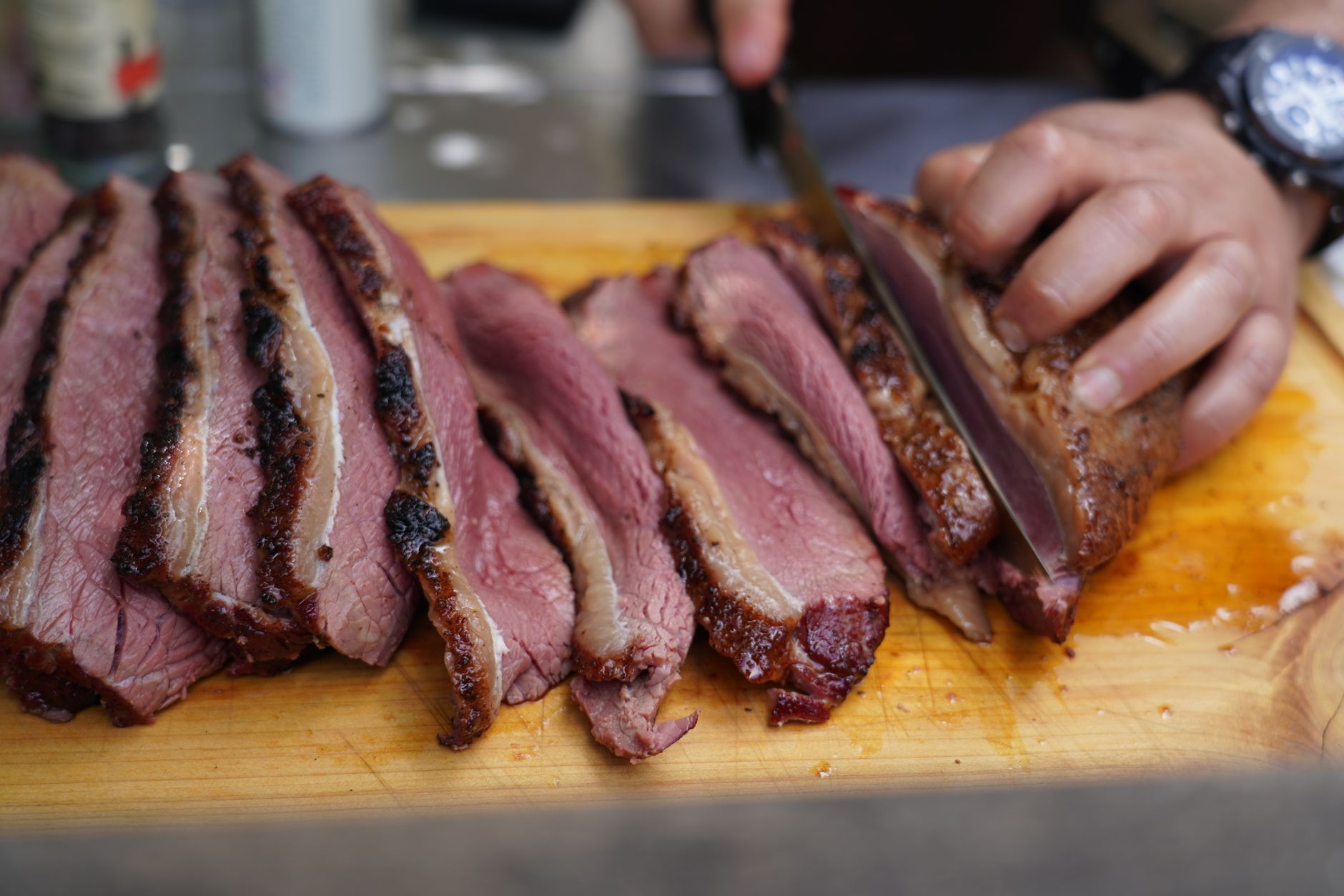
- Use a high-quality meat slicer at home to carve brisket precisely this enhances tenderness and presentation.
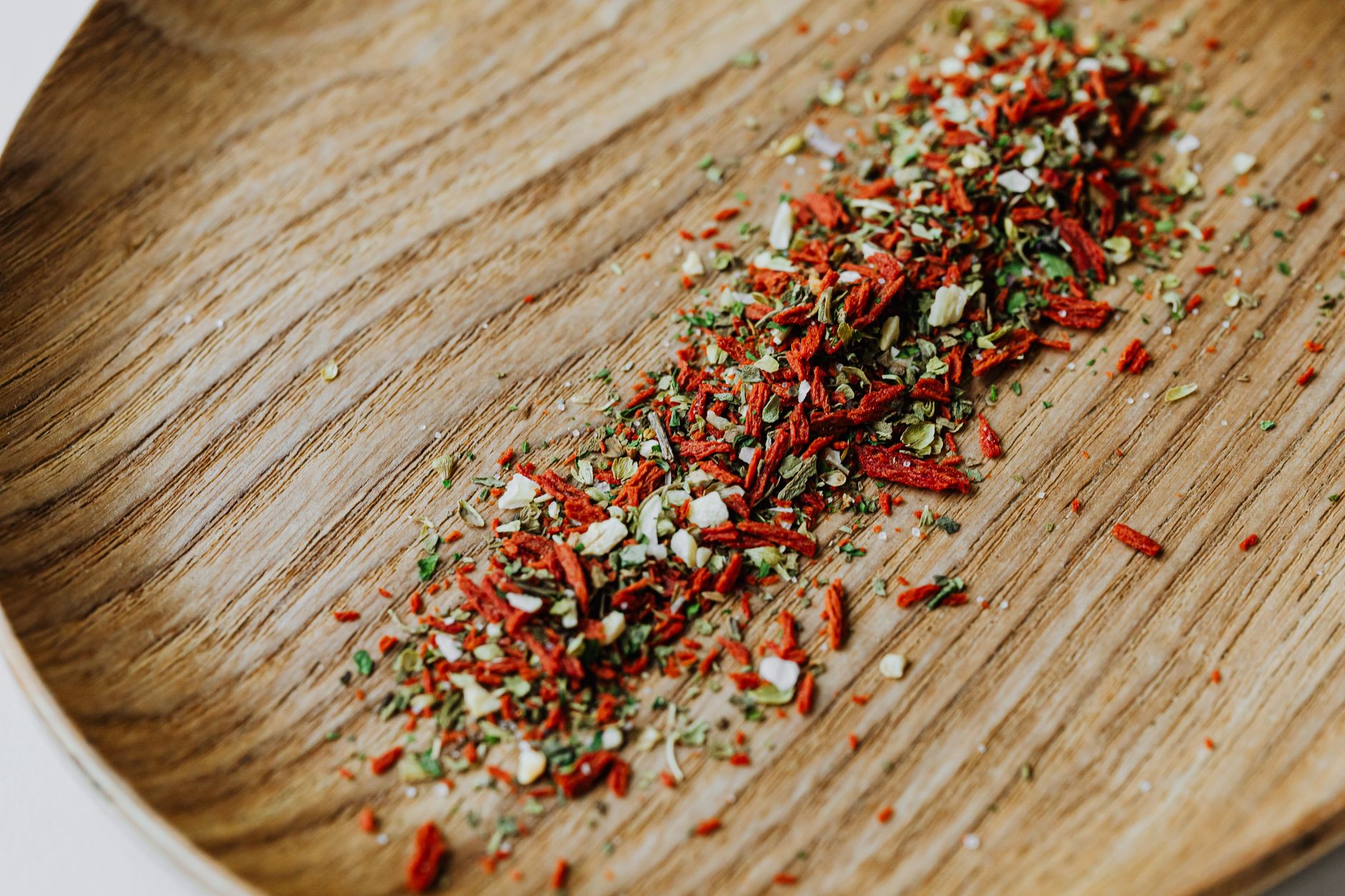
- Season brisket with a balanced dry rub including salt, pepper, garlic powder, and paprika for classic taste.
- Allow brisket to rest wrapped in foil for 1 hour after cooking to retain juices and texture.
More You Might Like
If youre interested in exploring more, check out our detailed guide on selecting a meat slicer for perfect brisket prep. Also, visit our post about finding fresh cuts at the local meat market to ensure quality and Halal certification.
Conclusion
Brisket is primarily a beef cut, not pork, though pork shoulder often gets confused as a pork brisket. Knowing this makes a difference whether youre cooking, shopping, or following Halal dietary rules. Next time you pick up brisket, check the label carefully, and try slow-cooking the real beef brisket to enjoy its rich, tender flavor. Share your brisket stories or questions anytimewe love hearing from you!
FAQs
Is brisket beef or pork actually Halal — what should I check on the label?
Brisket can be Halal if it comes from cattle slaughtered according to Islamic law. Always check packaging for certified Halal logos like JAKIM, HMC, or IFANCA, and avoid any pork cuts or uncertified meat to ensure compliance.
When is the best time to eat or drink brisket beef or pork?
Brisket is ideal for lunch or dinner, especially after slow cooking for several hours. Its rich, hearty nature makes it perfect for weekend meals or gatherings when you can savor the full flavor experience.
How long can cooked brisket be stored safely?
Cooked brisket keeps well in an airtight container in the refrigerator for 5 to 7 days. It also freezes effectively for up to 3 months, preserving flavor and tenderness when properly wrapped.
Can I substitute pork shoulder for beef brisket in recipes?
You can substitute pork shoulder for beef brisket technically, but note that pork is fattier and milder in flavor. Cooking times and seasoning may vary, and substitution is not suitable for Halal diets due to pork restrictions.
Where is the best place to buy quality and Halal-certified brisket beef or pork?
Purchase from trusted butchers or official meat markets that clearly display Halal certification such as JAKIM, HMC, or IFANCA. Verify the cut and origin with your supplier to ensure quality and adherence to dietary laws.