When shopping for beef, many assume every cut is a delicious steak waiting to be grilled. But not all beef cuts are steaks. Knowing the difference can transform your cooking and eating experience. Exploring the wide world of beef cuts not only helps you pick the right piece for your recipe but also ensures you get the best flavor, texture, and value.
Beef Cuts vs. Steak Cuts
What Exactly Is a Steak?
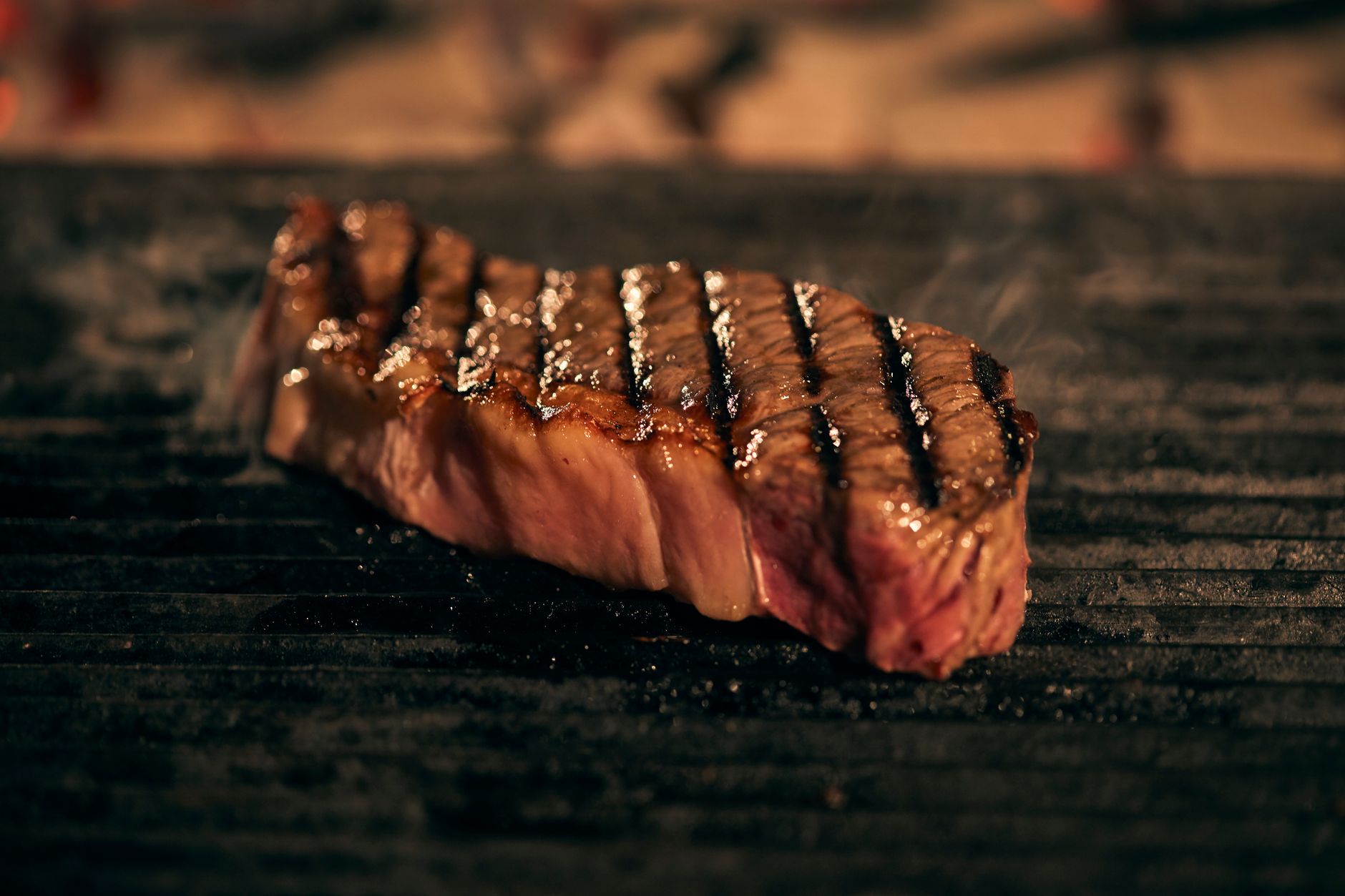
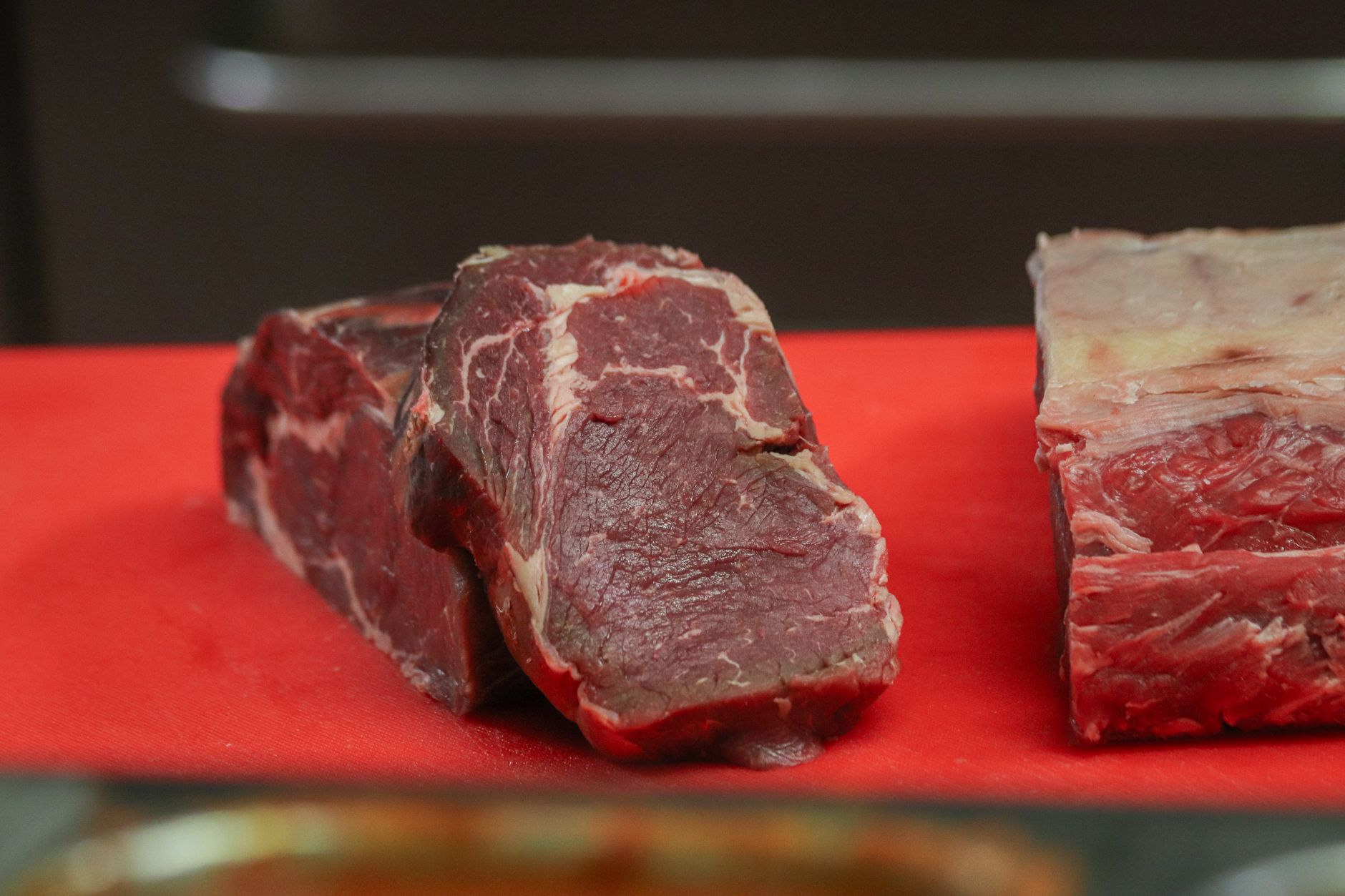
A steak is a specific cut of beef that typically comes from particular parts of the cow and meets certain quality traits. Generally, a steak is a slice of meat cut perpendicular to the muscle fibers, with enough thicknessusually about one inch or moreto be cooked quickly over high heat. This thickness helps keep the steak tender and juicy.
Steaks usually come from more tender areas like the loin or rib sections. Muscle structure and fat marbling in these cuts make them ideal for grilling or searing. This explains why not every cut of beef fits the steak category, even though they all come from the same animal. Understanding what is a steak helps you avoid confusion and get the best from your beef.
Types of Steak Cuts vs. Other Beef Cuts
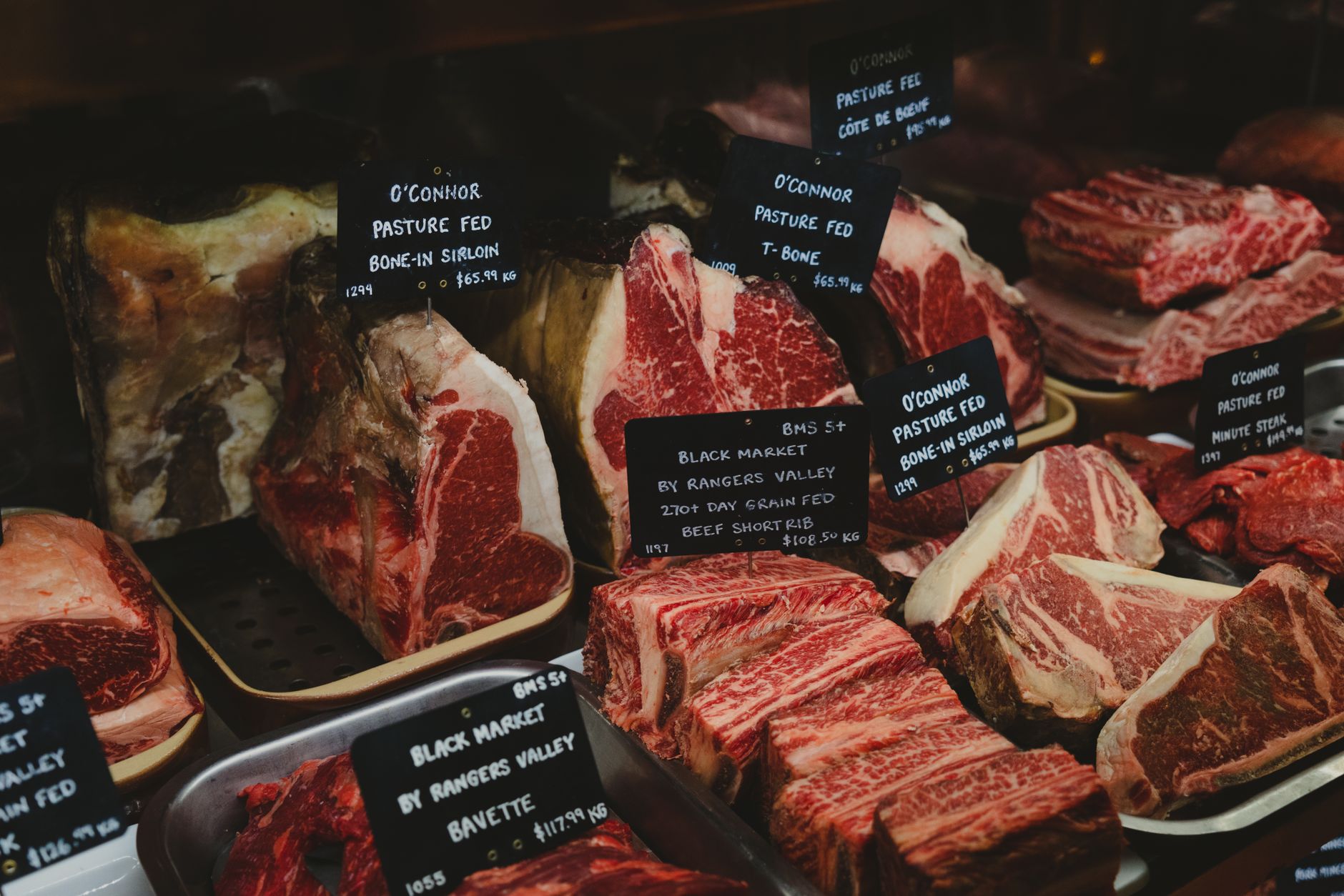
The beef carcass is divided into large primal cuts, then smaller sub-primal cuts. Only some primal cuts and their derivatives produce steaks. The main sections include:
- Chuck: Located near the neck and shoulder. Mostly tougher meat not suited for steak but great for braises and ground beef.
- Rib: A prime steak source, known for ribeye steaks and prime rib roasts.
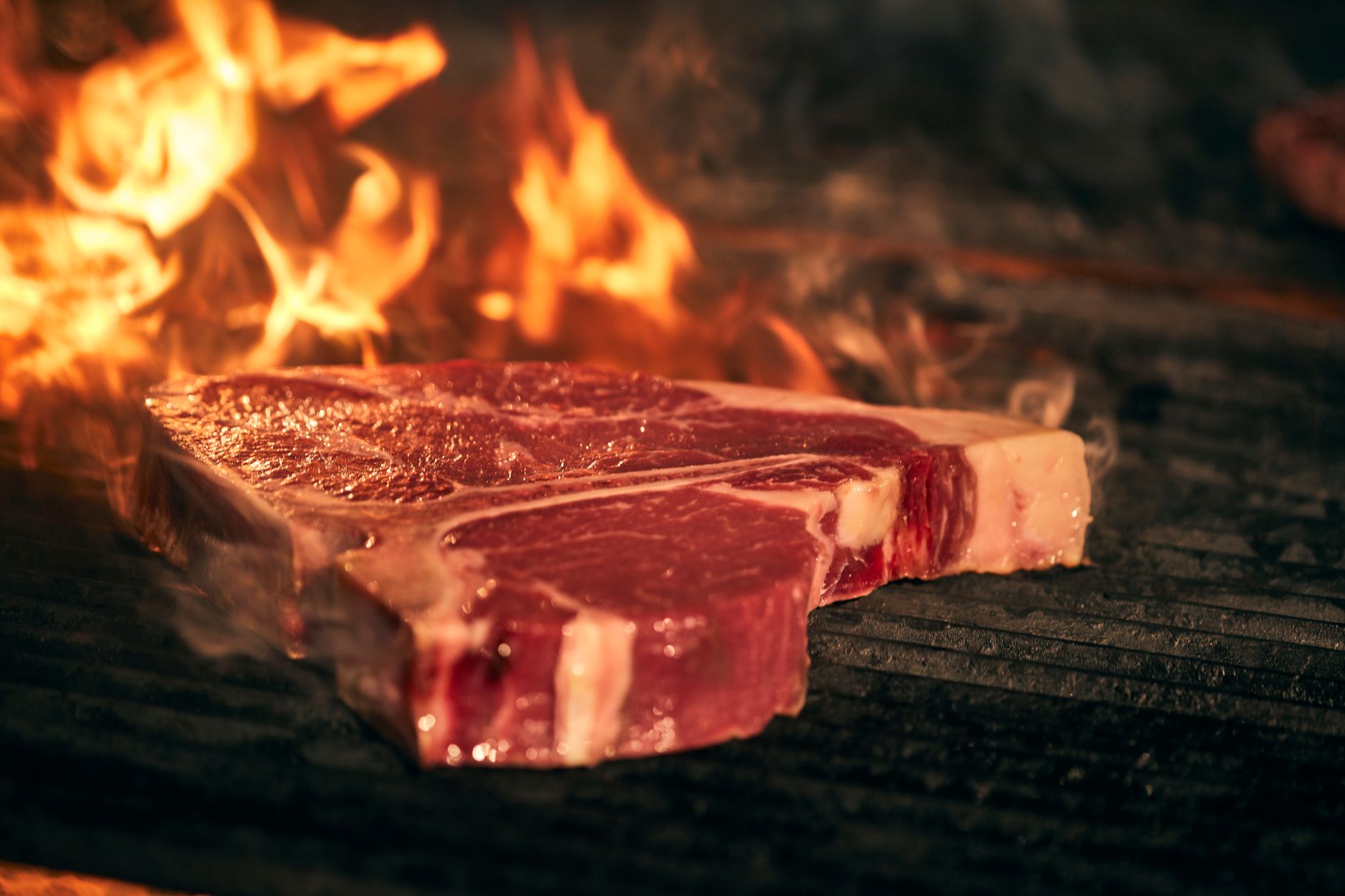
- Loin: The top loin and tenderloin here offer some of the most prized steak cuts, like sirloin, T-bone, and filet mignon.
- Round: Back leg section with lean, tougher cuts mostly used for roasting or slow cooking rather than steaks.
- Brisket: Chest area, very tough, best slow-cooked or smoked, not a steak.
- Flank: Under the loin, lean and flavorful but fibrous; often marinated and grilled thin.
While steaks come mainly from rib and loin regions, cuts from chuck, round, brisket, and flank are often too tough for quick cooking and therefore not classified as steaks.
Popular Types of Steak Cuts and Their Characteristics
| Cut Name | Location | Tenderness | Best Cooking Method |
|---|---|---|---|
| Ribeye | Rib | Very tender, well-marbled | Grilling, pan-searing |
| Filet Mignon | Tenderloin (Loin) | Most tender, mild flavor | Grilling, broiling |
| T-bone | Loin | Tender, with a bone for flavor | Grilling |
| Sirloin | Loin | Moderately tender, beefy taste | Grilling, roasting |
| Flank Steak | Flank | Lean, chewy, flavorful | Marinated grilling, stir-fry |
Butchering and Beef Cuts
How Butchers Divide the Cow
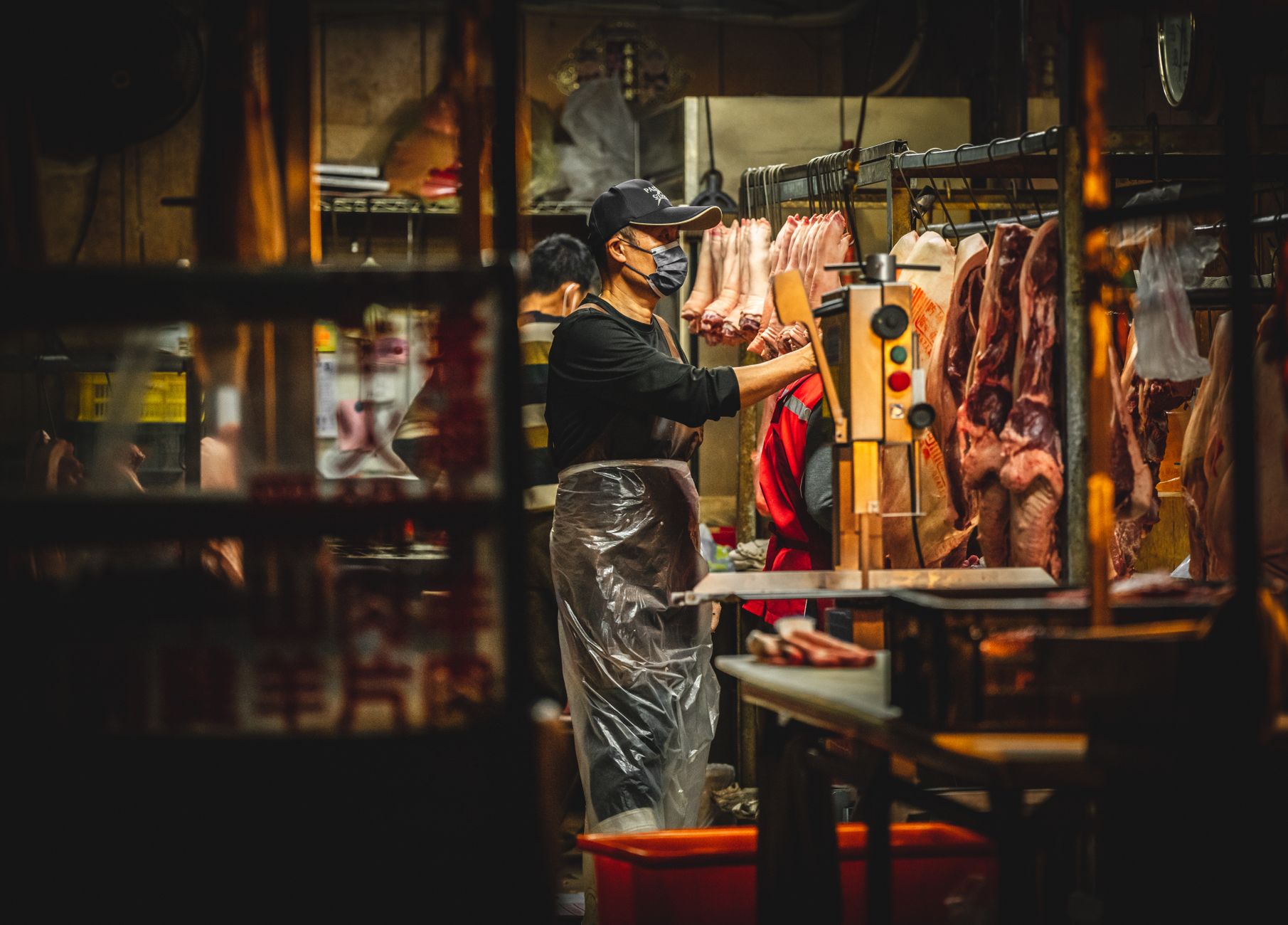
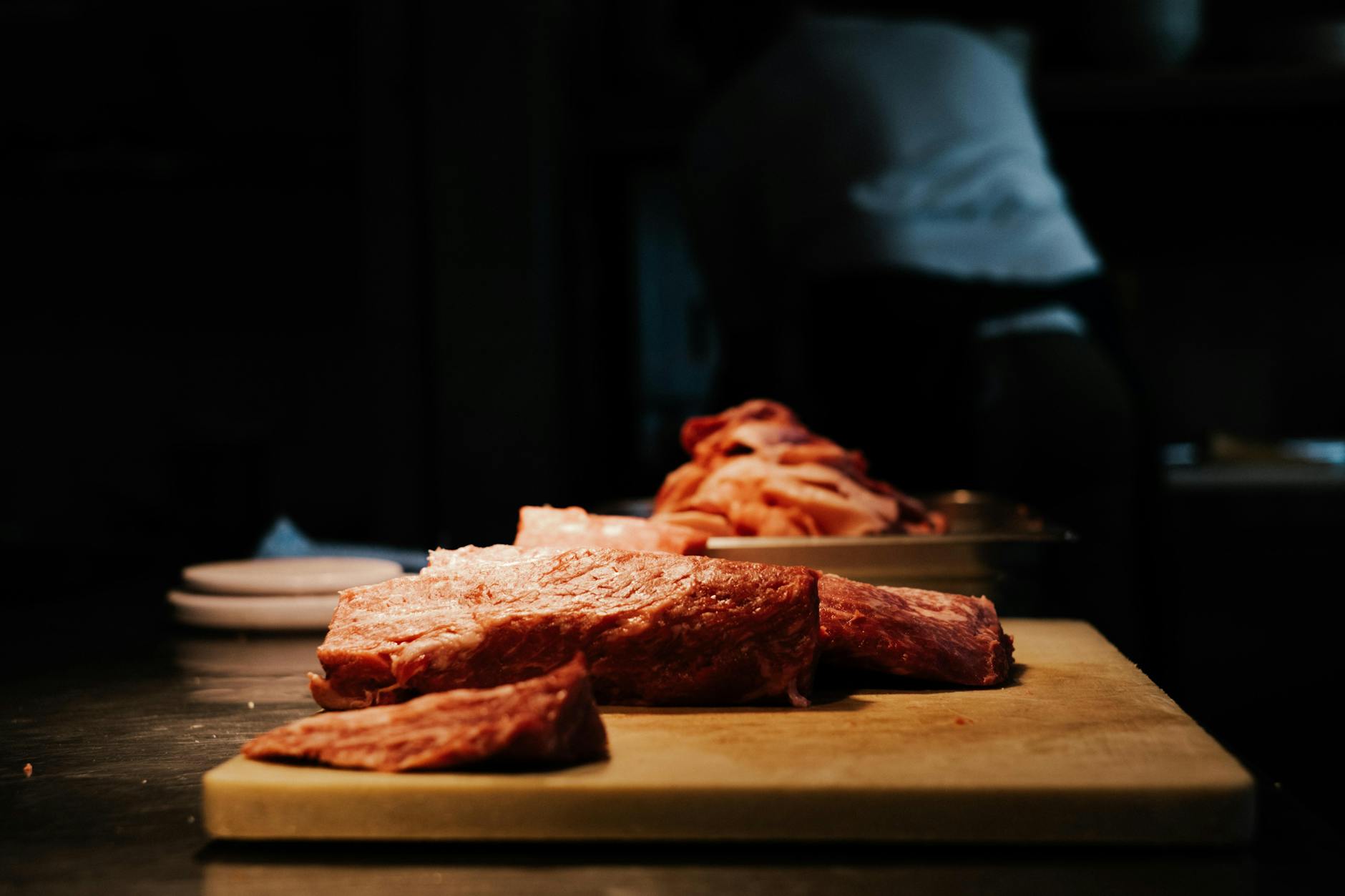
Butchers start with primal cutsthe large sections like chuck, rib, loin, round, brisket, and flank. These are then broken down into sub-primal cuts and retail cuts. Whether a cut becomes a steak or a roast depends on its primal origin and muscle makeup. For example, the loin primal, which is behind the ribs and before the round, gives us those tender steaks prized for quick cooking.
Halal-certified butchers, following JAKIM or HMC standards, ensure not only proper ethical slaughter but also hygienic handling, preserving quality beef cuts for consumers.
Why Thickness and Muscle Structure Matter
Thickness affects how evenly a steak cooks. Thicker cutsover one inchretain juiciness and are less likely to dry out with high heat. Muscle structure influences tenderness; muscles that are less used by the animal are inherently softer.
Connective tissue is higher in tougher cuts like brisket and chuck, making them suitable for slow cooking to break down collagen. That‘s why a chuck roast is great for a stew but would be tough and chewy if grilled as a steak.
Cooking Steaks and Other Cuts
Best Cooking Methods for Steak Cuts
Steak cuts are perfect for grilling, pan-searing, or broiling. High heat cooks the surface quickly, forming a flavorful crust while preserving tender and juicy interiors. For instance, ribeyes marbling melts into the meat during grilling, enriching the flavor.
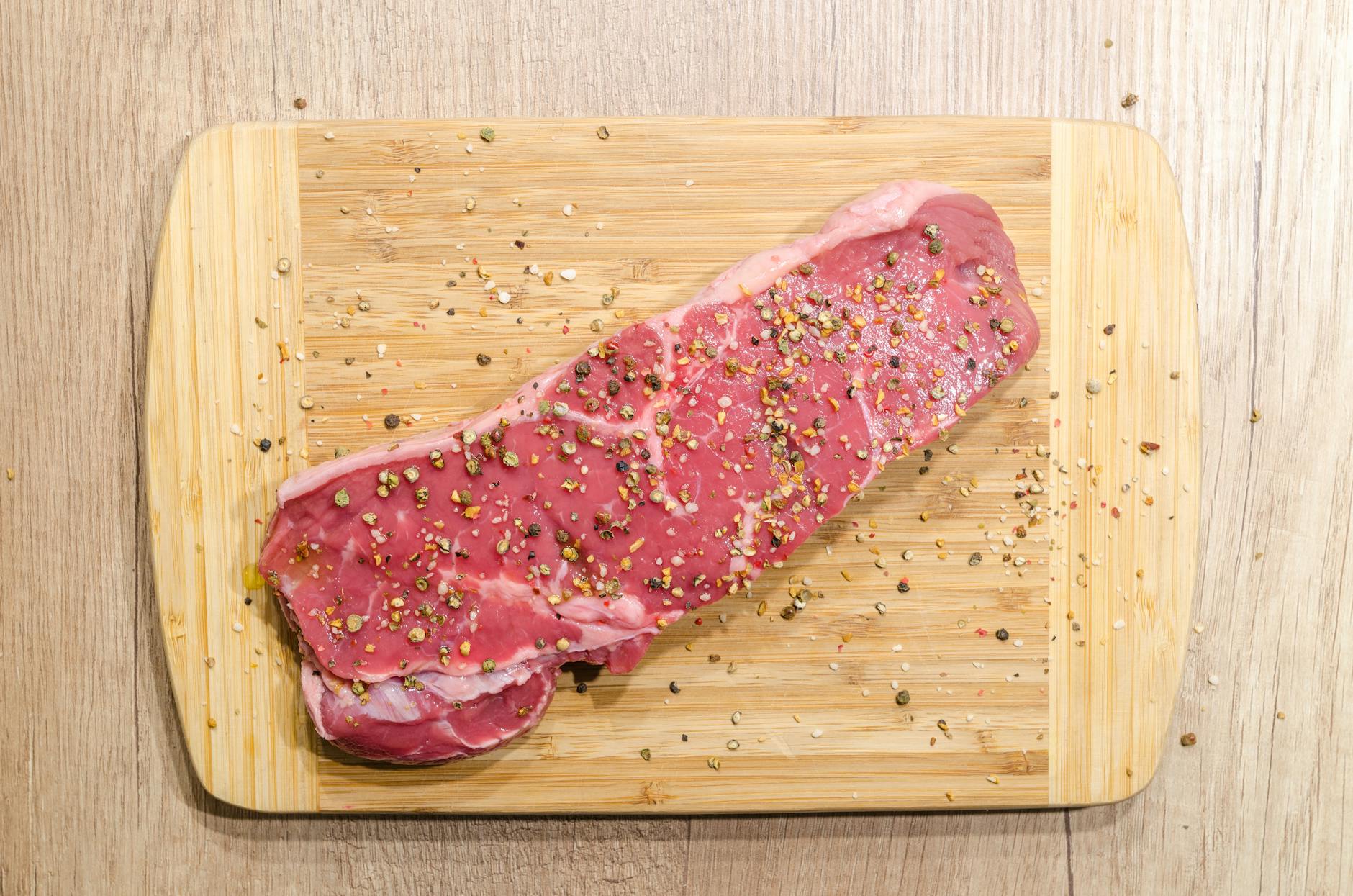
For ideal results, preheat your grill to medium-high (about 450F), season your steak simply with salt and pepper, and cook a 1-inch ribeye for 45 minutes per side for medium-rare. Let it rest 5 minutes before slicing.
Cooking Other Beef Cuts
Non-steak beef cuts like brisket, chuck, and round thrive with slow cooking techniques. Braising at low temperature (around 275F) for several hours tenderizes tough muscle and connective tissue, turning them rich and flavorful.
For example, a brisket cooked low and slow for 56 hours with some liquid melts into tender slices perfect for sandwiches or stews. Using fast, high-heat methods on these cuts usually results in toughness.
Tips for Cooking Different Beef Cuts Perfectly
- Marinate lean cuts like flank steak for 46 hours to tenderize.
- Use a meat thermometer to ensure your steak reaches 130F (medium-rare) for juiciness.
- Slow cook tougher cuts covered at 275300F for 36 hours, depending on size.
- Rest all cooked beef for 510 minutes to allow juices to redistribute.
Benefits and Risks of Beef Cuts
Nutritional Differences
Steak cuts like ribeye tend to have more fat, delivering richer flavor but higher calories. For example, ribeye contains about 450 calories and 35 grams of fat per 6-ounce serving, according to USDA FoodData Central. In contrast, leaner cuts like sirloin or round contain fewer fats and calories but still offer a strong protein boostroughly 200-250 calories per 6-ounce portion.
If you prioritize lean protein, cuts from the round or flank are better choices. For more indulgence and flavor, loin and rib cuts shine.
Potential Health Considerations
While beef is a great protein source, red meat should be consumed in moderation due to saturated fat content. Choosing leaner cuts or grass-fed certified beef improves nutritional profiles, often with higher omega-3 fatty acids and vitamins. For Halal consumers, looking out for certification logos from JAKIM, IFANCA, or HMC ensures ethical and hygienic standards are met, which adds an extra layer of health safety.
Always store fresh beef at or below 4C and cook thoroughly to avoid risks like bacteria contamination. News on relevant Meat recalled listeria events highlight the importance of purchasing from trusted sources.
Recommended Cuts for Occasions
Steak Cuts for Special Dinners
For celebrations or BBQ parties, ribeye and T-bone steaks consistently impress with their rich flavor and tenderness. While pricier, cuts like filet mignon offer that velvety texture ideal for romantic dinners. When budget allows, choosing well-marbled steaks elevates your meal effortlessly.
Affordable Cuts for Everyday Meals
Chuck and flank steaks deliver remarkable flavor at lower prices. When marinated properly and cooked with suited methods, these cuts work perfectly for hearty family meals. Ground beef blends from chuck or round add versatility for dishes like meatballs or burgers, also offered Halal-certified on reputable markets.
Try pairing flank steak with fresh vegetables for a quick stir-fry or slow-cooked chuck roast for stew. These practical options balance taste and cost smartly.
Is beef cuts actually Halal what should I check?
Beef cuts can be Halal when certified by recognized bodies like JAKIM (Malaysia), HMC (UK), or IFANCA (USA). Always look for their certification logos on packaging. Also, ensure the meat is sourced from animals slaughtered according to Islamic law, with clear labeling and traceability. Avoid ambiguous claims like natural or pure, which dont guarantee Halal compliance.
How do I tell if beef cuts are fresh?
Fresh beef cuts have a bright, deep red color with firm, moist texture. Avoid cuts with discoloration, slimy surfaces, or off smells. Packaging should be intact without excess liquid. Check sell-by dates and buy from trusted, Halal-certified suppliers for peace of mind.
Can I grill all beef cuts?
Not all beef cuts suit grilling. Tender cuts from rib and loin are ideal for it. Tougher cuts like brisket or chuck require slow cooking or braising to become tender. Grilling tough cuts might result in chewy, dry meat.
Whats the difference between grass-fed and grain-fed beef cuts?
Grass-fed beef usually has leaner meat with slightly different flavoroften described as earthy or gamey. Grain-fed beef tends to be fattier and sweeter due to marbling. Nutritionally, grass-fed has more omega-3s and antioxidants. Choose based on taste preference and diet goals.
How should I store fresh beef cuts at home?
Keep fresh beef in its original packaging if unopened, stored at or below 4C (39F). Use within 35 days. Once opened, wrap tightly and use within 2 days. Freezing at -18C extends shelf life up to 6 months but may affect texture.
Why does marbling matter in steak cuts?
Marbling refers to the white flecks of fat inside muscle. It melts during cooking, adding juiciness and flavor to steak cuts. Higher marbling usually means a more tender and flavorful steak, as seen in premium ribeye or wagyu cuts.
Are leaner beef cuts less flavorful?
Leaner cuts have less fat, which reduces richness but can still offer great flavor if cooked correctly. Marinating lean cuts adds moisture and taste. Combining with herbs and spices also enhances the eating experience.
Pro Tips for Buying Beef Cuts
One common mistake is choosing cheap beef without checking certification or freshness. Lower-priced beef often comes from tougher, lower-quality cuts with less controlled supply chains, which may not be Halal-certified. Invest in cuts labeled with trusted Halal marks like JAKIM or IFANCA for quality assurance.
Expert tip: When selecting steak, look for consistent marbling with no grayish patches. For budget-friendly meals, consider flavorful cuts like chuck roast, which benefit from slow cooking. Avoid buying too thin steaks; thickness ensures juiciness.
Remember, price doesnt always equal quality. Knowing your recipe and cooking method helps pick the right beef cut and avoid disappointment.
More You Might Like
Explore our guide on Best hot dogs perfect for your next casual meal with family or friends.
Stay informed on food safety updates such as Meat recalled listeria cases to protect your household.
Conclusion
Understanding beef cuts elevates cooking and dining by helping you choose the right meat for your preferences and recipes. Not every beef cut is a steak, and recognizing these differences saves you from costly mistakes. Next time you shop, check the label carefully, especially for Halal certification, and remember how each cuts characteristics relate to your cooking method. Feel free to share your favorite beef cuts or cooking tips with us!
FAQs
Is beef cuts actually Halal — what should I check on the label?
Beef cuts are Halal when certified by recognized bodies such as JAKIM, HMC, or IFANCA. Always look for their certification logos on packaging and ensure the meat comes from animals slaughtered following Islamic law with traceability.
How long do fresh beef cuts last after opening?
Once opened, fresh beef cuts should be tightly wrapped and used within 2 days if refrigerated at or below 4°C (39°F). For longer storage, freezing at -18°C can extend shelf life up to 6 months.
What’s the difference between steak cuts and other beef cuts?
Steak cuts come mainly from tender primal sections like rib and loin, meant for quick, high-heat cooking. Other beef cuts like chuck or brisket are tougher and better suited for slow cooking methods like braising.
Are leaner beef cuts healthier to eat daily?
Leaner cuts have less saturated fat and fewer calories, making them better for frequent consumption. However, it’s still important to balance red meat intake and choose cuts with good nutritional profiles, ideally Halal-certified.
Where can I buy quality Halal beef cuts?
Quality Halal beef cuts are available at Halal-certified butchers, specialty meat markets, and trusted grocery stores. Always check for certification logos and freshness indicators before purchasing.