Okay, let's get this out of the way firsthead cheese isnt actually cheese. Yeah, I know, the names super misleading. But trust me, once you get past that little confusion, head cheese turns out to be this odd yet fascinating cold cut meat with a seriously rich history thats pretty darn worth knowing about.
If youve ever peeked at your [head cheese deli](#) counter wondering, What in the world is this jiggly, meaty slab?, youre not alone. Its one of those foods that makes you raise an eyebrow, but with a bit of background, it suddenly feels like a delicious journey into culinary history. So, hang tight, because were diving into the what, why, and how of head cheese, sprinkled with some fascinating tidbits that might just have you intrigued enough to give it a try.
What Is Head Cheese, and Why You Shouldnt Fear It
Lets start with the basics. What is head cheese exactly? Well, its a type of cold cut meat thats made not from cheese, but rather from pieces of meatusually from the head of a pig or calfcooked down until the collagen in the skin and bones melts, creating a natural jelly, called aspic, that holds the bits of meat together once chilled. The result is a firm, sliceable loaf that tastes hearty, savory, and sometimes a little tangy, depending on the recipe.
Heres the thing: if you picture it just as 'meat jelly,' its way less scary. Its kind of like a terrine or a meatloaf held together by gelatin instead of breadcrumbs or egg. And yes, it may look a little old-school and rustic, but its totally safe to eat and has been enjoyed for centuries. So, no need to turn your nose up before you try it!
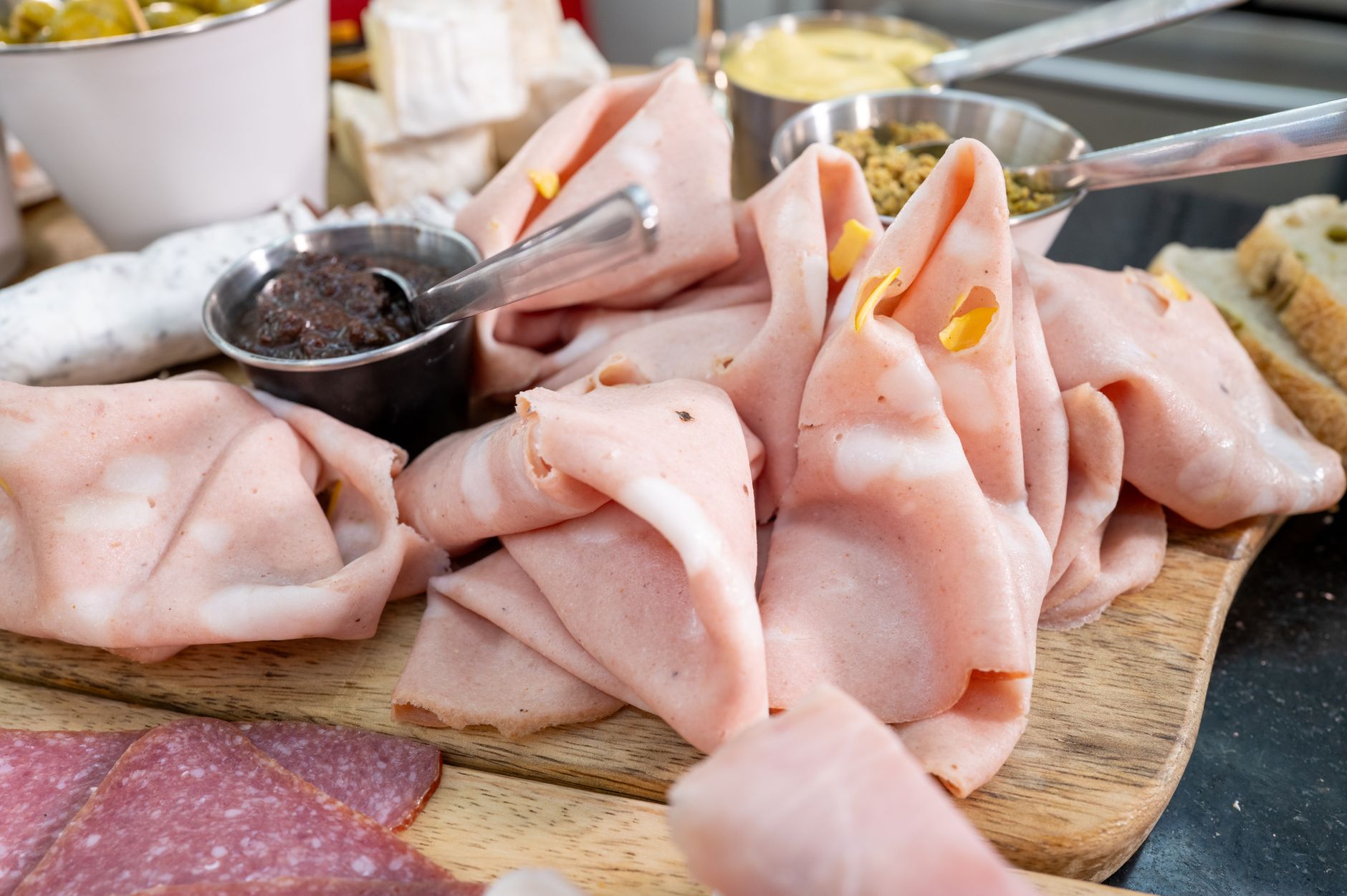
Head cheese is often lumped in with other cold cut meats like salami, bologna, or deli ham. But what sets it apart is that unique combination of texture and flavor thanks to the aspic that surrounds the meat.
Like Other Aspics, Head Cheese Started as a Preservation Method
Heres a little throwback for you: before refrigerators were a thing, people had to get pretty clever when it came to keeping their food from going bad. Head cheese started as part of this ingenuity. By cooking the animals head parts slowly, the collagen would turn into a natural gelatin, encapsulating the meat in a protective jelly that helped preserve it for longer. This was a big deal back thenless waste, more food to go around.
Plus, it was an excellent way to turn leftover scraps that might otherwise be tossed out into something tasty and satisfying. Sort of like a waste not, want not approach, which is honestly pretty eco-friendly when you think about it.
Over time, this practical food evolved into a delicacy in many regions, with recipes getting more flavorful and elaborate. Traditional head cheese recipes often include herbs, vinegar, onions, and spices to punch up the taste.

Why Its Name Contains Cheese When There Is No Actual Cheese
Now, back to the name, which keeps tripping people up. Why is it head cheese if theres no dairy involved? The answer lies in the old use of the word cheese meaning any kind of cold, set, molded food product. In Middle English and other European languages, cheese sometimes referred to something that was formed or shaped.
Think about ithead cheese is shaped into a loaf or block and sliced like cheese, so the name kind of makes sense when you imagine it that way. Plus, remember the aspic? That jelly part is what sets it apart and gives it a "cheesy" feel in texture, kind of like how some cheeses will jiggle when sliced.
In culinary terms, head cheese is basically a type of aspica savory gelatin dish made from meat stock and pieces of meat. That's why understanding aspic helps peel back the mystery around head cheese. If youre curious, aspic itself is seeing a bit of a modern renaissance thanks to chefs and food lovers who are rediscovering old culinary techniques with a fresh twist.
Europe Wasnt the Only Region That Created a Form of Head Cheese
While head cheese has deep roots in European cuisinethink Germanys Presskopf, Frances Fromage de Tte, or Eastern Europes Tlaenkaits a global tradition to transform all parts of an animal into food. Different cultures developed their own variations, depending largely on available ingredients and flavor preferences.
For example, in Louisiana, head cheese took on a unique American twist, becoming a local specialty flavored with regional spices and hot peppers. The Cajun and Creole versions are often a bit spicier and richer, perfect for those who like a little kick. Theres a real sense of pride and identity wrapped up in Louisiana head cheese, showing how a humble food can turn into cultural iconography.
So, if you ever swing by a southern deli or a market with a butchers section, grab a slice and taste that hearty tradition yourself. There's a story in every bite, and sometimes a little heat too!

Head Cheese Started as a Poverty Food but Later Became a Delicacy
It's funny how many dishes that were once considered "poor peoples food" are now treated like treasured delicacies. Head cheese is definitely one of those foods. Back in the day, people made head cheese to make sure no part of the animal went to wasteespecially in times when food was scarce.
But as techniques refined and tastes evolved, head cheese moved up the culinary ladder. It became something you'd find on the platters of fancy homes, served with pickles or mustard, appreciated for its bold, unique flavors. The journey from humble origins to gourmet plate is a classic story in food history, and head cheese tells it well.
Whats nice here is that the dish brings a sense of humility to the tablea reminder that resourcefulness can create something wonderful. Its a point often forgotten in our era of abundance and convenience.
The Benefits and Risks of Eating Head Cheese
Alright, now that were vibing with the history and culture, lets talk about something important: What are the benefits and risks of eating head cheese? Because honestly, all food comes with some trade-offs, right?
First, the good stuff: head cheese is packed with protein and can be a decent source of collagen, which some nutritionists say is great for skin and joint health. Compared to many processed cold cuts, traditional head cheese often has fewer fillers and additivesespecially when you get it from a trusted deli or make it yourself.
But of course, there are some cautions. Its still a cured meat product, so it can be high in sodium and saturated fats, which you want to enjoy in moderation. Also, since its a gelatin-based product, it can be dense and rich, so a little goes a long way. And like all meats, buying head cheese from reputable sources is key to ensuring food safetyso always check for freshness and proper refrigeration. If you want some tips about safe storage, you might be interested to learn what must you do when refrigerating prepared foodsits a handy guide!
Head Cheese in Todays Deli and Food Scene
So, is head cheese making a comeback? It sure looks like it! The whole world of traditional and artisanal foods is blossoming againand head cheese, with its rich flavors and fascinating history, is riding that wave. Foodies and chefs alike are rediscovering it, putting their spin on classic recipes to appeal to modern palates.
In delis, youll find head cheese nestled between the usual cold cut meats, and its quirky charm is drawing in curious eaters. If you want to find good head cheese, look for quality delis that emphasize traditional recipes and fresh ingredientsskip anything that looks overly processed or suspiciously cheap. Classic pairings like crusty bread, mustard, and pickled veggies take it to another level.
And hey, if you like to experiment in the kitchen, head cheese can be surprisingly versatile. Try it in sandwiches, charcuterie boards, or even diced into a savory salad. Its comfort food with a story, and sometimes thats exactly what we need. If youre someone who loves easy meal ideas, you might like these make ahead breakfast sandwichesperfect for busy mornings and just as comforting as a slice of head cheese on rye!

Summary and Final Thoughts on Head Cheese
So, there you have itthe curious, somewhat quirky, but totally fascinating world of head cheese laid out for you. Its not just a cold cut; its a slice of history, culture, and culinary creativity rolled into one. From humble preservation origins to its place on gourmet cheese boards, head cheese has earned a spot in the food hall of fame (or deli case at least!).
Next time you see head cheese in your local deli, I hope youll think beyond the name and give it a tryyou might find its a delightful new experience. And remember, like with any food, its all about balance: enjoying the benefits, tasting the tradition, and being aware of what youre eating to make informed choices.
What do you think? Were you curious, skeptical, or already a fan of head cheese? Share your thoughts or any recipes you lovelets keep the conversation going!
FAQs
What is head cheese made from?
Head cheese is made from the meat and skin of an animal's head, usually a pig or calf, cooked until the natural collagen forms gelatin to hold the meat together.
Is head cheese actually a type of cheese?
No, head cheese contains no dairy; the term "cheese" refers to its molded, sliceable shape and gelatinous texture, not cheese made from milk.
What is the purpose of aspic in head cheese?
Aspic is the natural jelly formed from collagen in the meat, which acts as a binder to hold the meat pieces together once chilled.
Can head cheese be part of a healthy diet?
Head cheese offers protein and collagen but can be high in sodium and saturated fat, so it should be enjoyed in moderation as part of a balanced diet.
Where did head cheese originate?
Head cheese has roots in European cuisine but has variations worldwide, including spicy and flavorful versions from Louisiana in the United States.