If youve ever wondered why your chimichanga feels much crunchier than your usual burrito, youre not alone. Both dishes feature similar fillings wrapped in a tortilla, but the main difference lies in the cooking method. A chimichanga is essentially a deep-fried burrito, giving it a crispy, indulgent exterior, while burritos are typically steamed or grilled, resulting in a softer texture. Understanding these differences can help you better enjoy these Mexican favorites and even try making your own Halal versions at home.
What Exactly Is a Burrito?
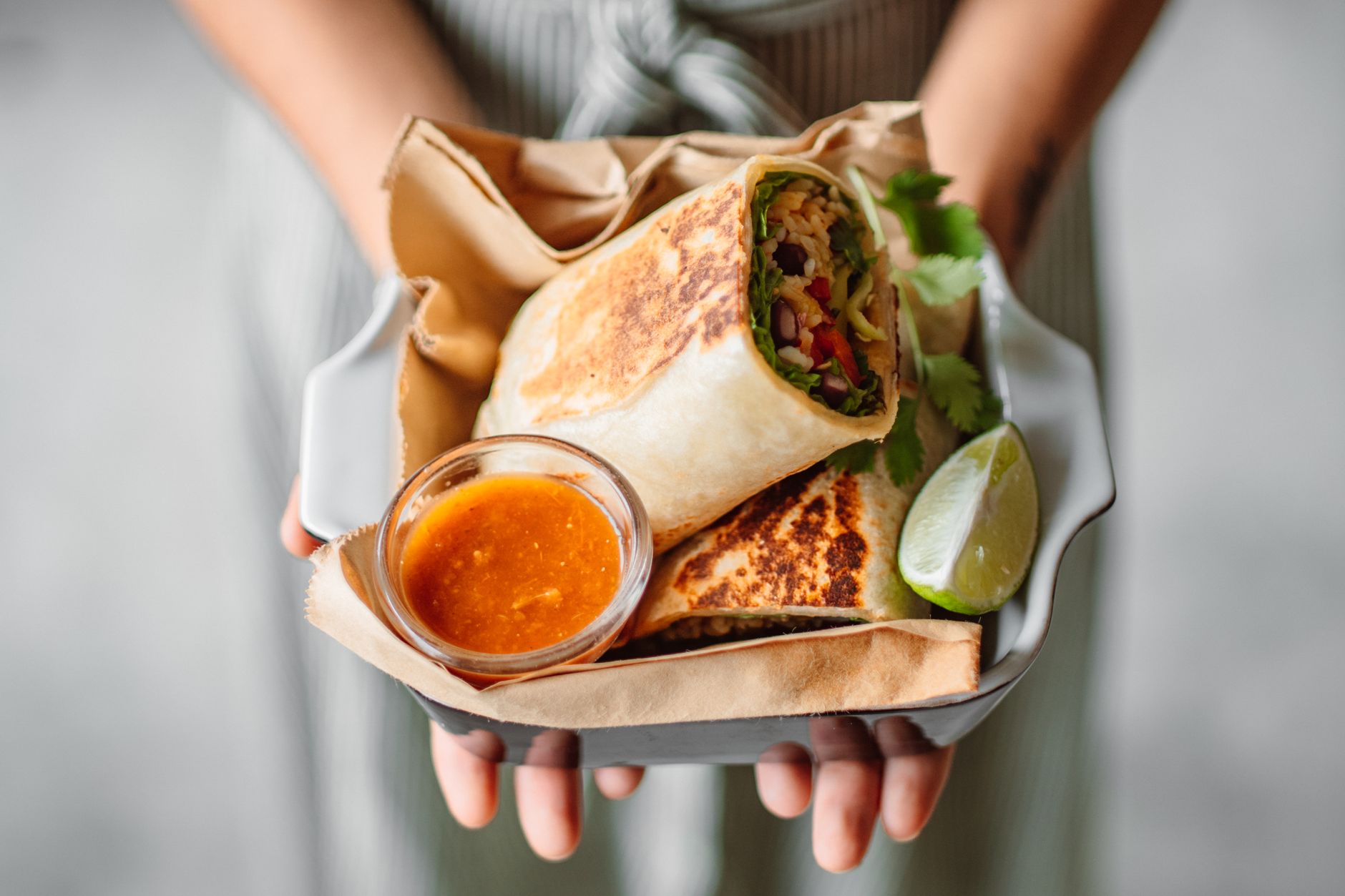
A burrito is a staple of Mexican and Tex-Mex cuisine, made by wrapping a large flour tortilla around a variety of savory fillings. The hallmark of a burrito is its soft, pliable tortilla enveloping hearty ingredients that can range from rice and beans to meat, cheese, and fresh vegetables.
What Are Typical Burrito Ingredients?
Burrito ingredients usually include:
- Rice (often seasoned with lime and cilantro)
- Beans (black, pinto, or refried)
- Meat options such as grilled chicken, beef, or shredded lamb
- Cheese (cheddar, Monterey Jack, or queso fresco)
- Salsa and guacamole for added moisture and flavor
- Fresh veggies like lettuce, tomatoes, and onions
Regional variations also exist with some burritos adding items like sour cream, jalapeos, or even French fries for texture and taste.
How Is a Burrito Traditionally Prepared?
Typically, the tortilla is gently warmed either by steaming or light grilling. This softens the wrap, making it flexible but not soggy. The filling is placed in the center, then the tortilla is folded tightly on opposing sides and rolled. This technique helps retain heat and prevents fillings from spilling out.
According to chefs specializing in Mexican cuisine, mastering the burrito wrap is key to a satisfying bite every time. It ensures that the combination of ingredients is balanced and the flavors meld while keeping the texture soft and comforting.
What Is a Chimichanga?
A chimichanga can be described as a deep-fried burrito. This cooking method sets it apart by transforming the soft tortilla into a crispy, golden shell. The frying process adds a rich, toasty flavor outside while sealing in the juicy fillings inside.
What Is the Typical Chimichanga Recipe?
| Prep time | Cook time | Total time | Servings | Calories | Diet tags |
|---|---|---|---|---|---|
| 15 minutes | 10 minutes | 25 minutes | 4 | 450 (per serving) | Halal |
Basic chimichanga fillings closely mirror burrito ones: seasoned rice, beans, shredded cooked meat (often halal-certified chicken or beef), cheese, and salsa. After the ingredients are wrapped tightly in the tortilla, the chimichanga is fried in vegetable oil heated to 350F (175C) for about 45 minutes on each side or until the exterior is crisp and golden brown.
Expert cooks recommend draining excess oil on paper towels and serving chimichangas with toppings like sour cream or guacamole for a balanced flavor profile.

How Does Frying Affect the Ingredients Inside?
Frying creates a crispy outer layer that locks in moisture, ensuring the filling remains tender and juicy. The heat from the oil activates Maillard reactions on the tortilla, adding a rich, savory flavor. However, frying can also make the dish higher in calories and fat compared to the same ingredients inside a steamed burrito.
Some health-conscious cooks opt to bake chimichangas at 400F (205C) for 1520 minutes as a lighter alternative, which still achieves some crispness without deep-frying.
Chimichanga vs Burrito: Key Differences and Similarities
| Feature | Burrito | Chimichanga |
|---|---|---|
| Main cooking method | Steamed, grilled, or warmed tortilla | Deep-fried to crisp golden brown |
| Tortilla texture | Soft and pliable | Crispy and crunchy |
| Common fillings | Rice, beans, meat, cheese, veggies | Same as burrito but often more concentrated |
| Typical serving style | Wrapped, often eaten handheld | Usually served on a plate with toppings or dipping sauces |
| Calories | Generally lower | Higher due to frying |
| Popular accompaniments | Salsa, guacamole, sour cream | Sour cream, cheese sauce, or chili con carne |
Is a Chimichanga Just a Fried Burrito?
While a chimichanga is essentially a fried burrito, subtle differences exist in how each is seasoned and served. For example, chimichangas often feature a thicker, denser filling since the frying process seals everything inside. In some regions of the US, chimichangas come topped with melted cheese or spicy sauces, distinguishing them from traditional burritos that are typically eaten more simply and wrapped for convenience.
Which Dish Suits Different Occasions or Dietary Preferences?
Burritos suit lighter meals or on-the-go snacks where convenience is key. They are ideal for those seeking a filling but balanced meal without too much added fat. Meanwhile, chimichangas offer a comforting, indulgent option perfect for sit-down meals or special occasions. For health-conscious or halal consumers, choosing halal-certified meats and moderating frying frequency helps balance enjoyment and nutrition.
For easy meal prep that includes Halal options, consider exploring Swift prepared foods for trusted, ready-to-eat selections.
How to Make the Best Burritos and Chimichangas at Home
Making both dishes at home means controlling quality, ingredients, and ensuring your meal complies with Halal dietary laws. Always verify your meat sources carry trusted Halal certification such as JAKIM or IFANCA logos.
Step-by-Step Chimichanga Recipe
- Heat 2 cups vegetable oil in a heavy skillet to 350F (175C).
- Warm 4 large flour tortillas on a skillet for 15 seconds per side.
- In a bowl, combine 2 cups cooked rice, 1 cup cooked halal shredded chicken, 1 cup black beans, 1 cup shredded cheese, and cup salsa.
- Place cup filling in the center of each tortilla.
- Fold sides in and roll tightly, sealing edges with a bit of water.
- Fry each wrapped tortilla for 45 minutes per side until golden and crisp.
- Drain on paper towels and serve hot with sour cream and guacamole.
Burrito Assembly and Wrapping Tips
- Warm tortillas briefly to prevent cracking during folding.
- Place ingredients slightly off-center and fold the sides over the filling, then roll from one edge to the other.
- Wrap tightly but avoid overfilling to prevent tearing.
- Serve with fresh salsa or your favorite Halal-certified hot sauce.

Health-Conscious Ingredient Sourcing
Look for Halal-certified meat and dairy products from reputable sources. Choose whole grain tortillas for added fiber. Incorporate fresh vegetables and limit heavy cheese or sour cream amounts for a balanced meal. For those with gluten sensitivities, consider corn tortillas, although traditionally chimichangas rely on flour tortillas for frying durability.
If you want a convenient option to enjoy fresh baked goods for your meal sides, check out options available through Corner bakery delivery services.
Most Overlooked Cooking Mistake
One common error is overcrowding the pan during frying. This drops oil temperature, resulting in greasy, soggy chimichangas. Fry in batches to maintain 350F for crispiness. For burritos, under-warming tortillas causes cracking and poor wrapping. Take extra seconds to warm for easy handling.
Expert Upgrade Tips
- Add a squeeze of fresh lime and chopped cilantro inside burritos to brighten flavors.
- Use a thermometer to keep frying oil at optimal temperature.
- Try serving chimichangas with a drizzle of tangy tomatillo sauce for authentic zest.
When is the best time to eat chimichanga vs burrito?
Burritos work well as versatile breakfast, lunch, or light dinner options. Their portability makes them great for meals on the go. Chimichangas, with their richer fried texture, suit leisurely meals when you can savor the crunchy indulgence ideal for weekend lunches or casual dinners.
What is healthier: chimichanga or burrito?
Burritos generally have fewer calories and less fat because theyre not fried. If youre watching fat intake or calories, burritos with grilled or steamed fillings are the better choice. But an occasional chimichanga, especially when homemade with quality oils and lean meats, can fit into a balanced diet.
Can you bake a chimichanga instead of frying?
Yes, baking at 400F (205C) for 1520 minutes with a light spray of oil creates a crisp exterior while reducing fat content. The texture differs slightly from fried chimichangas, but its a great health-conscious alternative that still delivers flavor.
Are chimichangas popular outside the US?
Chimichangas originated in the Southwestern US and Mexico border areas. While burritos enjoy global popularity, chimichangas remain more niche and regional. However, interest is growing internationally as people explore diverse Mexican-inspired dishes.
How do regional Mexican food dishes influence these two?
Ingredients and preparation vary by region. Northern Mexico favors big flour tortillas and grilled meats for burritos, while the US Southwest popularized deep-fried chimichangas. Local produce and spices shape each versions flavor profile.
What Halal certifications should I look for in meats for these dishes?
Choose halal-certified meats carrying recognition from trusted bodies like JAKIM, HMC, or IFANCA to ensure compliance with Islamic dietary laws. These certifications guarantee humane slaughter and meat source traceability.
Can vegetarian or vegan versions be made?
Absolutely. Substitute meat with grilled vegetables, beans, tofu, or plant-based proteins. Use dairy-free cheese and sour cream alternatives for vegan-friendly burritos and chimichangas without sacrificing flavor.
How long can homemade chimichangas and burritos be stored?
Store leftovers in airtight containers in the fridge. Burritos keep well for 34 days and reheat in the microwave wrapped in a damp paper towel for moistness. Chimichangas are best eaten fresh but can be refrigerated for up to 2 days. Reheat at 350F (175C) for 810 minutes to regain crispiness.
What sauces pair best with chimichangas and burritos?
For burritos, fresh salsa, guacamole, or mild hot sauce complements them perfectly. Chimichangas go well with richer sauces like queso, tomatillo, or sour cream-based dips to balance the fried texture.
How do I prevent soggy burritos?
To avoid sogginess, drain excess moisture from fillings, especially salsa and cooked vegetables. Assemble burritos just before serving, and warm tortillas separately. Wrapping burritos tightly also helps keep them intact while eating.
More You Might Like
Explore our collection of convenient and trusted Swift prepared foods for quick Halal meal options. If you love fresh baked goods to accompany your meals, check out our Corner bakery delivery service for doorstep freshness.
Conclusion
Chimichanga vs burrito mainly comes down to cooking stylecrispy fried versus soft steamed or grilled. Both dishes share similar fillings but offer distinct textures and eating experiences. Whether you prefer the indulgent crunch of a chimichanga or the convenient softness of a burrito, both can be enjoyed healthily using halal-certified ingredients. Next time you shop or cook, pay attention to quality labels or try making your own delicious recipes at home. Feel free to share your favorite variations or cooking tips in the comments below.
FAQs
When is the best time to eat or drink chimichanga vs burrito?
Burritos are versatile for breakfast, lunch, or light dinners and ideal for meals on the go. Chimichangas, with their rich fried texture, are best enjoyed during leisurely meals such as weekend lunches or casual dinners where you can savor their crunch.
How long can homemade chimichangas and burritos be stored?
Burritos last well in the fridge for 3–4 days and reheat best wrapped in a damp paper towel. Chimichangas are best eaten fresh but can be refrigerated up to 2 days; reheat at 350°F (175°C) for 8–10 minutes to restore crispiness.
What is the main difference between a chimichanga and a burrito?
The primary difference is cooking style: a burrito’s tortilla is steamed or grilled and remains soft, while a chimichanga is deep-fried, creating a crispy, crunchy exterior. This changes texture and calorie content significantly.
Is it safe to eat chimichangas or burritos daily?
While burritos generally are lower in calories and fat, eating either daily depends on ingredient choices and portion sizes. Moderation and choosing lean halal meats and fresh veggies help maintain a balanced diet.
Where can I buy halal-certified ingredients for chimichangas and burritos?
Look for halal-certified meats from trusted suppliers bearing certifications like JAKIM, IFANCA, or HMC. Many specialty grocery stores and online halal food retailers offer quality ingredients for homemade recipes.