If youve ever baked bread at home, youve probably heard the terms proofing and fermenting tossed around. But what do these words really mean? Understanding the difference between proofing vs fermenting can save your dough from disasters and transform your baking from good to amazing. Both steps involve rise, yeast, and timebut they serve different purposes in the bread-making process. Get this right, and your bread will develop rich flavor, a beautiful crumb, and an irresistible crust every time.
What Is Fermenting?
Fermenting is the initial stage where yeast and bacteria work their magic on the dough. Simply put, fermentation is the process that makes the dough rise while producing flavor and gluten structure. The yeast consumes sugars and releases carbon dioxide gas, which gets trapped in the dough, causing it to expand. Meanwhile, byproducts like alcohol and organic acids add complex tastes and improve texture.
How Does Fermentation Work?
At its core, fermentation relies on tiny living organismsmainly yeast and sometimes lactic acid bacteriathat feed on sugars in the flour. As yeast ferments, it releases carbon dioxide bubbles, which stretch the gluten protein network. This stretching traps the gas, making the dough light and airy. The length of fermentation influences dough elasticity, flavor complexity, and crust color after baking.
What Happens During Dough Fermenting Stages?
Fermentation typically happens in two parts. The first is bulk fermentation, when the whole dough rests and gas builds up inside. During this time, the dough nearly doubles in size and becomes softer. The second stage, sometimes called secondary fermentation or bench rest, occurs after dividing and shaping but before final proofing. This stage helps dough relax and develop its final structure without over-expanding.
Expert Tip: Ideal Conditions for Fermenting Bread Dough
Fermentation works best at temperatures between 75F and 80F (24C27C). Too cold, and yeast slows down; too warm, and it risks dying or producing off flavors. Humidity between 75% and 85% also encourages steady fermentation.
Dont over-ferment your doughtoo long can cause it to collapse or develop sour notes you didnt intend. If your dough smells overly tangy or feels sticky and slack, its a sign fermentation went too far. I once left a sourdough bulk ferment 6 hours too long and ended up with a dense loaf. Lesson learned!
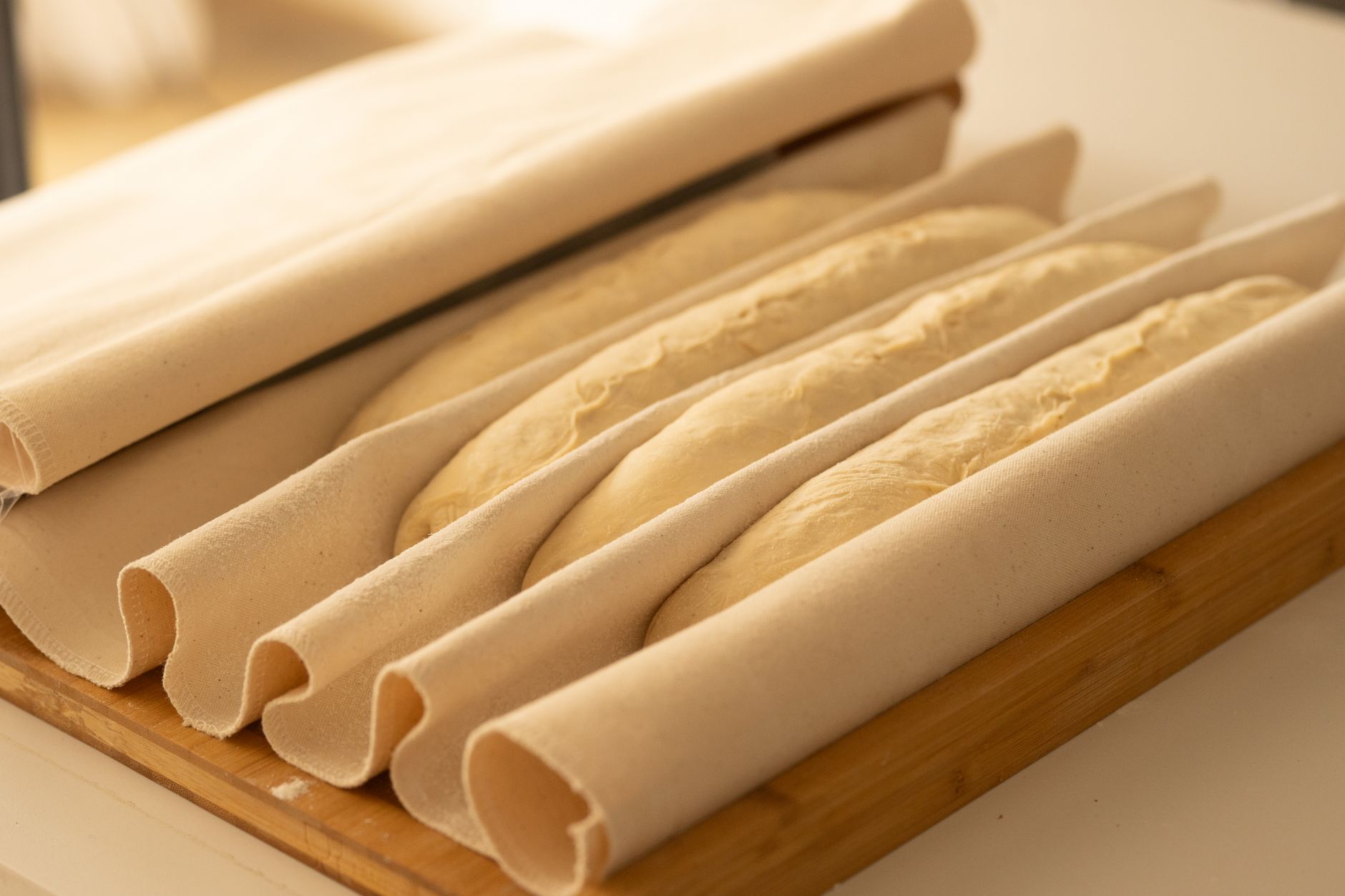
What Is Proofing?
Proofing is the final rise given to shaped dough just before it goes into the oven. Think of proofing as the doughs last chance to puff up and develop. It wakes up the yeast to produce more carbon dioxide, gently expanding the shape you created. This step ensures your bread will be light, with the right volume and crumb texture after baking.
How Long Should You Proof Dough?
Proofing times vary widely depending on dough type, ambient temperature, and recipe. Typically, proofing lasts between 30 minutes to 2 hours. Warmer temperatures speed up proofing, while cooler slows it down. But rather than timing only, watch your dough closely: its ready when it springs back slowly after a gentle poke, leaving a slight indentation. If it springs back quickly, it needs more time; if it doesnt spring back at all, it might be over-proofed.
What Are the Dough Rising Stages During Proofing?
Under-proofed dough is dense, tight, and resists stretching. Properly proofed dough feels soft and holds its shape with gentle bounce. Over-proofed dough looks very puffy, sometimes wrinkled, and can collapse easily. Each stage impacts how your loaf will rise and bake. Getting proofing right is key to avoiding heavy or flat bread loaves.
Bread Proofing Tips for Perfect Rise
Creating a steady warm environment is essential. A proofing box set to 80F (27C) with good humidity is ideal. Otherwise, cover your dough with a damp towel and place it in a warm, draft-free spot. Avoid sudden temperature changes, as they shock the yeast. If you dont have a proofing box, try a microwave with a cup of hot water inside to create a mini steam chamber.
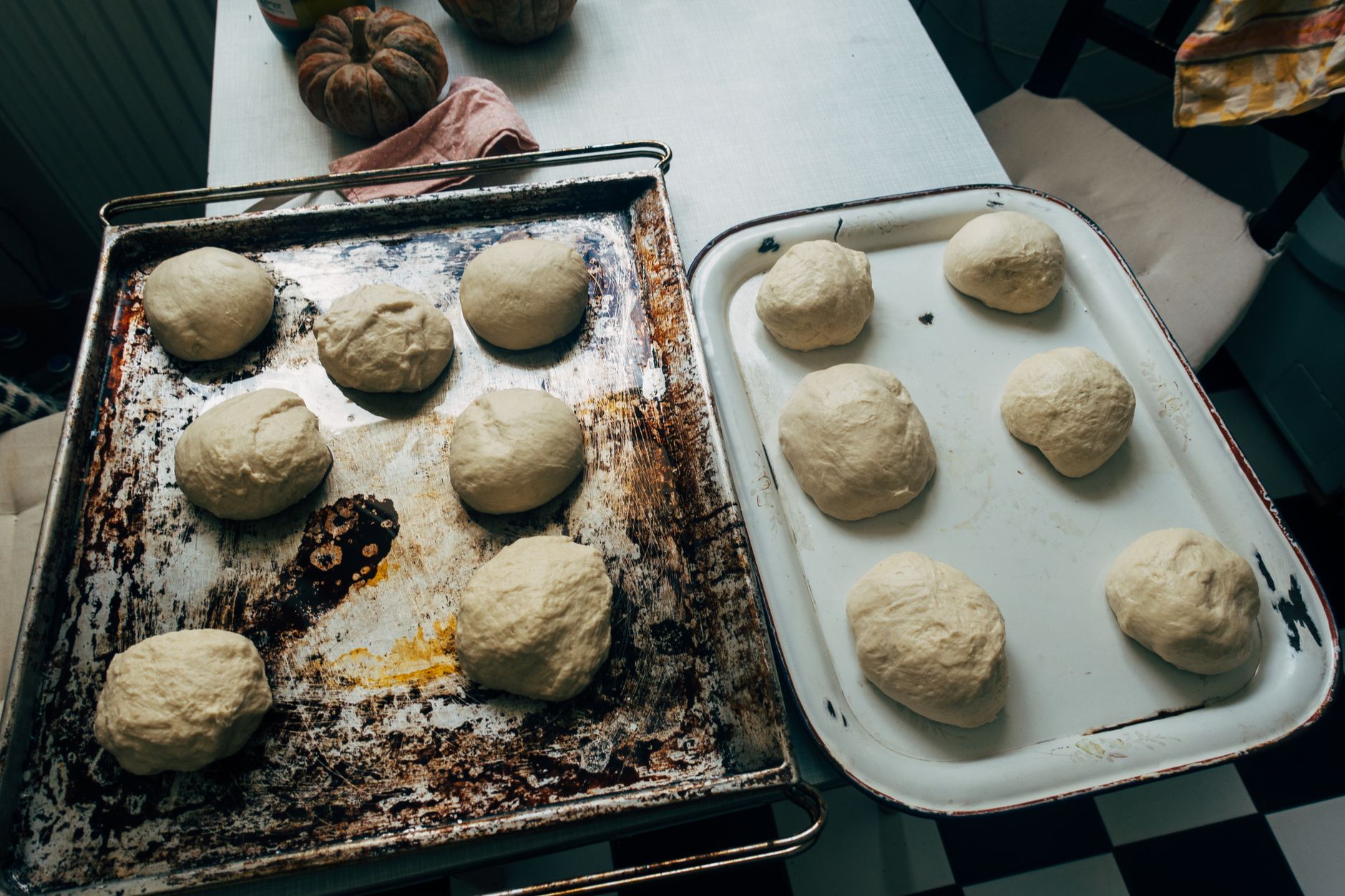
Proofing vs Fermenting Differences
| Aspect | Fermenting | Proofing |
|---|---|---|
| Purpose | Develop flavor, structure, initial rise | Final dough rise before baking |
| Timing in Process | After mixing, before shaping | After shaping, before baking |
| Duration | 16+ hours depending on recipe | 30 minutes to 2 hours |
| Effect on Dough | Softens, develops gluten & flavor | Expands shaped dough, final volume |
| Risk | Over-fermentation causes collapse, sourness | Over-proofing causes deflation, off texture |
Why Confusing Proofing and Fermenting Matters
Mixing these two stages up wastes time or ruins texture. Over-proofing instead of fermenting leads to weak gluten and flat bread. Under-proofing results in tight crumb and poor rise. Professionals carefully control both steps for perfect balance: enough fermentation for flavor and structure, just right proofing for volume and shape. Your patience and observation during these steps truly pay off.
Tips for Proper Fermentation & Proofing
Adjust fermentation and proofing based on the bread you want. For sourdough, fermentation is longer to develop tangy flavor. For sandwich bread, its shorter and precise to maintain softness. Always start with fresh yeast and quality ingredientsusing Halal-certified flour and yeast if you require strict dietary compliance.
Keep dough covered to prevent drying and keep temperature steady. Use a thermometer to check room or proofing box temperature. Avoid sudden temperature swings, which stress yeast activity.
Tools to Monitor Dough Rising
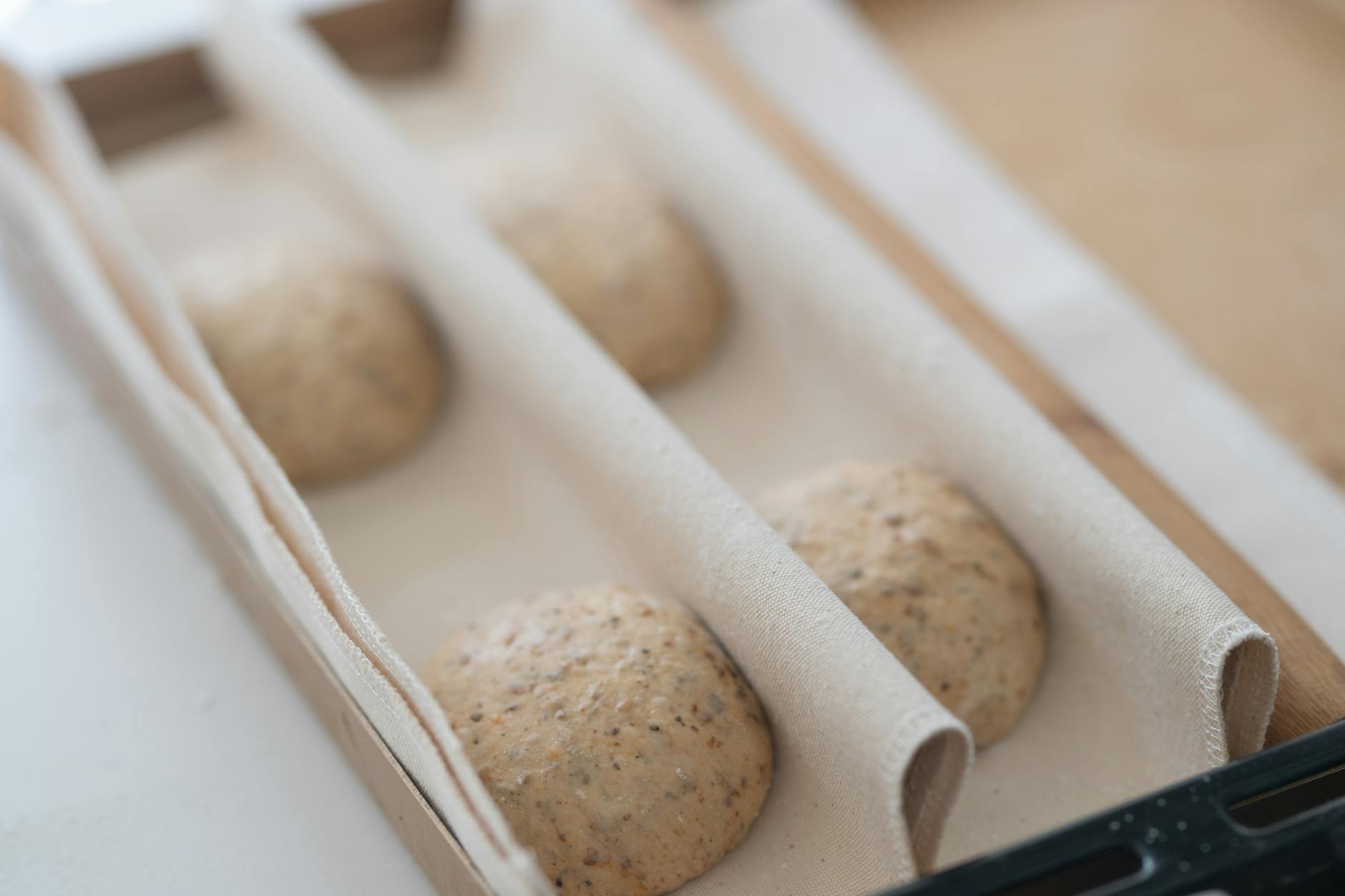
Proofing boxes, dough baskets (brotforms), and kitchen thermometers are great investments. You can even create simple DIY proofing spaces using a microwave and a small bowl of hot water. Keeping a timer helps but dont rely solely on itlook at the doughs feel and response. For exact humid environment, some bakers use humidity meters or specialized baking thermostats. These tools allow consistent results every bake.
Real Baking Experience
I once followed a recipe that called for 2 hours of fermentation but mistakenly treated it as proofing time. The dough became sticky and sour, and the bread ended up dense and chewy. A professional baker later explained that fermentation shapes dough and develops flavor, while proofing is the delicate final rise. Mastering proofing vs fermenting made all the difference in my breads after.
For deeper learning, try exploring how places like the Magnolia bakery approach dough handling. Or refine your ingredients; even learning to make powdered sugar can level up your baking finesse.
Is proofing vs fermenting important for Halal baking?
Absolutely. Both processes rely on yeast and other ingredients that must comply with Halal standards. Look for Halal certification logos such as JAKIM, HMC, or IFANCA on packaged yeast and flour. Using certified products guarantees your bread-making meets ethical and dietary needs, especially important in diverse or health-conscious households.
How can I tell if dough is over-proofed?
Over-proofed dough looks overly puffy and may wrinkle or sag when touched. When pressed gently, it wont bounce back but leaves a large indentation. If baked, the loaf can collapse, becoming flat or gummy.
What temperature is best for fermenting dough?
Fermentation thrives around 75F to 80F (24C to 27C). Cooler slows fermentation and longer flavor development. Higher than 85F risks killing yeast or creating off flavors.
Can I proof dough in the refrigerator?
Yes, cold proofing slows yeast activity and extends rising time up to 24 hours or more. This results in subtle flavor development and is common for sourdough or rich breads. Bring dough back to room temperature before baking for best results.
Does fermentation affect bread flavor?
Definitely. The longer the fermentation (within reason), the more complex and tangy the flavor. Byproducts like organic acids deepen aroma and taste, distinguishing artisan breads from quick-rise loaves.
What happens if I skip proofing?
Skipping proofing usually means dough wont rise fully, yielding dense, heavy bread with tight crumb and little volume. Proofing allows dough to relax and expand, critical for texture.
Is all bread yeast Halal certified?
Not all commercial yeasts guarantee Halal status. Check the package for certification by recognized bodies such as JAKIM or IFANCA to be sure. This is crucial for anyone adhering strictly to Halal dietary laws.
Pro Tips for Better Dough Rise
- Use fresh, Halal-certified yeast. Expired yeast reduces rising power.
- Control your environment: proof at consistent room temperature or use a proofing box.
- Avoid over-mixing your doughoverworked gluten can toughen the crumb.
- When proofing shaped dough, keep it covered with damp cloth to prevent skin formation.
- Be patient: well-fermented and proofed dough means richer flavor and tender crumb.
More You Might Like
- Discover how Magnolia bakery mastered the art of pastries and bread with precise dough techniques.
- Learn how to make powdered sugar at home for fresh bakery-style toppings that complement your bread perfectly.
Wrapping Up Proofing vs Fermenting
Proofing vs fermenting are two essential but distinct steps in bread-making. Fermentation builds flavor and gluten during the initial rise, while proofing gives shaped dough the final puff just before baking. Mastering both means better texture, aroma, and appearance in your homemade breads. Next time you bake, pay attention to each phaseand your bread will thank you for it. Share your baking wins or questions with us in the comments below!
FAQs
Is proofing vs fermenting actually Halal — what should I check on the label?
Yes, proofing and fermenting are Halal processes as long as the yeast and ingredients used have Halal certification. Look for trusted certifications like JAKIM, HMC, or IFANCA on yeast and flour packages to ensure compliance with Halal dietary laws.
How can I tell if my dough is over-proofed?
Over-proofed dough appears very puffy, may wrinkle or sag, and feels weak. When pressed gently, it does not spring back but leaves a deep indentation, often causing baked bread to collapse or have a dense texture.
What’s the main difference between proofing and fermenting dough?
Fermentation is the initial rise that develops flavor and gluten, occurring before shaping the dough. Proofing is the final rise after shaping, focusing on expanding dough volume just prior to baking.
Is it safe to proof dough in the refrigerator?
Yes, cold-proofing dough in the refrigerator slows yeast activity, extending rise time up to 24 hours or more. This enhances flavor subtly but requires bringing dough back to room temperature before baking.
Where can I buy Halal-certified yeast and proofing tools?
Halal-certified yeast and proofing tools are available at specialty baking stores, online Halal food retailers, and major supermarkets with Halal product sections. Always verify certification labels when purchasing.