Have you ever noticed how American meat selections tend to focus on just a handful of familiar cuts? From ribeye steaks to ground beef, the choices often seem limited. The world of meat cuts America offers is far broaderand Anthony Bourdain understood this better than most. He believed were missing out on some of the most flavorful, affordable, and culturally rich cuts that deserve a place on our tables.
In this article, we explore why Bourdain championed these lesser-known cuts, what exactly offal and offcuts are, and how to make the most out of these options in your Halal-certified and health-conscious kitchen.
Bourdains Meat Philosophy
Anthony Bourdain was passionate about respecting the whole animal, a culinary approach that embraces every inch of meat, from the prime cuts to what some call unusual or throwaway bits. His travels exposed him to food cultures that prized offal and various offcuts, turning them into prized delicacies full of flavor and history.
For many Americans, unfamiliarity and cultural bias have created a blind spot when it comes to many meat cuts. Bourdains message? Dont waste good meat just because its messy or different. In fact, these cuts often offer deeper flavor, unique texture, and unbeatable nutrition.
Plus, using more parts of the animal is kinder to the environment. Less waste means better sustainability and more value for your food dollar.
What Are Offal and Offcuts?
Offal refers to the internal organs and entrails of an animal, including liver, heart, kidneys, tongue, and sweetbreads (which are the thymus or pancreas). Offcuts are the less popular pieces from standard butcheringlike cheek, oxtail, neck, or skirt steakthat rarely get spotlighted in American supermarkets.
Most Americans have grown up eating prime cuts like sirloin or brisket but tend to avoid offal, sometimes because of texture or unfamiliarity. Historically, offal was a necessity for resourceful cooking, but today its almost a lost art. Bourdain argued these cuts hold immense culinary potential and cultural significance.
Examples of Bourdains Favorite Cuts
| Cut Name | Typical Use | Flavor Profile | Cooking Tips |
|---|---|---|---|
| Beef Cheek | Slow braising, stews | Rich, gelatinous, tender | Braise 34 hours till fall-apart tender |
| Oxtail | Soups, stews, slow-cooked dishes | Deep, meaty, gelatinous | Simmer 35 hours, great in hearty broths |
| Skirt Steak | Grilling, fajitas, stir-fry | Bold, beefy, slightly chewy | Marinate and grill medium-rare, slice thin |
| Sweetbreads | Pan-frying, sauting | Delicate, creamy, mild | Soak to remove impurities, saut quickly |
| Beef Tongue | Boiling, pickling, sandwiches | Rich, tender, slightly beefy | Simmer 23 hours, peel skin before serving |
Popular and Overlooked Cuts
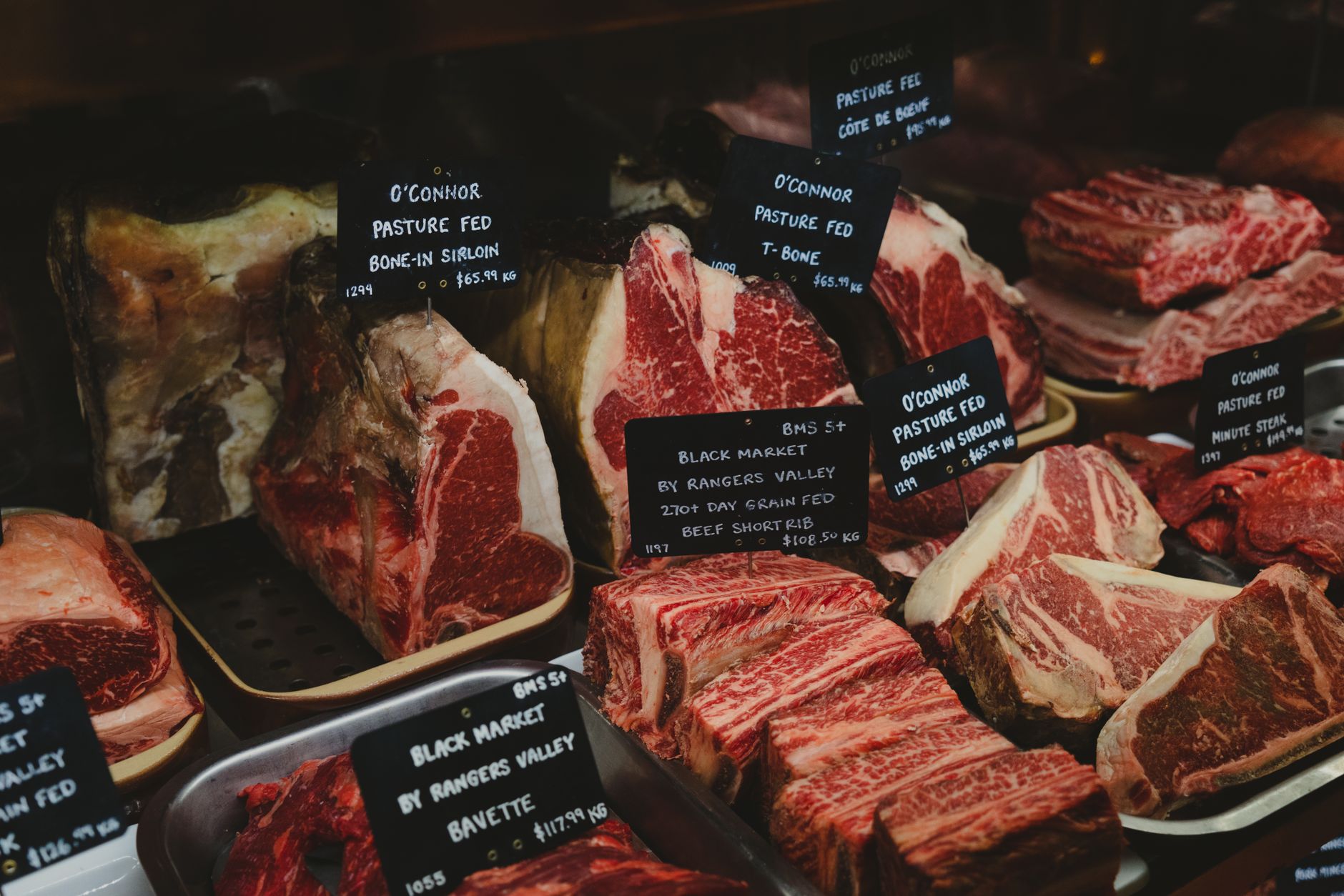
In American markets, youll mostly find popular cuts like ribeye, tenderloin, or ground beef. But butcher shops and some specialty markets carry much morelike beef chuck, hanger steak, or flanken-style short ribs. These cuts often have better price-to-flavor ratios yet require a bit more knowledge for cooking.
Butchers often recommend experimenting with skirt, flank, or chuck cuts for everyday cooking. These pieces have great texture and flavor but need specific handlinglike marinating, slow braising, or precise grilling techniquesto unlock their potential.
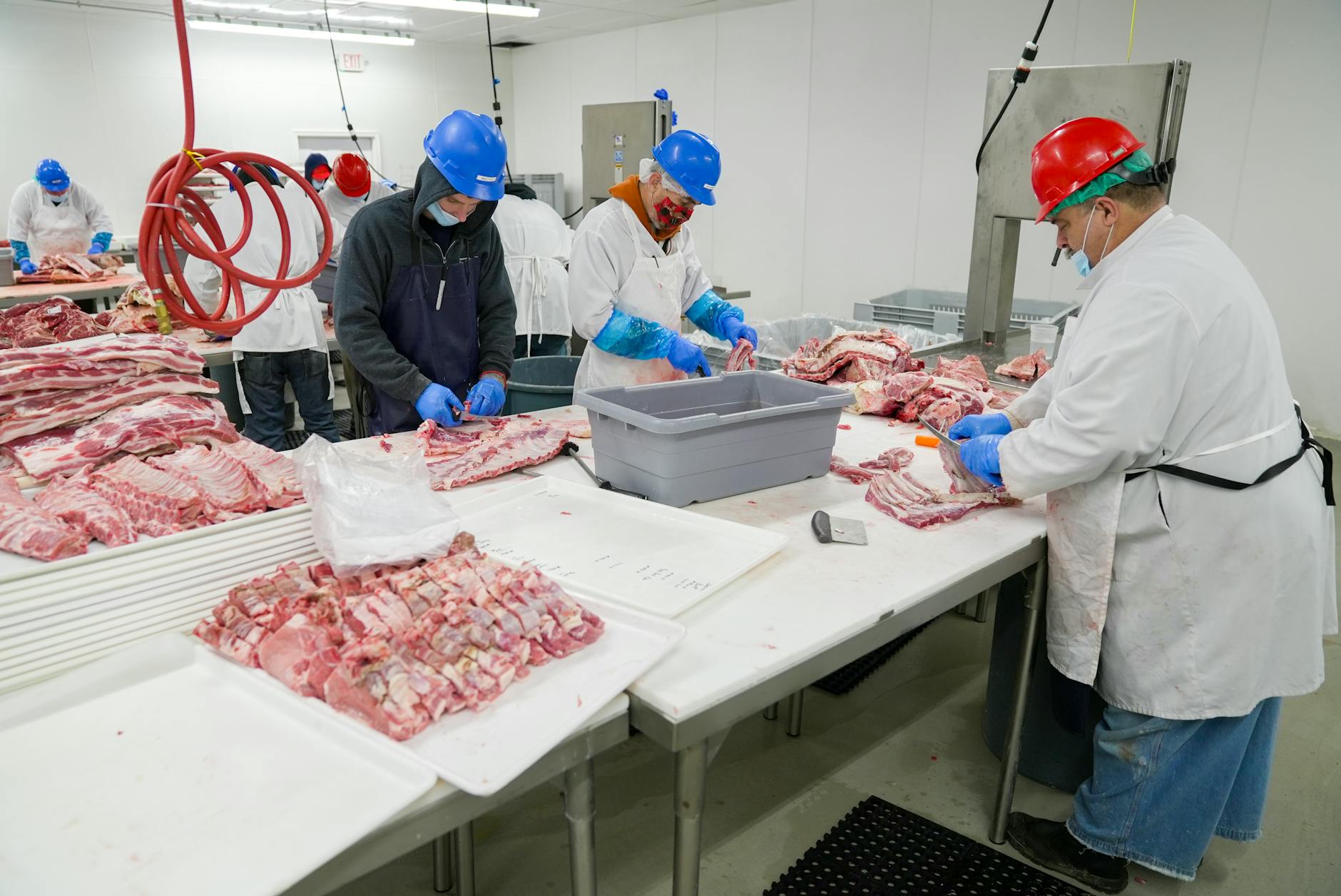
Building a good relationship with your butcher can open doors to these hidden gems. They can guide you in choosing Halal-certified options and suggest cuts that suit your cooking style while respecting dietary laws.
How to Spot Quality Meat Cuts
When selecting meat, look closely at color, marbling, and smell. Fresh beef should be bright red with fine white fat marbling. Prevent cuts that appear dull or grayish. Good marbling generally means more tenderness and flavor, but less fat is preferable if you prioritize healthier options.
Also, check for reliable Halal certification logos such as JAKIM, HMC, or IFANCA to ensure proper slaughter compliance. These logos guarantee that the meat aligns with Islamic dietary requirements and adheres to strict quality standards.
Grass-fed vs. grain-fed meats can influence taste and fat composition. Grass-fed tends to be leaner with a slightly gamey flavor, while grain-fed is milder and fattier. Both have nutritional benefits depending on your preferences.
If youre interested in grinding your own Halal meat cuts at home for the freshest burgers or kebabs, consider investing in a quality meat grinder. It allows you to repurpose less expensive trimmings while controlling texture and seasoning.
Cooking Tough and Offal Cuts
Many underrated cuts are tough and require slow, low-heat cooking to tenderize connective tissues and develop rich flavors. Braising, stewing, and sous-vide are perfect methods. For example, beef cheek and oxtail shine in slow-cooked dishes.
Offal like sweetbreads and tongue need gentle preparation. Sweetbreads benefit from soaking in salted water to remove impurities, followed by quick pan-searing. Tongue requires simmering and peeling before slicing for sandwiches or tacos.
Common mistakes include rushing those tough cuts or overcooking delicate offal, which ruins texture. Patience and temperature control deliver spectacular results.
Try seasoning with traditional spices such as garlic, cumin, or smoked paprika to enhance natural flavors. A simple marinade or dry rub can also balance strong organ meat tastes for more approachable dishes.
Benefits and Risks
Eating a variety of meat cuts has nutritional advantages. Offal is packed with vitamins like B12, iron, and zinc, often in higher concentrations than muscle meat. However, some cuts are high in cholesterol and purines, which might require moderation for certain health conditions.
Experts recommend sourcing Halal-certified meat that follows hygienic standards. Proper cooking avoids foodborne illnesses, particularly important when handling offal, which can harbor bacteria if improperly stored or prepared.
Ethical and Environmental Angles
Using every part of the animal helps reduce wastean ethical choice that aligns with many faiths including Islam. Whole-animal butchery also supports sustainable consumption by maximizing yields from each slaughter.
Choosing Halal-certified meat from trusted suppliers who ensure humane treatment respects both religious guidelines and animal welfare. This approach fosters trust and confidence in your meat purchases.
According to the USDA FoodData Central, embracing a wider range of cuts not only diversifies your nutrient intake but also reduces the pressure on demand for traditional prime cuts, which often have higher environmental footprints.

When Is the Best Time to Eat These Meat Cuts?
These meat cuts are perfect for hearty meals during cooler months because slow cooking and braised dishes warm your body and soul. However, grilled skirt steak works well year-round, especially in light summer meals like salads or fajitas.
Is Meat Cuts America Actually Halal What Should I Check?
To ensure meat cuts comply with Halal standards, always look for certification logos such as JAKIM, HMC, or IFANCA on packaging or butcher certificates. Check for transparency about halal slaughtering practices and cross-contamination prevention, especially when buying offal or specialty cuts.
How to Store These Meat Cuts Safely?
Keep fresh meat refrigerated at 14C and consume within 35 days. Offal requires the same but is best cooked within 12 days. For longer storage, freeze cuts in airtight packages at -18C for up to 3 months without significant loss of quality.
Can I Substitute Common Cuts for Underrated Ones?
Yes, but adjust cooking time and method. For example, substitute brisket with beef cheek in slow-cooked recipes, but expect a different texture profile. Always use slow braising for tougher cuts to avoid dryness.
What Seasonings Pair Best with Offal?
Strong herbs and spices like garlic, thyme, cumin, and coriander help balance offal flavors. Acidic elements like lemon juice or vinegar cut richness and brighten dishes.
Does Grass-Fed Meat Taste Different?
Grass-fed beef has a leaner, slightly more robust taste with earthy notes. Grain-fed is milder and fattier, which some prefer for tenderness. Both can work well with various meat cuts, depending on cooking methods.
Are There Healthier Ways to Prepare These Cuts?
Slow braising without added fats, grilling over moderate heat, or sous-vide are healthier compared to frying. Trim excess fat before cooking to reduce saturated fat intake. Pair meats with vegetables for balanced meals.
Buying Tips for Meat Cuts America
| Certification | Price Range | Common Formats | Shelf Life | Key Allergens |
|---|---|---|---|---|
| JAKIM, HMC, IFANCA | $6$15 per lb depending on cut | Whole cuts, trimmed, ground | Refrigerated 35 days; Frozen 3 months | None inherent; watch for cross-contamination |
A common buying mistake is ignoring certification and quality indicators when choosing less familiar cuts. Cheap versions often come from unknown sources with potential animal welfare or safety risks.
Pro Tip: Establish rapport with your butcher and ask for tips on preparing unfamiliar cuts. Also, check prices like the current beef chuck price to compare and find great deals smartly.
More You Might Like
Discover the best Halal-certified meat grinder options for crafting your own ground meat blends at home. Perfect for kebabs or burgers with full control over quality.
Learn about current trends and affordability in beef chuck price to make smarter purchasing decisions while exploring a versatile cut loved by chefs worldwide.
Conclusion
Anthony Bourdains love for underappreciated meat cuts inspires us to rethink meat cuts America usually offers. Exploring offal and offcuts adds richness to your diet, supports sustainability, and deepens culinary adventure. Next time you shop, check the Halal certification and consider giving these cuts a chance. Your taste buds and your wallet might thank you.
FAQs
Is meat cuts America actually Halal — what should I check on the label?
To ensure meat cuts America are Halal, look for certification logos like JAKIM, HMC, or IFANCA on packaging or butcher certificates. Verify transparency about halal slaughtering practices and prevention of cross-contamination, especially for offal and specialty cuts.
What is the shelf life of these meat cuts after opening?
Fresh meat cuts should be refrigerated at 1–4°C and consumed within 3–5 days. Offal is best cooked within 1–2 days for safety. For longer storage, freeze meat in airtight packages at -18°C for up to 3 months without quality loss.
Can I substitute common cuts like brisket with underrated cuts?
Yes, you can substitute tougher cuts like beef cheek for brisket, but adjust cooking methods to slow braising or stewing. These cuts require longer cooking times to tenderize and develop rich flavors but offer great results and value.
Are these meat cuts safe for daily consumption?
Yes, eating a variety of meat cuts is safe if properly sourced and cooked. Offal is nutrient-rich but can be high in cholesterol, so moderate intake is advised. Always ensure meat is Halal certified, fresh, and prepared hygienically to prevent illness.
Where can I buy quality meat cuts America, especially Halal options?
Look for specialty butcher shops, halal meat markets, or trusted grocery stores with Halal certification. Building a good relationship with your butcher can help you access rare cuts and receive cooking advice suited to your dietary needs.