Okay, so heres a question that might seem simple but actually has a few twists: What exactly is this uncured ham everyones talking about? If youve ever stood in front of the deli case scratching your head, wondering, Hey, is uncured ham just ham without stuff in it, or what? youre definitely not alone.
Let me cut to the chase: uncured ham isnt magically free of preservation. Nope. Instead of the usual salts and nitrates (those chemical nitrites youve heard some fuss about), uncured ham is preserved using natural ingredientsthink sea salt and celery powder. Weirdly enough, they both achieve the same goal of keeping ham safe to eat, but with different flavor vibes and health angles.
So yeah, uncured ham feels a little cleaner, like its closer to nature, but its not totally free from the preservation game. Curious about how that works and if you should switch it into your regular rotation? Lets dig right in.
Uncured vs Cured
What Is Uncured Ham?
Heres the plain talk: uncured ham is still preservedit just skips those synthetic nitrates and nitrites that cured ham usually relies on. Instead, it uses naturally occurring nitrates found in celery powder or other veggie extracts combined with sea salt.
This might surprise you, but uncured is mostly a legal label. Regulations require ham preserved without added synthetic nitrates to be called uncured, even though natural nitrates still do the work behind the scenes. So its a little like marketing, but with roots in real science.
From an experts point of view, this natural preservation works by converting the nitrates from celery powder into nitrites, which then prevent bacterial growth and add that recognizable pink color and subtle flavor you get with ham.
What Is Cured Ham?
Cured ham, meanwhile, uses salts combined with man-made nitrates and nitrites. These chemical compounds have been around forever in the world of preserved meats, primarily because they inhibit dangerous bacteria like Clostridium botulinum, which causes botulisma very scary toxin.
Besides safety, curing also locks in hams moisture while giving it its classic salty-savory flavor and rosy look. This curing process is why cured ham lasts longer on your shelf or in the fridge compared to some fresh or uncured varieties.
Food safety experts, including agencies like the USDA, support cured meats under controlled amounts of these preservatives for safety reasons. But theres always been a debate about whether we want synthetic nitrates in our diet long-term.
| Feature | Uncured Ham | Cured Ham |
|---|---|---|
| Preservation Method | Sea salt + natural nitrates (e.g., celery powder) | Sea salt + synthetic nitrates/nitrites |
| Flavor Profile | Milder, often described as cleaner or less salty | More pronounced, traditional ham saltiness |
| Shelf Life | Usually shorter, needs careful refrigeration | Generally longer-lasting |
| Health Considerations | Appealing to those avoiding synthetic additives | Contains controlled amounts of nitrates linked to some health concerns |
| Common Additives | Natural ingredients, vegetable powders | Preservatives including sodium nitrite, sodium nitrate |
Ham Preservation Methods
How Does Natural Ham Preservation Work?
If youre picturing uncured ham as just salt and good vibes, youre partly right, but it actually involves some clever chemistry. The natural nitrates in celery powder convert into nitrites when the ham rests in a chill environment. This nitrite guards the ham from harmful bacteria and keeps it looking pink and feeling juicy.
Think of it like natures way of doing what synthetic cures do, but through plant-based means. A lot of these natural preservatives also impart subtle flavor shiftssometimes more herbal, sometimes just a bit earthier.
Heres a fun real-world tidbit: many small artisan producers or organic farms swear by natural ham preservationthey want to appeal to folks who prefer less processing, and often customers notice a fresher, more real ham flavor.
On the flip side, natural cures sometimes require more attention during processing and handling, since consistency can vary (after all, celery powder isnt an exact science like a chemical additive is).
Oh, and while were diving into safe storage, if you plan to cook uncured ham or any fresh-cooked meat, a meat thermometer is your best friend to avoid any guesswork and keep things safe and tasty.

Are There Safety Differences Between Uncured and Cured Ham?
This ones where people get concerned because nitrates have, over time, gotten a bit of a bad rap. Some studies have linked high consumption of nitrites and nitrates to certain health risksbut its complicated. The controlled amounts in cured meats are generally considered safe by regulators.
Uncured ham, on the other hand, relies on natural nitrites, which might sound healthier, but they do the same preservation job chemically. So, the bottom line? Neither is risk-free, but both are carefully regulated. What really matters is how often and how much processed meat we eat in general.
Also remember: proper handling and refrigeration are king here. Whether uncured or cured, keeping ham chilled and consuming it before the use-by date is the best way to avoid any nasty surprises.
Tips for Storing and Handling Uncured Ham Safely
- Keep uncured ham refrigerated at or below 40F (4C).
- Eat it within the timeline suggested by the producerusually faster than cured varieties.
- If freezing, wrap tightly to avoid freezer burn and flavor loss.
- Always reheat just enough and never leave meat out too long at room temperature.
With these easy steps, uncured ham can be just as safe and delicious as cured options.
Is Uncured Ham Better?
What Are the Health Benefits of Uncured Ham?
You might hear that uncured ham is cleaner or healthier, and to some extent, thats probably true if youre aiming to avoid synthetic additives. The fact that natural ham preservation uses sea salt and celery powder appeals to those wanting simple, recognizable ingredients in their food.
Plus, if you're sensitive to certain preservatives or try to limit nitrates from processed foods, uncured options can be a comforting choice. Many folks report that the taste feels more real or less salty, which can be a nice change.
But dont get me wronguncured doesnt mean no nitrates, so if youre watching nitrate intake strictly, the difference might be subtle.
What Are the Potential Drawbacks?
Heres the catch: uncured ham frequently has a shorter shelf life because natural preservatives may not be as consistent or strong as synthetic ones. So you need to be slightly more vigilant about how and when you eat it.
Flavor-wise, some people find uncured ham too mild or not as classic tasting as cured ham theres nothing wrong with preference here.
Also, the term uncured can confuse people. Some shoppers assume its unprocessed or healthier in a big-picture way, which isnt exactly accurate. Its more about the style of preservation than about the overall health profile.
Choosing Between Uncured and Cured Ham
If youre wondering what fits your needs better, consider this:
- Want fewer synthetic ingredients and a more natural product? Uncured might be your friend.
- Needing longer shelf life for practical reasons? Cured ham has the edge.
- Curious about flavor? Try both in simple recipes and see which one speaks to your palate.
- Any special dietary or health concerns? Consult a nutritionist, but generally, moderation is key.
And hey, if you enjoy mixing things up in your kitchen, maybe even try preparing pork cuts with homemade natural cures or check out some recipes for Pastor meat, which relies on its unique spices and preparation techniques for flavor!
Recommended Products & Tips
What to Look For When Buying Uncured Ham
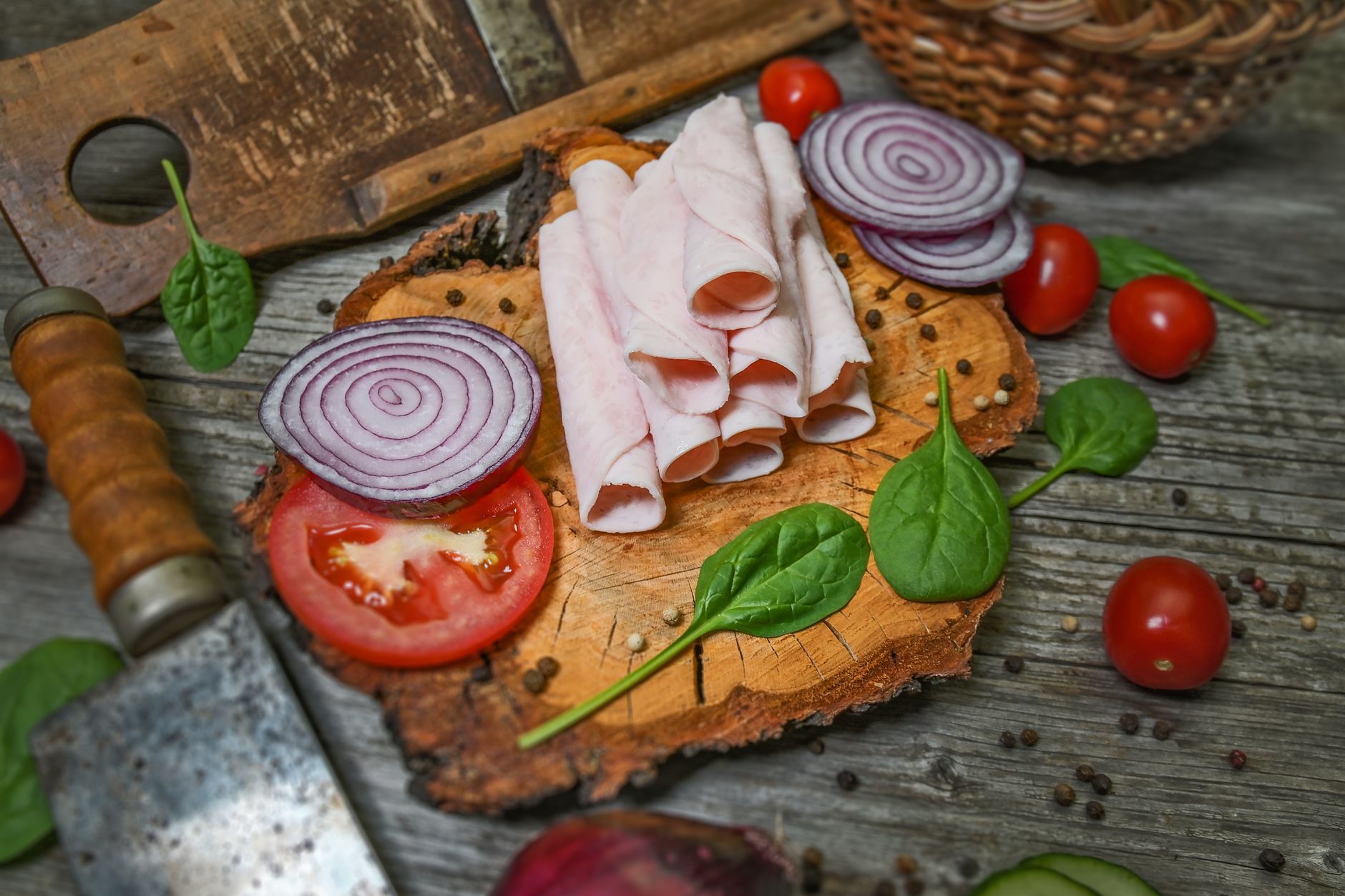
Not all uncured ham is created equal. Labels can be tricky, so focus on checking the ingredient list. Look for phrases like no added nitrates or nitrites except those naturally occurring in celery powder. That's the key phrase that shows its truly using natural ham preservation techniques.
Also, seek out trusted brands or local delicatessens known for quality standards. If you have access to farmers markets or artisan butchers, those are fantastic places to discover uncured ham thats fresh, honest, and worth every bite.
Cooking Tips for Uncured Ham
Because uncured ham tends to be milder and less salty, its perfect for recipes where you want the pork flavor to shine, not be overwhelmed by saltiness or heavy curing flavors.
Try roasting it with a light honey glaze or wrapping slices around mild cheeses or fruits. Just keep an eye on cooking times and temperatures to avoid drying it out.
Its here that a good meat thermometer really earns its keep nothing worse than a dry ham, right?

Wrapping It Up Your Ham, Your Call
So, what have we learned together about uncured ham? Its preserved naturally, using sea salt and vegetable powders instead of synthetic chemicals. This changes the whole flavor and preservation story, making uncured and cured ham cousins in the same family but with distinct personalities.
Neither is better across the board. Instead, uncured ham offers a great alternative if you care about natural ingredients and lighter flavor. Cured ham remains the classic workhorse with longer shelf life and that rich, smoky bite.
The real win here is knowing the facts and making choices that feel good for youwhether its about taste, health, or ethics.
Have you tried uncured ham yet? What do you think? Share your stories or questions always happy to chat more about flavors and food adventures!
FAQs
What exactly is uncured ham?
Uncured ham is ham preserved without synthetic nitrates or nitrites, using natural ingredients like sea salt and celery powder to inhibit bacterial growth and maintain flavor.
Is uncured ham safer or healthier than cured ham?
Both types are considered safe when handled correctly. Uncured ham avoids synthetic additives, which appeals to some, but still contains natural nitrites. Neither is completely risk-free, so moderation is key.
How should I store uncured ham properly?
Keep uncured ham refrigerated at or below 40°F (4°C), consume it within the recommended time frame, wrap tightly if freezing, and reheat carefully to maintain safety and freshness.
Does uncured ham taste different from cured ham?
Yes, uncured ham generally has a milder, cleaner, or less salty flavor compared to the more pronounced and traditional taste of cured ham.
Can I cook uncured ham the same way as cured ham?
Yes, but be mindful of its milder flavor and shorter shelf life. Using a meat thermometer helps ensure it’s cooked properly without drying out.