If youve ever wandered down the meat aisle or browsed breakfast menus, youve likely asked yourself: what exactly is the difference between Canadian bacon vs ham? Though they may look similar, these two pork products come from different parts of the pig and vary in taste, texture, and preparation. Understanding this difference can help you choose the right meat for your recipes, especially if youre mindful about quality and Halal certification. So, what makes Canadian bacon unique compared to ham? Lets clear up the confusion and look at what sets them apart.
Meat Source Differences
What Part of the Pig Does Canadian Bacon Come From?
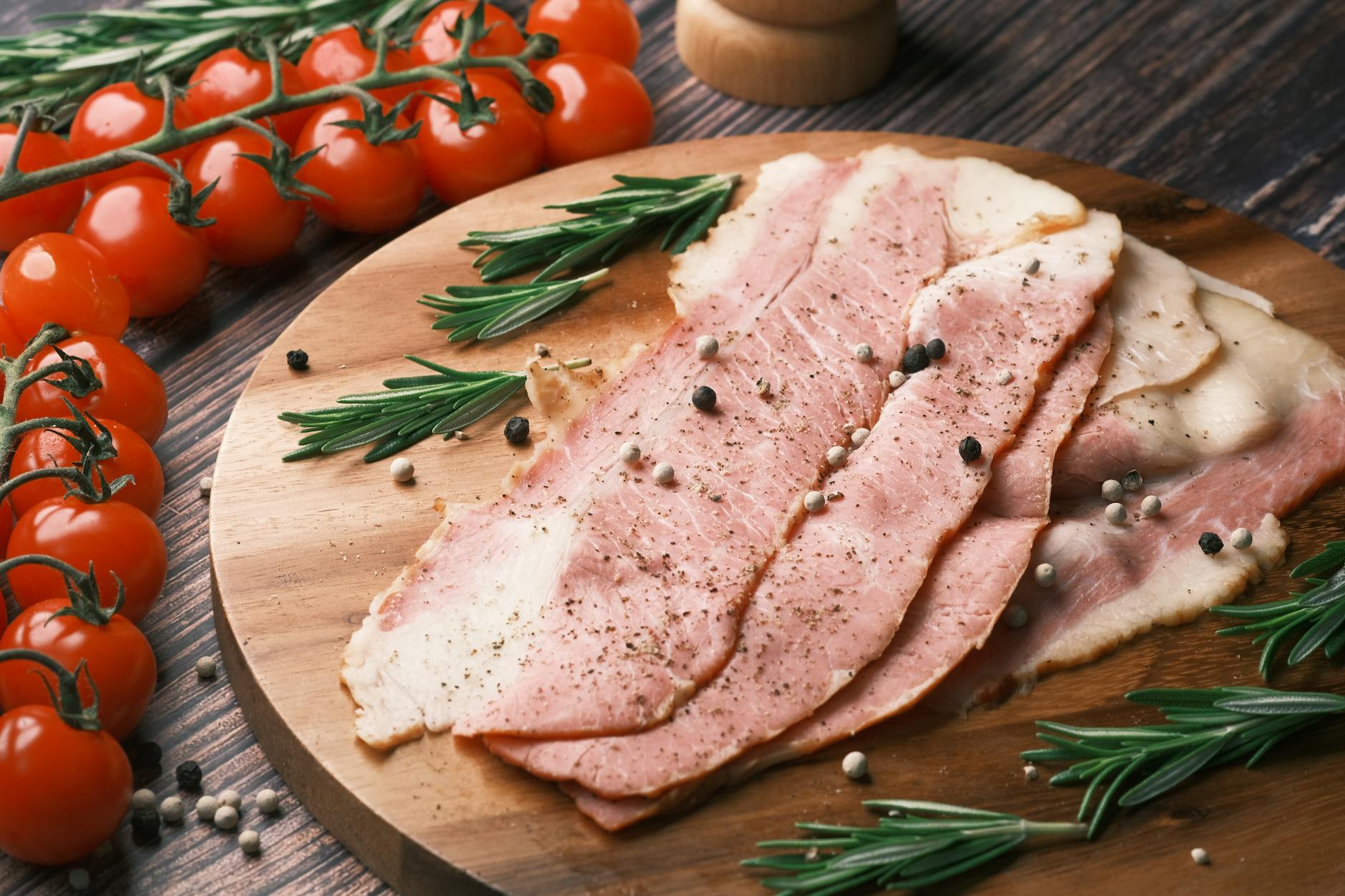
Canadian bacon is cut from the pork loin, which runs along the back of the pig. This is a leaner muscle that yields tender and mildly flavored meat. Because it comes from the loin, Canadian bacon tends to have less fat and a leaner texture compared to other pork cuts.
What Are the Common Cuts Used for Ham?
Ham is made from the hind leg or thigh of the pig, a larger and generally fattier cut. Hams can vary significantly depending on how they are prepared whole, shank, or butt portions of the rear leg and each offers a different texture and flavor profile.
A visual comparison helps clarify:
| Meat Type | Cut Location | Typical Fat Content | Texture |
|---|---|---|---|
| Canadian Bacon | Pork Loin (Back) | Low | Lean, Tender |
| Ham | Hind Leg/Thigh | Medium to High | Firm, Meaty |
Butchers often recommend Canadian bacon for those wanting a leaner option without sacrificing flavor. For halal consumers, checking certification from bodies like JAKIM or IFANCA is key when selecting pork alternatives or related products at your local meat market.
Processing and Curing Methods
How Is Canadian Bacon Cured Differently from Ham?
Canadian bacon undergoes a wet curing process where the pork loin is brined in a solution of salt, sugar, and sometimes smoke flavorings, then smoked lightly. This gives it a mild smoky aroma and slightly sweet taste. Its typically pressed into a cylindrical shape and fully cooked before packaging, which means it requires only reheating before eating.
What Types of Ham Exist and Their Curing Methods?
Ham comes in many forms, each with its own curing and aging steps. The most common types include:
- Wet-Cured (City Ham): Soaked or injected with a brine solution, often precooked and sold refrigerated or canned.
- Dry-Cured (Country Ham): Rubbed with salt and spices then aged for months, developing a more intense flavor and firmer texture.
- Smoked Ham: Ham that has undergone distinct smoking after curing.
Because ham varies widely, its preparation influences flavor profile from sweet and mild to sharp and salty. The USDA FoodData Central notes that curing additives impact sodium levels significantly, so label reading is essential, especially when opting for health-conscious choices.
Cooking Techniques
How Do You Cook Canadian Bacon for Best Flavor?
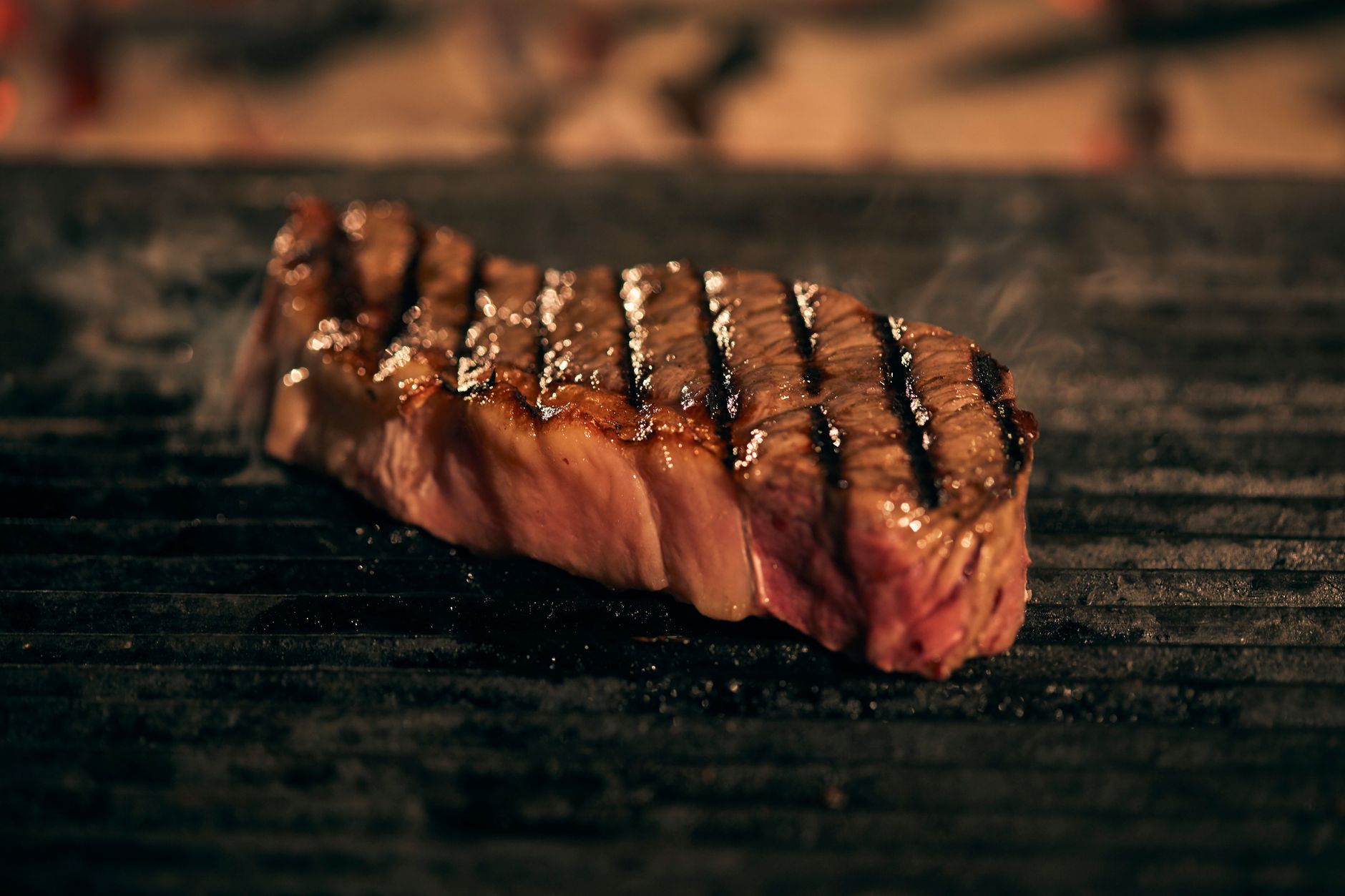
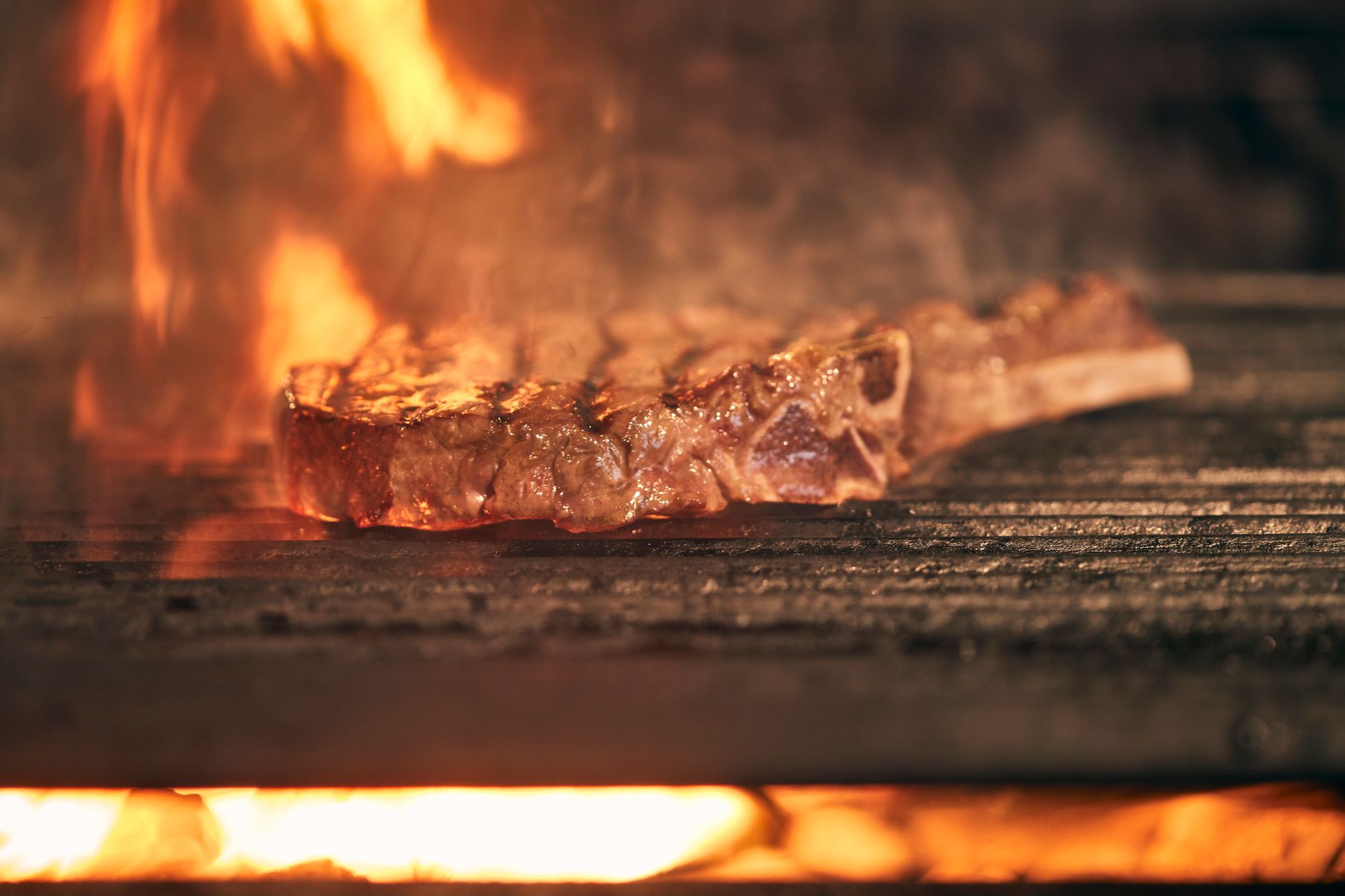
Since Canadian bacon is fully cooked, your goal is to reheat and add texture. Cooking it on medium heat for 23 minutes per side in a nonstick skillet crisps the edges while warming the center perfectly. Grilling for about 3 minutes per side also imparts a lovely charred flavor.
What Are Common Cooking Tips for Ham?
The cooking method depends on the ham type. Wet-cured or precooked hams only need reheating, usually at 140F (60C) for 1015 minutes per pound. Dry-cured or fresh hams require baking at 325F (160C) for 1820 minutes per pound, often glazed halfway through to enhance flavor and moisture.
Heres a quick step-by-step for baking ham:
- Preheat oven to 325F (160C).
- Score the ham surface and apply glaze (e.g., honey-mustard).
- Bake for about 1.5 to 2 hours depending on size, basting every 20 minutes.
- Rest for 10 minutes before slicing.
Chefs recommend slicing it thinly only after resting to maintain moistness. If you own a meat slicer, this is ideal for even slices perfect in sandwiches.
Recipe Ideas and Usage
Popular Canadian Bacon Recipes
Canadian bacon shines in breakfasts and light meals. Classic dishes include:
- Eggs Benedict: Canadian bacon layered under poached eggs and hollandaise sauce on an English muffin.
- Breakfast Wraps: Rolled with scrambled eggs, cheese, and veggies.
- Pizza Toppings: Provides a leaner alternative to regular bacon with smoky sweetness.
Diverse Ham Recipes
Hams rich flavor works well for:
- Holiday Glazed Ham: Slow-baked with brown sugar or pineapple glaze.
- Ham and Bean Soup: Using leftover ham bone for deep flavor.
- Sandwiches and Salads: Adds heartiness and saltiness for balanced taste.
With so many ham types, your choice can shift meal tone from rustic comfort food to elegant entrees.

Nutritional and Flavor Differences
Is Canadian Bacon Healthier Than Ham?
Typically, Canadian bacon is leaner and lower in calories and fat compared to many traditional hams. According to the USDA FoodData Central, a 2-ounce (56g) serving of Canadian bacon contains approximately 70 calories, 3.5g of fat, and 420mg sodium. In comparison, the same serving of cured ham can have 110150 calories and up to 600mg sodium depending on curing.
Those watching sodium intake or fat content may prefer Canadian bacon, but remember the exact values vary by brand and curing style. For consumers requiring Halal products, its essential to check for certification such as JAKIM or IFANCA on packaging, ensuring the product‘s source and processing meet Islamic dietary standards.
Flavor Profiles
Canadian bacon offers a mild, slightly sweet flavor with a firm but tender texture. Ham, depending on type, can range from sweet and smoky to intensely salty. This affects how each meat pairs with other ingredients Canadian bacon is subtle enough for breakfast dishes, while ham‘s more robust taste enhances stews and roasts.
Both meats have their place but understanding these flavor notes helps avoid overpowering your meal or missing flavor balance opportunities.

Is Canadian bacon vs ham Halal?
Neither Canadian bacon nor traditional ham can be Halal if sourced from pork. However, halal-certified alternatives or similar products made from beef, chicken, or turkey exist. Always look for credible Halal logos from authorities like JAKIM, HMC, or IFANCA to ensure products meet Halal dietary requirements.
When Is the Best Time to Eat Canadian Bacon or Ham?
Canadian bacon is perfect for breakfast or brunch, often paired with eggs or in sandwiches. Hams versatility means it fits well in lunch, dinner, and festive meals. Ultimately, your preference and the recipes nature decide the best occasion.
How Should You Store Canadian Bacon and Ham?
Both meats should be refrigerated at or below 4C (40F). Canadian bacon keeps 57 days after opening when sealed properly. Most precooked ham lasts 57 days refrigerated or up to 2 months frozen. For dry-cured ham, slicing just before serving helps preserve quality.
Can You Freeze Canadian Bacon or Ham?
Yes, both freeze well for up to 2 months if wrapped airtight to avoid freezer burn. Thaw in the fridge overnight before cooking or reheating.
What Are the Key Allergens to Watch in Canadian Bacon and Ham?
Typically, these meats do not contain common allergens like gluten or dairy but may have added preservatives or flavorings. Always review the ingredient list, especially for nitrates or nitrites, and check Halal certification for additive compliance.
What Is the Most Overlooked Buying Mistake?
Choosing unsourced or uncertified meat risks poor quality or non-Halal status. Additionally, cheaper versions often contain high sodium and artificial preservatives that impact flavor and health. Prioritize trusted suppliers with clear labeling and certification.
More You Might Like
If you want to learn knife skills or equipment tips for preparing these meats at home, check out our comprehensive meat slicer guide.
Explore seasonal varieties and fresh cuts available at the local meat market near you, ensuring quality and halal compliance.
Final Thoughts
Knowing the difference between Canadian bacon vs ham helps you pick the right meat for taste, texture, and occasion. Canadian bacon is leaner, mild, and precooked, perfect for quick, tasty meals. Ham offers wider variety with richer flavors and cooking styles. Next time you shop, take a moment to check labels and certifications for halal assurance and nutritional quality. Feel free to experiment in your kitchen and share your favorite recipes or tips below!
FAQs
Is Canadian bacon vs ham actually Halal — what should I check on the label?
Neither traditional Canadian bacon nor ham is Halal if sourced from pork. For Halal-friendly alternatives, check for certification logos from authorities like JAKIM, IFANCA, or HMC to ensure the product’s compliance with Islamic dietary rules.
When is the best time to eat or drink Canadian bacon vs ham?
Canadian bacon is ideal for breakfast or brunch, often paired with eggs or in sandwiches. Ham’s versatility makes it suitable for lunch, dinner, and special occasions such as holiday meals.
How long do Canadian bacon and ham keep after opening?
When refrigerated below 4°C (40°F), Canadian bacon typically lasts 5–7 days once opened. Most precooked ham can be kept for 5–7 days as well, while dry-cured ham should be sliced right before serving to maintain quality.
What is the main difference between Canadian bacon and regular ham?
Canadian bacon is leaner meat from the pork loin with a mild flavor, usually wet-cured and fully cooked. Ham is from the pig’s hind leg, generally fattier, can be wet or dry cured, and offers a wide range of flavors and textures.
Where can I buy quality Canadian bacon or ham with reliable certification?
Look for trusted local meat markets or specialty stores that provide clear labeling and certification. Check stores that carry Halal-certified alternatives if needed, and ensure products state curing methods, ingredients, and trusted halal authorities on packaging.