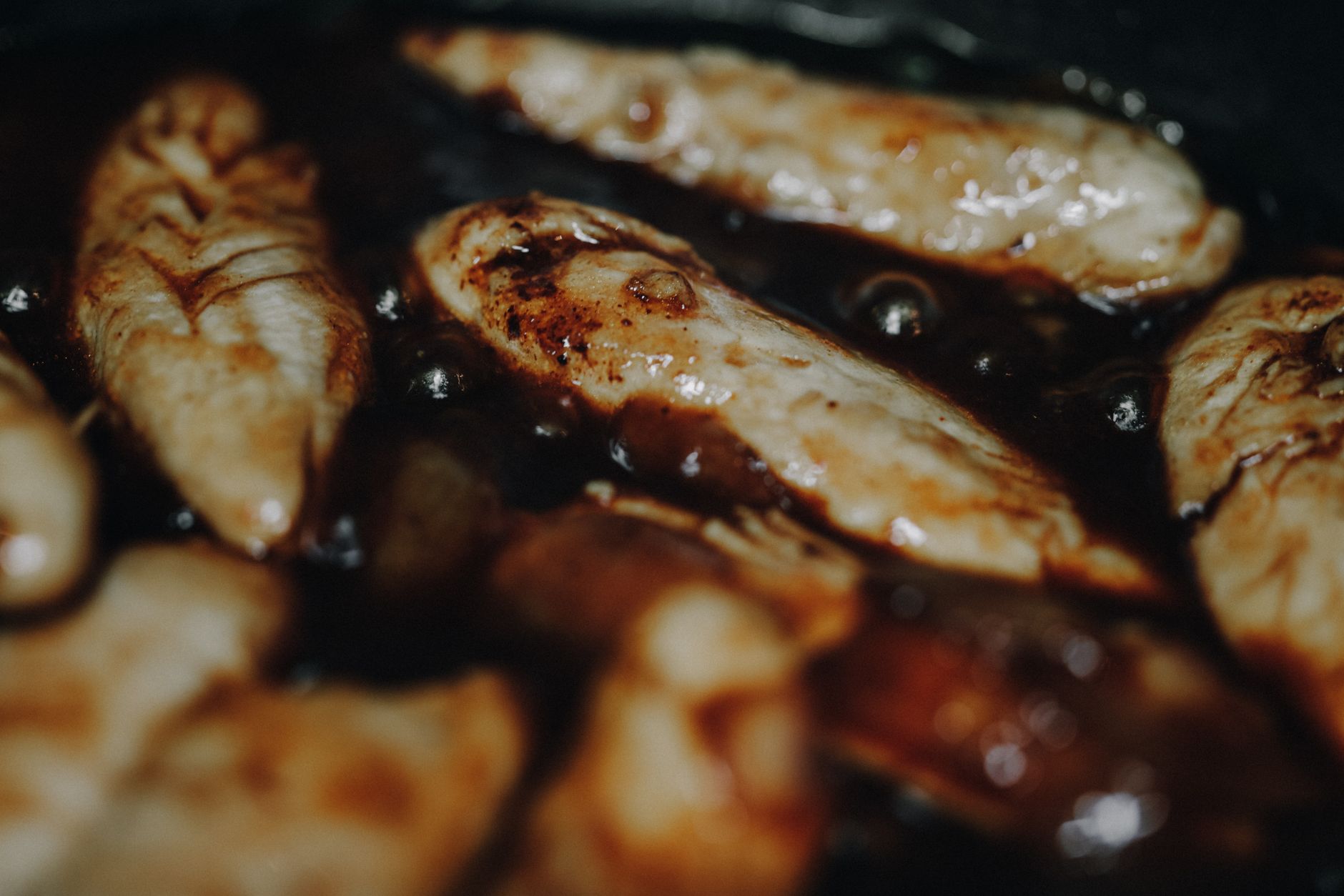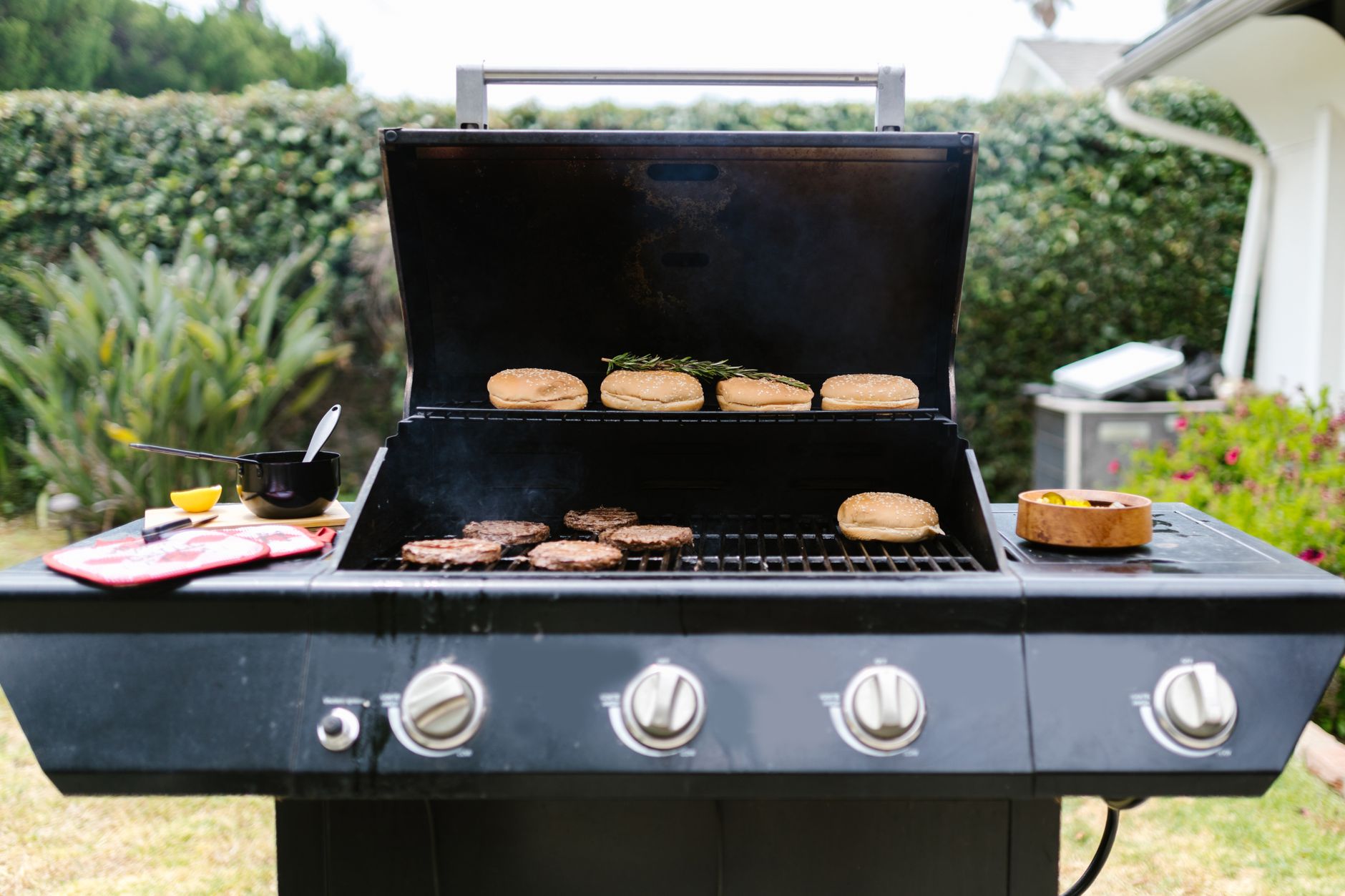
Grilling and smoking bring a rich, smoky depth to your meals that simple cooking cant match. Whether youre searing Halal meat over high heat or slowly smoking cuts to tender perfection, these methods unlock amazing flavors. But grilling and smoking? Theyre not just about fire; theyre about technique, choice of equipment, and knowing how to balance heat and smoke safely for delicious, juicy results every time.
Basics of Grilling and Smoking
What Is Grilling vs. Smoking?
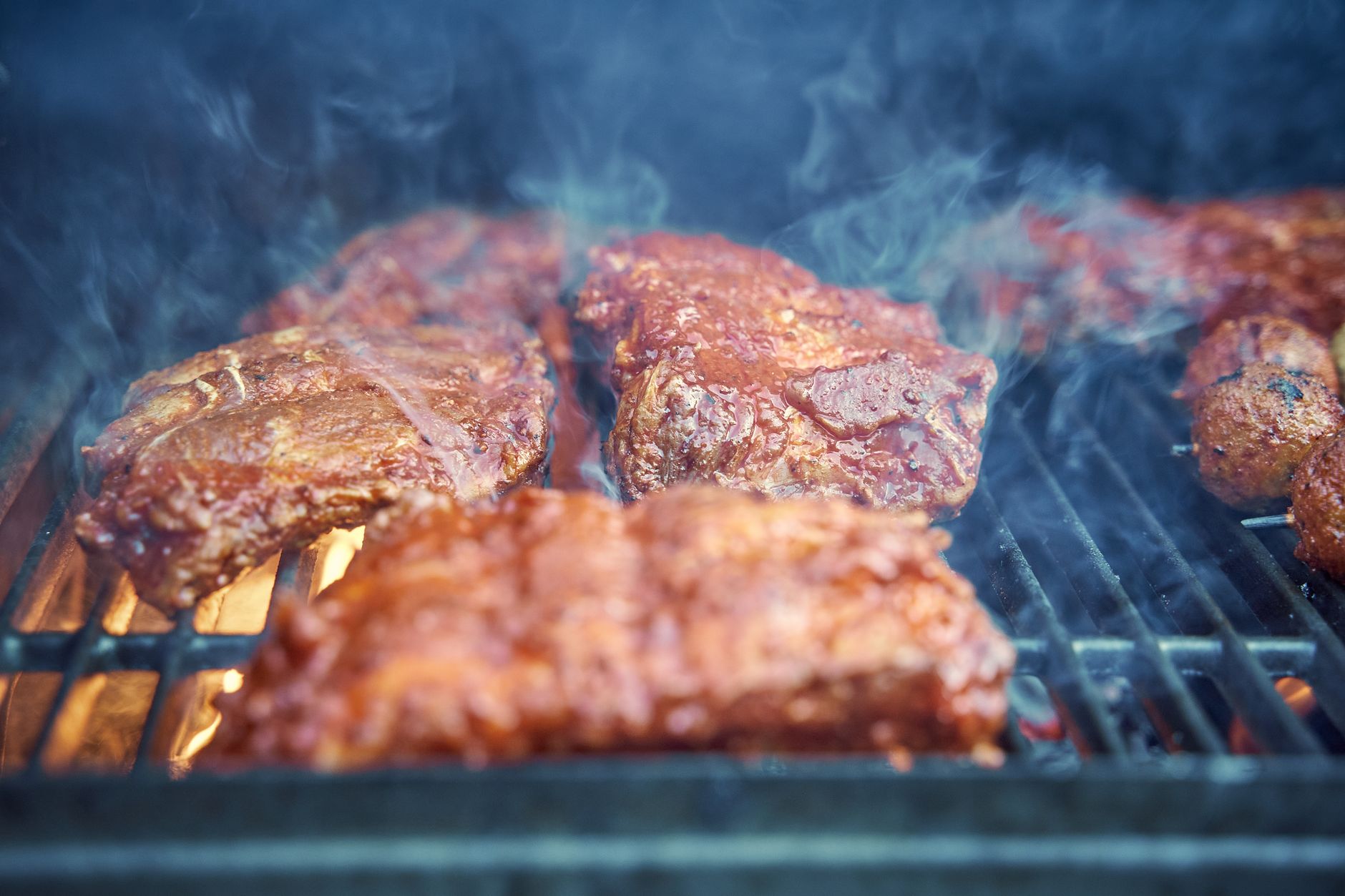
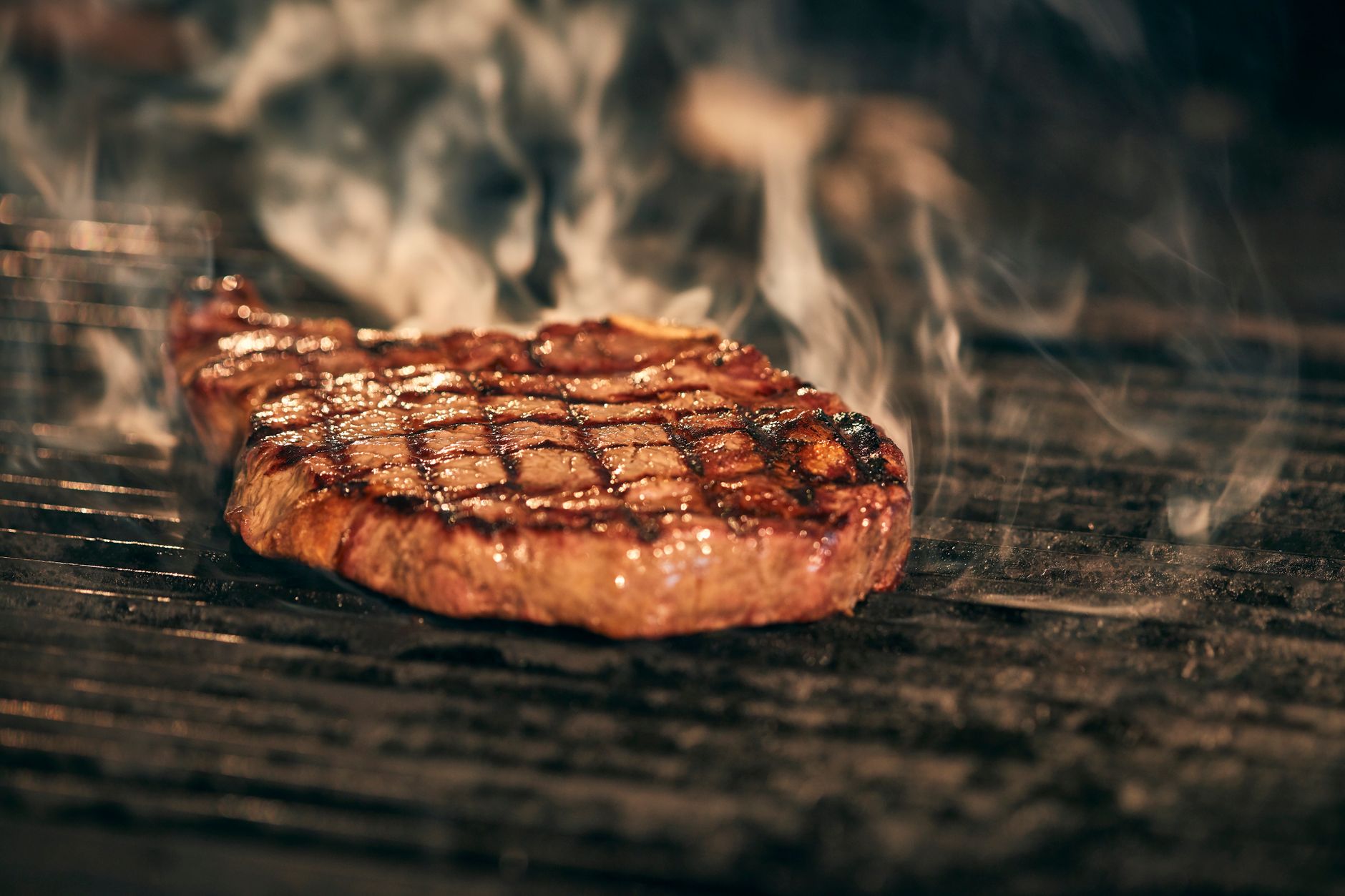
Grilling involves cooking food quickly over direct, high heat, usually above 450F (232C). This method sears the surface, creating a caramelized crust while locking in juices. Smoking cooks food slowly at low temperatures, typically between 200-275F (93-135C), using indirect heat and flavored wood smoke to infuse deep, smoky aromas.
The key difference? Grilling is fast and intense, ideal for steaks, burgers, and vegetables. Smoking is slow and gentle, perfect for tough cuts like brisket or pork shoulder, turning them tender and flavorful over time. Both methods excel at enhancing Halal meat, but each requires distinct equipment and skills for best results.
Essential Equipment for Grilling and Smoking
Your choice of grill or smoker shapes your cooking journey. Charcoal grills offer smoky intensity and authentic flavor but require practice to control heat. Gas grills bring convenience and consistency, ideal for quick grilling with precise temperature control. Pellet grills combine automation and smoke, bridging grilling and smoking nicely.
| Type | Heat Source | Best For | Pros | Cons |
|---|---|---|---|---|
| Charcoal Grill | Charcoal | Grilling & Smoking | Rich flavor, high heat | Requires skill, cleanup |
| Gas Grill | Propane/Natural Gas | Grilling | Quick startup, easy temp control | Less smoky flavor |
| Pellet Grill | Wood pellets | Smoking & Grilling | Automated smoke control | More expensive |
| Electric Smoker | Electricity + wood chips | Smoking | Consistent temp, easy | Limited smoke flavor |
Accessories matter too. Reliable thermometers, heat-resistant gloves, and sturdy brushes ensure both flavor and safety. A good smoke box or water pan helps regulate temperature and moisture during smoking.
Choosing the Right Wood and Charcoal
Wood selection influences the flavor your food absorbs. Hickory delivers a strong, bacon-like smokiness ideal for pork. Mesquite burns hotter and faster with a bold, earthy flavor, great for quick grilling sessions. Fruity woods like applewood or cherry add mild, sweet smoke that pairs beautifully with poultry and fish.
Charcoal quality varies. Lump charcoal burns hotter and cleaner than briquettes, giving you more control and a purer smoky essence. For Halal meat grilling, its wise to choose natural, additive-free charcoal and Halal-certified wood chunks or chips to keep your cooking traceable and safe.

How To Smoke Meat Like A Pro
Step-by-Step Smoking Techniques
Smoking is about patience and precision. Begin by trimming excess fat from your Halal meat to prevent flare-ups and ensure even smoke absorption. Season with a dry rub or marinate for at least 4 hours, or overnight for deeper flavor.
Set your smoker to 225F (107C). Use a reliable probe thermometer inserted in the thickest part of the meat to monitor internal temperature. Maintain airflow by adjusting vents to keep smoke steady without choking the fire. Smoke wood chips or chunks intermittently to avoid overwhelming your food.
Cooking time varies by cutbrisket typically takes 10-14 hours, while ribs are done in 5-6 hours. Aim for an internal temp of 195-205F (90-96C) for tender, juicy results.
Popular Cuts for Smoking and How To Pick Them
Several cuts shine in smoking:
- Brisket: A Halal meat favorite, this cuts marbling and connective tissue melt down during low, slow cooking.
- Pork shoulder: Often smoked to pulled consistency, with rich fat content sustaining moisture.
- Ribs: Spare ribs or baby back give tender bites when smoked around 225F for 5-6 hours.
Select cuts with consistent marbling and a thick fat cap for best results. Quality Halal meat, such as certified Halal meat, guarantees proper handling and traceability, essential for your kitchen standards.

Common Smoking Mistakes and How to Avoid Them
Avoiding pitfalls saves disappointment:
- Over-smoking: Too much smoke leads to bitter, acrid flavor. Use mild woods and add smoke gradually.
- Temperature spikes: Unstable heat causes tough meat. Invest in a smoker with good insulation or monitor vents carefully.
- Not resting meat: Cutting too soon loses juices. Let meat rest 20-30 minutes after smoking for juicy tenderness.
Top Grilling and Barbecue Recipes
Classic Grill Recipes Everyone Should Master
Nothing beats the basics done right. Grilled chicken thighs soaked in a blend of garlic, paprika, and lemon juice yield juicy, flavorful results. Steaks cooked over high heat with just salt and pepper highlight pure meat flavortry with a certified New york strip steak for a rich, hearty bite.
| Prep Time | Cook Time | Total Time | Servings | Calories (per serving) | Diet Tags |
|---|---|---|---|---|---|
| 15 mins | 12 mins | 27 mins | 4 | 320 | Halal, Gluten-Free |
Flavor-Boosting BBQ Sauce and Rub Recipes
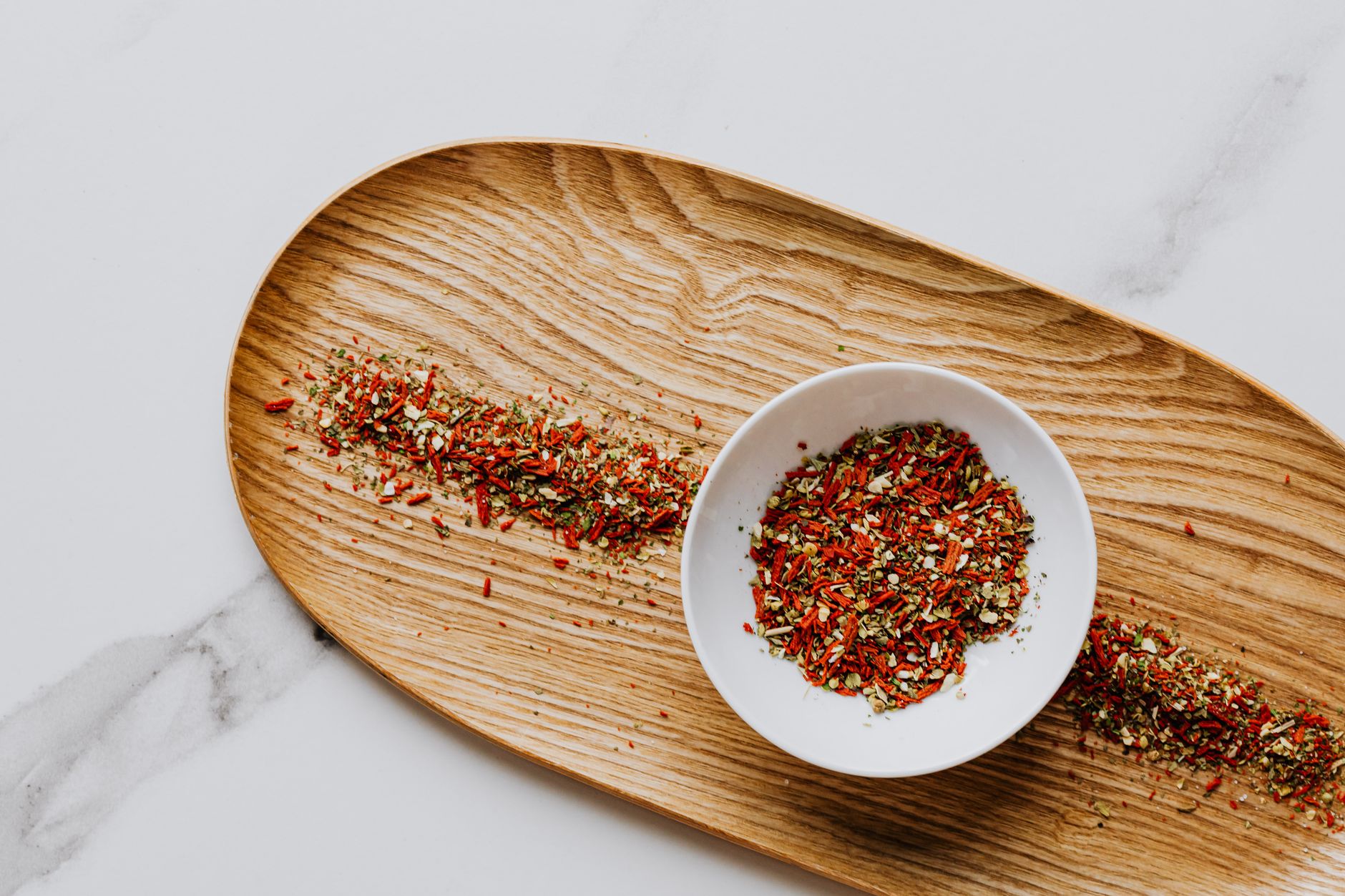
Make your own dry rub by mixing paprika, brown sugar, cumin, salt, and pepper. For sauce, blend tomato paste, vinegar, molasses, garlic, and chili powder for a smoky-sweet glaze. These complement smoked ribs and grilled chicken perfectly, offering a homemade touch that beats store-bought labels for clean ingredients.
Unique Recipes: Beyond the Basics
Try smoking grilled vegetables like smoky charred eggplants with a drizzle of tahini and pomegranate seeds or grilled shrimp brushed with garlic and lemon for a fresh crowd-pleaser. Experimenting with underrated cuts like turkey tenderloin or lamb shoulder widens your flavor range and elevates your BBQ game.
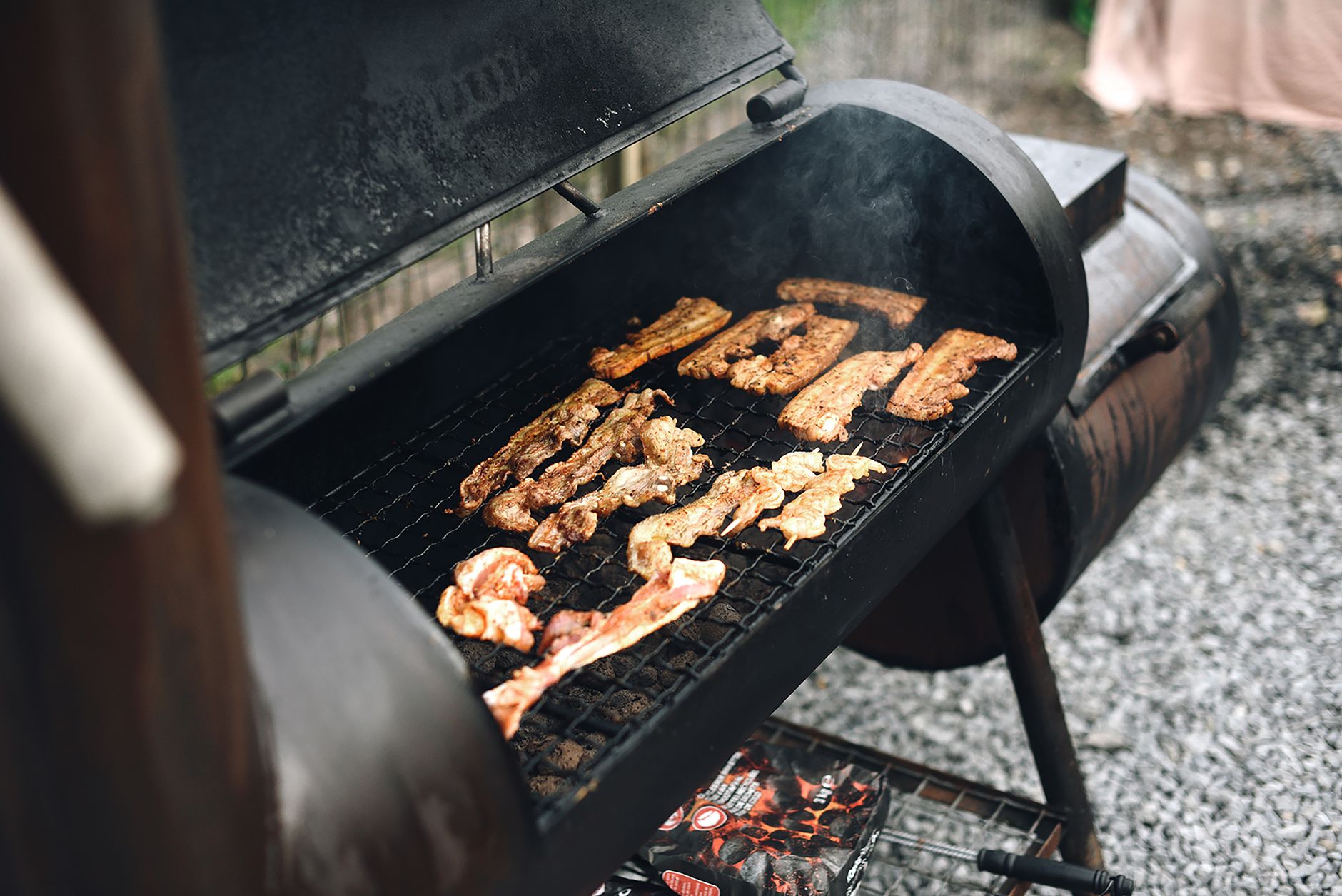
Safety and Health Considerations
Understanding the Potential Risks
Grilling and smoking can produce carcinogenic compounds like polycyclic aromatic hydrocarbons (PAHs) and heterocyclic amines (HCAs) when meat is charred excessively. According to the USDA FoodData Central, minimizing charring and keeping grill temps moderate reduce these risks.
Smoke inhalation over prolonged periods can irritate the respiratory system, so always grill or smoke in a well-ventilated area.
How to Grill and Smoke Safely
Use a clean grill surface to prevent flare-ups and bacterial contamination. Handle raw Halal meat with care, washing hands and utensils promptly. Cook meat to safe internal temperatures: 165F (74C) for poultry, 145F (63C) for whole cuts (rest 3 minutes), as defined by JAKIM Halal certification standards.
Opt for tools like silicone basting brushes instead of wire brushes that can shed bristles. Keep a spray bottle handy for flare-up control, and never leave grills unattended.
Expert Tips from Pitmasters
Insider Secrets to Perfect Grilling and Smoking
Resting meat after cooking lets fibers reabsorb juicesdont skimp on this step. Time your rub application early for flavor to penetrate deeply, and resist the urge to flip meat too often; one or two turns are all you need for great crust.
Enhancing Flavor with Wood and Marinades
Adding wood chips 30 minutes into smoking maximizes aroma without overwhelming bitterness. Marinade acidic elements like lemon or yogurt break down protein, tenderizing meat. Combine with herbs and spices aligned with Halal flavor profiles for a unique result.
Tools and Hacks to Upgrade Your Setup
Instead of traditional grill brushes, try pumice stones or non-metallic grill cleaning pads for longevity and safety. Add a water pan in your smoker to stabilize temperature and maintain moisture. Using foil packets for delicate foods prevents over-smoking.

When is the best time to eat grilled and smoked meats?
The best time to enjoy grilled and smoked meats is shortly after resting, ideally within 30 minutes. This ensures the juices are redistributed, offering rich, tender bites at their peak flavor and temperature.
Is grilling and smoking suitable for Halal diets?
Yes, grilling and smoking are perfectly suitable for Halal diets when you use Halal-certified meats and avoid cross-contamination with non-Halal products. Look for trusted certifications like JAKIM or HMC on packaging to ensure compliance.
How do I maintain consistent temperature in a smoker?
Maintain consistent temp by adjusting vents carefully to control airflow. Use a water pan to regulate heat fluctuations and monitor with digital thermometers. Avoid opening the smoker frequently, as lost heat disrupts the cooking process.
Can I smoke vegetables and seafood safely?
Absolutely. Vegetables and seafood like salmon or shrimp benefit from short, low-temperature smoking. Use milder woods and keep cook time under 2 hours to prevent drying out or overpowering flavors.
What should I look for when buying wood chips?
Choose additive-free, natural hardwood chips. Avoid softwoods like pine which produce harmful resins. Certified woods from reputable suppliers ensure traceability and safety, especially when cooking Halal meat.
How can I avoid overcooking thin cuts on the grill?
Preheat the grill to high for searing, then move thin cuts to indirect heat to finish cooking. Use instant-read thermometers to track doneness precisely and rest meat before slicing.
Whats the best way to clean and store grill tools?
Clean grill tools with warm, soapy water after each use. Store them dry in a ventilated area to prevent rust. Replace wire brushes every 1-2 years to avoid loose bristles.
Pro Tips for Perfect Results
Balance is key. When seasoning, combine salt, sugar, and spices in a way that enhances umami without overpowering. Avoid common mistakes like rushing the smoke or using wet wood chips, which create bitter flavors. For an expert upgrade, try a two-zone fire setup: high direct heat on one side for searing and lower indirect heat for slow cooking.
Remember, affordable charcoal often contains fillers that burn unevenly and emit unwanted chemicals. Investing in quality lump charcoal or pellets pays off in clean flavor and control.
More You Might Like
Explore how to select the perfect New york strip steak to elevate your grilling sessions with rich, tender beef that meets Halal standards.
Learn deeper about sourcing pure, trustworthy Halal meat and what certifications guarantee the highest quality for your barbecue needs.

Grilling and smoking unlock an incredible range of flavors when you understand each methods demands. From selecting the right Halal meat and fuel to mastering cooking temperatures and safety, these tips will make you confident at the grill or smoker. Next time you shop, pay close attention to labels and certifications, then treat yourself and your loved ones to smoky, tender dishes bursting with flavor. Share your experiences and recipes to keep the community inspired and thriving.
FAQs
Is grilling and smoking actually Halal — what should I check on the label?
Grilling and smoking are Halal when you use Halal-certified meats and avoid cross-contamination. Check for trusted certifications like JAKIM or HMC on the packaging and ensure equipment is clean and only used for Halal foods.
When is the best time to eat or drink grilling and smoking?
The best time to enjoy grilled and smoked meats is shortly after resting, ideally within 30 minutes. This allows juices to redistribute, resulting in tender, flavorful bites at peak temperature.
How do I maintain consistent temperature in a smoker?
Maintain temperature by adjusting vents to regulate airflow, using a water pan to stabilize heat, and monitoring with digital thermometers. Avoid opening the smoker frequently to prevent heat loss.
Can grilling and smoking produce any health risks?
Yes, excessive charring can produce harmful compounds like PAHs and HCAs. To reduce risks, minimize direct flame contact, keep grill temperatures moderate, and avoid over-smoking with heavy smoke.
Where should I buy quality wood chips and charcoal for smoking?
Buy from reputable suppliers who offer additive-free, natural hardwood chips and lump charcoal. For Halal cooking, look for Halal certification or traceability guarantees to ensure safety and quality.