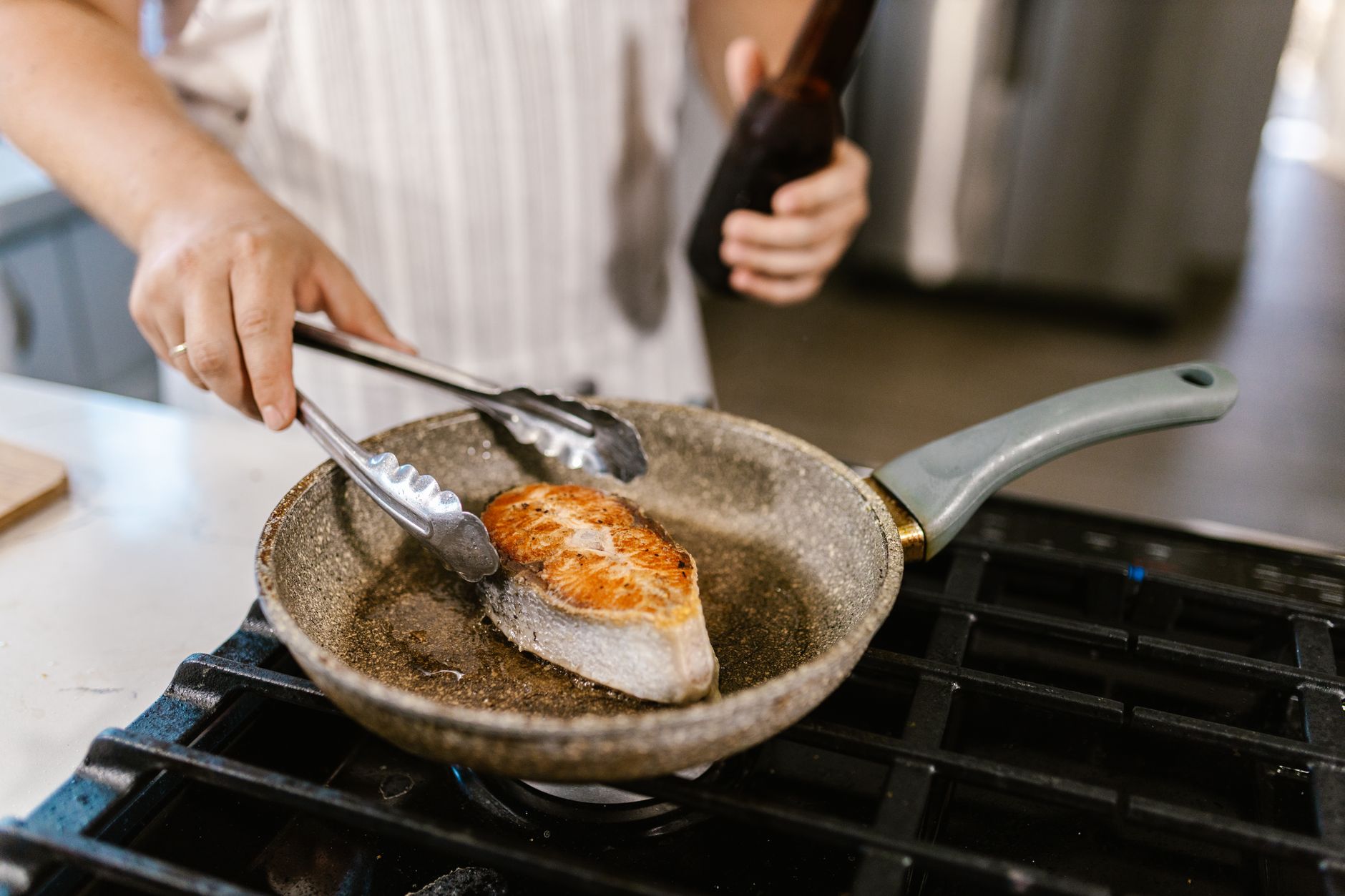
Defrost salmon carefully to keep its delicate flavor and tender texture intact. The safest ways to defrost salmon are either slowly thawing it in the refrigerator or using cold water for a quicker method. Choosing the wrong thawing technique risks drying out the fish or encouraging bacterial growth, leaving you with a disappointing meal. Here, youll get clear, practical tips to defrost salmon properly, preserving its fresh taste and luscious texture every time.
Defrosting Methods
What are the safest methods to defrost salmon?
Thawing salmon safely depends on controlling both temperature and time. The two most recommended methods are thawing in the refrigerator and thawing using cold water.
Refrigerator thawing is the safest and most effective way. Place your salmon (still in sealed packaging or a leak-proof container) on a plate or tray and leave it in the fridge at about 4C (39F). This method allows the fish to thaw slowly and evenly, protecting its texture and preventing bacteria from growing. A typical salmon fillet needs 12 to 24 hours in the fridge before its fully thawed.
Cold water thawing offers a faster alternative. Keep the salmon in airtight packaging and submerge it in cold tap water (make sure its below 21C). Change the water every 30 minutes to keep it cold and safe. Small fillets will thaw in just 30 minutes to an hour. This method helps speed up defrosting but requires more attention to avoid temperature spikes. Using warm or hot water is discouraged because it promotes bacteria growth and uneven thawing.
Defrosting salmon at room temperature or leaving it out on the counter is risky. Salmon can stay in the danger zone (460C) where bacteria multiply rapidly. It‘s best avoided to prevent spoilage and foodborne illness.
How long does it take to thaw salmon using each method?
The thawing time depends on the salmons weight and whether it is a fillet or whole fish.
- In the refrigerator:
- Small fillets (150-200g): 1216 hours
- Large fillets or whole side (500g+): 1824 hours or longer
- Cold water thawing:
- Small fillets (100-200g): 2040 minutes
- Large pieces (300-500g): 12 hours
Always check the fish to ensure no ice crystals remain in the thickest parts before cooking.
Comparison Table: Refrigerator vs. Cold Water Defrosting
| Method | Time Required | Food Safety | Impact on Texture & Taste | Convenience |
|---|---|---|---|---|
| Refrigerator Thawing | 1224 hours | Very safe; stable low temperature | Preserves moisture and firmness well | Needs advance planning |
| Cold Water Thawing | 30 min2 hours | Safe if water changed frequently | Good texture if done correctly | Faster but requires supervision |
Preserving Quality and Texture
Why does salmon lose its texture when defrosted incorrectly?
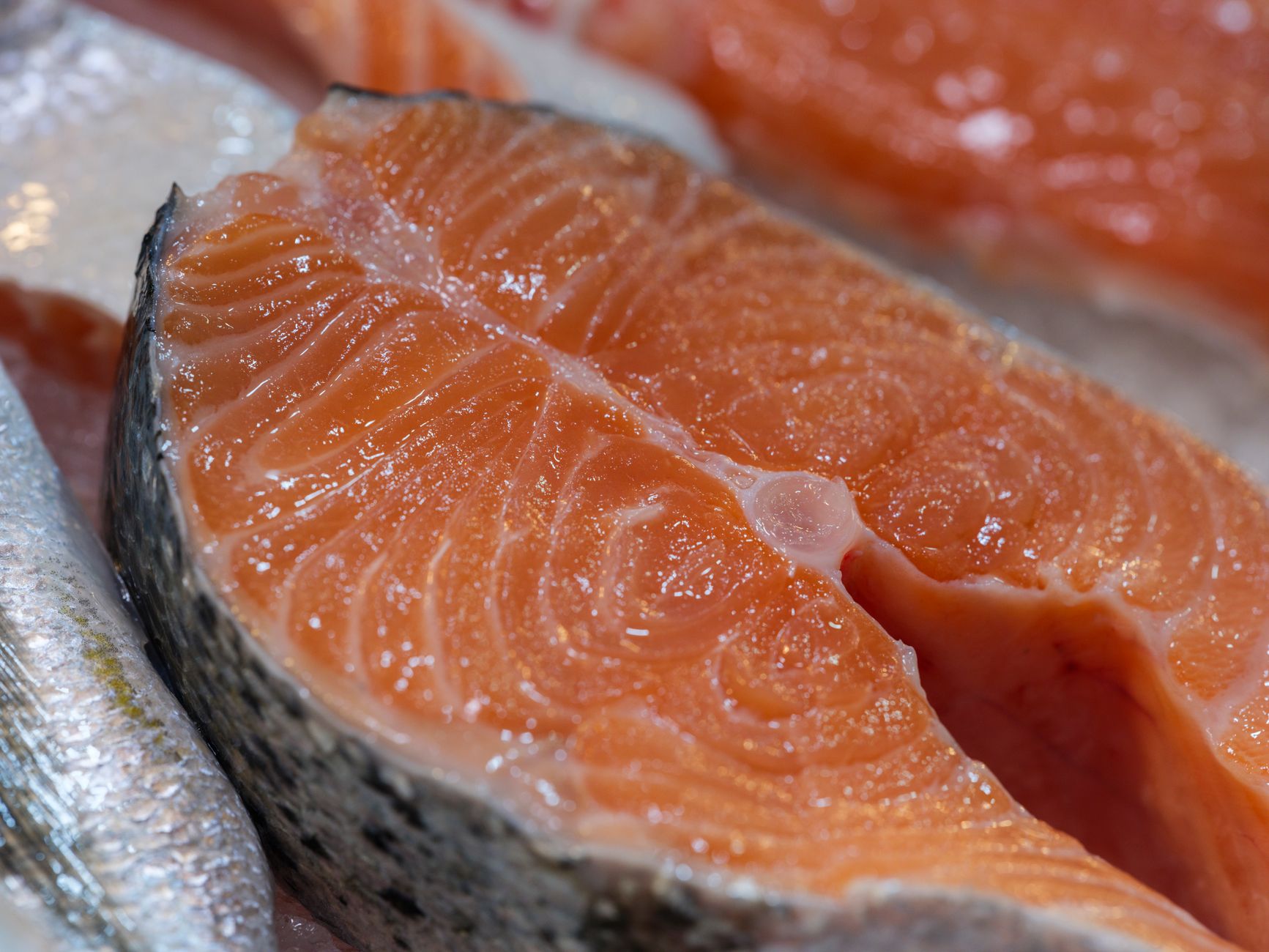
Salmons tender texture comes from its fine muscle fibers and high-fat content. When frozen, ice crystals form inside the fleshs cells. Slow freezing creates smaller crystals that cause less damage, but improper thawing can enlarge these crystals and rupture cells. When cell walls break, moisture leaks out, resulting in dry, mushy salmon. Rapid thawing or thawing at unsafe temperatures aggravates this damage, making texture poor and flavor flat.
What to do immediately after defrosting salmon?
Once salmon is thawed, handle it gently to retain quality. Remove it from packaging and give it a light rinse under cold water to remove any surface ice or fluid. Pat dry with paper towels. Store thawed salmon in the refrigerator and cook it within 12 days to ensure freshness and safety. Avoid refreezing thawed salmon, as repeated freezing cycles worsen texture and increase spoilage risk.
If you cant cook thawed salmon right away, keep it wrapped tightly in parchment or cling film and placed on a plate in the fridge. Maintaining a temperature of 4C or colder will slow bacterial growth.
Tips to cook salmon after defrosting to maximize taste
- Use quick cooking methods like pan-searing or grilling on medium-high heat for 35 minutes per side.
- Consider marinating for 1530 minutes with lemon, garlic, herbs, or mild spices to enhance flavor without overpowering the fish.
- Avoid overcookingsalmon turns dry if held on heat too long. Aim for an internal temperature of 5055C for a moist, tender finish.
Try seasoning thawed salmon with natural ingredients. This approach complements its velvety texture beautifully.
Safe Thawing Practices
What do food safety experts say about defrosting salmon?
The USDA and FDA both recommend refrigerating seafood for thawing or using cold water in sealed packaging. According to USDA FoodSafety.gov, thawing salmon at room temperature is unsafe because harmful bacteria grow rapidly between 4C and 60C. Chefs often support slow thawing to keep salmons texture intact. Advice from culinary experts underscores handling fish minimally during thawing to avoid damaging the delicate flesh.
Common myths about thawing salmon debunked
One myth claims you can safely cook salmon straight from frozen without thawing. While possible, thawed salmon cooks more evenly, with a better crust and moist interior. Another myth is that microwaving salmon to thaw is quick and safe. Microwaving often causes uneven thawing and partial cooking, damaging texture and raising food safety concerns. Professional advice consistently discourages microwave thawing unless followed immediately by cooking.
Contrary to some beliefs, you dont need to use expensive or complicated equipment to defrost salmon properly. Simple methods like fridge or cold water thawing do the job well when done correctly.
Real-world examples and personal anecdotes
Many home cooks share how thawing salmon on the countertop led to rubbery fillets and bad smells. Others have switched to refrigerator thawing with clear improvements in taste and texture. One chefs tip is to place the salmon on a wire rack in the fridge, allowing air to circulate for even thawing. Sharing such tips fosters better results at home.

Is defrost salmon actually Halal what should I check?
Salmon itself is inherently Halal as it is a fish. However, obtaining Halal certification ensures that no Haram additives, cross-contamination, or non-Halal processing occur. Look for recognized certifications such as JAKIM, HMC, or IFANCA logos on packaging. These bodies verify the fish was handled in compliance with Islamic dietary laws and health standards. Always check the label for Halal status, especially if buying processed or pre-packaged salmon products.
When is the best time to eat/drink salmon?
The best time to eat salmon is when its fresh or properly thawed for cooking. Salmon is rich in omega-3 fatty acids, which can degrade if left frozen too long. Eating it shortly after thawing ensures optimal flavor and nutritional benefits. Salmon is ideally enjoyed as a lunch or dinner centerpiece when you can savor its rich flavor and tender texture.
Can I refreeze salmon after defrosting?
Its not recommended to refreeze salmon after thawing because repeated freezing damages texture and increases spoilage risk. If you must, cook the thawed salmon before refreezing to ensure safety and quality.
How can I speed up thawing salmon safely?
Using the cold water method speeds defrosting safely when you keep the salmon in airtight packaging and change the water every 30 minutes to keep it cold. Avoid warm water and microwaving as these damage the fish and risk bacterial growth.
What are signs salmon has thawed too long or gone bad?
If thawed salmon smells sour or overly fishy, feels slimy, or has discolored patches, it may be spoilt. The flesh will be mushy rather than firm. Always discard salmon showing these symptoms to avoid food poisoning.
Does thawing affect salmons nutritional value?
Thawing itself doesnt significantly change salmons nutrients if done properly. However, excessive drip loss during thawing or refreezing cycles can cause slight nutrient loss. Proper methods help retain most of the healthy omega oils and proteins.
What temperature should salmon be cooked to after thawing?
Cook salmon to an internal temperature of 5055C for medium doneness with a moist, tender texture. Use a kitchen thermometer to avoid overcooking, which dries out the fish.
Pro Tips for Defrosting Salmon
- Most overlooked mistake: Thawing salmon in plastic wrap that is not airtight leads to excess freezer burn and moisture loss.
- Why cheap frozen salmon disappoints: It often involves rapid freezing or poor storage, resulting in larger ice crystals that destroy texture.
- Expert tip: Pat salmon dry after thawing and season lightly before cooking. Use a meat tenderizer marinade for flaky results without overpowering the natural taste.

More You Might Like
Curious about the difference between tough and tender cuts of meat? Check out our detailed comparison of Chuck roast vs chuck steak to enhance your cooking skills.
If you want to improve the tenderness of meat in your recipes, our article on Meat tenderizer reveals the best natural options and techniques.
Conclusion
Knowing how to defrost salmon correctly can transform your home-cooked meals by preserving flavor and texture. Refrigerator thawing remains the safest and best method, while cold water offers speed with care. Next time you buy Halal-certified salmon, plan ahead to thaw it with patience. Youll enjoy richer taste and tender flesh that highlights this fishs natural goodness. Have your own tricks or questions about thawing salmon? Leave a comment below to share your experience!
FAQs
Is defrost salmon actually Halal — what should I check on the label?
Salmon is inherently Halal as a fish, but to ensure no Haram additives or cross-contamination, look for recognized Halal certifications like JAKIM, HMC, or IFANCA on the packaging. Always verify the label for Halal status, especially with processed or pre-packaged salmon products.
When is the best time to eat or drink defrost salmon?
The best time to eat defrosted salmon is soon after it has thawed, when it retains maximum freshness, flavor, and omega-3 nutrients. Ideally, serve it as a lunch or dinner centerpiece for the best taste and texture.
How long can I keep salmon after defrosting before it spoils?
Once thawed, salmon should be stored in the refrigerator at 4°C or below and cooked within 1-2 days to ensure freshness and safety. Avoid refreezing to prevent texture loss and spoilage.
What is the difference between thawing salmon in the fridge versus cold water?
Fridge thawing is slow and safest, preserving texture and flavor over 12–24 hours, while cold water thawing is faster (30 minutes to 2 hours) but requires sealed packaging and frequent water changes to prevent bacteria growth.
Where can I buy high-quality Halal frozen salmon?
You can buy Halal frozen salmon from reputable supermarkets, specialty Halal meat markets, or trusted online seafood retailers that display valid Halal certifications. Verify the packaging for quality and certification labels.