Walking down the grocery store aisle packed with canned fish brands can feel like navigating a maze. You want to grab a Halal-certified, healthful option with rich flavor and clean ingredients but how do you know which to trust? Whether its for snacking, cooking, or quick protein boosts, quality canned fish matters for taste, nutrition, and peace of mind. Lets sort through the noise and reveal which canned fish brands deliver and which are best left behind.
Why Brand Choice Matters
Canned fish offers convenient nutrition with a long shelf life, making it a pantry staple around the world. But not all brands maintain the same standards. Choosing a good canned fish brand means getting wild-caught or responsibly sourced products that retain high omega-3s and avoid unnecessary additives. Poor brands may rely on farmed fish, have high sodium levels, or even questionable preservative use that impact flavor and health. Plus, selecting brands with trustworthy Halal certification assures both ethical sourcing and compliance with Islamic dietary laws.
Quality canned fish is a convenient way to enjoy protein-rich meals without compromising your diet. However, brands vary widely in freshness, salt content, and sustainability practices, so being informed will protect your palate and your health.
Top Canned Fish Brands To Buy
What Makes These Brands Stand Out?
We evaluated leading canned fish brands based on several criteria: source of fish (wild-caught preferred), presence of Halal certification (such as JAKIM or IFANCA logos), flavor authenticity, packaging integrity, and use of natural ingredients. Maintaining strict quality controls to avoid heavy metals like mercury and ensuring minimal additives also weigh heavily.
| Certification | Price Range | Common Formats | Shelf Life | Key Allergens |
|---|---|---|---|---|
| JAKIM, MSC | $$$ | Whole sardines, tuna flakes, mackerel in olive oil | 3-5 years | Fish, sometimes soy or mustard |
| IFANCA, MSC | $$ | Sardines in water, tuna chunks, mackerel fillets | 3-4 years | Fish |
| HMC, Pole & Line | $ | Tuna steaks, sardines in tomato sauce | 2-4 years | Fish |
Best Canned Sardines Brands
If you enjoy crunchy skin and tender flesh packed in jars or tins, look for brands that use wild-caught sardines from cold waters. High-quality sardines keep their natural oils fresh, and labels usually show "No additives" or "In pure olive oil." Brands certified Halal by JAKIM or HMC ensure the processing meets Islamic dietary standards, including cleanliness and ingredient sourcing.
These canned sardines make excellent snacks or salad toppers. For example, brands like King Oscar and Tuna Fish Gourmet (HMC-certified) offer consistent flavor and flaky texture without heavy saltiness. They typically contain around 420mg sodium per 100g serving, which is reasonable for canned fish.

Top Canned Tuna Brands
Tuna is a versatile pantry star but understanding types is key. Skipjack offers a richer, bolder taste, while albacore carries a milder flavor and lighter color. Look for pole & line caught or MSC-certified tuna to support sustainable fishing. Halal marks from IFANCA or JAKIM further confirm compliance with Islamic dietary laws.
The best canned tuna brands balance minimal additives and sustainable sourcing. Some recommended brands use water or premium olive oil, preserving natural flavor without overloads of sodium or preservatives. Youll find many labeled "BPA-free cans," which is an additional health-conscious factor.
Quality Canned Mackerel Brands
Mackerel is a powerhouse of omega-3 fatty acids, delivering a richer, more intense fish flavor. High-quality mackerel brands highlight wild-caught sourcing from cold seas. They provide tender, flaky fillets packed in natural oils or light brine. Certifications like MSC and Halal (from JAKIM or IFANCA) add to the products credibility.
Look for brands that avoid preservatives and contain fewer than 300mg sodium per serving. Mackerels robust flavor, combined with responsible sourcing, makes these tins excellent for quick meals or enriching recipes.
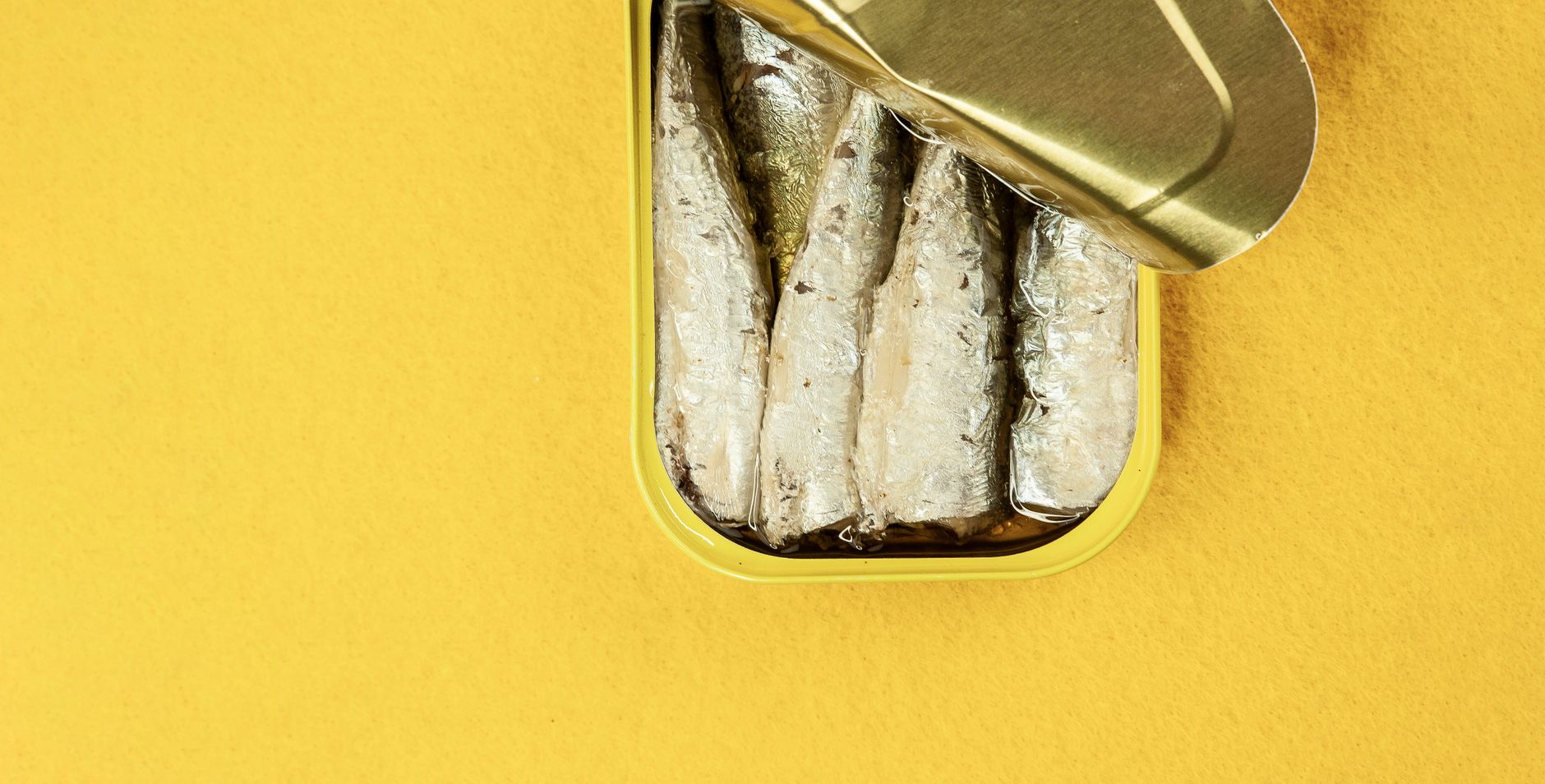
7 Canned Fish Brands To Leave On The Shelf
Red Flags to Watch For
Some canned fish brands use heavily processed fish from unsustainable farms. Warning signs include long ingredient lists full of preservatives, MSG, or high sugar and salt levels. Watch out for vague sourcing like packed in [insert country], which can mask inferior origins.
Misleading label claims such as "natural flavors" or "no preservatives" might still hide additives. Brands without recognized Halal certification could carry risks for Muslim consumers seeking religious compliance.
Common Complaints About These Brands
Consumers often report metallic aftertaste, mushy texture, or overly salty content. Others cite inconsistent can sealing leading to dents or premature spoilage. Some brands also lack transparency on fishing methods, raising environmental concerns.
For Halal-conscious shoppers, brands that fail to show credible certification logos or use non-Halal additives create unwanted uncertainty.
What Consumers Should Avoid
Cheap canned fish can be tempting but often sacrifices quality for price. Avoid brands priced suspiciously low with oversized cans full of fillers or brine. Misleading weight indications like net drained weight can distort actual fish quantity.
Beware of brands using generic terms such as "white tuna" without species clarity, as this can include prohibited fish or questionable cuts. Always prioritize brands with clear ingredient lists and transparent sourcing.
How We Selected and Reviewed Brands
Our selection process combined hands-on taste tests, ingredient label analysis, and thorough research into sourcing. We checked each brands Halal certification alongside sustainability credentials like MSC or pole & line fishing. Expert nutrition data from USDA FoodData Central helped us evaluate omega-3 content, sodium levels, and caloric value.
By comparing multiple batches and user experiences, we ensured balanced opinions focused on real-world quality, taste, and reliability. We also reviewed packaging integrity and storage claims. This approach aligns with our commitment at thucphamhalal.com to trustworthy, health-conscious food advice.
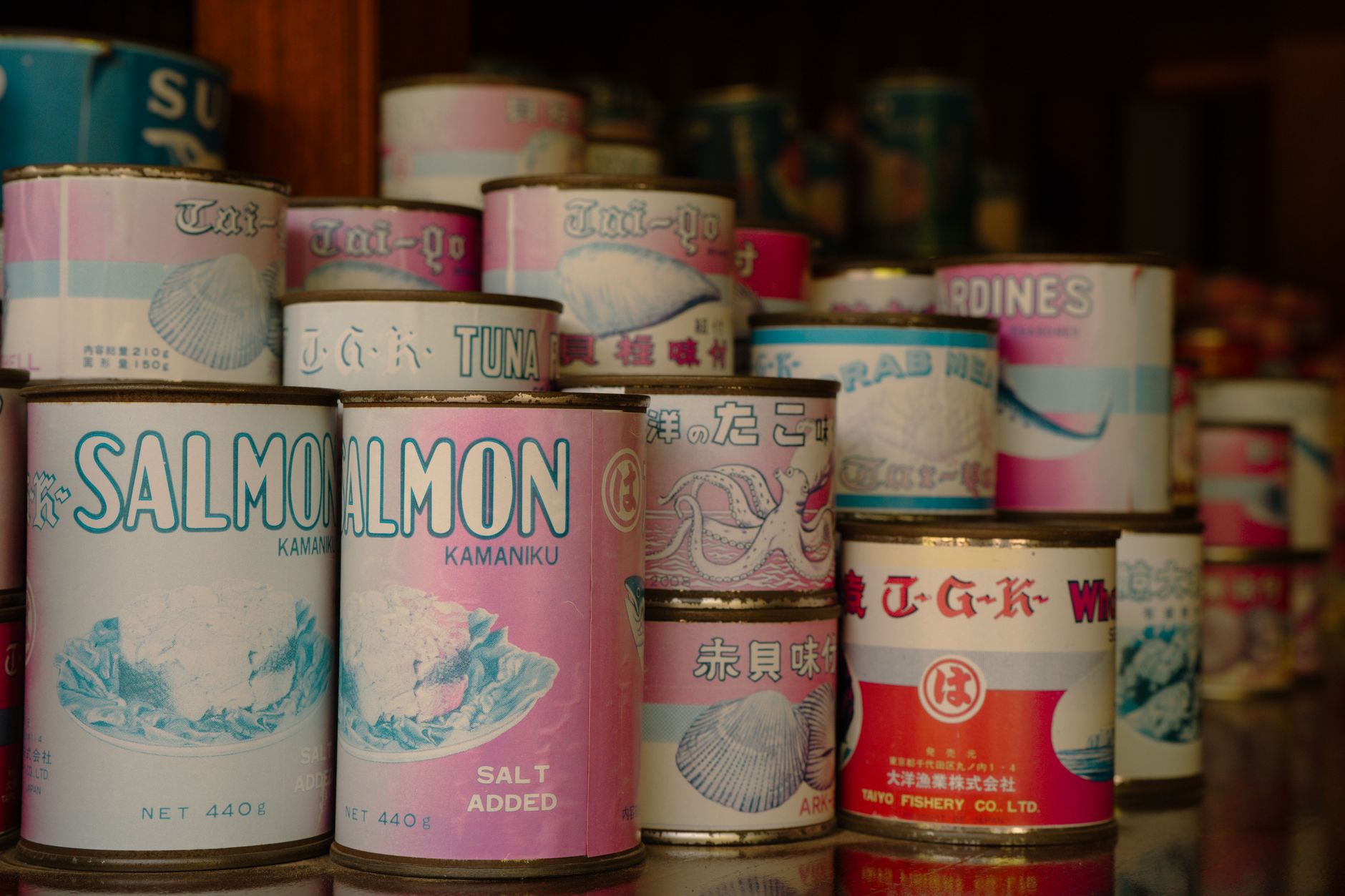
Is canned fish brands actually Halal what should I check?
Not all canned fish brands automatically carry Halal status. Look for certifications from bodies such as JAKIM (Malaysia), IFANCA (USA), or HMC (UK). These certify processing and ingredients comply with Islamic law, including humane sourcing and absence of forbidden additives. Check for clear logos on the label and review ingredient lists for alcohol-based flavorings or non-Halal gelatin. When in doubt, consult the manufacturer or trusted Halal resource sites.
Are canned sardines/tuna/mackerel healthy choices?
Canned sardines, tuna, and mackerel are excellent protein sources rich in omega-3 fatty acids, vitamin D, and minerals like calcium (especially sardines with bones). Nutrition varies by species and preparation; sardines tend to have higher omega-3s, mackerel offers robust fat content, and tuna contains lean protein. Choose low-sodium, preservative-free options to maximize health benefits.
How to read labels for canned fish quality?
Check the ingredient list for a short, recognizable blend: fish, water or oil, and salt usually. Avoid additives like sodium nitrate, MSG, or sugar. Verify Halal certification logos if relevant. Inspect the packaging date and expiration for freshness. Note the type of oil used olive or sunflower oils are preferable to cheaper vegetable oils.
Whats the best canned fish for omega-3s?
Sardines and mackerel typically provide the highest omega-3 amount per serving. For example, canned mackerel can have over 1,000mg of omega-3 EPA and DHA per 100g, according to USDA FoodData Central. Check nutrition panels, as formulas high in water may dilute omega-3 content.
How to store canned fish for maximum freshness?
Unopened cans last 3-5 years if stored in a cool, dry place away from direct sunlight. After opening, transfer contents into a sealed container and refrigerate immediately. Consume within 3-4 days for best quality. Never put opened cans with leftovers back in the can as metal exposure can degrade flavor and safety.
Can canned fish be part of a sustainable diet?
Yes, when sourced responsibly. Look for certifications like MSC or brands using pole & line fishing that reduce bycatch and preserve ocean stocks. Sustainably caught canned fish supports eco-friendly practices while providing nutritious protein. Avoid brands with vague claims or farmed fish with unknown standards.
Pro Tips for Choosing Canned Fish
- Most overlooked mistake: Buying based solely on price often means compromised freshness and more additives.
- Expert tip: Always check for Halal certifications in addition to sustainability logos for peace of mind.
- Why cheap brands disappoint: They often rely on fish scraps, flooding tins with excessive salt or preservatives to mask flavor.
- Storage tip: After opening, never consume canned fish that smells sour or looks discolored. When in doubt, discard.
For convenient options, you might like to order groceries online for pickup to compare quality brands safely from home. Also, explore some nutmeg uses to create flavorful dishes with your canned fish.
More You Might Like
If you enjoy learning about quality pantry staples, you might appreciate our reviews on Halal-certified meat cuts or our guide to selecting the best dairy products without artificial additives.
Conclusion
Choosing the right canned fish brands mattersfor your health, taste, and values. Look for trusted Halal certification, sustainable sourcing, simple ingredients, and honest labeling before stocking your pantry. Next time you shop, take a moment to check the label closely and reach for brands that respect your dietary needs and deliver rich, wholesome flavor. Feel free to share your favorite canned fish brands or tips in the comments below!
FAQs
Is canned fish brands actually Halal — what should I check on the label?
Not all canned fish brands are automatically Halal. Look for certifications from recognized bodies like JAKIM, IFANCA, or HMC on the label. Check ingredient lists for forbidden additives such as alcohol-based flavorings or non-Halal gelatin. When uncertain, consult the manufacturer or trusted Halal resources to confirm compliance with Islamic dietary laws.
What is the shelf life of canned fish after opening?
Once opened, canned fish should be transferred to a sealed container, refrigerated immediately, and consumed within 3 to 4 days. Leaving it in the can can degrade flavor and safety. Always discard if the fish smells sour or looks discolored to ensure freshness and health safety.
How does canned fish compare to fresh fish in terms of nutrition and quality?
Canned fish retains much of its protein, omega-3s, and minerals, making it a convenient and nutritious alternative to fresh fish. However, some varieties may contain preservatives or higher sodium. Choosing wild-caught, preservative-free canned fish ensures closer quality to fresh options while offering longer shelf life and convenience.
Is it safe to eat canned fish daily as part of a healthy diet?
Yes, canned fish like sardines, tuna, and mackerel can be part of a balanced diet due to their rich omega-3 fatty acids and protein. However, monitor sodium levels and mercury content, especially with tuna. Opting for brands with clean ingredients and sustainable sourcing maximizes safety and health benefits.
Where can I buy trusted Halal-certified canned fish brands?
Trusted Halal-certified canned fish brands are available in specialty grocery stores, halal supermarkets, and online halal retailers. Checking for recognized Halal logos on packaging ensures compliance. Ordering online can offer wider selections with clear labeling for safer, convenient shopping.