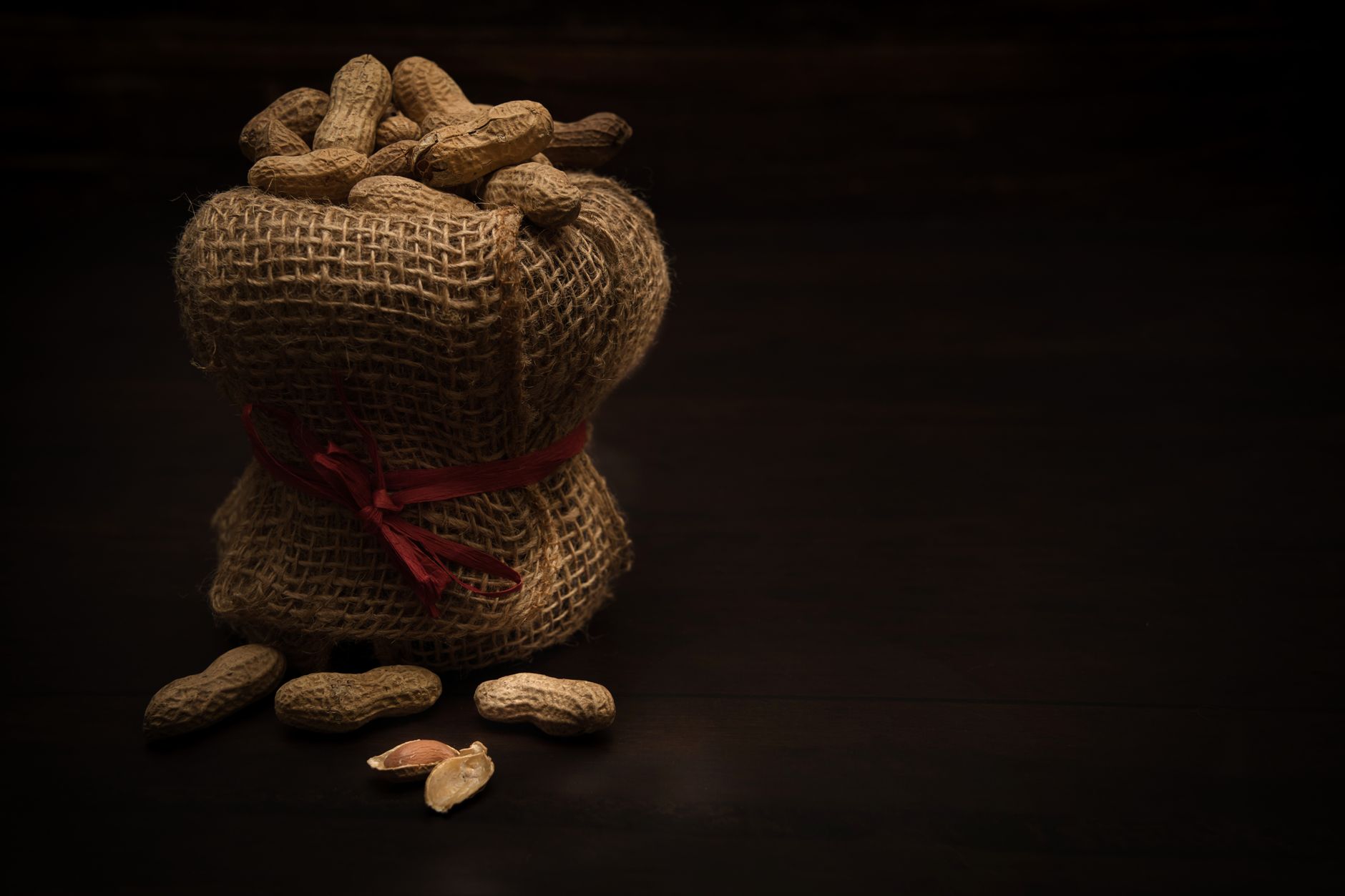
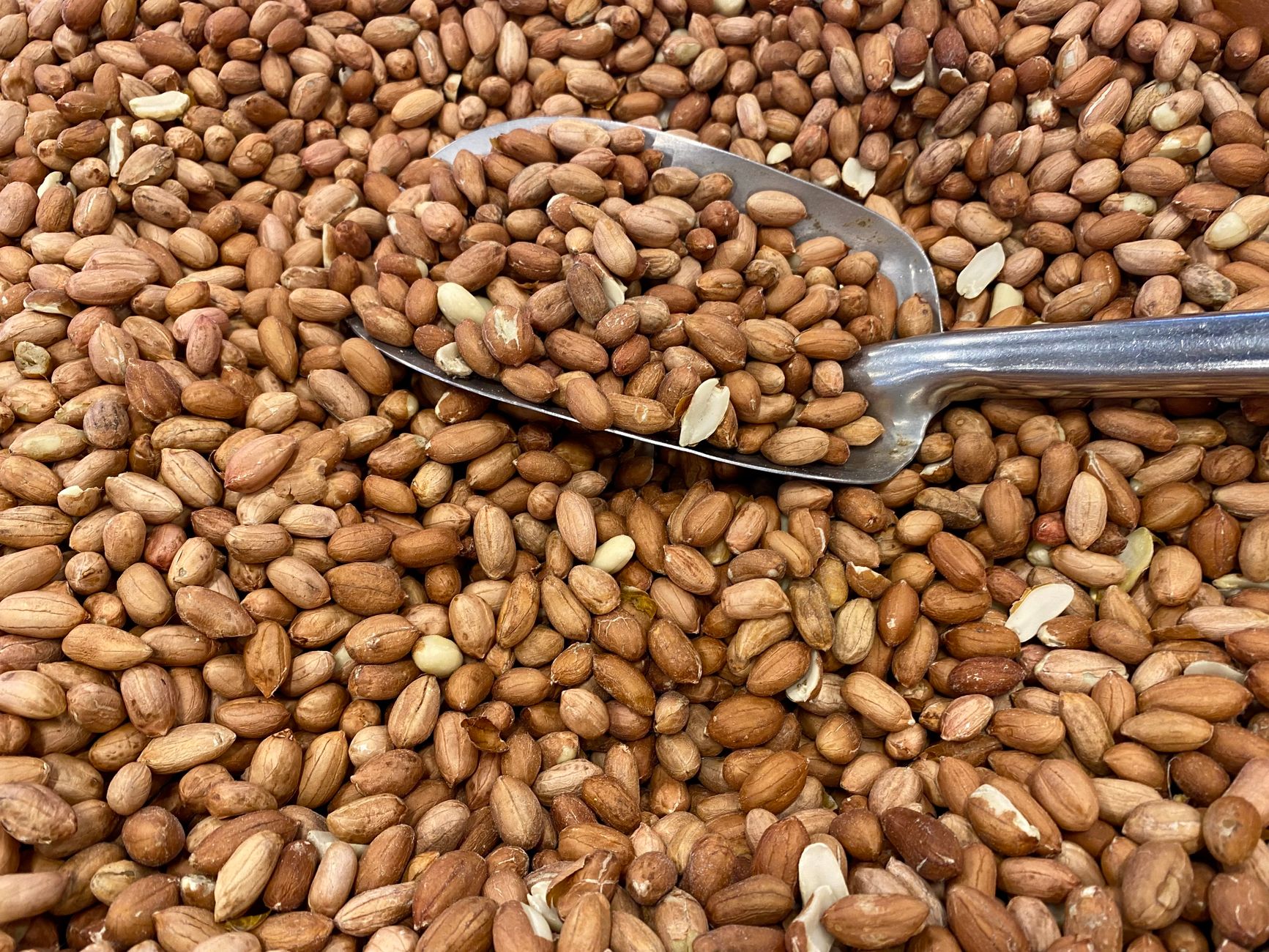
If youve ever dined at Texas Roadhouse, you likely remember the signature peanuts scattered on the tables. The casual tradition of cracking open peanuts and letting shells fall to the floor was part of the lively atmosphere everyone enjoyed. But why did Texas Roadhouse peanuts vanish from the scene? The answer lies in health, safety, and improving customer experience. This change wasn‘t made lightly but reflects growing concerns around allergies and hygiene, transforming the way we snack while waiting for our steaks.
Peanut Policy Changes
Why No Peanuts Anymore?
Texas Roadhouse decided to remove peanuts from their tables primarily because of health and hygiene issues. Peanut allergies affect millions of people worldwide, and even trace exposure can cause life-threatening reactions. Serving peanuts openly creates a heightened risk for allergic diners in a busy restaurant environment.
Besides allergy concerns, the iconic peanut shell floor became a cleanliness problem. While many loved the casual, rustic feel of shells crunching beneath their feet, these shells posed challenges for maintaining sanitary dining areas. Food safety regulations demand stricter hygiene standards, and the constant presence of peanut shells could attract pests or harbor bacteria.
Liability also played a role. Protecting guests from accidental exposure reduces risks for both the diners and the restaurant. Overall, these reasons made the peanut ban a sensible step towards safer dining.
When Did Texas Roadhouse Change Its Peanut Policy?
The shift away from table peanuts began gradually around the late 2010s, though exact dates vary by location. Texas Roadhouse implemented the removal in phases, often quietly, to avoid disrupting the fun reputation tied to their peanut tradition. Some outlets stopped offering peanuts at tables altogether, while others replaced open peanuts with packaged snack options to maintain the welcoming vibe.
Customer reactions have been mixed frequent diners missed the nostalgic ritual but understood the health-driven rationale behind the change. Many appreciated the cleaner dining environment that followed.
Real-Life Examples & Customer Stories
Several patrons shared their experiences online. One long-time guest recalled how her sons severe peanut allergy meant they avoided Texas Roadhouse previously. Since the peanut ban, her family could finally enjoy meals there without anxiety.
Others reminisced about shell-cracking contests amid laughter and conversation but admitted the restaurant feels tidier now. These stories highlight the balancing act between tradition and modern safety expectations.
Customer Experience Impact
How Did Removing Peanuts Affect Atmosphere?
Texas Roadhouses atmosphere has always thrived on down-home friendliness and casual fun. The peanuts contributed to that, giving diners something to nibble on while waiting. Removing them inevitably changed some dynamics. The comforting sound of shells on the floor disappeared, along with the spontaneous snack time interaction at the table.
Still, the chain has worked to maintain its lively and welcoming feel through other means. Friendly staff, hearty meals, and upbeat music continue to define their brand.
What Do Customers Think?
Customer reviews reflect a mix of nostalgia and acceptance. Some loyal fans posted that the peanut ban took away part of the Texas Roadhouse soul, missing the tactile snack and shell-throwing tradition. Others expressed relief, especially parents of children with allergies who can now safely dine without fear.
This blend of feelings showcases the challenge restaurants face in balancing old customs with evolving public health priorities.
Are There Alternatives to Peanuts?
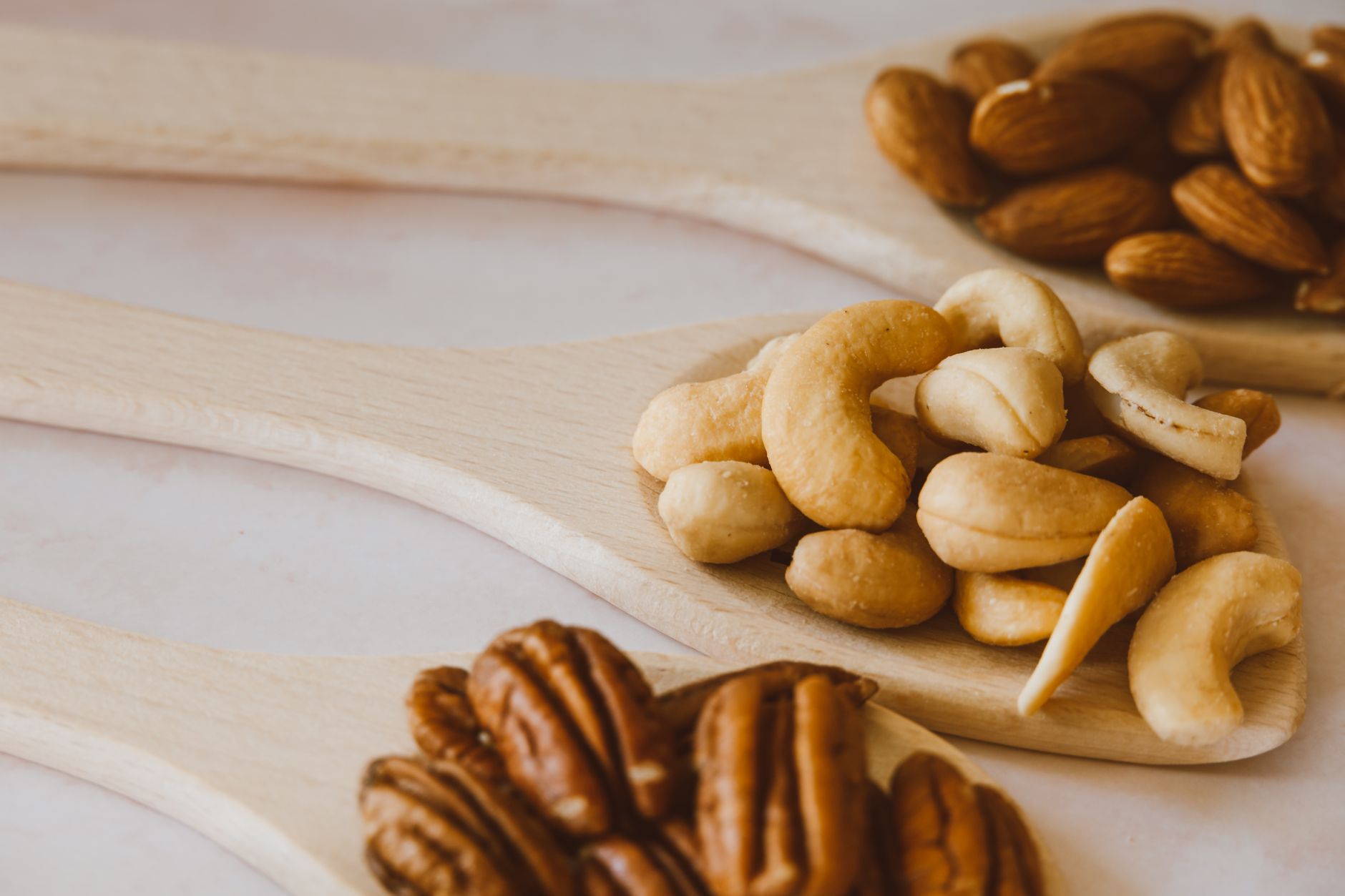
Since removing the classic peanuts, many Texas Roadhouse locations offer packaged snacks or other light appetizers while guests await their main course. Some have introduced coated nuts, pretzels, or even fresh bakery items as table treats. These alternatives avoid allergen exposure and mess, while keeping the fun alive.
For those interested in health-conscious or Halal-certified snacks, exploring options like seaweed snacks or protein snacks offers fresh, safe alternatives to the old peanut tradition.
Peanut Allergies & Safety
How Allergies Influence Restaurant Policy
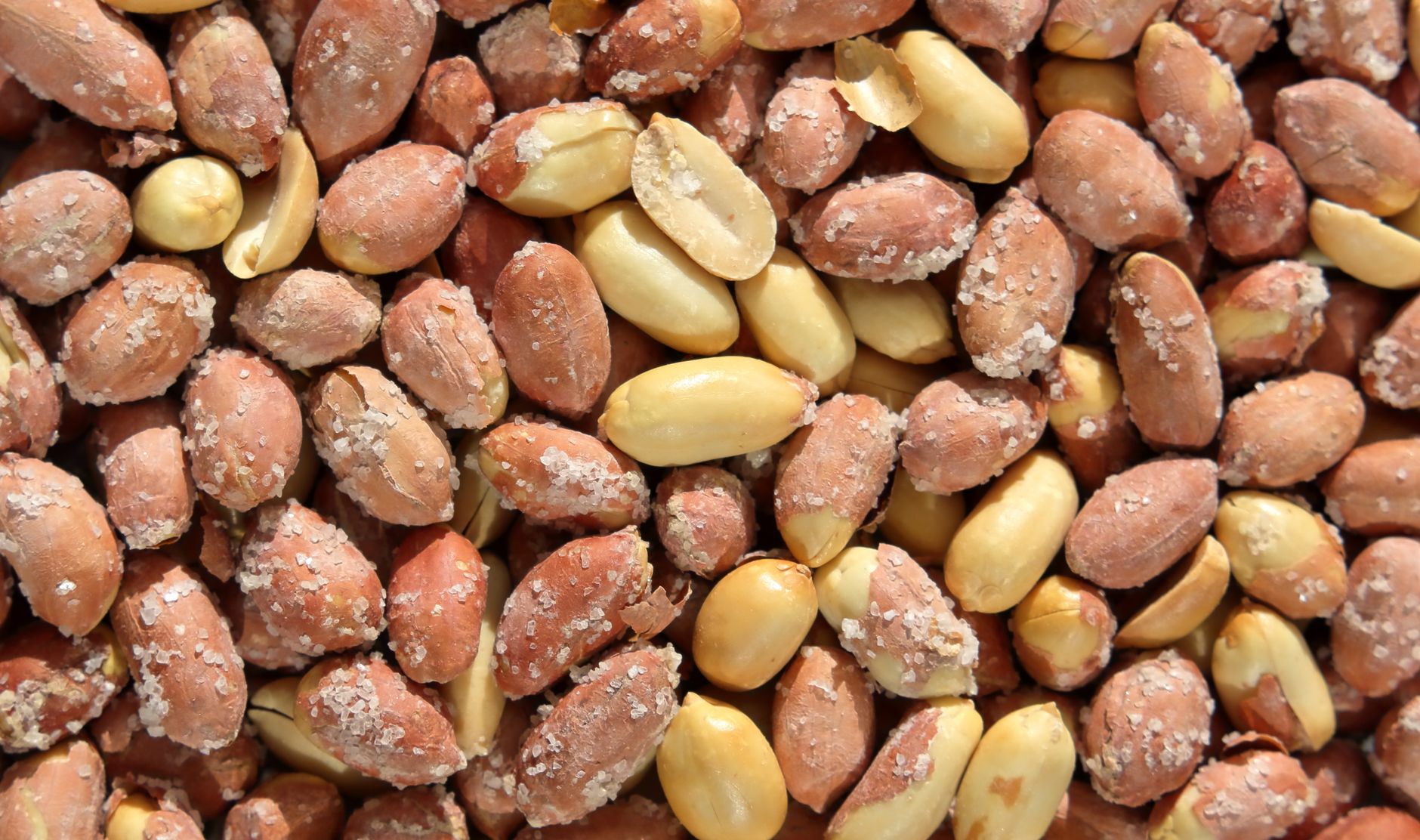
Peanut allergies are among the most severe food allergies, often requiring strict avoidance. Even airborne peanut dust or residual particles on tables can trigger dangerous reactions. Because of the high risk, restaurants nationwide are reevaluating open peanut service.
Health experts recommend eliminating shared or open sources of peanuts to protect allergic individuals. Texas Roadhouses decision aligns with allergy management protocols advocated by organizations such as the American Academy of Allergy, Asthma & Immunology.
Food Safety Regulations
Local health codes and industry standards increasingly emphasize allergen control and food surface sanitation. Establishments must avoid cross-contamination and reduce potential exposure to common allergens like peanuts.
Following these guidelines helps restaurants build trust with all customers, including those requiring Halal-certified or allergen-safe meals, verified through credible bodies like JAKIM or IFANCA.
Cleaning Up the Tradition
The Iconic Peanut Shell Floor
The peanut shell-strewn floor was a defining characteristic of Texas Roadhouse. For years, diners enjoyed the tactile experience of walking on cracked shells, contributing to a rustic steakhouse vibe. Staff swept these floors daily, but the crumbs created a persistent cleaning challenge beneath the surface.
Although charming, the shell floor became a barrier to maintaining stringent sanitation standards required for busy restaurants today.
Post-Peanut Environment Adjustments
After removing peanuts, Texas Roadhouse undertook renovations in many locations. New flooring materials replaced old wood or textured surfaces prone to trapping debris. The updated dcor and cleanliness efforts support a fresher, safer dining atmosphere aligned with modern expectations.
The changes also aid staff in maintaining hygiene and reduce pest attraction, improving overall guest comfort and health safety.

Is Texas Roadhouse Still Halal-Friendly?
Texas Roadhouse generally does not advertise specifically Halal-certified meat or dishes. Customers seeking Halal dining should inquire directly at their local branches. For Halal consumers, understanding certification bodies like JAKIM or HMC is key when choosing meat or snacks.
However, the removal of peanuts may reduce allergen exposure risks and enhance the overall dining safety, complementing a health-conscious approach.
When is the best time to eat Texas Roadhouse peanuts?
Although Texas Roadhouse no longer serves open peanuts, when they were available, the best time to enjoy them was upon seating. This helped diners pass the time before their meals arrived. Since their removal, customers often bring their own snacks or rely on offered alternatives.
Is Texas Roadhouse peanut-free now?
Most Texas Roadhouse locations have removed open peanuts from tables. Yet, some may still serve packaged nuts or nut-free alternatives. Its always best to check with a local restaurant for current peanut offerings and policies, especially for allergy concerns.
Are peanuts at Texas Roadhouse Halal?
Peanuts themselves are naturally Halal; however, you should verify if any added flavorings or coatings meet Halal certification standards. Look for recognizable certification logos such as JAKIM or IFANCA when purchasing pre-packaged nut snacks.
How to handle peanut allergies at Texas Roadhouse?
If you suffer from peanut allergies and dine at Texas Roadhouse, inform the staff about your condition. Ask about current allergen management, kitchen protocols, and whether any peanuts or peanut oils are used in meal preparation. Ensuring allergy-safe meals is always safest through clear communication.
What are good snack alternatives to Texas Roadhouse peanuts?
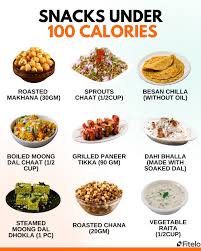
Halal and health-conscious snack choices include roasted chickpeas, seaweed snacks, and certified protein snacks. These provide tasty, nutritious alternatives without common allergens. Exploring options on seaweed snacks or protein snacks pages offers helpful guidance.
What are the cleaning protocols after peanuts were removed?
Texas Roadhouse stepped up floor sanitation by introducing non-porous flooring materials, using frequent wet mopping, and employing stricter pest control methods. These measures eliminate residues typical in peanut shell floors, resulting in cleaner, more hygienic dining spaces.
Buyers Checklist for Peanut Alternatives
| Certification | Price Range | Common Formats | Shelf Life | Key Allergens |
|---|---|---|---|---|
| JAKIM, IFANCA (when Halal certified) | $3$8 per pack | Roasted chickpeas, seaweed packs, protein bars | 46 months unopened | Check labels for nuts, soy, gluten |
| None / General Snack | $1$5 | Salted pretzels, plain seeds | 35 months unopened | May contain traces of peanuts or gluten |
Pro Tips for Safe Snacking
One common mistake is assuming that all nut snacks are safe for peanut-allergic individuals. Always read label ingredients carefully. For Halal consumers, look for halal certification logos to ensure compliance with dietary laws.
Cheap snack versions often contain artificial flavorings or possible cross-contamination. Invest in trusted brands with transparent sourcing to maintain both quality and safety.
An expert tip: carry your own Halal-certified, allergen-safe snacks if dining at places where peanuts or nuts may still be served.
More You Might Like
Explore our deep dive into seaweed snacks, a nutritious and allergen-friendly treat that pairs well with your meals.
Consider adding protein snacks to your diet for a satisfying, healthy bite during your dining out experience or at home.
Wrapping Up
Texas Roadhouse peanuts disappeared from tables mainly to protect customer health and improve cleanliness. While many still miss the traditional peanut shell floor ritual, this change helps make dining safer for everyone, especially those with allergies. Next time you visit a steakhouse, check the label or ask about their snack optionsyou might discover tasty, Halal-certified alternatives to enjoy. Feel free to share your thoughts or dining stories about this change in the comments below.
FAQs
Is Texas Roadhouse peanuts actually Halal — what should I check on the label?
Peanuts themselves are naturally Halal; however, if they are flavored or coated, check for halal certification logos like JAKIM or IFANCA on the packaging to ensure compliance with halal dietary laws.
When is the best time to eat Texas Roadhouse peanuts?
Before their removal, the best time to enjoy Texas Roadhouse peanuts was right after being seated, helping to pass the time before your meal arrived.
What is the typical shelf life of peanut alternatives offered at Texas Roadhouse?
Packaged peanut alternatives such as roasted chickpeas or protein bars generally last 3 to 4 months unopened, but always check the label for exact expiration dates and storage guidance.
How are Texas Roadhouse peanuts different from common snack alternatives?
Texas Roadhouse peanuts were served openly on tables, offering a casual snack, whereas alternatives like packaged nuts, pretzels, or bakery items reduce allergy risks and improve hygiene.
Where can I buy safe, halal-certified snack alternatives similar to Texas Roadhouse peanuts?
You can find halal-certified snacks such as roasted chickpeas, seaweed packs, and protein bars at specialty halal stores, online halal retailers, or health food suppliers with proper certification.