If youve ever stocked up on Costco frozen fruit, you might recall the Costco frozen fruit recall that made headlines a while back. It raised serious health concerns and left many shoppers wondering what exactly went wrong. Frozen fruit is a staple in many homes, prized for convenience and nutritionbut when contamination strikes, it hits harder than youd expect. This article breaks down the recalls specifics, what health risks were involved, and how you can protect yourself while keeping your freezer full of delicious, safe fruit.
Recall Details
Which Costco Frozen Fruits Were Recalled?
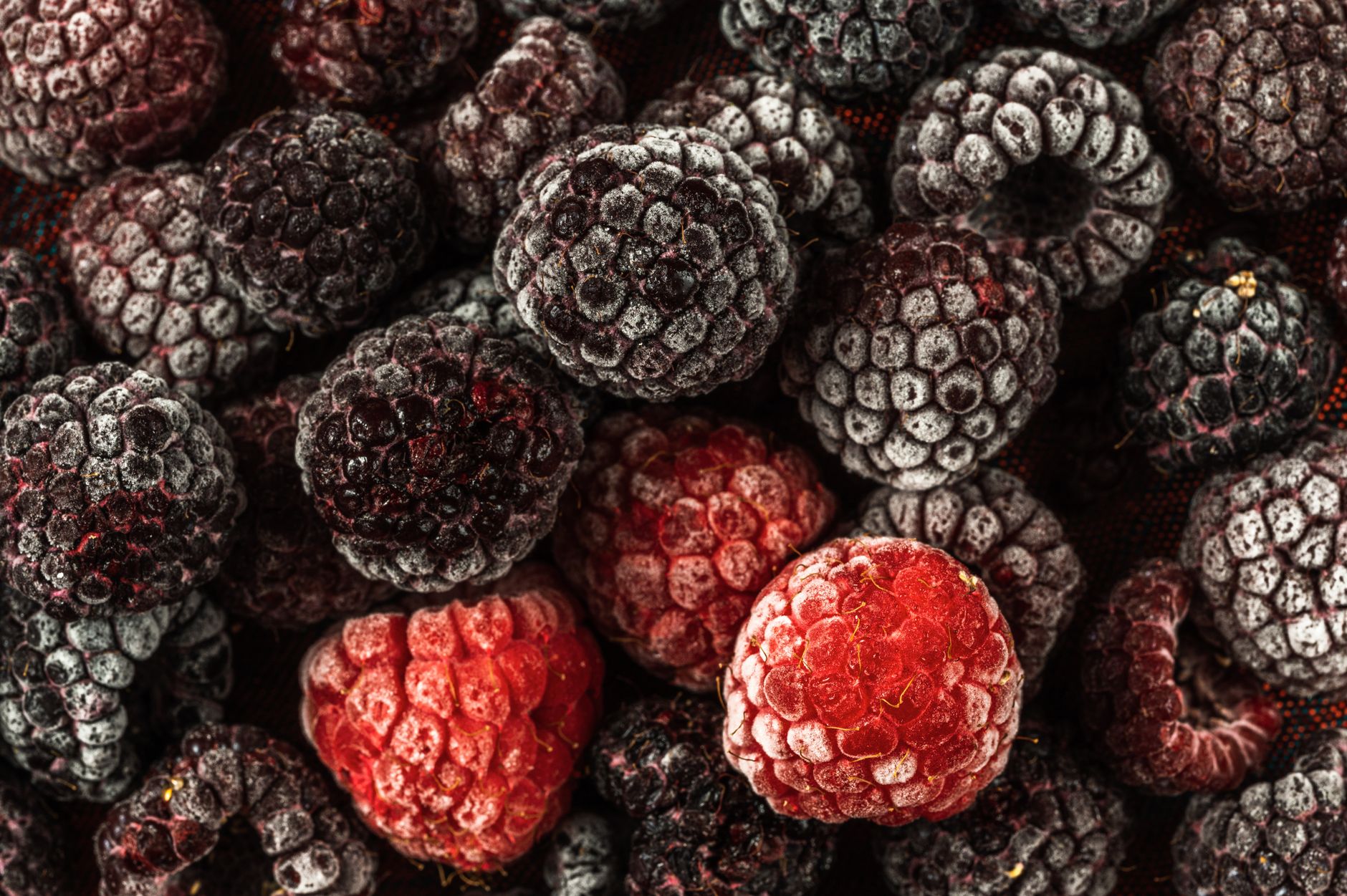
The recall primarily affected several frozen berry products sold under the Kirkland Signature brand at Costco stores. Items included mixed berries, blueberries, blackberries, and raspberry blends packaged in one to five-pound bags. These products were widely distributed across many states and sometimes linked to other brand-related frozen fruit recalls. If you still have any frozen berries purchased in 2023, its wise to double-check the packaging dates and batch numbers against official recall lists.
Frozen berries have been at the center of multiple recalls recently, so this incident tapped into a broader issue with berry contamination. The recall notice advised customers not to consume the affected products. Retailers including Costco promptly removed these from shelves, but some items might still be in household freezers.
What Caused the Recall?
The root cause was contamination with the hepatitis A virus (HAV). Hepatitis A is a liver infection primarily transmitted through ingestion of contaminated food or water. In this case, the frozen berries were suspected to have become contaminated during harvesting, processing, or packaging stages. Contamination can occur if workers carry the virus or if source farms use contaminated irrigation water.
The Centers for Disease Control and Prevention (CDC) and the Food and Drug Administration (FDA) traced the outbreaks linked to these products through patient interviews and lab tests, confirming the products were the infection source. This highlights vulnerabilities in frozen fruit safety controls and the importance of thorough supplier audits by retailers like Costco.
Health Risks
What Is Hepatitis A and How Can It Be Contracted from Frozen Fruit?
Hepatitis A is a highly contagious virus causing liver inflammation. Symptoms include fatigue, nausea, abdominal pain, jaundice, and fever, typically appearing 1550 days after exposure. The infection spreads through ingestion of contaminated food or water contaminated by fecal matter from an infected person.
Frozen fruit might seem safe because its frozen, but freezing does not kill hepatitis A. If berries are contaminated before freezing, the virus remains viable. Eating these berries raw or in smoothies without cooking can expose you to infection.
How Serious Was the Outbreak Related to Costcos Frozen Fruit?
The outbreak associated with the Costco frozen fruit recall resulted in dozens of confirmed hepatitis A cases across several states. Patients required hospitalization in some instances, though thankfully there were no fatalities reported. The cases demonstrated how a contaminated food product sold nationwide can rapidly expose thousands to health risks. Public health authorities issued warnings and worked with retailers for swift recall execution.
For families with children, elderly members, or those with compromised immune systems, the risks from such outbreaks are higher. Its a reminder that even frozen convenience foods sometimes carry hidden risks.

Food Safety Guidance
How Can You Ensure Frozen Fruit Safety at Home?
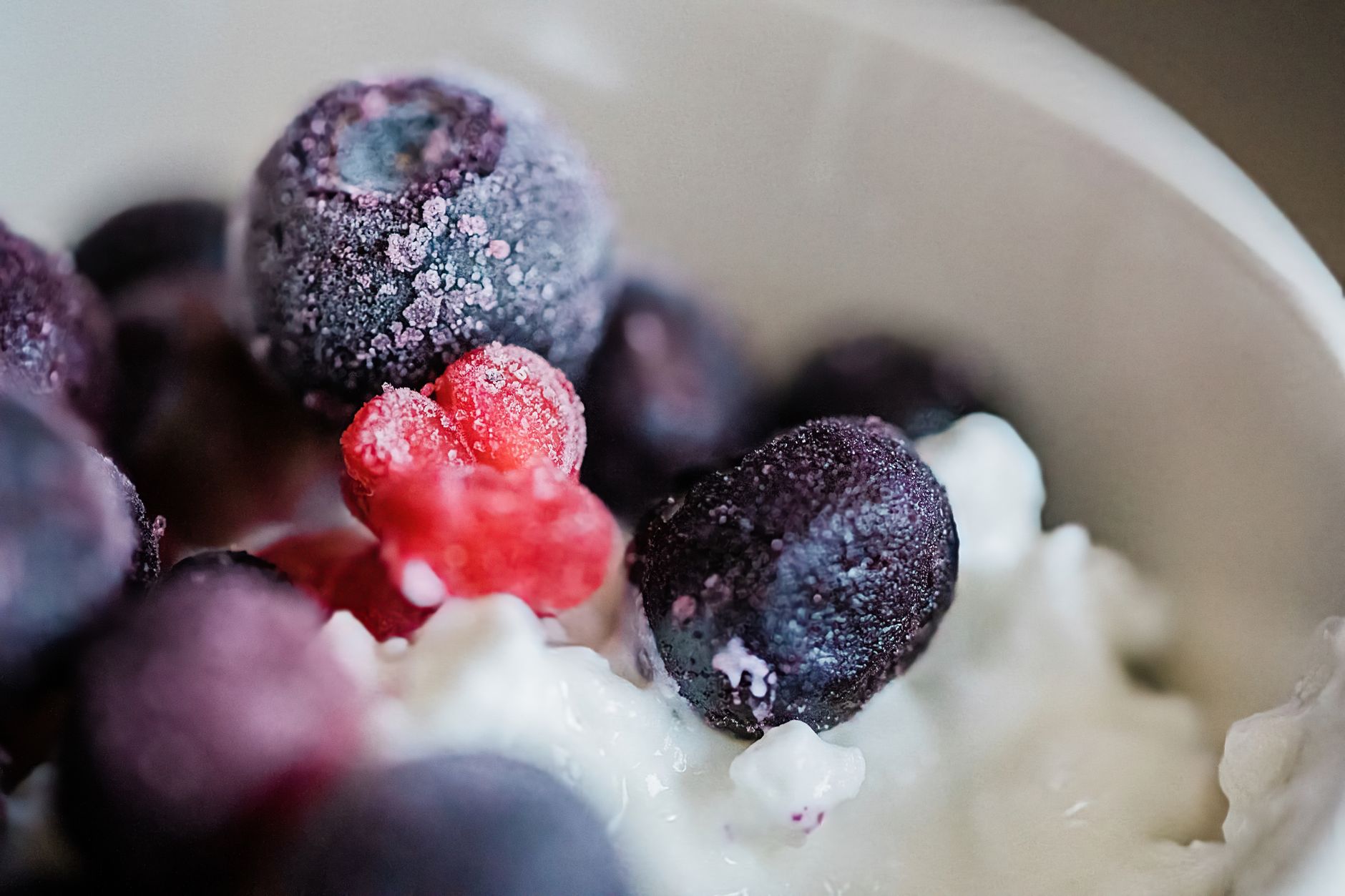
Frozen fruit can be a nutritious and Halal-friendly option for smoothies, desserts, and baking. To keep it safe, always store berries in a freezer at 0F (-18C) or below. Avoid repeated thawing and refreezing, which affects quality and safety. Before consumption, thaw frozen berries in the refrigerator overnight rather than on the counter. Consider cooking or boiling berries when possible, especially if youre unsure of the source, since heat destroys viruses like hepatitis A.
If you use frozen berries rawsay, in a smoothiewashing or rinsing after thawing can help reduce surface contaminants but may not remove viruses fully. Cooking remains the most reliable way to ensure safety for vulnerable individuals.
What Should You Do If You Bought Recalled Costco Frozen Fruit?
First, locate any frozen fruit bags matching the recalled products. Check production or packaging dates and batch codes on the packaging. Costco typically posts refund or replacement instructions on official announcements and customer service platforms.
If you or family members consumed the product and experience symptoms like jaundice, nausea, or unusual fatigue, contact your healthcare provider immediately. Hepatitis A symptoms appear weeks after exposure, so early medical advice is vital. Vaccination after exposure can reduce illness severity; check with your doctor about vaccine availability.

Helpful Contacts and Resources
- FDA Consumer Hotline: Available for product recall queries.
- CDC Hepatitis A Information Line: Guidance on symptoms and vaccine.
- Costco Customer Service: For refunds and product return instructions.
- Local health departments: For outbreak updates and testing information.
Industry Impact
How Has Costco Improved Frozen Fruit Safety Since the Recall?
In response to the recall, Costco implemented enhanced supplier audits, stricter sanitation protocols, and increased batch testing for frozen fruit contamination. The company worked closely with origin farms to verify water sources and fertilizer use comply with safe food production standards. These measures align with broader industry trends emphasizing traceability and transparency in frozen produce supply chains.
Costco continues to monitor safety through regular sampling and timely coordination with regulatory bodies. Shoppers can expect increased product labeling clarity, including production country and certification status. Notably, Halal-conscious consumers can look for intersecting certification logos like JAKIM or IFANCA on many frozen products, ensuring they meet religious requirements along with safety standards.
What Does This Mean for Future Frozen Fruit Purchases?
Frozen fruit remains a convenient, nutritious choice if you stick to trusted brands with transparent sourcing policies and certifications. Buying products with clear production dates, batch codes, and certifications can reduce risk. For Halal shoppers, choosing certified frozen fruits also assures compliance with preparation and handling principles.
Remember, cheap frozen fruit brands often cut corners on quality or safety checks. Prioritize well-known suppliers like Costco or those recommended on sites offering groceries delivered with quality assurances. Being informed and cautious protects your family while you enjoy your favorite frozen fruit snacks and recipes.
Is Costco frozen fruit actually Halalwhat should I check?
Costco frozen fruit products themselves are raw fruits and naturally Halal. However, check if the packaging displays trusted Halal certification logos such as JAKIM, HMC, or IFANCA for assurance that no cross-contamination or non-Halal additives are involved. Also, examine the ingredient list for preservatives or flavorings that may not align with Halal standards.
Can washing frozen fruit reduce contamination risk?
While washing thawed fruit can remove dirt and some surface bacteria, it does not reliably eliminate viruses like hepatitis A. Cooking frozen berries is the safest preventative measure. For smoothies or raw use, ensure the fruit source is reputable and preferably has undergone virus testing or certification.
What symptoms of hepatitis A should I watch for after eating recalled fruit?
Symptoms usually appear 2 to 6 weeks post-exposure and include fatigue, nausea, abdominal pain, jaundice (yellowing of skin/eyes), dark urine, and fever. If any symptoms appear, consult a healthcare provider promptly as vaccines or treatment may be needed.
How long do frozen berries last safely in the freezer?
Frozen berries maintain best quality for 8 to 12 months at 0F (-18C). After this, texture and flavor degrade, though the fruit remains safe if continuously frozen. Always store in airtight packaging to prevent freezer burn.
Is it safe to eat thawed frozen fruit left at room temperature?
No. Thawed fruit left out more than 2 hours can develop harmful bacteria. Always thaw in the refrigerator or under cold running water and consume promptly.
What is the most overlooked mistake when buying frozen fruit?
Many buyers overlook checking the production or expiration dates on the label. Older product may have decreased nutritional quality or undisclosed recalls. Always verify batch numbers and dates to avoid outdated or recalled items.
Does cooking wine affect food safety with frozen fruit recipes?
Using cooking wine may enhance flavors in fruit compotes or sauces but be cautious: some cooking wines contain non-Halal ingredients or high sulfites. Learn about cooking wine drawbacks to make an informed choice.
Whats the best way to buy frozen fruit for busy families?
Purchasing through trusted channels that offer groceries delivered from certified suppliers saves time and ensures product quality. Look for clear labels and Halal certification to align with dietary and safety needs.
| Certification | Price Range | Common Formats | Shelf Life | Key Allergens |
|---|---|---|---|---|
| JAKIM, IFANCA, HMC | $5$15 per bag (15 lbs) | Mixed berries, single berries, chopped fruit | 812 months frozen | Usually none; watch for cross-contamination warnings |
Most Overlooked Buying Mistake
Skipping inspections of recall notices and product batch codes is the most common error. Shoppers often trust brands blindly but always verify dates and alerts to stay safe.
Why Cheap Versions Disappoint
Budget frozen fruit brands may skimp on quality assurance or proper cold chain management, leading to higher contamination risk or poor flavor and textureimpacting both safety and enjoyment.
Expert Tip
Invest in frozen fruit from brands with rigorous third-party testing and clear certification marks. When in doubt about fresh vs. frozen, frozen fruit often retains nutrients better when quality-controlled.
More You Might Like
Explore how to enhance your Halal cooking experience while avoiding hidden pitfalls by reading about cooking wine drawbacks.
If convenience is key, consider the benefits of getting groceries delivered from certified Halal suppliers, ensuring safety and freshness.
Final Thoughts
The Costco frozen fruit recall serves as a strong reminder to stay vigilant with frozen produce choices. While frozen fruit is generally safe and healthy, contamination is a real risk. Next time you shop, remember to check labels carefully, stay informed about recalls, and follow safe handling practices at home. Your freezer can remain stocked with delicious, nourishing frozen fruit, as long as you keep these tips in mind. Feel free to share your experiences or ask questions below!
FAQs
Is Costco frozen fruit recall actually Halal — what should I check on the label?
Costco frozen fruit products are naturally Halal as raw fruits. To be sure, check the packaging for trusted Halal certification logos like JAKIM, HMC, or IFANCA and review the ingredient list for any non-Halal additives or possible cross-contamination.
How long does frozen fruit last safely in the freezer after opening?
Frozen berries remain best quality for 8 to 12 months at 0°F (-18°C). After opening, keep them sealed airtight to prevent freezer burn and consume within this timeframe for optimal safety and flavor.
What is the difference between frozen fruit and fresh fruit regarding safety?
Frozen fruit is typically picked and quickly frozen to preserve nutrients but may carry risks if contaminated before freezing. Fresh fruit can also carry pathogens but is less likely to harbor viruses like hepatitis A, which survive freezing. Proper washing and cooking reduce risks for both.
Is it safe to eat Costco frozen fruit daily after the recall?
Yes, if you buy from trusted, recall-free batches and follow proper storage and handling like thawing in the fridge and cooking when possible. Always stay updated on recall notices to avoid contaminated products.
Where can I buy safe and certified frozen fruit like those from Costco?
Purchase from reputable retailers like Costco or through certified online sellers offering clear labeling and Halal certification. Check product batch numbers, expiration dates, and confirm recall status before buying.