Storing your condiments at room temperature may be more normal than you think. The question is: which items truly need refrigeration after opening, and which can sit safely on your pantry shelf? Understanding condiments room temperature guidelines helps you avoid waste, preserve flavors, and keep your kitchen organized all while knowing your food stays safe and fresh.
Why Storage Matters
How you store condiments affects their taste, texture, and safety. Some condiments are naturally preserved due to acidity, sugar, or salt levels, while others spoil quickly at room temperature. Keeping them chilled slows bacterial growth and prevents mold. Yet, refrigeration can sometimes alter flavor or cause undesirable texture changes.
According to the USDA Food Safety and Inspection Service, storing perishable condiments like mayonnaise and dairy-based sauces in the fridge is essential. But many vinegar- or salt-based condiments last longer unrefrigerated. Knowing which category your condiments fall under helps you store them smartly.
What Affects Shelf Life at Room Temperature?
Shelf life depends on several factors:
- pH level: Lower pH (more acidic) condiments resist bacteria better.
- Preservatives: Natural or added preservatives extend storage time.
- Sugar and salt content: High amounts reduce moisture and discourage spoilage.
- Moisture: More moisture encourages microbial growth.
Are There Health Risks from Storing Condiments Unrefrigerated?
While many condiments are safe at room temperature, improper storage increases spoilage risk and bacterial contamination. Signs like off odor, mold growth, or texture changes mean its time to toss. Always follow the use by dates and pay attention to conditionswarm, humid pantries accelerate spoilage.
For halal consumers, its equally vital to ensure packaging seals are intact and that products carry recognized halal certifications like JAKIM or HMC to guarantee safe, religiously compliant handling throughout storage.
9 Condiments Safe at Room Temperature
Here are nine common condiments you can keep in your pantry without worrying about spoilage, provided theyre sealed tightly and used within recommended times.
1. Honey
Honey is a natural wonder its antimicrobial and practically immortal. Its low moisture and acidic pH keep bacteria at bay. So, honey safely thrives at room temperature, stored in a cool, dry pantry spot.
However, honey crystallizes when chilled a texture change, not spoilage. Warm your jar in a bowl of warm water (not boiling) if you prefer liquid honey again.

2. Coconut Oil
Coconut oil stays solid or liquid depending on room temperature but doesnt spoil easily. It has natural antioxidants and resists rancidity if kept sealed away from heat and light.
Use sterile spoons to scoop and keep the lid tight. Store between 20-24C (68-75F) for best consistency.
3. Certain Jams and Jellies
High-sugar commercial jams and jellies inhibit microbial growth, making them shelf-stable even after opening. However, homemade or low-sugar varieties need refrigeration to avoid spoilage.
Store sealed jars in a cool, dark pantry. Once opened, consume within 6 months. Look for sugar content above 65% for longer unrefrigerated life.
4. Some Peanut Butters
Most commercial peanut butters with added stabilizers can stay at room temperature for months. Natural peanut butter, with no preservatives, may separate oil and can go rancid faster if unrefrigerated.
To keep it fresh, mix well after stirring oil back in and store in a cool place. Shelf life varies from 3 to 6 months once opened.
5. Most Types of Vinegar
Vinegar is naturally antimicrobial thanks to acetic acid, making it an excellent preservative and shelf-stable condiment. Types such as white, apple cider, and malt vinegar maintain quality at room temperature indefinitely.
Keep bottles tightly closed and store away from direct sunlight to preserve flavor intensity.
6. Ghee (Clarified Butter)
Due to its lack of milk solids and moisture, ghee resists bacterial growth and lasts several months unrefrigerated. Ensure your ghee jar stays sealed and is consumed within 36 months once opened.
Store in a dry, dark pantry under 25C (77F). For long-term storage beyond 6 months, refrigeration is better.
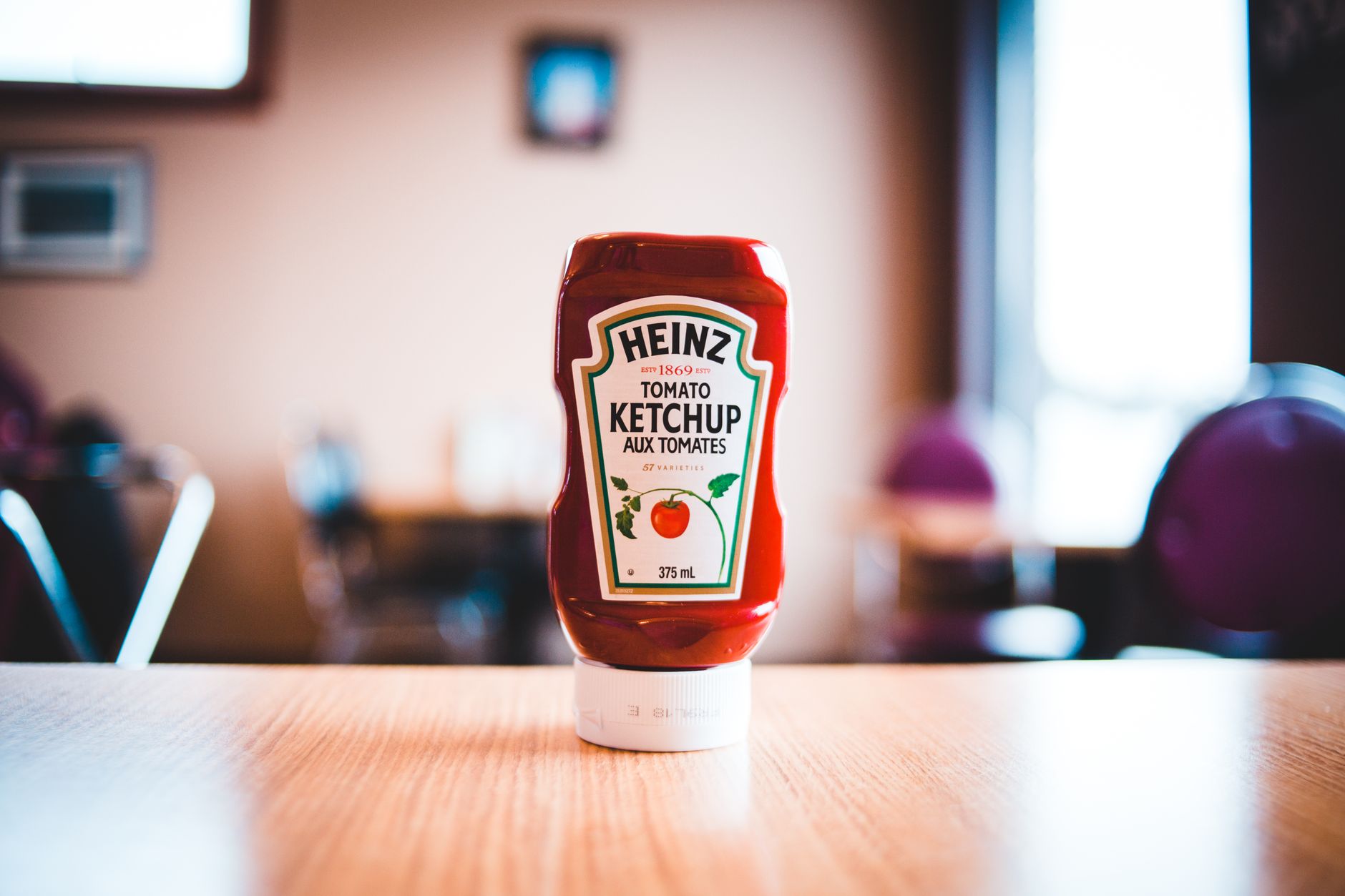
7. Commercially Bottled Ketchup (If Used Quickly)
Ketchup recipes usually have vinegar, sugar, and preservatives allowing safe storage out of the fridge for up to one month after opening if used frequently. For longer freshnessespecially in warmer climatesrefrigeration is prudent.
8. Most Hot Sauces
Many hot sauces contain vinegar and salt, both natural preservatives that protect against spoilage. These sauces can last 6 months to a year at room temperature.
Refrigerate only to maintain flavor depth, especially for milder sauces. Always check ingredients and packaging for storage recommendations.
9. Soy Sauce
Soy sauces high salt content ensures shelf stability. Once opened, it can remain in the pantry up to 1 year. Refrigeration preserves flavor for longer, but its not strictly necessary.
Buy halal-certified soy sauce if required, looking for trusted logos such as IFANCA or JAKIM.
Condiment Storage Summary
| Condiment | Store at Room Temp? | Refrigerate? | Typical Shelf Life (Opened) | Notes |
|---|---|---|---|---|
| Honey | Yes | No | Up to 2 years | Crystallizes over time |
| Coconut Oil | Yes | No | 1 year | Solidifies when cold |
| Jams/Jellies (Commercial) | Some types yes | Recommended (Homemade) | 6 months | Check sugar content |
| Peanut Butter | Most types yes | Optional for natural | 36 months | Oil separation common |
| Vinegar | Yes | No | Indefinite | Preserves well |
| Ghee | Yes (quick use) | Optional | 36 months | Store airtight |
| Ketchup (Commercial) | Yes (if quick use) | Recommended | 1 month | Use before expiration |
| Hot Sauce | Yes | Optional | 6 months1 year | High acid prevents spoilage |
| Soy Sauce | Yes | Optional | 1 year | Salt preserves flavor |
Storing Condiments in Your Pantry
When storing condiments at room temperature, keep these expert tips in mind to maximize freshness and avoid contamination.
- Organize for access: Place frequently used condiments at the front so they dont sit opened for too long.
- Clean utensils: Always use clean, dry spoons or spreaders to prevent introducing bacteria.
- Check environment: Pantry temperature should ideally stay below 25C (77F) with low humidity.
- Seal tightly: Air exposure speeds degradationmake sure lids are closed firmly.
- In humid climates, refrigeration may still be the safer option despite shelf stability.
- For halal consumers, look for storage recommendations on labels with JAKIM, HMC, or IFANCA certification to ensure product integrity.
If you want a handy reference on where to store key cooking ingredients like salt, check out this Salt cellar guide to keep your pantry perfectly organized.
Refrigeration Myths Debunked
Many believe all opened condiments must chill in the fridge. This isnt true for all. For example, honey stored in the fridge crystallizes faster and thickens undesirably. Vinegar and soy sauce lose some flavor complexity with cold storage.
Another myth says room temperature storage dramatically shortens shelf life. In reality, as long as the product is properly sealed and stored in a cool, dry spot, many condiments remain safe and tasty for months.
Experiment with your pantry while minding specific product guidelines and your local climate. This approach balances convenience without risking food safety.
Is storing ketchup at room temperature safe?
Commercially bottled ketchup usually contains vinegar, sugar, and preservatives, allowing it to stay safe for about 1 month at room temperature once opened if used frequently. However, refrigeration is recommended to extend freshness, especially in warmer environments.
When should I refrigerate natural peanut butter?
Natural peanut butter, without preservatives, should be refrigerated after opening to prevent oil separation and rancidity. If stored at room temperature, consume within 3 months for best quality.
Can I keep homemade jam without refrigeration?
Homemade jams, especially low-sugar versions, need refrigeration after opening because they lack enough preservatives to inhibit bacterial growth. Consume within 24 weeks refrigerated.
Does refrigeration affect soy sauce flavor?
Refrigerating soy sauce helps preserve its flavor longer, but room temperature storage is safe and common. If you notice flavor dulling at room temp after extended time, refrigeration may help.
Are condiments with preservatives halal?
Many commercially produced condiments with preservatives can be halal if certified. Look for trusted halal logos like JAKIM, HMC, or IFANCA on the label to ensure compliance with dietary laws.
How long does ghee last at room temperature?
Opened ghee stored airtight in a cool, dark pantry lasts about 36 months at room temperature. Refrigeration can extend this, but may harden the texture.
What signs show a condiment has spoiled?
Look for mold growth, off smells, color changes, or bubbling inside the jar. If any of these occur, discard immediately to avoid foodborne illness.
Expert Tips for Freshness
- Don‘t rush to refrigerate: Some condiments benefit from room temperature storage for flavor like honey and vinegar-based sauces.
- Avoid cheap versions: Lower-quality condiments often lack preservatives or have inconsistent pH, shortening safe room-temp storage.
- One expert tip: Keep a temperature log of your pantry if possible. Many spoilage issues start with fluctuating temperatures especially in tropical climates.
- Trust your senses: Smell and visual inspection can catch spoiled condiments before they cause harm.
For smart kitchen management, knowing how to peel potatoes cooking properly will also help you prepare meals quickly and cleanly alongside your condiments.
More You Might Like
- Discover best halal-certified dairy products to complement your meals.
- Explore easy halal snack recipes to enjoy with your favorite condiments.
- Learn how to spot authentic halal-certified meat for quality assurance.
Conclusion
Not all condiments need refrigeration. Many, including honey, vinegar, and soy sauce, can safely be stored at room temperature, preserving flavor and saving fridge space. The key is understanding each condiments ingredients and storage needs, then following manufacturer recommendations. Next time you shop, check the label for halal certification and storage tips, then organize your pantry for freshness and convenience. If you have a favorite condiment you keep on the countertop, share your tips or questions below!
FAQs
Is condiments room temperature actually Halal — what should I check on the label?
Many condiments stored at room temperature can be halal if properly certified. Look for recognized halal logos such as JAKIM, HMC, or IFANCA on packaging to ensure compliance with dietary laws and safe handling.
How long can condiments be kept at room temperature after opening?
Shelf life varies: honey can last up to 2 years, vinegar and soy sauce up to 1 year, while ketchup is safe for about 1 month if used quickly. Always follow manufacturer guidelines and watch for spoilage signs.
What is the difference between storing condiments at room temperature versus refrigeration?
Room temperature storage preserves flavor for acidic and high-sugar condiments but may shorten shelf life for dairy or preservative-free items. Refrigeration slows spoilage but can change texture or taste.
Are condiments safe to consume daily when stored at room temperature?
Yes, as long as condiments are sealed tightly, stored in a cool, dry place, and show no signs of spoilage like mold or off smells, daily use is safe. Clean utensils should always be used to avoid contamination.
Where can I buy halal-certified condiments suitable for room temperature storage?
Halal-certified condiments are available in specialty halal grocery stores, some mainstream supermarkets, and online retailers. Always check for certification logos like JAKIM, HMC, or IFANCA on product labels to confirm.