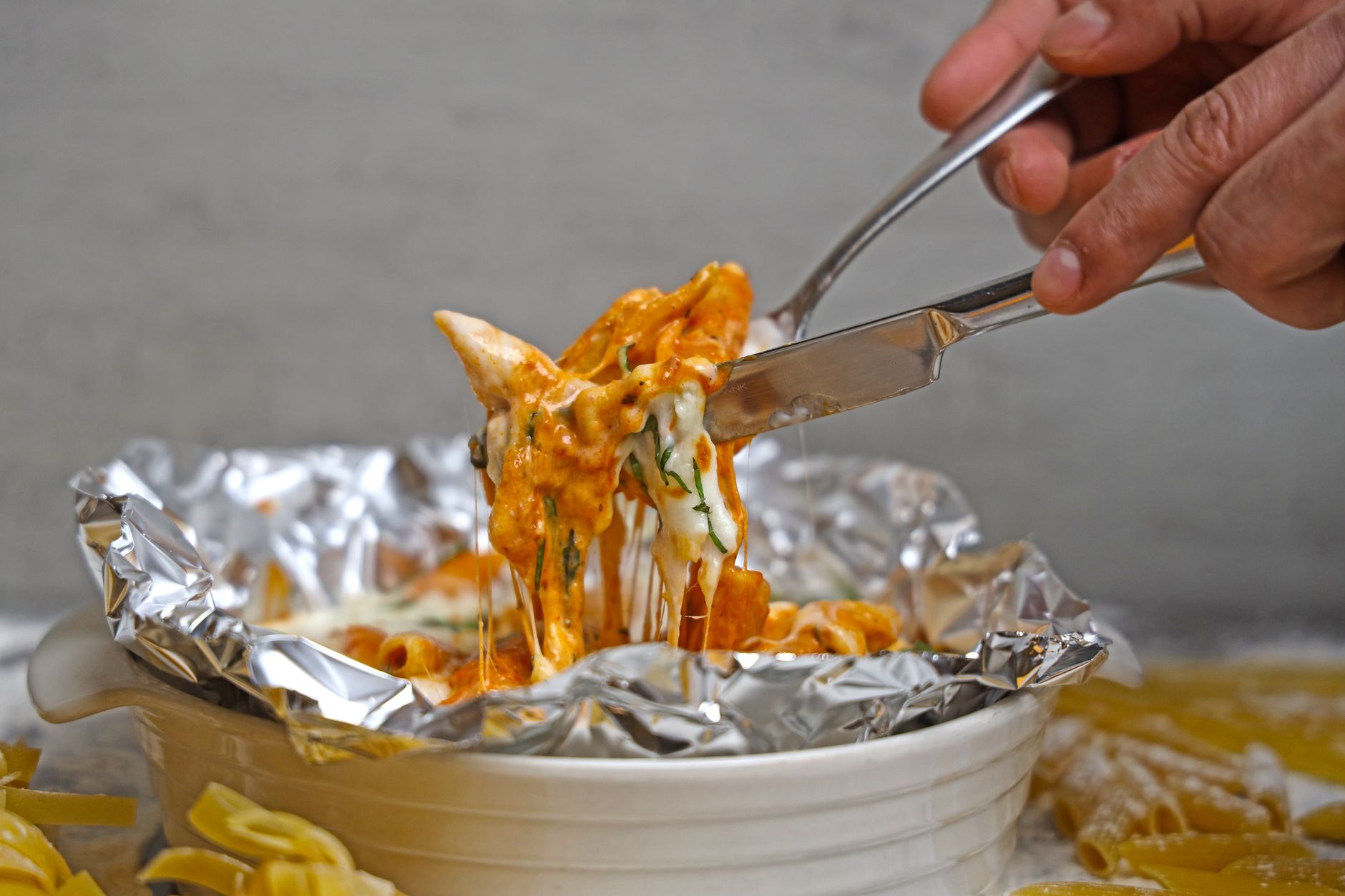
Finding gluten free pasta that tastes good and holds together during cooking can be tricky. Many brands fail to match the texture and flavor of traditional pasta, leaving you with a meal thats either mushy or crumbly. Whether you avoid gluten for health or dietary reasons, this guide will help you navigate the dozens of options available. Youll learn how to spot quality gluten free pasta on the label, discover top brands ranked from worst to best, and get expert cooking tips so you can enjoy perfectly tender noodles every time.
Ranking Criteria
How We Rated Gluten Free Pasta
Choosing the best gluten free pasta requires careful attention to several key features. Our rankings focus on:
- Texture and Mouthfeel: Does the pasta hold its shape? Is it al dente or mushy? Smooth or gritty?
- Taste and Aroma: How closely does it mimic traditional wheat pasta? Any off-flavors?
- Ingredient Quality and Transparency: Are ingredients simple and recognizable? Any artificial additives?
- Price and Availability: Is it accessible and affordable for everyday use?
Expert Insights on Pasta Quality
Food scientists highlight that gluten is responsible for pastas elasticity and chew. Without it, manufacturers rely on grains like rice, corn, quinoa, or legumes, each bringing unique taste and texture challenges. Certified Halal pasta should also meet JAKIM or IFANCA standards, ensuring halal-compliant ingredients and processing methods.
Hands-On Testing
We cooked and tasted each brand multiple times, observing how well they held up in typical dishes like spaghetti Bolognese or creamy Alfredo. Personal feedback from gluten-sensitive testers also helped validate these rankings.
Gluten Free Pasta Brands Ranked
9. Molisana
Molisana‘s gluten free line suffers from a grainy texture and tends to become mushy quickly. Its flavor is bland with slight aftertastes from corn starch fillers. Best for very saucy recipes where texture matters less.
8. La Veneziane
The packaging emphasizes simplicity, but the aroma is faint and taste underwhelmingsome find it slightly chalky. Uses mostly rice flour with minor legume blends. Customers appreciate the Halal certification but note inconsistent cooking times.
7. Garofalo
Garofalo gluten free pasta ranks better for flavor, resembling traditional pasta with mild wheat-like notes. Texture is firmer but can be prone to breaking if overcooked. Offers decent nutritional value and is Halal-certified for peace of mind.
6. Rummo
Rummo delivers a pleasant, slightly nutty taste thanks to quinoa flour inclusion. Its pasta cooks evenly and resists becoming mushy, making it versatile for many dishes. Cooking time is a touch longer but worth the wait.
5. Barilla
Barilla is widely available and affordable. Its gluten free pasta is made mainly from corn and rice but falls midway on textureoften slightly soft if boiled a minute too long. A solid everyday choice with Halal certification clearly displayed.
4. Campofilone
Artisan-style pasta with superior taste and bite. It uses a blend of rice and chickpea flour, giving it a richer mouthfeel and enhanced protein content. Cooking requires attention to timing but yields rewarding results, suitable for lighter sauces.
3. Catelli
Catelli scores high for texture stability in creamy sauces. Its pasta holds up well without sticking or clumping. Certified gluten free with clean labels, it appeals to health-conscious consumers who want consistency and clear Halal certification.
2. Maidea
Maidea boasts carefully sourced ingredients, with organic brown rice and legumes. Taste tests highlight a mild, buttery flavor with a pleasantly firm chew. Perfect for those balancing nutrition and taste. Slightly pricier but worth it for Halal-conscious shoppers.
1. Felicetti
The top spot goes to Felicetti. This pasta best mimics the traditional texture and flavor, thanks to a proprietary blend including buckwheat and corn. It cooks evenly without sticky or gummy results. Ideal for any recipe from spaghetti to baked ziti. Widely Halal-certified and priced competitively, its a reliable choice.

Gluten Free Pasta Texture
Role of Gluten in Pasta
Gluten forms a network of proteins that trap water and air, providing elasticity and chewiness in pasta. Without gluten, dough can become crumbly or sticky. Thats why gluten free pasta tends to vary widely in texture depending on the alternative grains used.
Common Ingredients and Effects
Rice flour is neutral but can lead to chalkiness. Corn adds sweetness but may cause a firmer bite. Chickpeas and legumes boost protein, improving texture but sometimes add an earthy flavor. Quinoa offers nuttiness and good texture but can be pricier.
Cooking Tips for Best Results
- Use plenty of well-salted water to prevent sticking.
- Boil gluten free pasta for the minimum recommended time, usually 7-9 minutes.
- Stir pasta gently but frequently to avoid clumping.
- Rinse cooked pasta in cold water to stop cooking and firm up texture when serving cold dishes.
Health Benefits & Risks
Health Benefits
Gluten free pasta is essential for those with celiac disease or gluten sensitivity. It prevents adverse reactions like digestive upset and inflammation. Many brands also offer higher protein or fiber content when using legume flours.
Nutritional Differences
Compared to regular pasta, gluten free options may have slightly higher carbs and fewer whole grains, depending on the base ingredient. Always check nutrition labelssome varieties incorporate healthier ancient grains or seeds.
Potential Downsides
Not all gluten free pastas are equalsome can be highly processed or contain additives. Beware of products with high sodium or hidden allergens like egg or dairy if you follow strict diets. Portion control is key as calorie content can be similar or higher than wheat pasta.
Balancing Your Diet
Pair gluten free pasta with fresh vegetables, lean proteins, and healthy fats for a well-rounded meal. Rotate different grain types to maximize nutrient diversity and maintain a balanced Halal diet compliant with JAKIM or IFANCA supervision.
Buying Guide & Label Reading
| Certification | Price Range | Common Formats | Shelf Life | Key Allergens |
|---|---|---|---|---|
| JAKIM, IFANCA | $3$7 per pack | Spaghetti, penne, fusilli | 1218 months unopened | May contain egg, soy, or dairy (check label) |
How to Read Gluten Free Pasta Labels
Look for the gluten free logo and official halal certification marks (JAKIM, HMC, IFANCA). Check the ingredient list; simple labels with rice, corn, quinoa, or legume flours are preferable. Avoid products with additives like xanthan gum if you want clean labels.
Watch sodium contentit should be under 200mg per serving. Beware of added sugars or artificial flavors. Check for allergen declarations especially if youre avoiding eggs or dairy. The order of ingredients matters: the first few listed will dominate taste and texture.
Where to Buy
Gluten free pasta is increasingly available in supermarkets and specialty halal stores. For a wider selection, online platforms often provide detailed product info and certification evidence. Consider checking local halal markets to verify Halal status before purchasing.

Expert Buying Tips
The most overlooked mistake is buying cheap gluten free pasta that uses low-quality fillers. These tend to break apart or get mushy easily. Investing a little more pays off in taste and cooking reliability.
Also, follow cooking instructions precisely. Overcooking ruins texture faster with gluten free pasta than traditional. If you enjoy creamy sauces, you might find brands like Catelli or Maidea hold up best.
One Pro Tip
After draining, toss hot gluten free pasta with a teaspoon of olive oil to prevent sticking. This simple hack enhances texture and preserves flavor, especially when preparing dishes in advance.
Related Reads
Explore easy substitutions with our Worcestershire sauce substitute guide to avoid hidden gluten. For creamy pasta options, check out our list of Best foods mayonnaise that pair well with gluten free meals.
Is gluten free pasta actually Halal what should I check?
To confirm a gluten free pasta is Halal, look for certification logos from recognized bodies such as JAKIM, HMC, or IFANCA on the packaging. These ensure no forbidden ingredients or cross-contamination in production. Ingredients like gelatin or enzymes should also be Halal-compliant.
Can gluten free pasta be part of a healthy diet?
Yes, when paired with vegetables, lean proteins, and healthy fats, gluten free pasta can fit into a balanced diet. Opt for whole grain or legume-based options to boost fiber and protein intake.
How long does gluten free pasta last once opened?
Unopened gluten free pasta lasts 1218 months. After opening, store in airtight containers in a cool, dry place and use within 6 months to retain freshness and avoid pest contamination.
Is cooking time different than regular pasta?
Yes, gluten free pasta usually cooks faster, around 79 minutes instead of 1012. Follow package instructions closely and test regularly to avoid overcooking.
Can I freeze cooked gluten free pasta?
Cooked pasta can be frozen but tends to be softer after reheating. To freeze, rinse with cold water after cooking, drain well, and store in airtight containers for up to 1 month.
What sauces go best with gluten free pasta?
Light tomato-based or olive oil sauces complement gluten free pasta well. Creamy sauces also work if the pasta brand holds its shape. Avoid heavy, greasy sauces that weigh down softer noodles.
Are all gluten free pastas vegan?
Not always. Some contain egg or dairy to improve texture. Always verify ingredients and Halal certification if you require vegan compliance alongside gluten free.
Conclusion
Gluten free pasta varies widely in texture, flavor, and quality. Choosing the right brand means checking halal certification and ingredient labels carefully to suit your taste and dietary needs. Armed with this guide and cooking tips, you can enjoy satisfying gluten free meals without compromise. Next time you shop, take a closer look at the packaging and try a new brandyou might find your favorite pasta yet. Feel free to share your own recommendations or experiences in the comments!
FAQs
Is gluten free pasta actually Halal — what should I check on the label?
To confirm gluten free pasta is Halal, look for certification logos from recognized bodies like JAKIM, HMC, or IFANCA on the packaging. These ensure ingredients and processing methods follow halal guidelines and prevent contamination with forbidden substances.
How long does gluten free pasta last once opened?
Unopened gluten free pasta can last 12 to 18 months. After opening, store it in airtight containers in a cool, dry place and use within 6 months to maintain freshness and prevent pests.
Is cooking gluten free pasta different from regular pasta?
Yes, gluten free pasta generally cooks faster, typically 7 to 9 minutes versus 10 to 12 minutes for wheat pasta. It’s important to follow package instructions and avoid overcooking to keep the best texture.
Can I eat gluten free pasta daily and is it safe?
Gluten free pasta is safe for daily consumption, especially for those with celiac disease or gluten sensitivity. For a balanced diet, choose options with whole grains or legumes and pair pasta with vegetables and lean proteins.
Where can I buy quality gluten free pasta?
Gluten free pasta is widely available in supermarkets, specialty halal stores, and online. Check product labels for halal certification and ingredient quality to ensure you select trusted brands.