Making homemade butter might seem like a chore, but once you try it, youll appreciate the fresh, creamy taste and satisfying process. Homemade butter, crafted from fresh cream, gives you full control over ingredients, flavor, and texture, making it a wholesome alternative to many packaged products. Whether you want to keep it plain or add salt and herbs, learning how to churn butter at home connects you to this classic dairy tradition.
What Is Butter?
What Exactly Is Homemade Butter?
Homemade butter is plain cream transformed into solid butterfat through a simple churning process. When you shake or beat heavy cream vigorously, the fat globules clump together, separating from the liquid portion called buttermilk. This method contrasts with store-bought butter, which typically undergoes pasteurization, homogenization, and may contain additives or preservatives. The homemade version is fresh, free from artificial ingredients, and carries a rich dairy flavor that cant be beaten.
Why Choose Homemade Butter?
Benefits Over Store-Bought Butter
Freshly churned homemade butter offers a clean, vibrant taste that store-bought brands often miss. You control the ingredientsno preservatives, no unwanted additives, and you can decide on the salt content or leave it unsalted for baking. Health-wise, the ability to limit salt is significant for a balanced diet. Plus, making butter at home connects you with traditional food skillssomething many modern kitchens miss.
Risks and Considerations
Homemade butter is highly perishable compared to commercial versions. You must keep equipment sterile to avoid contamination because dairy is prone to bacterial growth. Homemade butters shelf life is shorterusually about 5 to 7 days refrigerated in a sealed container. It can also be messy and slightly time-consuming if you churn by hand. However, embracing these small challenges often leads to greater satisfaction with the final product.
How to Make Butter at Home
Ingredients and Tools Needed
All you need is fresh heavy creampreferably Halal-certified if that aligns with your dietary needsand optionally, salt for seasoning. For tools, a mason jar works perfectly if you prefer shaking by hand. Alternatively, a stand mixer or electric hand mixer speeds up churning. A fine-mesh strainer or cheesecloth helps to separate buttermilk, and a bowl for washing the butter is helpful.
| Ingredient | Recommended Quantity |
|---|---|
| Heavy cream (at least 35% fat) | 12 cups |
| Optional salt (fine sea salt) | 1/4 teaspoon per cup of butter |
Step-by-Step Churning Process
Begin by ensuring the cream is cold but not straight from the fridgea temperature around 60F (16C) encourages good butter formation. Pour the cream into your chosen container. If shaking in a mason jar, seal tightly and shake vigorously for about 812 minutes. Youll notice the cream thickening, turning whipped, and then separating as butterfat clumps form while buttermilk separates.
Using a mixer, whip the cream on medium-high speed for 47 minutes. Watch carefully for large lumps or golden solid masses starting to appear. Once butter forms, pour off the buttermilk (save it for recipes), and transfer butter to a bowl.
Troubleshooting Butter Formation
If the cream is not separating after 10 minutes of shaking or mixing, warming the cream an extra 5F (from cold room temperature) often helps. Sometimes ultra-pasteurized cream resists forming butter quickly; in this case, try a fresh, lightly pasteurized cream without stabilizers. Dont overbeat, or the butter can become too soft or greasy.
Washing and Storing Butter
Rinse the butter under cold water, pressing gently with a spatula or clean hands to squeeze out remaining buttermilk. Removing buttermilk helps extend shelf life and keeps butter fresh longer. For salted butter, gently mix in the salt at this stage.
Wrap the butter in parchment or store it in an airtight container. Homemade butter lasts up to 7 days refrigerated at 4C (39F) and freezes well for up to 3 months. Thaw frozen butter in the refrigerator to maintain texture and freshness.
Using Buttermilk Leftover
Drinking and Cooking with Buttermilk
The buttermilk leftover after making butter is nutritious and tangy, with probiotics and vitamins. It has fewer calories than milk and is an excellent base for smoothies or refreshing drinks. Drinking homemade buttermilk is popular across many cultures, but if youre unsure, test a small amount first for tolerance.
Recipes with Buttermilk
Buttermilk is a classic ingredient in baking biscuits, pancakes, and cakes, offering tenderness and a slight tang. It also makes excellent marinades for meats or tangy salad dressings. Storing buttermilk properly extends its usabilitykeep it refrigerated and use within 3 to 5 days.
Signs of Spoilage
Homemade buttermilk typically lasts less than store-bought versions because it lacks preservatives. Signs of spoilage include an off smell, thick clumps larger than normal, or mold growth. When in doubt, discard it to avoid foodborne illnesses.
Butter Among Homemade Dairy
Comparing with Yogurt and Cheese
Butter is one of the simplest dairy projects to start at home while yogurt, cream cheese, and kefir require specific cultures or starter bacteria. Butter focuses on mechanical separation of fat, whereas others involve fermentation. If you want to explore more, after mastering butter, try making your own yogurt or cheese.
If you want tips on safely freezing delicate dairy products, check out this guide to Freeze cream cheese.
Why Beginners Prefer Butter
Butter requires only cream and a bit of elbow grease or a mixer. Its forgiving, fast, and delivers tasty results quickly. This makes it a favorite for anyone beginning homemade dairy adventures.
Tips & Expertise
Expert Butter Advice
Food scientists stress that cream quality defines butter quality. Fresh, minimally processed cream yields creamier, more flavorful butter, as confirmed by studies shared by the American Dairy Science Association. Choose Halal-certified cream brands showing logos from JAKIM, HMC, or IFANCA to ensure compliance with dietary standards and traceability.
Personal Experience and Tricks
My first batch took longer than expected and was wetter than I liked. Patience and rinsing butter thoroughly made the difference. Using cold water during washing keeps the butter firm, especially in warmer climates. Try adding fresh herbs or garlic for flavored butter once you get comfortable.

Managing Expectations
Dont expect store-bought uniformity and longevity. Homemade butter is best enjoyed fresh. Experiment and learnits part of the charm and makes each batch unique.
Milk Quality & Label Reading
What to Check on Cream Labels
Look for cream indicating fat content above 35%. Avoid ultra-pasteurized creams with stabilizers marked as ultra-pasteurized or UHT, which slow butter formation. Certified Halal logos such as JAKIM or HMC ensure the cream matches your dietary sensibilities. Check the ingredient list for only cream and optional natural additivesavoid artificial flavors or preservatives.
If you want guidance on reading dairy labels to understand nutritional content and certifications better, you may find this Milk nutrition label explanation useful.
| Certification | Price Range | Common Formats | Shelf Life | Key Allergens |
|---|---|---|---|---|
| JAKIM, HMC, IFANCA | $36 per pint | Heavy Cream in cartons or bottles | Refrigerated 710 days unopened | Milk (Dairy) |
Pro Tips
The most overlooked mistake is using ultra-pasteurized creamopt for fresh or pasteurized only. Cheap creams often have additives that prevent butter from forming well. One expert tip: warm your cream slightly before churning to simulate the old-fashioned cream temperature, encouraging faster butter clumping.
More You Might Like
Try expanding your homemade dairy skills with recipes beyond butter, like easy Freeze cream cheese to preserve homemade fresh cheese longer.
Or learn how to decode the Milk nutrition labelunderstanding dairy labels helps when selecting ingredients for fresh homemade butter and other products.
When is the best time to eat/drink homemade butter?
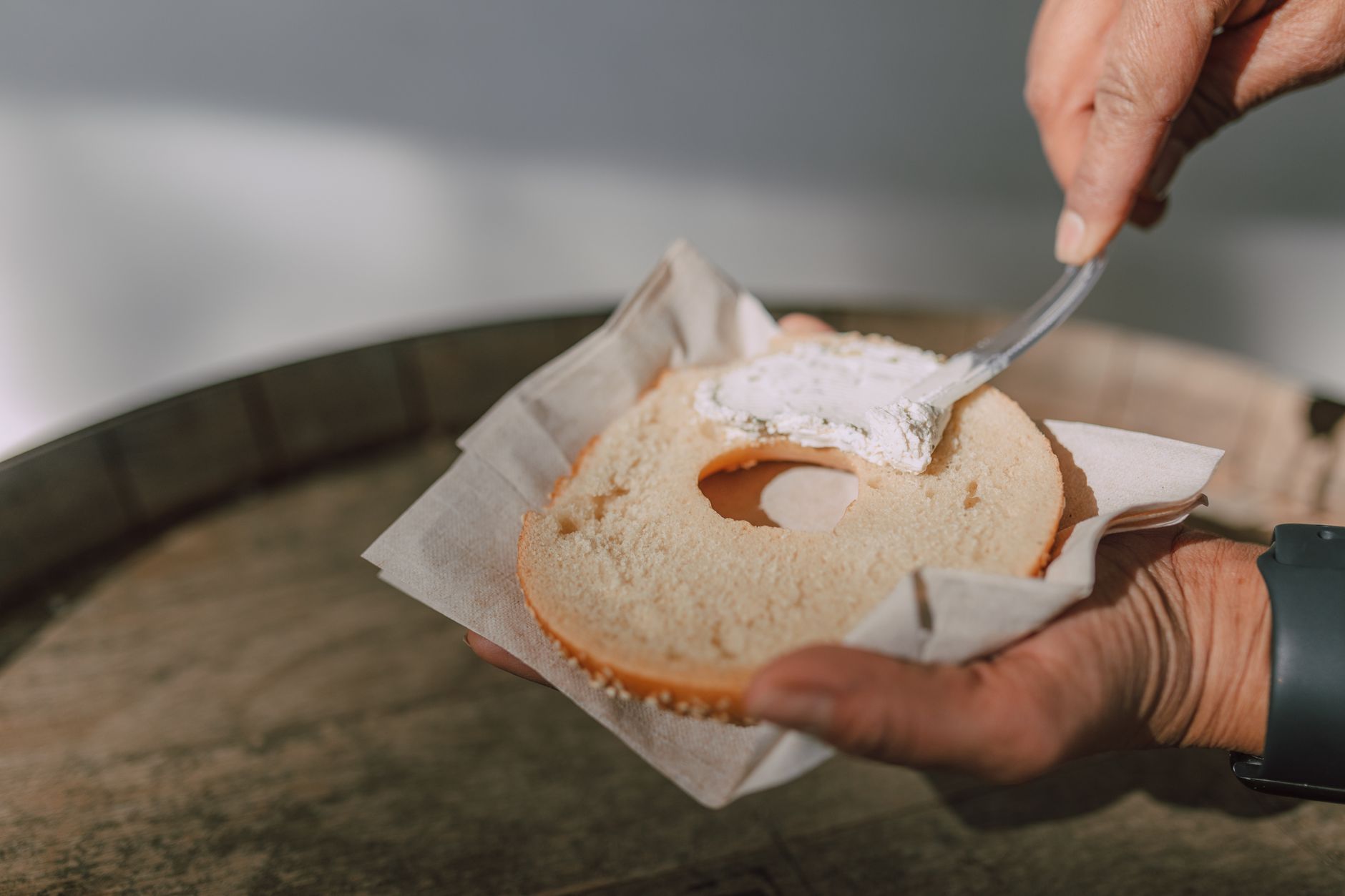
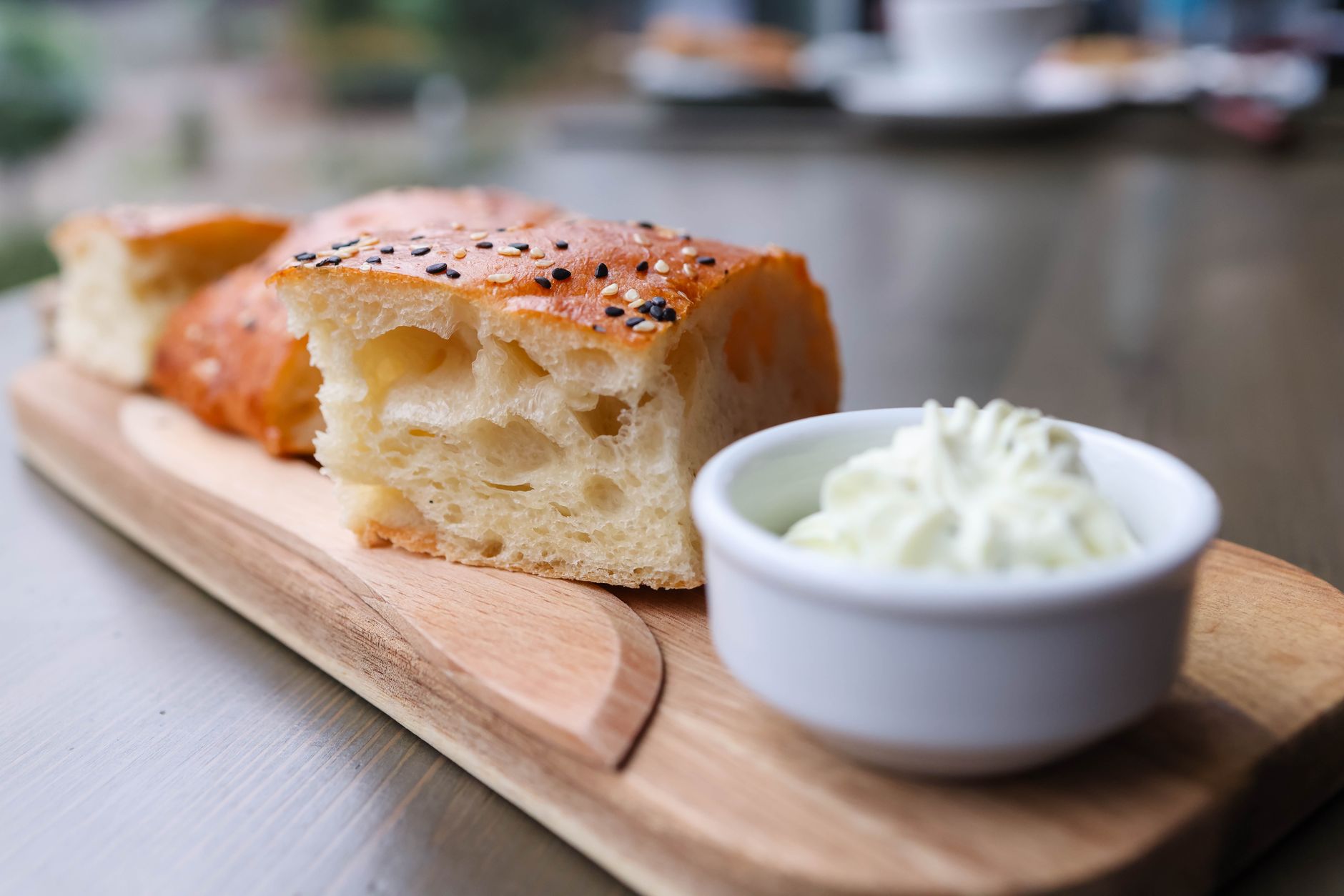
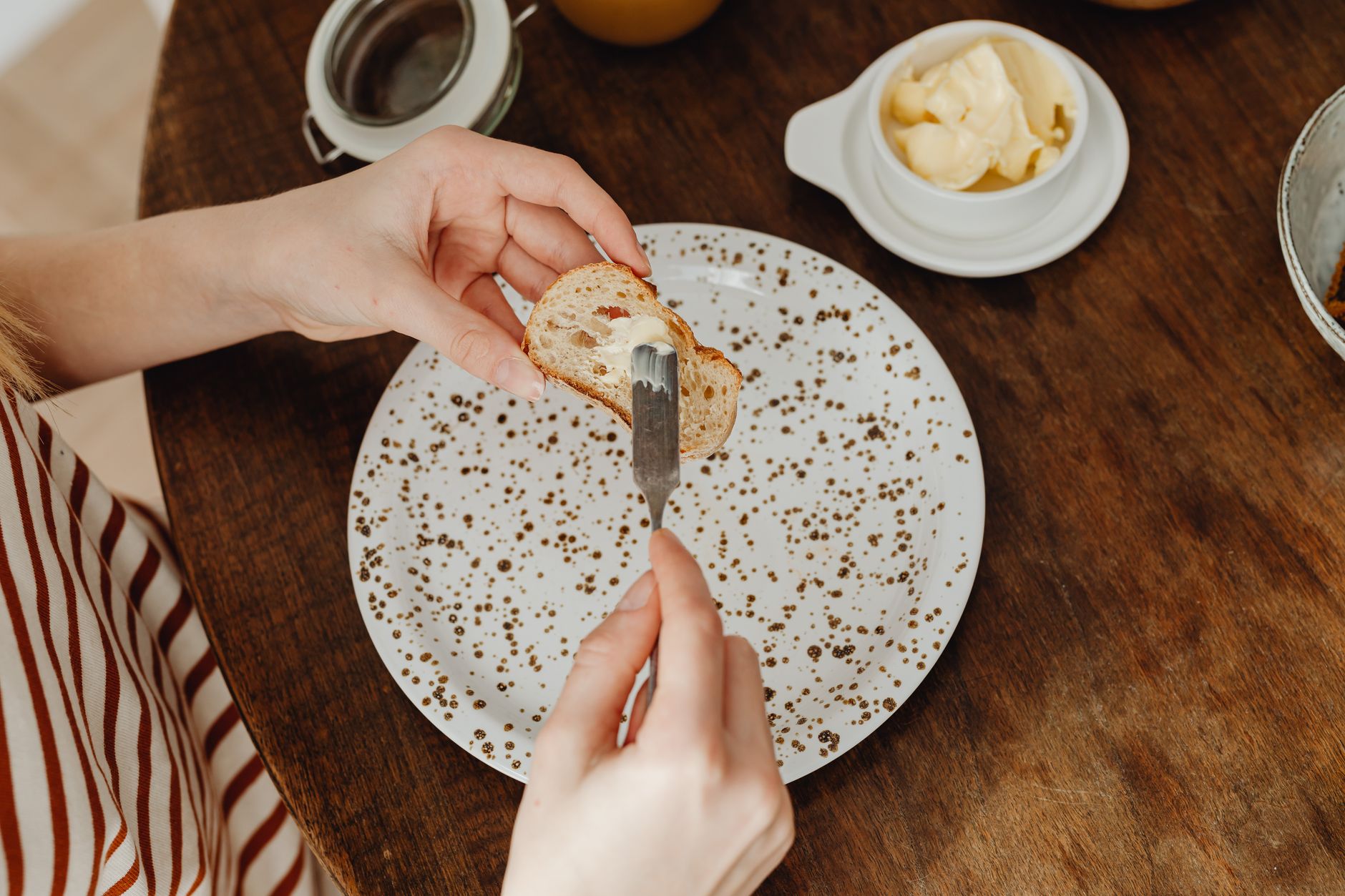
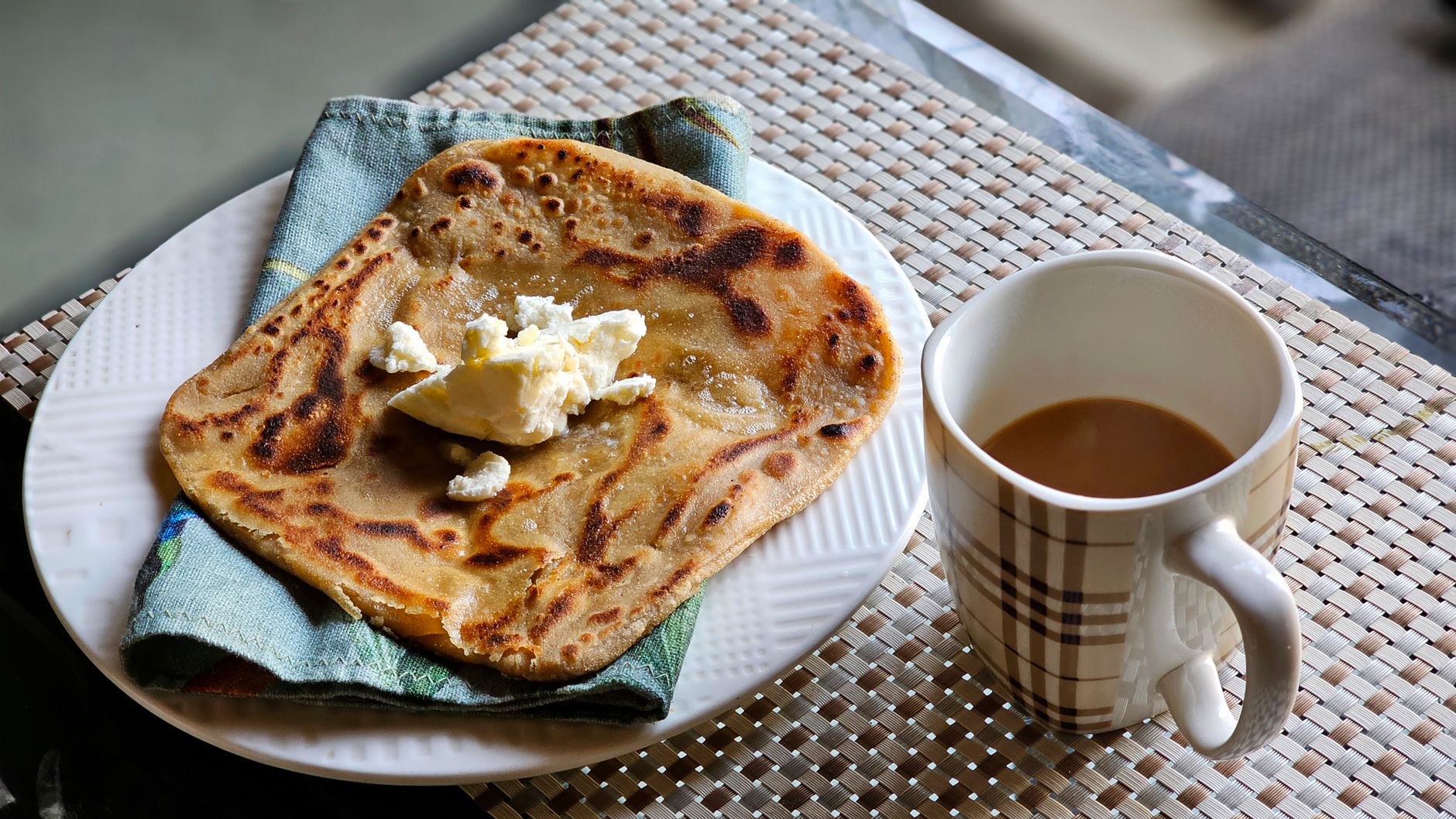
Homemade butter tastes best within the first week after making, especially when fresh and chilled. Use it soon after for the richest flavor and texture, ideally paired with crusty bread or freshly baked goods. Buttermilk is refreshing when fresh and can be refrigerated for up to 5 days for drinking or cooking.
Is homemade butter actually Halal what should I check?
Homemade butter is Halal if made with cream sourced from Halal-certified dairy and using clean equipment free from non-Halal contaminants. Look for cream brands with recognized Halal certification (JAKIM, HMC, IFANCA). Avoid any animal-derived additives not certified Halal.
Can I use non-dairy cream alternatives for butter?
Butter requires dairy fatnon-dairy cream alternatives wont churn into butter due to different fat compositions. They can make whipped toppings but not true butter.
Whats the difference between salted and unsalted homemade butter?
Salted butter contains added salt for flavor and preservation, lasting slightly longer. Unsalted butter is pure butterfat, preferred for baking and cooking where salt control is necessary.
How long does homemade butter last in the freezer?
Properly wrapped homemade butter can last up to 3 months frozen at -18C (0F). Defrost in the refrigerator overnight before use.
Why is my butter soft or greasy?
Over-churning or using overly warm cream can cause soft or greasy butter. Keep cream cold and churn until just separated. Washing butter thoroughly removes residual buttermilk, improving firmness.
Is the leftover buttermilk nutritious?
Yes, homemade buttermilk contains probiotics, vitamins B12 and calcium but lower fat than cream. It supports gut health and is a healthy addition to recipes or drinks.
How can I add flavors to my homemade butter?
After rinsing, knead in herbs, garlic, or spices for compound butter. Use clean tools and store flavored butter in airtight containers refrigerated for up to 5 days.
Final thoughts
Homemade butter captures the rich creaminess missing in many store brands and lets you control quality and flavor at home. With simple tools and some patience, you can churn fresh butter thats perfect for cooking, baking, and spreading. Next time you shop, check the label carefully for Halal-certified cream. Try making your own butteryou might be surprised how rewarding it is. Wed love to hear your butter-making stories or tips in the comments below!
FAQs
When is the best time to eat or drink homemade butter?
Homemade butter is best enjoyed within the first week after making it, especially when fresh and chilled. This ensures the richest flavor and optimal texture, ideal for spreading on bread or baking.
Is homemade butter actually Halal — what should I check on the label?
Homemade butter is Halal if made from cream sourced from Halal-certified brands and produced using clean equipment free from non-Halal contaminants. Look for recognized certifications like JAKIM, HMC, or IFANCA on cream labels.
How long does homemade butter last after opening?
Homemade butter typically lasts 5 to 7 days refrigerated in a sealed container. Proper washing to remove buttermilk and refrigeration are essential to maintain freshness and prevent spoilage.
What is the difference between homemade butter and store-bought butter?
Homemade butter is fresh, free from preservatives and additives, and made by churning cream until fat separates. Store-bought butter often undergoes pasteurization, homogenization, and may contain additives for longer shelf life.
Where can I buy the best cream for making homemade butter?
Look for fresh heavy cream with at least 35% fat content at grocery stores or specialty dairy shops. Choose brands with Halal certification such as JAKIM, HMC, or IFANCA to ensure dietary compliance.