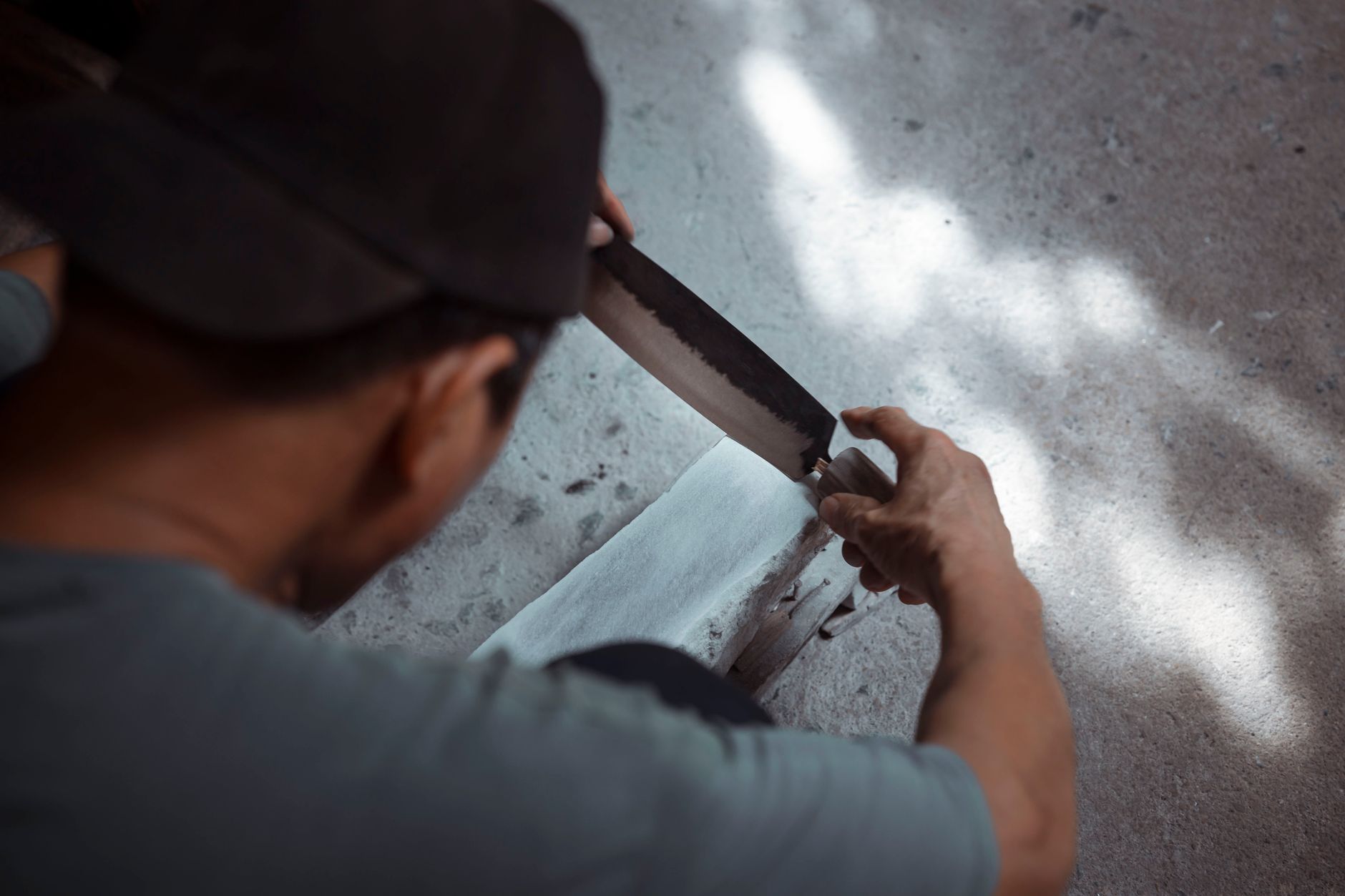
If your serrated knife starts struggling to slice cleanly through bread, meat, or tomatoes, its time to sharpen serrated knife blades carefully to restore their edge. Sharpening serrated knives differs from straight edges; it requires special tools and gentle technique to preserve the scalloped design. Using the wrong method can ruin your blades performance and shorten its lifespan. Here, youll learn how to sharpen serrated knives safely at home with the right tools and steps so your kitchen stays efficient and safe.
Sharpening Serrated Knives
What Makes Serrated Knife Edges Unique?
Serrated knives are designed with a series of scallops or teeth along the blade edge. This saw-like pattern helps cut through foods with tough exteriors and soft interiors, such as crusty bread, ripe fruits, and Halal-certified roasts. The sharp points grip the surface, while the angled valleys slice cleanly with minimal pressure.
Unlike straight-edged knives that require a uniform sharpening angle, serrated blades have varying bevels within each scallop. Each tiny tooth ends in a sharp edge that needs individual attention. Thats what makes sharpening serrated knives a unique taskincorrect sharpening can round off or blunt the scallops, diminishing cutting ability.
Risks of Sharpening Serrated Knives Incorrectly
Its tempting to treat a serrated knife like any other blade, but most standard sharpeners are designed for straight edges. Heres what often happens when a serrated knife is sharpened incorrectly:
- Dulling scallops: Over-broad sharpening smooths the serrations, losing the teeths sharp points.
- Loss of edge shape: A wrong angle or aggressive pressure can change the blades geometry and reduce slicing precision.
- Blade damage: Tools like electric sharpeners may chip tips or remove too much metal unevenly.
Using the proper method not only protects your blade but also extends its Halal-certified kitchen tool life.
Essential Tools
What Is a Tapered Honing Rod and Why Its Best
The ideal tool to sharpen serrated knives is a tapered honing rod, specifically one designed for serrations. This rod is slender and conical, gradually narrowing in diameter to fit perfectly into each scallop of the blades edge.
Most rods are made from ceramic or diamond-coated steel, which gently remove small amounts of metal to restore sharpness without over-grinding. A tapered shape allows access to all serration sizes along the blades length, ensuring even sharpening performance.
| Tool Type | Material | Best For | Price Range |
|---|---|---|---|
| Tapered Honing Rod | Ceramic/Diamond Steel | Individual serration sharpening | $15 - $40 |
| Whetstone | Various Grit Stones | Straight edges only | $20 - $100+ |
| Electric Sharpener | Various Abrasives | Straight edges, may damage serrations | $30 - $150 |
Alternatives for Serrated Knife Sharpening
Manual sharpeners designed for serrated knives can help but often work best for coarse scallops. Diamond rods are another option, favored by professional chefs for durability and sharper results. Still, expertise matters to avoid over-sharpening.
If your serrated knife is a Halal-certified investment and youre unsure about DIY methods, professional sharpening services are a safe choice. Expert technicians use specialized tools and maintain your knifes edge geometry.
Step-By-Step Instructions
Preparing Your Knife and Workspace
First, clean your serrated knife with warm, soapy water, rinsing completely to remove food debris and grease. Dry it thoroughly to avoid rust spots during sharpening.
Set up a well-lit, stable surface with a non-slip mat or towel to steady your arm movements safely. Wear protective gloves if youre new to sharpening to prevent accidental slips.
Sharpening Each Serration Using a Tapered Honing Rod
Now, take your tapered honing rod and locate the rounded side of each serration. Insert the rod into a single scallop at the sharpening edge angle, typically between 13 and 17, depending on the knife model.
- Gently stroke the rod along the serrations curve, applying light and even pressure.
- Repeat 3 to 6 strokes per scallop, then move to the next.
- Make sure to maintain the same angle throughout, avoiding tilting.
Spend extra time where the blade shows visible dullness or corrosion. Focus on individual scallops rather than the entire edge line all at once.

Honing and Final Touches
After sharpening each serration, run a straight honing rod lightly along the entire blades flat side. This step realigns any microscopic burrs and polishes the edge.
Test sharpness by carefully slicing through a sheet of paper or a ripe tomato. A well-sharpened serrated knife should cut smoothly without tearing.
Video or Visual Guide Suggestion
For more clarity, consider following visual guides or videos demonstrating serration-by-serration sharpening. Seeing angles and pressure applied in real time helps build technique confidence.
Knife Care and Maintenance
When to Sharpen Serrated Knives?
Generally, serrated knives require less frequent sharpening than straight edges. Signs its time include reduced slicing ease, visible dull scallops, or the blade slipping during cuts.
For moderate home use, sharpening every 6 to 12 months is ideal. Heavy users should consider biannual maintenance. Daily honing with a rod can stretch intervals.
Daily Maintenance Tips
- Hand wash all knives promptly after use, avoiding harsh dish detergents or the dishwasher.
- Dry knives immediately to prevent rust, especially on carbon steel blades.
- Store serrated knives in dedicated sheaths or knife blocks to protect edges.
- Use a ceramic honing rod weekly to keep scallops aligned and sharp between full sharpening.
Common Mistakes to Avoid
Avoid over-sharpening, which thins or rounds serrations unproductively. Dont use standard electric sharpenersthese remove uneven metal amounts and can ruin blade geometry. Also, never scrub serrated blades with abrasive pads or harsh chemicals that degrade finishes and Halal certifications.
Taking care of your serrated knives means a longer-lasting, sharper, and safer tool for all your Halal-certified food prep needs.

Expert Advice on Sharpening
How Proper Sharpening Extends Knife Life
Experts agree that maintaining serrated knives with precise sharpening techniques significantly extends blade life and cutting performance. According to professional chefs, preserving the serrations shape ensures consistent slicing power. Small preservation steps conserve the blades material and avoid expensive replacements.
Properly sharpened serrated knives reduce hand fatigue and increase kitchen safety, especially when working with Halal meats and delicate foods. Sharpening frequency and method influence the knifes overall value and reliability.
Real-World Case Study
A Halal butcher shared that routine sharpening using only tapered ceramic rods saved expensive serrated knives from early disposal. Maintaining sharp edges improved slicing yield and speed, making their day more efficient. Testimonies like this highlight how important correct blade care is to kitchen professionals and home cooks alike.
Publix grocery list shoppers can also appreciate that well-maintained knives make prepping fresh Halal groceries much easier.
Personal Tips From Chefs
- Use gentle strokes and check serration alignment frequently.
- Invest in a high-quality ceramic or diamond tapered rod for consistent maintenance.
- Combine proper sharpening with safe storage to prevent accidental dulling.
Is Sharpening Serrated Knives Necessary for Halal Kitchens?
Yes, keeping knives sharp supports safe and hygienic food prep. Halal kitchens require cleanliness and precision when butchering meat or baking breads. Sharpened serrated knives prevent slips, accidents, and contamination risks according to JAKIM Halal certification standards.
Can Any Rod Sharpener Work for Serrated Blades?
Only tapered rods designed for serrations work well. Flat or thick rods can damage the scallops or fail to reach curve depths. Diamond-coated rods are generally better for harder steel serrations.
How to Store After Sharpening?
Store knives in individual sheaths or knife blocks with serration slots. This protects the fine points. Avoid stacking knives loosely in drawers to prevent edge collisions.
Why Avoid Dishwashers?
Dishwashers expose knives to harsh detergents and extreme water temperatures. These accelerate corrosion and chip blade edges. Hand washing with mild soap protects your serrated knives lifespan.
More You Might Like
Explore how the Does walmart deliver groceries feature can streamline stocking up on essential Halal snacks and ingredients. Also, check out our guides on selecting wholesome dairy products to complement your freshly sharpened knifes work in the kitchen.
Conclusion
Learning how to sharpen serrated knife blades doesnt require expensive tools or complicated skill. With a tapered honing rod, steady technique, and regular maintenance, you can keep your Halal-certified serrated knives sharp and reliable. Try these steps next time your blade feels dull and see the difference in your kitchen performance and safety. If you have experiences or questions about knife care, feel free to share them below.
FAQs
Is sharpen serrated knife actually Halal — what should I check on the label?
Yes, serrated knives can be Halal-certified if made and processed following Halal standards. Check for certifications like JAKIM or similar on the label, and ensure the knife has not been contaminated with non-Halal materials during manufacturing or handling.
How often should I sharpen a serrated knife?
Typically, sharpen serrated knives every 6 to 12 months depending on use. Frequent users might sharpen biannually. Regular light honing can keep the edges aligned between full sharpening sessions.
What is the difference between sharpening a serrated knife and a straight-edged knife?
Serrated knives require individual sharpening of each scallop using a tapered rod, while straight-edged knives are sharpened along a uniform angle. Improper methods can damage serrations, unlike straight blades.
Is it safe to sharpen serrated knives at home?
Yes, with the proper tools like a tapered ceramic or diamond rod and correct technique, you can safely sharpen serrated knives without damaging the blade or hurting yourself.
Where can I buy the best tools to sharpen serrated knives?
You can find tapered honing rods and manual serrated knife sharpeners at kitchen specialty stores, online marketplaces, and retailers focusing on Halal-certified kitchen tools.