Food shopping is an essential task, but it can quickly become overwhelming if you dont know where to focus. Whether youre stocking up on halal meats, fresh produce, or healthy snacks, smart food shopping helps you save money, reduce waste, and enjoy nutritious meals. Lets explore practical tips to make your grocery trips easier and more efficient, keeping your health and halal standards in check.
Mastering the Basics
Why Planning Your Food Shopping List Is a Game-Changer
Starting your food shopping with a clear list based on planned meals helps cut down on impulse buys and forgotten essentials. A meal-based grocery list reduces waste by ensuring every ingredient has a purpose. For halal-conscious shoppers, it also means focusing on trusted certified products, avoiding doubts about permissible foods.
Consider grouping your list by food categoriesmeats, dairy, grains, fruits, and halal-certified itemsto stay organized. Apps or simple notes on your phone can serve as your shopping guide in the aisles or online. This preparation lets you budget smarter and get quality foods without wandering aimlessly.
How to Choose Fresh Produce Like a Pro
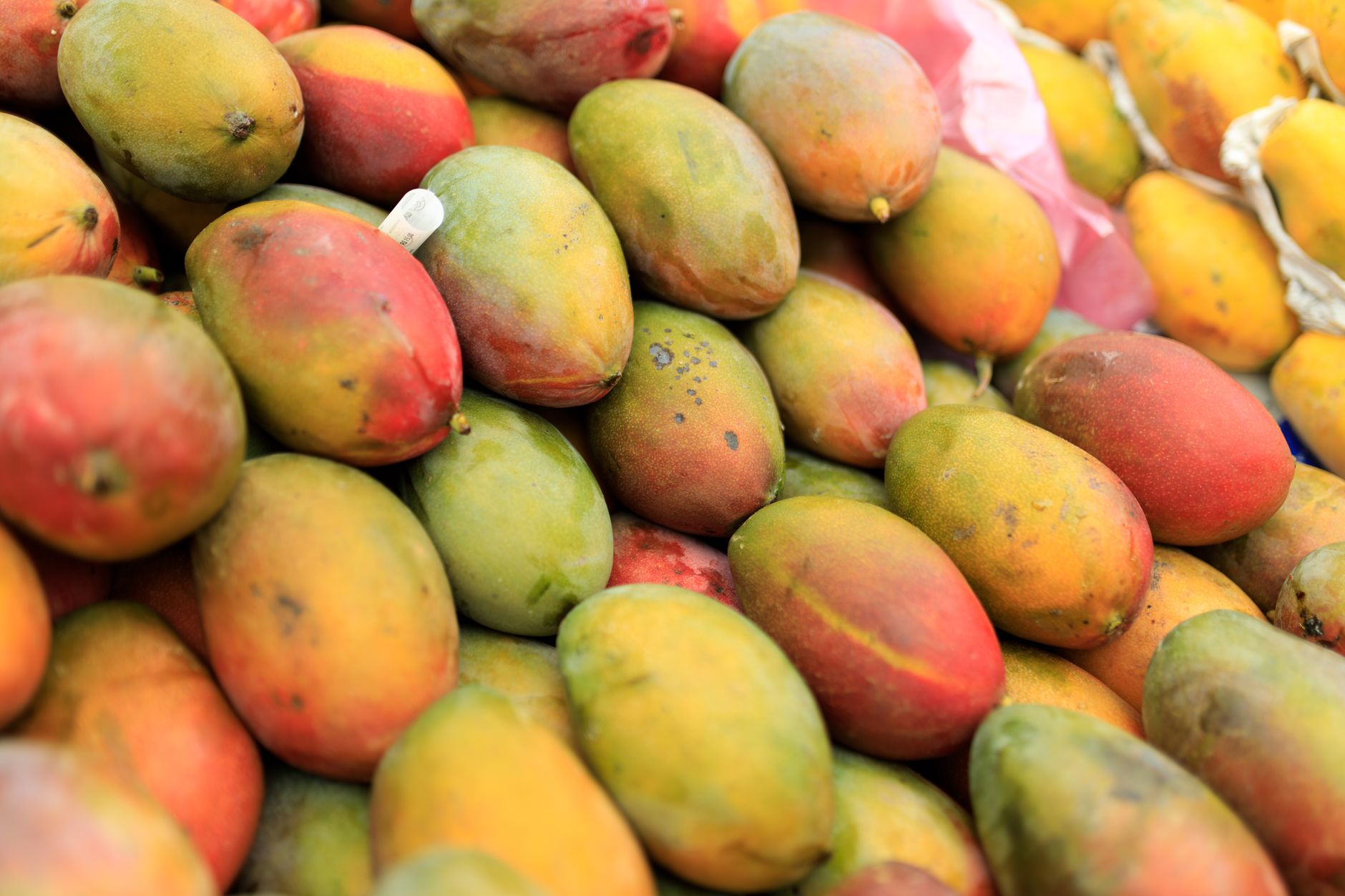
Fresh fruits and vegetables form the foundation of a healthy diet, but picking the best ones requires a keen eye. Look for vibrant color, firmness without bruises, and a fresh, natural smell not overly sweet or sour. For example, firm tomatoes with a deep red shade indicate ripeness, while dull or wrinkled skin suggests overripeness or poor quality.
When possible, buy seasonal produce to enjoy peak flavor and nutrition. Seasonal buying not only supports local farmers but often costs less. A simple seasonal produce calendar helps you know whats fresh throughout the year, so your grocery list stays on point.
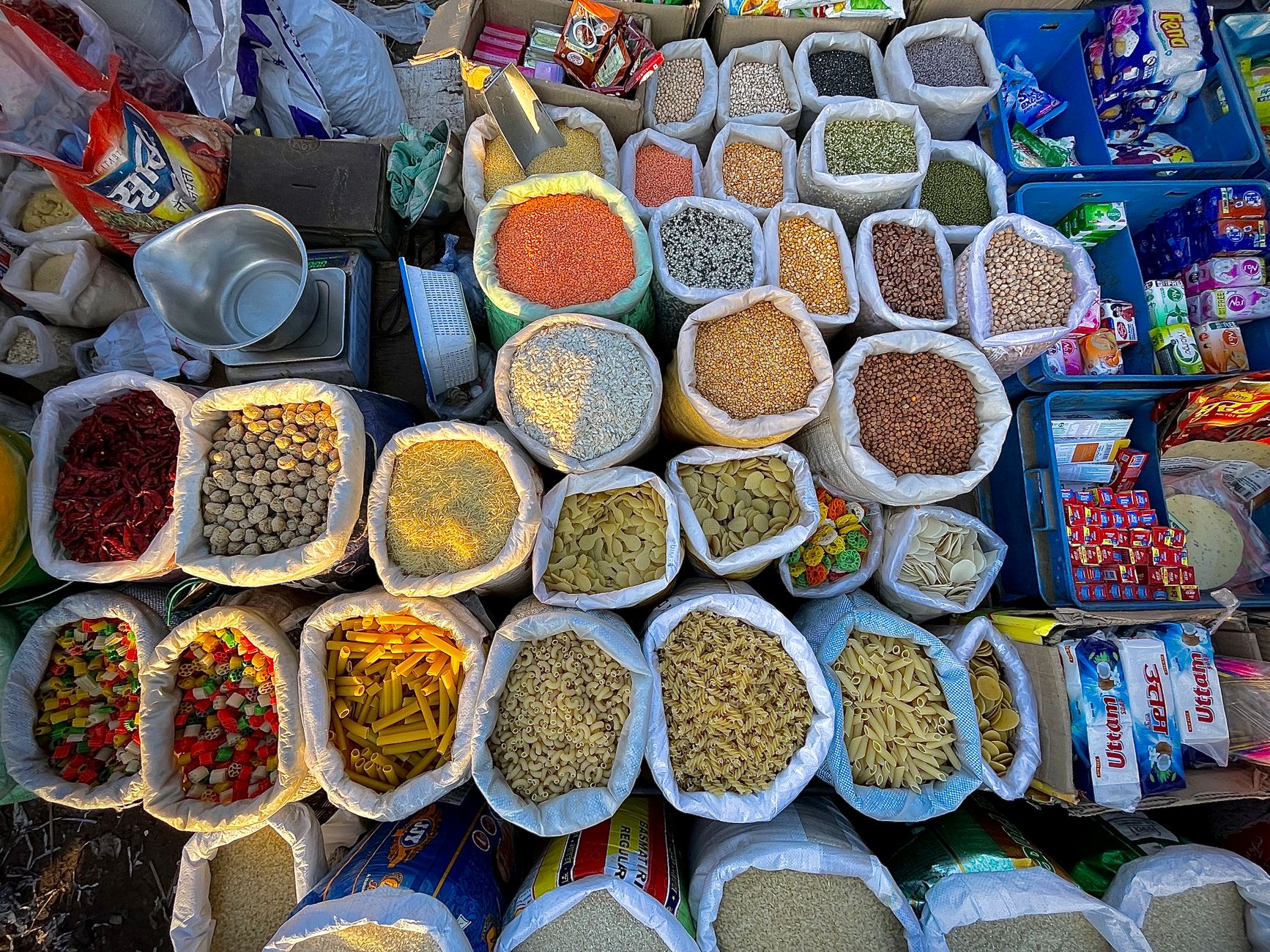
Seasonal Produce Calendar and Tips
- Spring: Asparagus, strawberries, peas
- Summer: Tomatoes, zucchini, berries
- Fall: Apples, pumpkins, pears
- Winter: Citrus fruits, root vegetables, leafy greens
Navigating Grocery Deals Without Falling for Marketing Tricks
Discounts and promotions can be tempting, but not all deals deliver real value. Some "buy one get one free" offers push you to buy more than you need, causing waste. Others highlight a price drop on items you wouldnt normally buy.
Focus on unit prices and genuine savings. Comparing prices per weight or volume gives a clearer picture. Loyalty programs and digital coupons often yield better discounts, but dont overbuy just for points.
Typical Grocery Deals vs. Online Store Discounts
| Deal Type | In-Store Example | Online Store Example | Best Use |
|---|---|---|---|
| Bundle Deals | Buy 3 halal chicken breasts, get 10% off | Free delivery on orders over $50 | When stocking staples you regularly use |
| Clearance | Discount on near-expiry bakery items | Flash sale on packaged snacks | Great for immediate consumption |
| Loyalty Points | Earn points on dairy products | Exclusive member discounts | Frequent shoppers with planned usage |
Online Food Stores
Benefits and Risks of Using Online Food Stores
Food shopping online has become popular, especially for busy families or halal consumers seeking certified products harder to find locally. Convenience is a major benefityou avoid crowds and save time. But freshness and quality can sometimes be a concern. Cold chain breaks, delayed deliveries, or product substitutions affect your experience.
Choose online stores known for strict halal certification, clear sourcing, and reliable shipping. Many halal food retailers now have online platforms, making it easier to find meat, dairy, and snacks that meet your standards.
How to Ensure Quality When Ordering Meal Ingredients Online
Before purchasing, check customer reviews focused on freshness and packaging quality. Shipping times matter: choose options that deliver quickly, ideally within 24 to 48 hours. Packaging should maintain cold temperatures for perishable halal meats and dairy to avoid spoilage.

Popular Grocery Delivery Successes and Fails
- Success: Timely delivery of halal frozen chicken with intact packaging
- Fail: Delivery delay causing dairy products to warm above safe temperature
Best Practices for Scheduling Grocery Delivery
Coordinate deliveries close to meal prep days to maintain freshness. For example, if you plan to cook on Friday, schedule delivery Thursday evening or Friday morning. Avoid late-week deliveries if you wont be home immediately, as cold items risk spoilage.
Once you receive the food, unpack and refrigerate or freeze perishable items within 30 minutes whenever possible.
You can also deliver groceries regularly through scheduled services to keep your pantry and fridge stocked without repeated trips.
Budget and Quality Balance
Maximizing Value on Fresh Produce Shopping
Is organic always better? Not necessarily. While organic produce often avoids synthetic pesticides, it can cost twice as much. For halal shoppers, focus first on cleanliness and certification of your meat and dairy since produce itself doesnt carry halal restrictions.
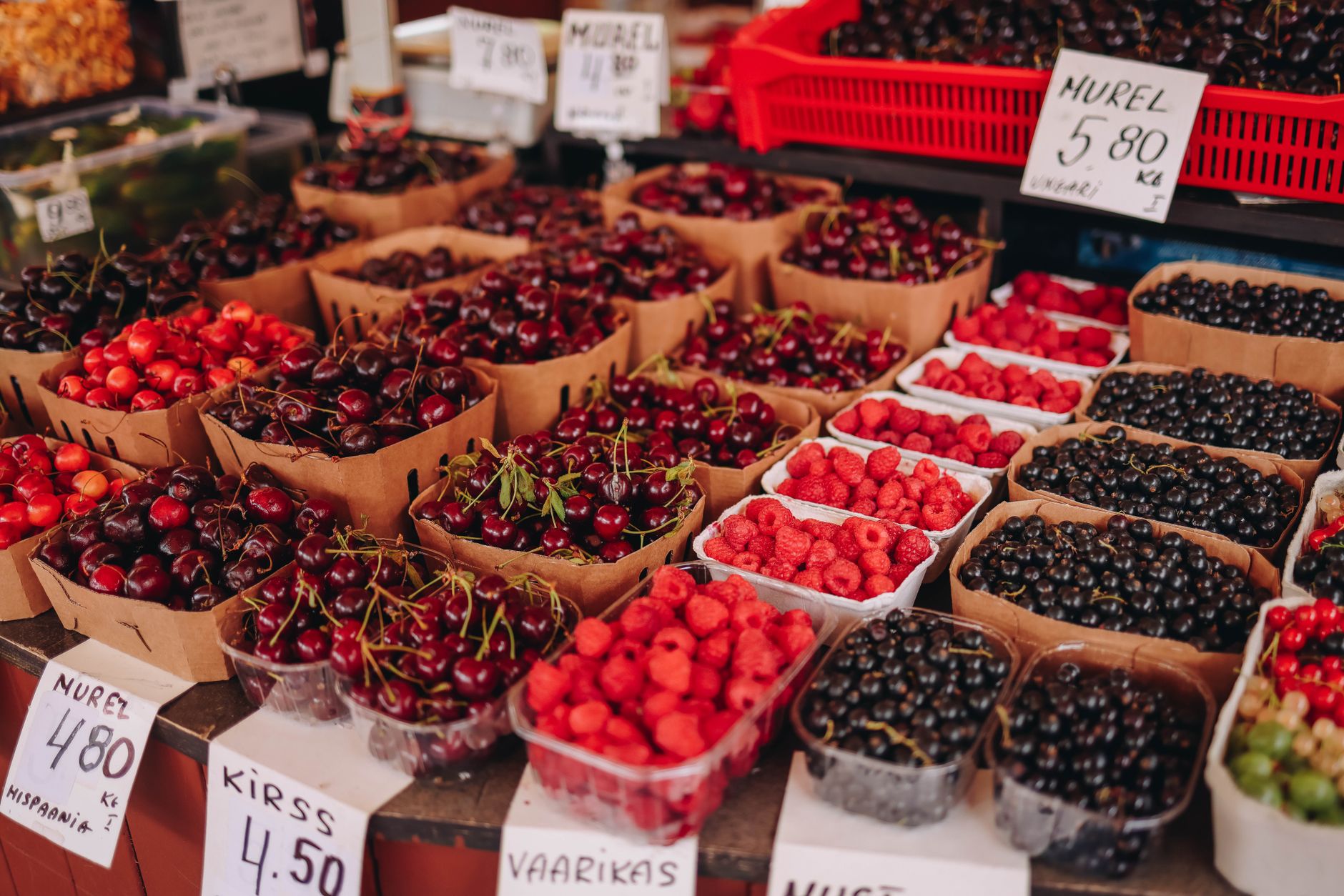
Buy organic for fruits and vegetables that you consume with skins, like apples and berries. For other items like bananas or avocados, conventional options are usually safe. Shopping farmers markets or local sources can also yield fresh produce at fair prices.
Using Meal Ingredients to Reduce Food Waste
Smart food shopping means using overlapping ingredients across meals. For example, fresh spinach bought for salads can double as a cooked side or ingredient in a baked dish. Bell peppers can serve in stir-fries, salads, or grilled kebabs with halal meat.
Sample Meal Plan Using Overlapping Ingredients
- Monday: Chicken stir-fry with bell peppers and brown rice
- Tuesday: Spinach and mushroom frittata
- Wednesday: Roasted vegetable wraps with fresh spinach
- Thursday: Grilled chicken salad with mixed greens
Insider Tips for Finding Hidden Grocery Deals
Look beyond the obvious aislesbulk bins, clearance shelves, or ethnic food sections often have great halal options at reduced prices. Use loyalty cards or retailer apps that aggregate digital coupons automatically at checkout.
Apps like those linked to major grocery chains provide daily updates on current halal products and deals. You might also find combination deals on halal beef or chicken paired with spices like Cajun seasoning flavor to elevate meals.
Common Mistakes to Avoid
The #1 Mistake in Buying Fresh Produce
Buying too much of one item without considering shelf life leads to waste. Chlorophyll-rich leafy greens spoil within 35 days, while harder vegetables like carrots last up to 2 weeks. Plan exact quantities based on family size and meal plans to avoid throwing out spoiled food.
How to Avoid Spoilers with Grocery Delivery
Improper storing after delivery often ruins fresh items. Upon arrival, unpack perishables promptly. Store halal meats on the bottom shelf of your refrigerator at temperatures below 4C (39F) and freeze anything not used within 2 days.
Avoiding Overspending During Grocery Runs
Impulse purchases usually come from eye-catching endcaps and checkout aisles. Stick strictly to your list and give yourself a time limit. Using a budget planner app helps track spending and prevents temptation staircases.
Budget Planner Recommendations
- Simple Excel trackers with meal-based columns
- Mobile apps like "Goodbudget" or "YNAB" (You Need a Budget)
Food Shopping What to Look For Table
| Certification | Price Range | Common Formats | Shelf Life | Key Allergens |
|---|---|---|---|---|
| JAKIM, HMC, IFANCA Halal | Moderate to premium | Fresh, frozen, packaged | Fresh produce: 37 days; Meat: 12 days refrigerated, up to 6 months frozen | May include nuts, dairy, gluten check labels |
Is Food Shopping Actually Halal What Should I Check?
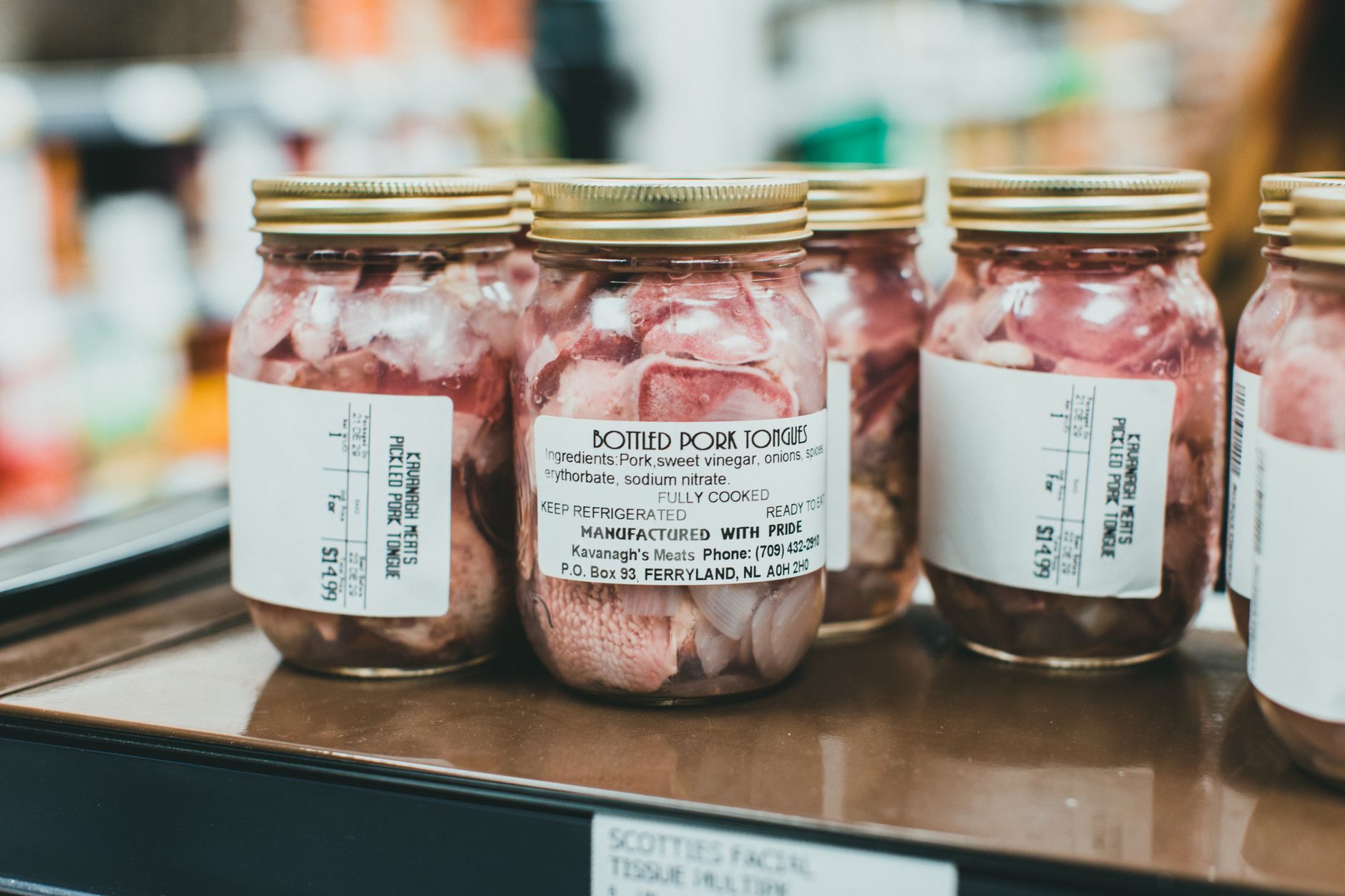
Always verify halal certification logos from recognized bodies like JAKIM (Malaysia), HMC (UK), or IFANCA (US). Check ingredient lists for non-halal additives like pork derivatives or alcohol-based flavorings. Confirm product sources and manufacturing processes when possible.
When Is the Best Time to Eat Fresh Produce?
Consume most fresh fruits and vegetables within 3 to 5 days of purchase for optimal taste and nutrition. Leafy greens are best eaten within 23 days. Fruit like apples or citrus can last longer if stored properly in cool places.
How Can I Tell If Meat Is Fresh When Shopping?
Look for firm texture, bright red color (for beef), and no strong odors. Avoid packages with excess liquid or discoloration. Packaging dates and "use by" labels help plan meal prep accordingly.
Are Online Food Stores Reliable For Halal Meat?
Yes, when using reputable halal-certified vendors with transparent sourcing. Prioritize those with clear delivery timelines, cold chain guarantees, and positive customer feedback to ensure quality.
How Should I Store Fresh Bakery Items?
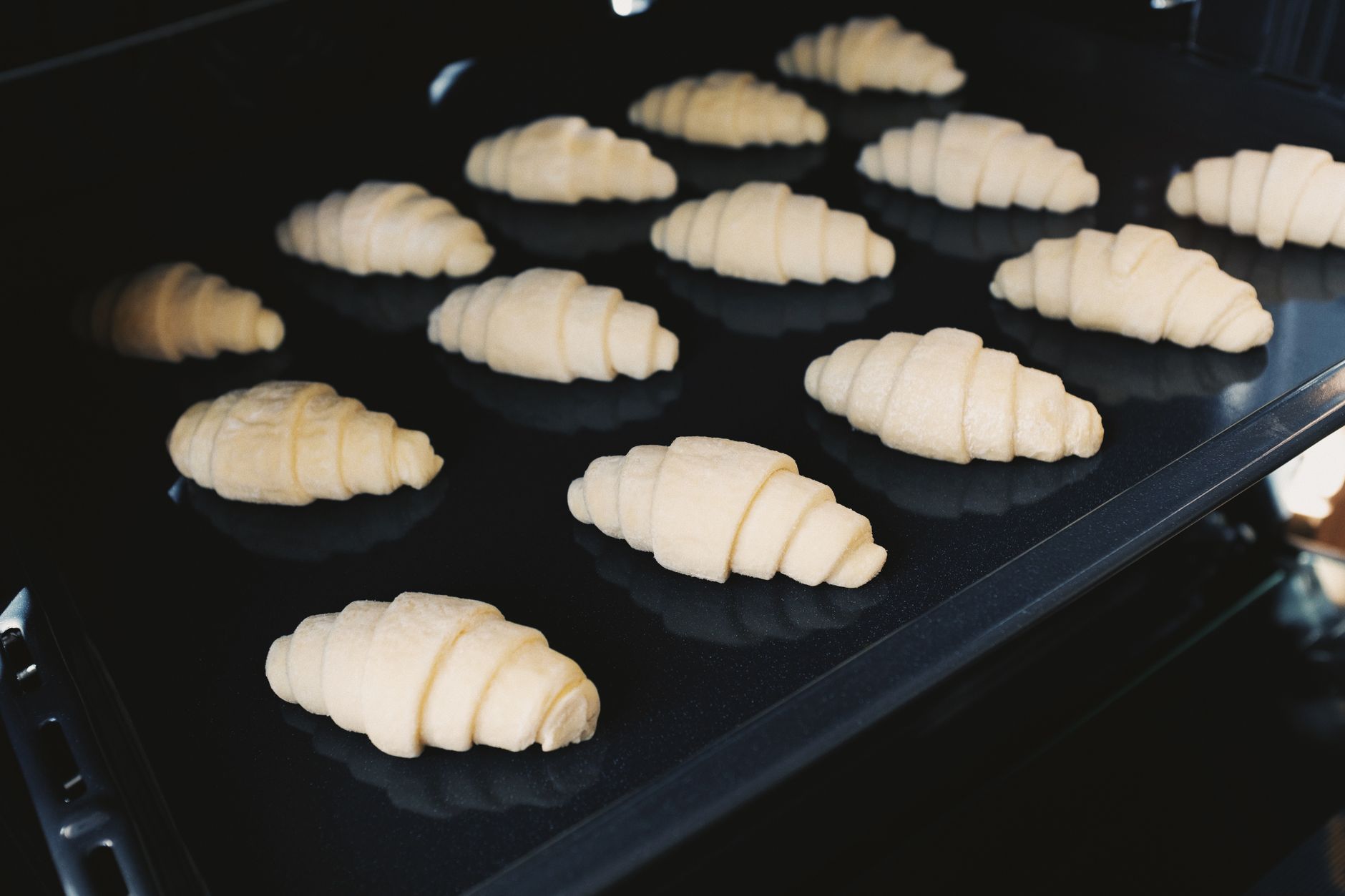
Store halal bakery goods like bread or pastries in airtight containers at room temperature. Consume within 34 days or freeze for up to 2 weeks to maintain freshness and flavor.
What Are Common Additives to Avoid in Packaged Snacks?
Watch for ingredients like gelatin (non-halal unless specified), artificial colors, or alcohol-based flavorings. Halal certification logos help assure compliance.
More You Might Like
Interested in exploring unique flavors to complement your halal meals? Check out our guide to Cajun seasoning flavor for ideas on spicing up chicken and veggies.
Want to save even more time? Learn how to deliver groceries right to your doorstep from trusted halal food providers.

Conclusion
Food shopping becomes simpler and more rewarding when you plan carefully, focus on fresh halal-certified products, and spot genuine deals. Use these tips to balance budget, quality, and health on every grocery run. Next time you shop, check the label closely, and notice the difference these smart choices make in your meals and your wallet. Have your own food shopping tips or experiences? Share them below wed love to hear from you!
FAQs
Is food shopping actually Halal — what should I check on the label?
Always look for recognized halal certification logos like JAKIM, HMC, or IFANCA. Check ingredient lists for prohibited items such as pork derivatives or alcohol-based additives. Confirm the source and processing methods when possible to ensure the product meets halal standards.
What is the typical shelf life of fresh produce after purchase?
Consume most fresh fruits and vegetables within 3 to 5 days for best taste and nutrition. Leafy greens should ideally be eaten within 2 to 3 days. Proper storage in a cool environment can slightly extend freshness, but planning quantities helps avoid waste.
How can I tell if meat is fresh when shopping for groceries?
Look for firm texture and bright red color (for beef). Avoid packages with excess liquid or discoloration. Check "use by" dates and smell for any off odors. Fresh meat should feel springy and not sticky or slimy to the touch.
Are online food stores reliable for buying halal meat?
Online stores can be reliable if they have strict halal certifications, transparent sourcing, and positive reviews. Prioritize vendors with proper cold chain management to ensure freshness and safety during shipping.
How should I store fresh bakery items to maintain freshness?
Halal bakery goods should be kept in airtight containers at room temperature. Consume them within 3 to 4 days. For longer storage, freezing for up to two weeks preserves flavor and texture effectively.