Alright, so youve heard about black and blue steak somewheremaybe from a friend who swore by it or while browsing steakhouse menusand now youre wondering what in the heck that actually means. Well, let me save you the guesswork right here: black and blue steak is a wild ride of flavors packed into one mouthwatering bite. Picture a steak seared so fiercely on the outside its almost charredblack, essentiallybut inside? It stays so rare, its practically raw, that blue-ish color still showing through.
Sounds a bit extreme? Yeah, it kinda is... but also, its one of those steak cooking methods that steak lovers swear by when they want that perfect clash of crispy crust and melt-in-your-mouth juiciness. If youre curious about how to cook steak black and blue, what sets it apart, and whether its safe to dive into this culinary adventure stick with me. Were breaking it all down, from the science behind the sear to the risks you should know.
What It Means
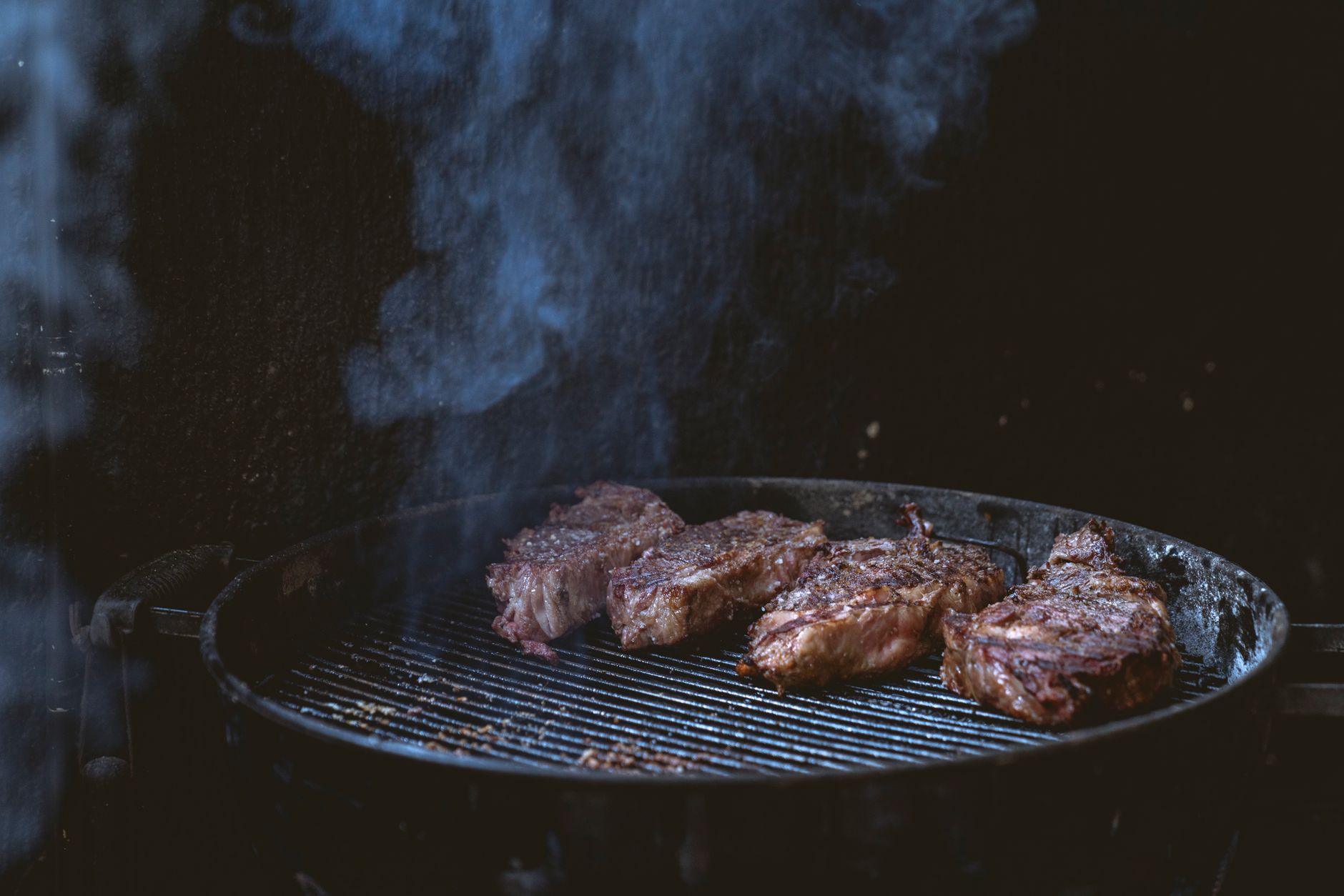
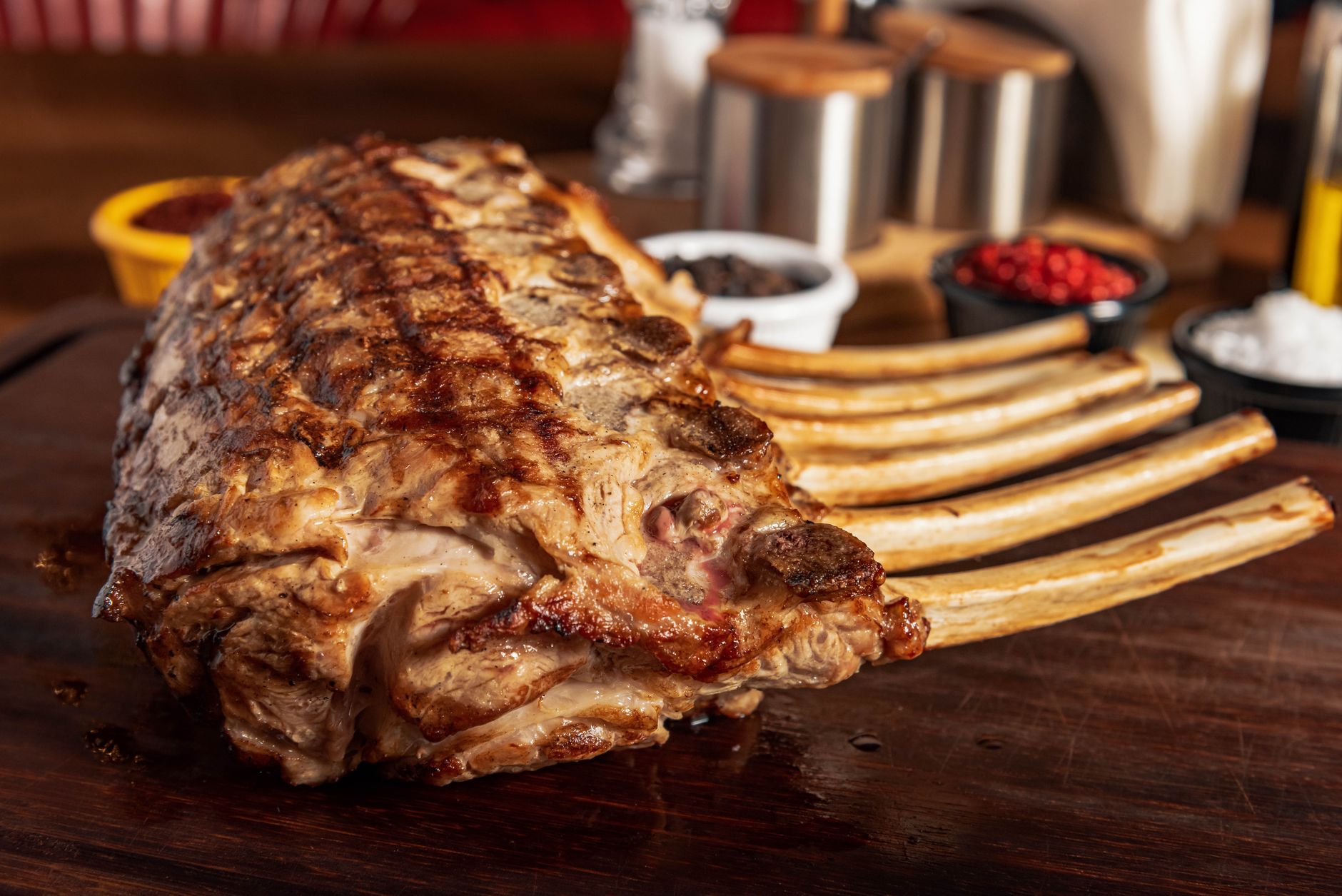
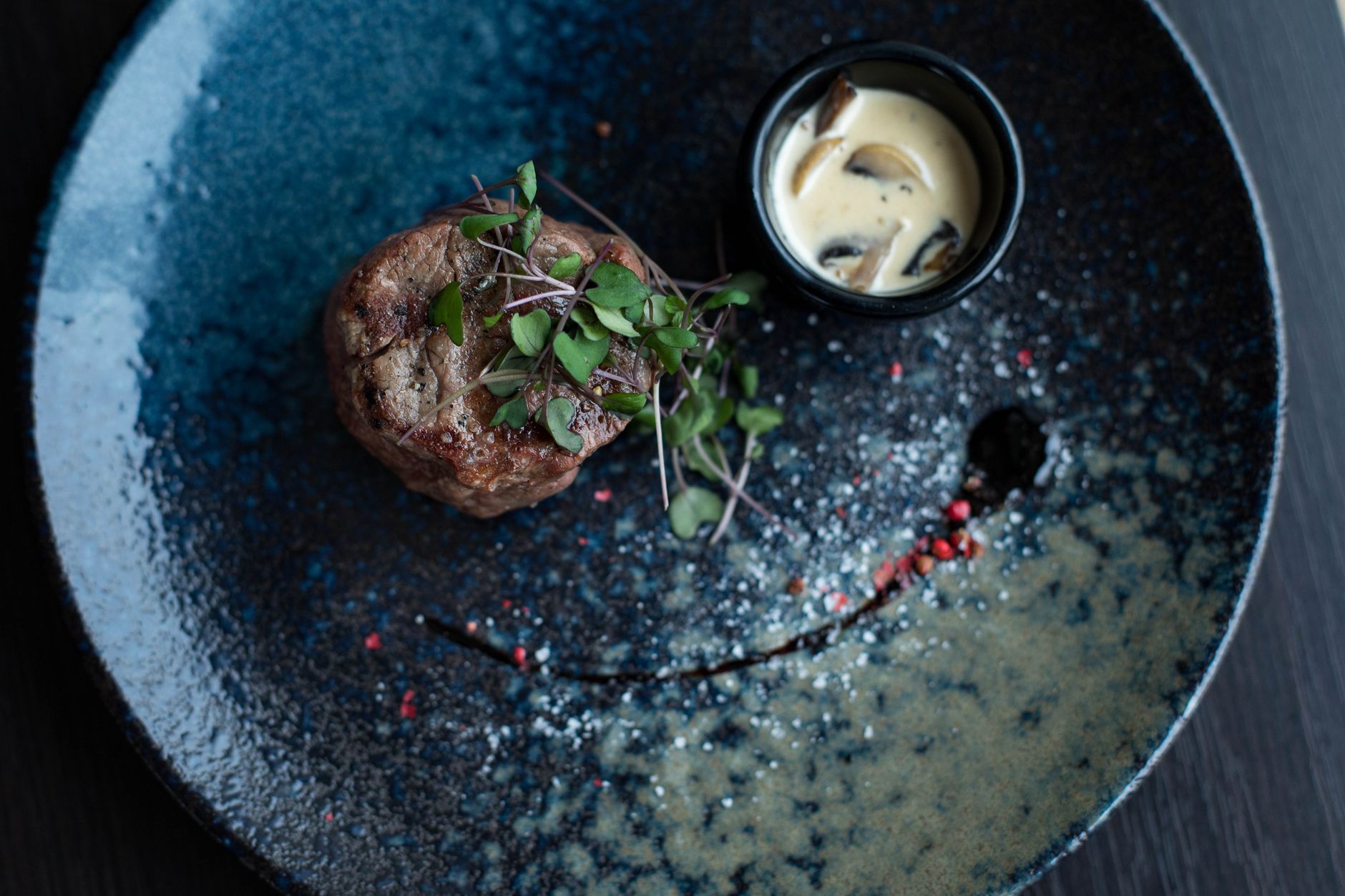
Black and blue steak is exactly what it sounds likeblack from the outside, blue from the inside. The black refers to a super-hot sear cooked long enough to develop a deep, crispy crust, usually with a slight smokiness or charred edge. The blue, on the other hand, indicates the inside is barely cooked, close to raw, with a cool red or bluish center thats tender and juicy. Its basically a high-contrast steak experience.
How Is Black And Blue Different from Blue Rare Steak?
You know how sometimes you hear about blue rare steak, where its just gently warmed on the outside but still practically raw inside? Black and blue takes it a step further by aggressively searing the outside until dark and crusty. So, while blue rare is more about light cooking on the surface, black and blue brings blasting heat to the outside while keeping the inside nearly raw.
Why does that matter? Because black and blue steak offers a crispy, bold flavor on the outside paired with that soft, buttery feeling insidean exciting texture combo you wont find with your everyday rare or medium-rare steak.
What Does Black And Blue Steak Taste Like?
Imagine a steak that smacks you with a savory, smoky punch right away, due to that charred outside. Then it melts into a silky, rich core thats so tender it almost dissolves in your mouth. Its juicy, intense, and for some, a bit like riding a roller coaster of steak sensations. Its that searing heat that locks in bold flavor, mixed with the raw interior thats straight-up beefy and natural.
The result? A steak thats hearty but delicate, simple in ingredients but complex in experience.
How To Cook Black And Blue Steak
So youre ready to try this at home? Awesome. Cooking a black and blue steak isnt rocket science, but it does take a bit of technique and timing to nail it right.
Step-By-Step Guide
- Pick the Right Cut: Opt for thick, quality cuts like ribeye, New York strip, or filet mignonsomething at least 1.5 inches thick to hold up to high heat and still keep that inside raw.
- Season Simply: Salt and pepper work perfectlyanything more might overshadow the pure beef flavor you want to highlight.
- Get Your Pan or Grill Hot: Heat your cast iron skillet or grill until its smoking hot. This is key to developing that black crust fast.
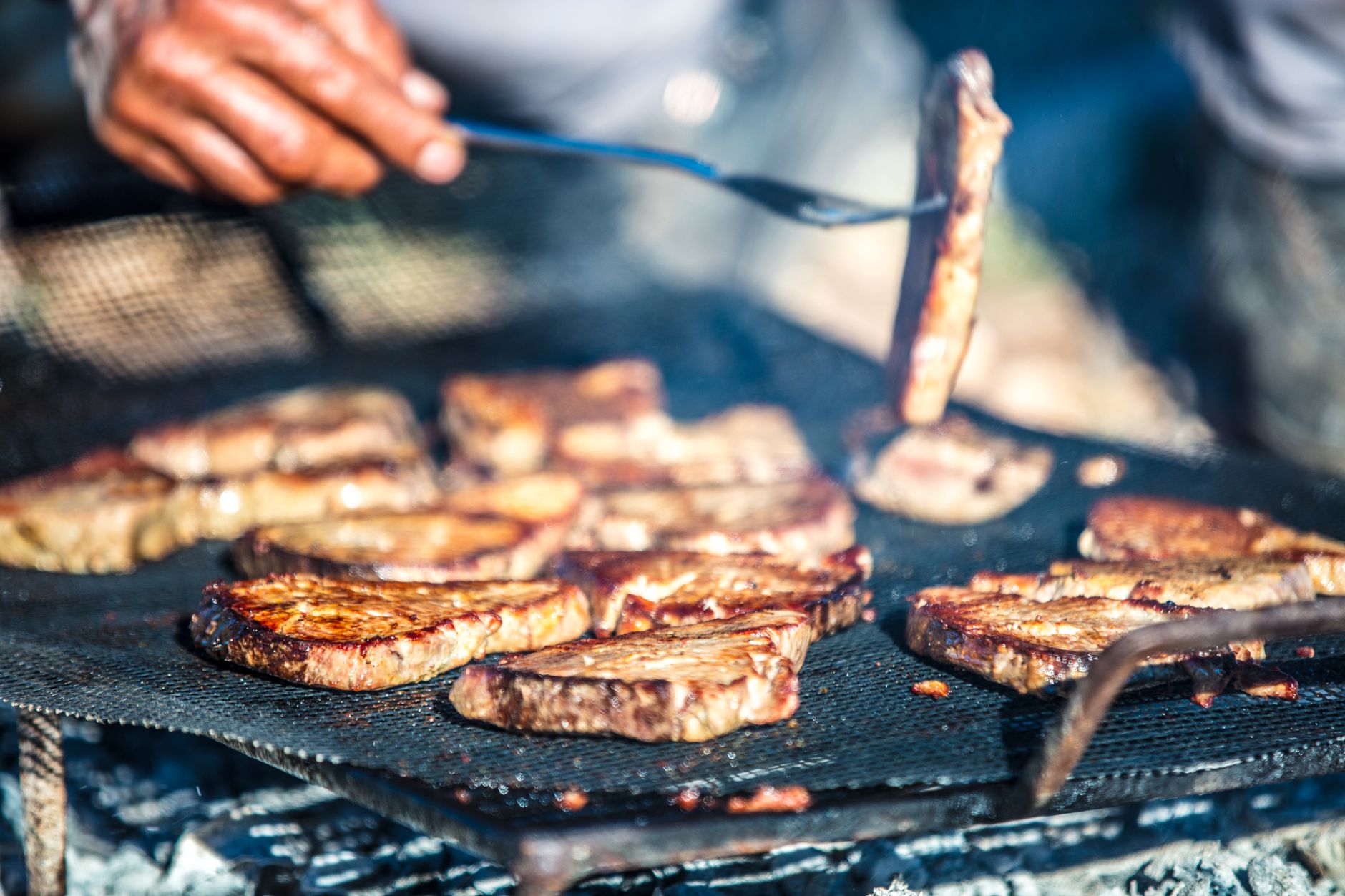
- Sear Fast and Hard: Slap the steak down, and dont move it for about 1-2 minutes per side, depending on thickness. You want a dark, almost burnt crust but dont cook it through.
- Check the Interior: The goal is to have the inside nearly raw and cold to warm with just the outer layer cooked. Using an instant-read thermometer can help if youre unsureeven if it feels a bit fancy for this style.
- Rest Briefly: Give it a minute or two after cooking to let juices redistributebut not too long, since we want that fresh, bold steak flavor.
Tools That Make it Easier
Honestly, success here leans heavily on your equipment. A solid cast iron skillet is probably your best friend for black and blue steak; it holds heat like a champ.
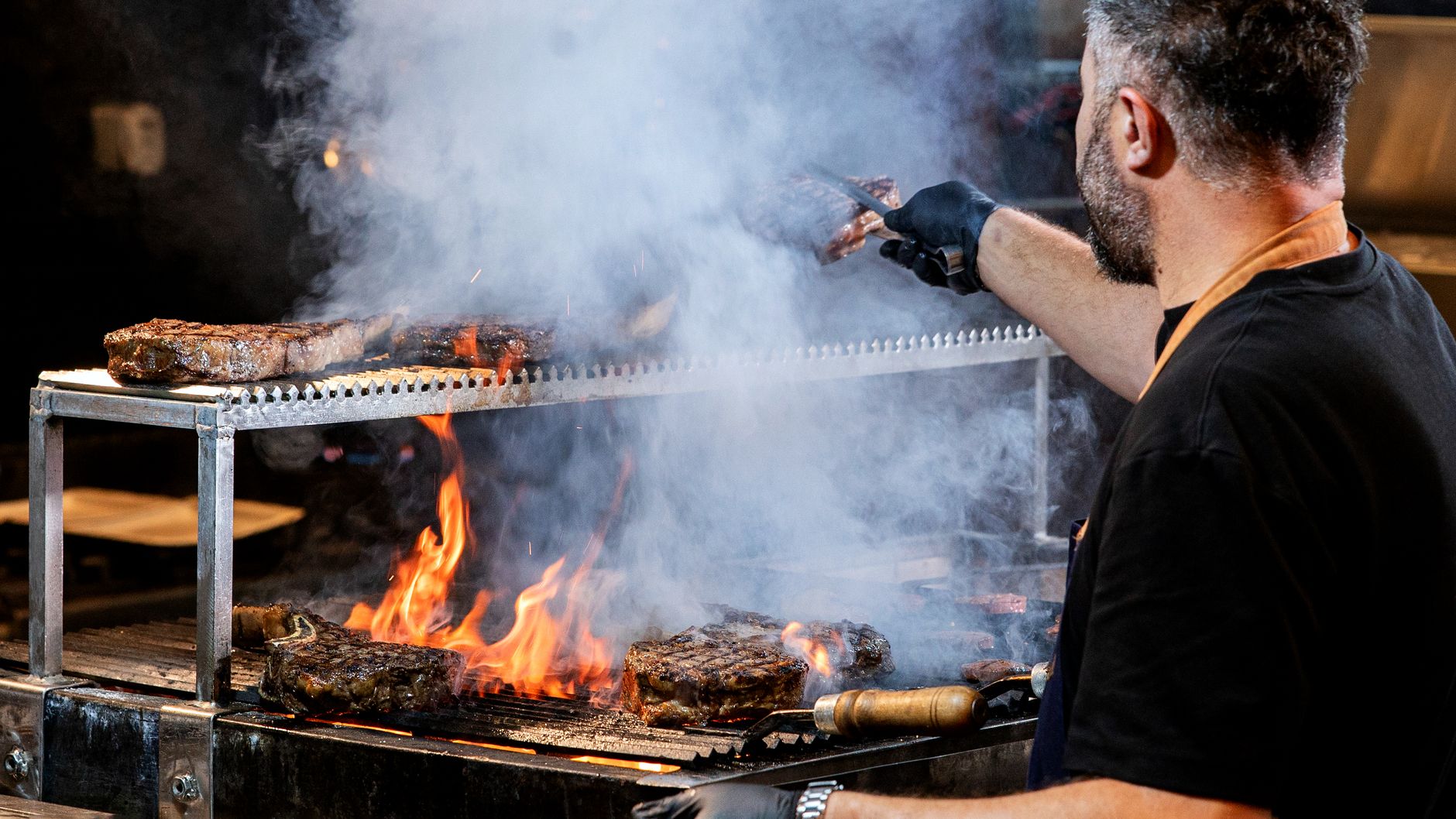
If youre throwing this on a grill, make sure the coals or burners are screaming hot. And if you have a meat grinder at home, grinding your own steaks might sound a bit crazy, but it sure does make you appreciate the whole process more!
Common Pitfalls to Dodge
- Dont try to cook a thin steak black and blueitll just turn into charcoal without that nice contrast inside.
- Dont move the steak too much while searing; let that crust develop properly.
- Dont forget to pat dry your steak before seasoningit helps the crust get that black look instead of steaming.
Is Black And Blue Steak Safe To Eat?
Heres where stuff gets real. Because black and blue steak, by definition, is undercookedin some cases practically rawin the middle, it naturally raises a safety question. Is it safe to eat? Should you be worried?
The answer isnt just a simple yes or no. It depends.
What Experts Say
The USDA suggests cooking steaks to at least 145F (medium rare) for safety, but the risk with black and blue steak lies in the fact that the USDAs recommendations focus on ground meat or meat thats been mechanically tenderized, which can harbor bacteria deep inside. With whole muscle cuts like steaks, the main concern is on the surface where bacteria usually hang out.
If you properly sear the outside (the black part), youre effectively eliminating surface bacteria. So, for healthy adults eating steaks from reputable sources, black and blue steak can be relatively safe. But caution is key.
Who Should Think Twice?
- Pregnant womenextra risk means better to avoid undercooked meat.
- Immune-compromised individualssame deal, better safe than sorry.
- Young children and elderlytheir systems can be more sensitive.
Still, if youre feeling adventurous, sourcing your beef from a trustworthy meat market or butcher that you trust becomes more important than ever. High-quality meat, handled and stored responsibly, drastically lowers food safety risks.
Black And Blue In the Steak Doneness Spectrum
To really get what makes black and blue steak special, it helps to see how it fits among classic steak doneness levels, from rare to well done.
| Doneness | Internal Temperature | Description |
|---|---|---|
| Blue Rare / Very Rare | 115 - 120F (46 - 49C) | Seared quickly outside, mostly raw inside; cool center, very soft texture |
| Rare | 125F (52C) | Warm red center, soft and juicy |
| Medium Rare | 130-135F (54-57C) | Pink-red center, juicy but slightly firmer |
| Medium | 140-145F (60-63C) | Light pink center, firmer texture |
| Well Done | 160F+ (71C+) | Fully cooked through, brown interior, firm texture |
So, black and blue steak hangs out near or even below the blue rare zone on the inside, but with an outsized punch of black sear on the outside. Its not just about doneness its a textural experience, a balance of fire and raw.
Pro Tips & Personal Experiences
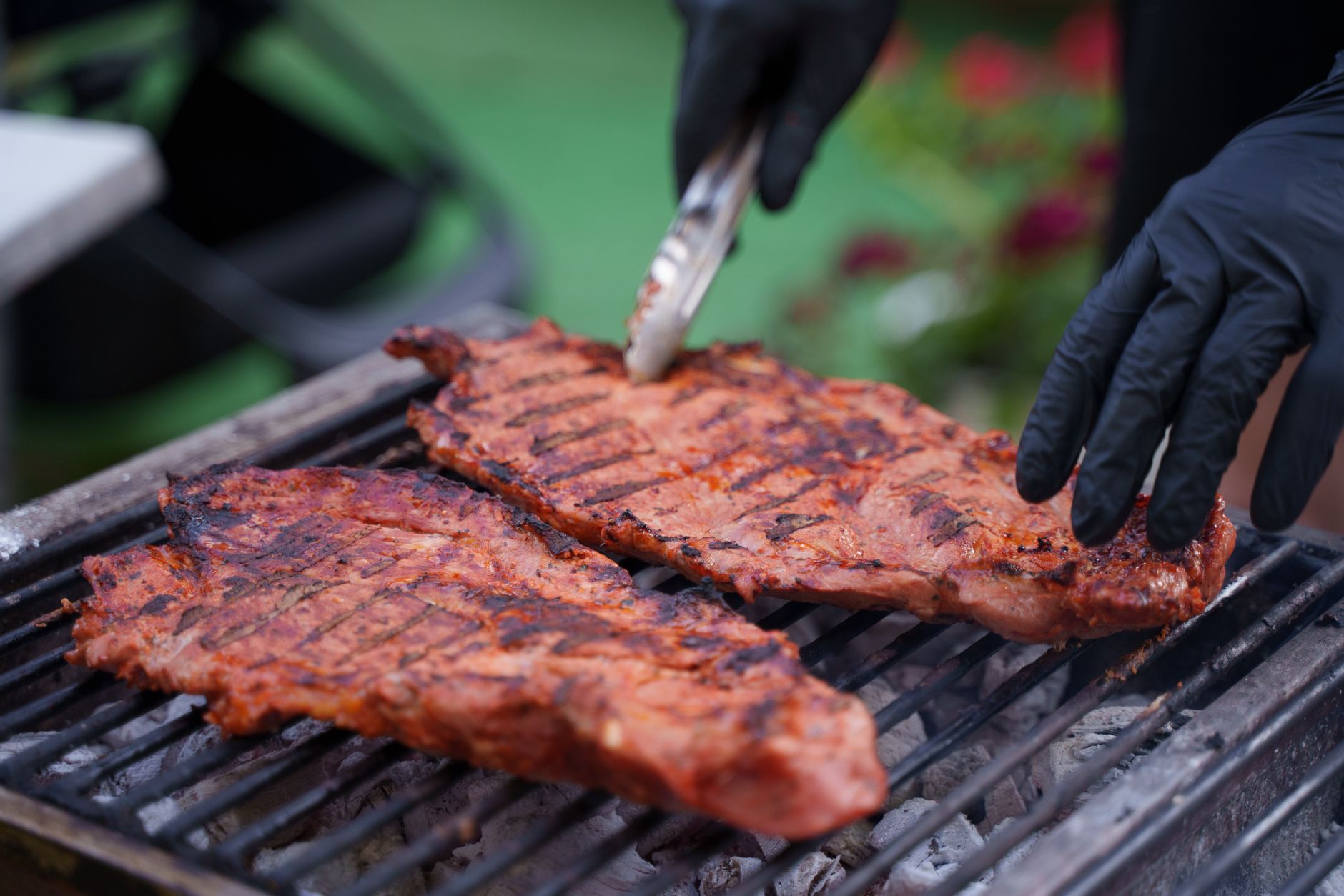
When I first tried cooking black and blue steak, Ill be honest it felt like juggling hot coals. But once I got the hang of it, it quickly became one of my favorite ways to experience steak. That crispy-black crust is like a flavor shield locking in all the juicy beefiness inside. If youre hesitant about how to cook steak this way, start slow, get familiar with your pan or grill, and just trust your senses.
Chefs often say black and blue steak takes couragea bit of a foodie thrill ride. But theres also joy in the simplicity: minimal seasoning, high heat, and letting the beef speak for itself. Try pairing it with simple sides, like baked potatoes or a crisp salad, to really appreciate the steaks star quality.
Out in the wild world of steak lovers, some swear by dry-aging their black and blue steaks, stepping up the flavor game to holy-wow levels. Others experiment with rubs and marinades but keep those light, because the black and blue method shines best when the beefiness is front and center.
So, what do you think? Are you tempted to give black and blue steak a shot, or does it sound a little too intense? Either way, sharing your first (or fiftieth) experience with this fiery, rare style would be awesome! If youre wondering about other steak cooking methods or want to dive deeper into steak doneness levels, dont hesitate to peek around and keep exploring.
Wrapping It Up
Black and blue steak isnt for the faint-hearted, but if you're in the mood for a steak adventure that offers the best of both worldsintense, smoky crust with a buttery, almost raw heartthen now you know exactly what to expect. Remember, its about balance: bold flavor with mindful safety and quality meat.
Next time youre at a restaurant or firing up the grill, why not give it a try? You might just discover a new favorite way to enjoy one of the worlds most beloved dishes. Hungry for more steak wisdom? Check out some great insights on meat market tips that can help you find the best cuts for your steaks.
And hey, if you ever find yourself battling with how to cook steak perfectly or want to get into fun meat prep like grinding your own with a meat grinder, thats a whole other delicious world to explore. Until then, fire up the pan and enjoy that beautiful black and blue sensation one bite at a time.
Got questions, stories, or your own black and blue triumphs? Dont be shydrop them in the comments or share with your pals. Because talking about steak is always a good idea.
FAQs
What does black and blue steak mean?
Black and blue steak means a steak seared at a high heat until the outside is charred black while the inside remains almost raw or blue rare.
How is black and blue steak different from blue rare steak?
Blue rare steak is lightly warmed on the outside while black and blue steak is aggressively seared to create a dark crust but still nearly raw inside.
Is black and blue steak safe to eat?
It can be safe if the outside is properly seared to kill surface bacteria and the meat comes from a reputable source, but it's not recommended for pregnant women, children, or immune-compromised individuals.
What cut of steak is best for black and blue cooking?
Thick cuts like ribeye, New York strip, or filet mignon, usually at least 1.5 inches thick, work best to achieve the seared outside and rare inside.
How do I achieve the perfect black and blue steak at home?
Use a very hot cast iron skillet or grill, season simply, sear each side for 1-2 minutes without moving the steak, and rest briefly to keep the inside rare and juicy.