If youve ever wondered about paprika vs smoked paprika, youre not alone. These two vibrant red spices may look alike but bring very distinct flavors to your cooking. Paprika is typically a sweet and mildly peppery powder made from dried sweet peppers. Smoked paprika, on the other hand, is produced by smoking the peppers before grinding, delivering a rich, smoky, and slightly earthy taste. Knowing which one to pick can turn an ordinary meal into a memorable dish.
What is Paprika?
Definition and Types of Paprika
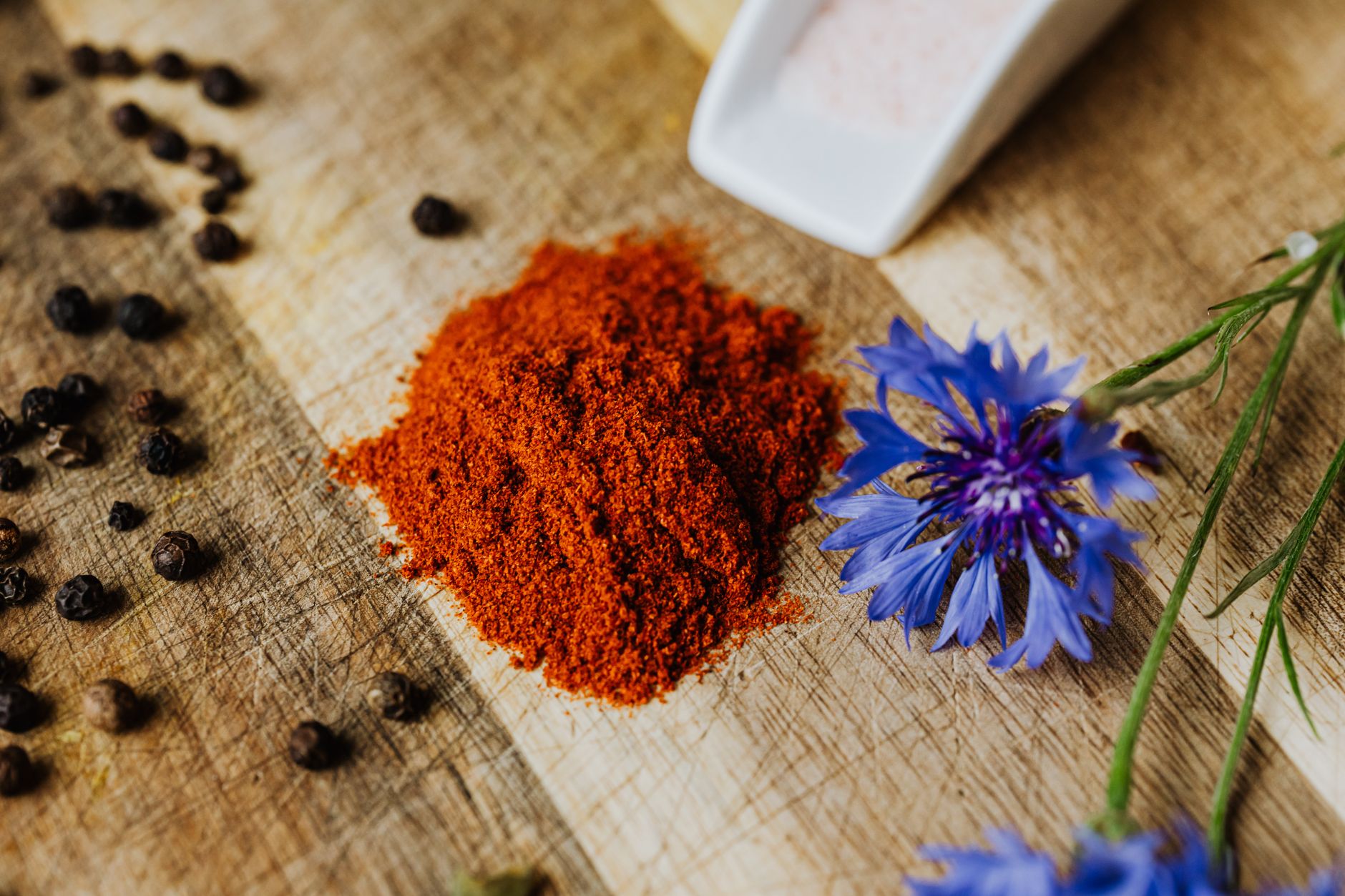
Paprika is a ground spice made primarily from dried red bell peppers or chili peppers. It originated from Central Europe and Spain but is now common worldwide. There are different varieties: sweet paprika, hot paprika, and bittersweet, each varying in heat and flavor intensity.
Hungarian paprika is widely famous and often used in traditional dishes. It ranges from mild and sweet to hot and pungent. Spanish paprika, called pimentn, tends to be sweeter or smoked, depending on production methods. The origin significantly affects the paprikas quality and flavor nuances.
Flavor Profile and Cooking Uses
Regular paprika has a clean, sweet pepper flavor with mild warmth. It adds a beautiful red hue and subtle flavor without overpowering a dish. Youll find it in stews, roasted meats, eggs, and vegetable recipes. Because the flavor is gentle, it works well in dishes where you want a touch of color and mild spice.
For storage, keep paprika in an airtight container away from heat, light, and moisture. Properly stored, it maintains freshness and flavor for up to 612 months.
What is Smoked Paprika?
How Is Smoked Paprika Made?
Smoked paprika starts like regular paprika but with a key difference: the peppers are sun-dried over burning oak wood fires before grinding. This smoking process infuses the peppers with smoky aromas and flavors that are not present in plain paprika. Because of this, smoked paprika carries a rich, earthy aroma with hints of sweetness and heat. This tradition is especially popular in Spain.
Smoked Paprika Flavor and Culinary Uses
The flavor of smoked paprika is unmistakable. It brings smoky, woody, and slightly sweet notes to dishes, making it perfect for grilled meats, seafood, roasted veggies, and hearty stews. Its a star ingredient in Spanish dishes like chorizo and paella but also shines in barbecue rubs and sauces.
While smoked paprika can substitute plain paprika if you want a smoky twist, its best to use regular paprika when you want just color and mild pepper flavor. Overusing smoked paprika can overpower delicate ingredients.

Paprika Vs Smoked Paprika: Key Differences Explained
Comparing Flavor Profiles What Makes Them Unique?
The main difference is flavor and aroma. Paprika delivers a mild, sweet, or slightly hot pepper taste with bright red color. Smoked paprika has an extra dimension: smoky, earthy, and sometimes a little spicy. The heat level varies by type and brand but usually stays low to medium in both.
| Aspect | Paprika | Smoked Paprika |
|---|---|---|
| Flavor | Sweet, mild pepper | Smoky, earthy, slightly sweet |
| Color | Bright red | Deep red with smoky tint |
| Production | Dried red peppers, ground | Dried smoked red peppers, ground |
| Heat Level | Mild to medium | Mild to medium, often milder |
Nutritional Value and Health Considerations
Both paprika and smoked paprika are low-calorie spices rich in antioxidants like carotenoids and vitamin A. According to the USDA FoodData Central, they provide anti-inflammatory and metabolism-supporting compounds. The smoking process of paprika doesnt significantly change the nutritional profile but may add subtle flavonoids related to smoke exposure.
For Halal-conscious consumers, ensure your paprika source is certified by trusted bodies such as JAKIM, HMC, or IFANCA to avoid contamination or additives that may not comply. Also, some commercial paprika blends might contain fillers or anti-caking agents, so reading labels carefully is important.
Cooking Tips: When to Use Paprika or Smoked Paprika?
- Use regular paprika when you want a mild pepper flavor and vibrant colorgreat for omelets, soups, or light stews.
- Choose smoked paprika for deeper smoky flavor in grilled dishes, barbecue sauces, or hearty recipes like chorizo or paella.
- Add paprika toward the end of cooking to preserve its bright color and subtle flavor.
- Start with a teaspoon or less of smoked paprika, then taste-test, as its smoky aroma can overpower delicate dishes.
Regional Varieties and Impact
Hungarian Paprika vs Spanish Smoked Paprika (Pimentn)
Hungarian paprika is usually sweet or mildly hot, prized for its vivid color and clean flavor. Its central to Hungarian goulash and chicken paprikash. Spanish smoked paprika, or pimentn, can be sweet (dulce), bittersweet (agridulce), or hot (picante); its famous for its smoky depth achieved through oak-burning drying methods.
The different pepper varieties and drying techniques shape their unique culinary roles. While Hungarian paprika adds brightness and warmth, pimentn offers complexity and smokiness.
Examples of Signature Dishes
- Hungarian goulash: Uses sweet paprika for a rich, comforting stew.
- Spanish paella and chorizo: Feature smoked paprika for smoky, earthy undertones.
Choosing and Using the Right Paprika
How to Select Quality Paprika at the Store
Look for clear packaging that shows vibrant, deep-red powder. The label should specify whether its sweet, hot, or smoked paprika. Check for Halal certification logos like JAKIM, HMC, or IFANCA for assurance.
Avoid paprika that looks dull or clumpy this signals staleness or moisture exposure. Pure paprika should contain only ground peppers; watch out for fillers or additives further down the ingredient list.
| Certification | Price Range | Common Formats | Shelf Life | Key Allergens |
|---|---|---|---|---|
| JAKIM, HMC, IFANCA | $4$12 per 100g | Powder, jar, bulk | 612 months unopened | None (pure spice) |
Tips for Cooking and Seasoning
Add paprika early in slow-cooked dishes like stews or later in quick sauts to preserve flavor. Smoked paprika is fantastic in marinades and dry rubs for meats. Try pairing smoked paprika with garlic and cumin for a flavorful boost.
Experiment with swapping out plain paprika for smoked paprika in recipes like roasted potatoes or grilled vegetablesyoull instantly notice richer, deeper notes without extra effort.
Storing Paprika to Preserve Shelf Life
Store in an airtight container in a dark, cool place, such as a pantry or spice drawer, at temperatures below 25C (77F). Avoid exposure to moisture or sunlight.
Once opened, paprika typically lasts 612 months before losing potency. Label containers with purchase/opening date to keep track. Grinding fresh from whole dried peppers is ideal but less common commercially.
Is paprika vs smoked paprika actually Halal what should I check?
Both paprika and smoked paprika are naturally plant-based and generally Halal. However, cross-contamination or additives in processing could affect certification. Check for official Halal certification logos from bodies like JAKIM, HMC, or IFANCA on the product label. Avoid mixes or blends without certification if you want to ensure compliance.
When to Add Paprika During Cooking?
Add paprika at varied stages depending on the dish: early during sauting for slow-cooked stews to maximize flavor infusion or near the end in light dishes to preserve vibrant color and delicate aroma. Avoid heating paprika too long at high temperatures, as it can develop bitterness.
Can Smoked Paprika Replace Regular Paprika?
Yes, but consider the smoky flavor impact. If you want similar heat without smoke, use regular paprika. Smoked paprika works well when you want added depth, like in grilled or roasted dishes. Start with smaller amounts to gauge flavor strength.
Are There Health Benefits of Paprika?
According to USDA FoodData Central, paprika contains antioxidants such as carotenoids and vitamin A precursors that support eye health and reduce inflammation. Including paprika in your diet can boost flavor while contributing modest nutrients.
Is Smoked Paprika Spicy?
Smoked paprika is usually mild to medium in heat, depending on the chili pepper used. Most smoked paprika varieties arent overly hot and are prized more for their smoky flavor than spiciness.
How Do I Know If Paprika Is Fresh?
Fresh paprika has a bright red color, strong aroma, and fine texture. Dull color, clumping, or musty smell indicate old or stale spice. Freshness is key to flavor potency.
What Common Dishes Use Paprika?
From Hungarian goulash and chicken paprikash to Spanish chorizo and paella, paprika seasons a range of dishes. It also enhances roasted vegetables, soups, and rubs for meat or fish.
What Are the Most Overlooked Paprika Buying Mistakes?
Buying paprika without checking the label for origin or freshness is common. Some cheap paprikas are blended with fillers or are stale, reducing flavor and color. Always buy from trusted sources with clear certification to avoid disappointment.
Why Do Cheap Versions Disappoint?
Cheap paprika powders often lack aroma and flavor because of old stock, fillers, or inferior processing. They can also turn your dish dull instead of vibrant. Investing in quality paprika means better taste and cooking results.
One Expert Tip for Using Paprika
For intense flavor, lightly toast paprika in a dry pan for 1520 seconds before adding it to recipes. This releases oils and boosts aroma. Be careful to avoid burning, which tastes bitter.
More You Might Like
Discover Cheap groceries tips to help stretch your budget without sacrificing quality.
Learn how to enhance sandwiches or salads with the Best foods mayonnaise recommendations for Halal-certified sauces.
Conclusion
Understanding paprika vs smoked paprika lets you confidently choose based on the flavor your dish needs. Both add vibrant color and nutritional benefits, but smoked paprika offers that smoky depth perfect for hearty, grilled recipes. Next time you shop, check labels carefully for freshness and Halal certification. Try swapping these spices in your cooking and enjoy the delicious transformations. Feel free to share your favorite paprika recipes or tips below!
FAQs
Is paprika vs smoked paprika actually Halal — what should I check on the label?
Both paprika and smoked paprika are naturally plant-based and generally Halal. However, confirm Halal certification from trusted bodies like JAKIM, HMC, or IFANCA on the packaging to avoid products with additives or cross-contamination that could affect compliance.
What is the shelf life of paprika and smoked paprika after opening?
When stored properly in an airtight container away from heat and light, paprika and smoked paprika maintain freshness for about 6 to 12 months after opening. Label and track opening dates to ensure best flavor and potency.
How does smoked paprika differ from regular paprika?
Smoked paprika is made by drying peppers over burning wood, infusing a smoky, earthy flavor. Regular paprika is simply ground dried peppers with a sweet, mild taste. This smoking process adds complexity ideal for grilled or hearty dishes.
Are paprika and smoked paprika safe to consume daily?
Yes, both are safe when used in typical culinary amounts. They offer antioxidants and vitamins like carotenoids and vitamin A precursors. Consume as part of a balanced diet without concerns over toxicity or adverse effects.
Where can I buy quality paprika and smoked paprika?
Quality paprika and smoked paprika are available at grocery stores, specialty spice shops, and online retailers. Look for clear packaging, fresh deep-red color, and Halal certification to ensure authenticity and freshness.