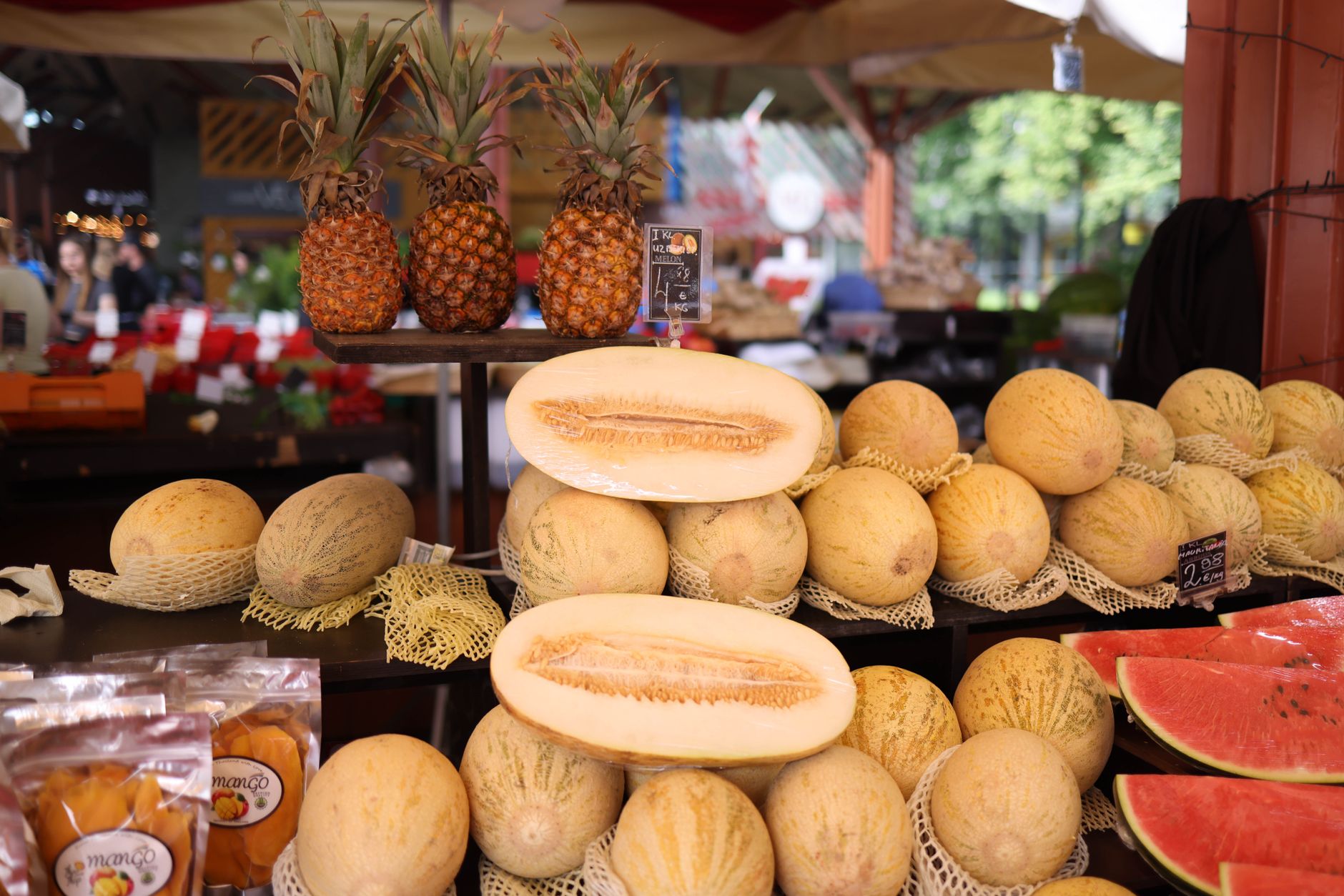
If you ever find yourself torn between cantaloupe and honeydew melons, why not try a Galia melon instead? This unique fruit offers a perfect balance of both, delivering a juicy, sweet, and fragrant experience in every bite. Whether youre a fan of fresh fruit salads or simply want a healthy snack, the Galia melon deserves a spot on your shopping list.
What Is a Galia Melon?
Basic Definition and Origin
The Galia melon is a hybrid fruit, bred by crossing cantaloupe and honeydew melons. Developed in Israel during the 1970s by Dr. Zvi Karchi, the aim was to blend the refreshing sweetness and aromatic qualities of both parent melons. This crossbreed thrives in warm climates and is loved for its distinctive netted skin and vibrant yellow-green flesh.
Why Its Sometimes Called a Muskmelon
Galia melons belong to the muskmelon family, a group characterized by a sweet aroma and netted rind. The term muskmelon covers a variety of melons, including cantaloupe and honeydew. What sets Galia apart is its unique floral fragrance paired with a firmer, juicy texture. Understanding these classifications helps you appreciate the melons background and how it fits into the broader fruit category.

Flavor and Aroma
Flavor Profile Compared to Cantaloupe and Honeydew
The first bite of a Galia melon offers a delightful mix of its hybrid heritage. It carries the pronounced sweetness of a cantaloupe but tempers it with the mild, smooth texture of honeydew. The taste is juicy, slightly floral, and refreshingly crisp. Unlike cantaloupes muskier notes, Galias aroma is cleaner and more subtly fruity perfect for those who find cantaloupe overpowering.
User Experiences and Anecdotes
Many fruit enthusiasts remark that Galia melon is an excellent middle ground melon. Users often describe it as refreshing, vibrant, and perfect for hydration. Whether eaten fresh or tossed in summer salads, its sweetness and aroma consistently win fans. Some even prefer it as a healthy substitute in smoothies, thanks to its delicate yet vivid flavor that blends well with other fruits.
Types of Galia Melons and Other Melons
Different Galia Cultivars
While Galia melons are relatively uniform, there are subtle cultivar variances based on growing regions. For example, some variants may have a slightly firmer rind or an even sweeter flesh, depending on soil and climatic factors. These differences mostly influence sweetness intensity and availability rather than fundamental taste.
Common Melon Varieties Explained
| Melon Type | Flavor | Texture | Best Uses |
|---|---|---|---|
| Cantaloupe | Sweet, musky | Soft, juicy | Fresh eating, salads, smoothies |
| Honeydew | Mildly sweet, clean | Firm, smooth | Fresh eating, desserts |
| Galia | Sweet, floral, balanced | Juicy, crisp | Fresh eating, salads, hydration |
| Canary Melon | Sweet, tangy | Firm, juicy | Salads, fresh snacks |
The table helps you compare quickly and choose the best melon for your culinary or nutritional needs.
Nutrition Facts and Benefits
Health Benefits of Eating Galia Melon
According to the USDA FoodData Central, Galia melon is low in calories, containing roughly 50 calories per 100 grams. Its packed with vitamin C, vitamin A precursors, and potassium crucial for immunity, skin health, and maintaining electrolyte balance. Plus, Galia melon is over 90% water, offering excellent hydration benefits especially in hot weather. The fiber content also supports digestion and a healthy gut.
Possible Considerations or Risks
Galia melon is generally safe and nutritious, but it does contain natural sugars around 9-10 grams per 100 grams, which might concern those monitoring blood sugar carefully. Additionally, individuals with rare melon allergies should approach with caution. For Halal-conscious consumers, look for melons that carry proper Halal certification where available, such as JAKIM or IFANCA logos, especially if grown commercially to ensure no cross-contamination in processing.
Preparation and Eating Tips
Step-by-Step Preparation Guide
Preparing Galia melon is delightfully simple:
- Start by rinsing the melon under cold water to remove any dirt.
- Place on a cutting board and slice off both ends.
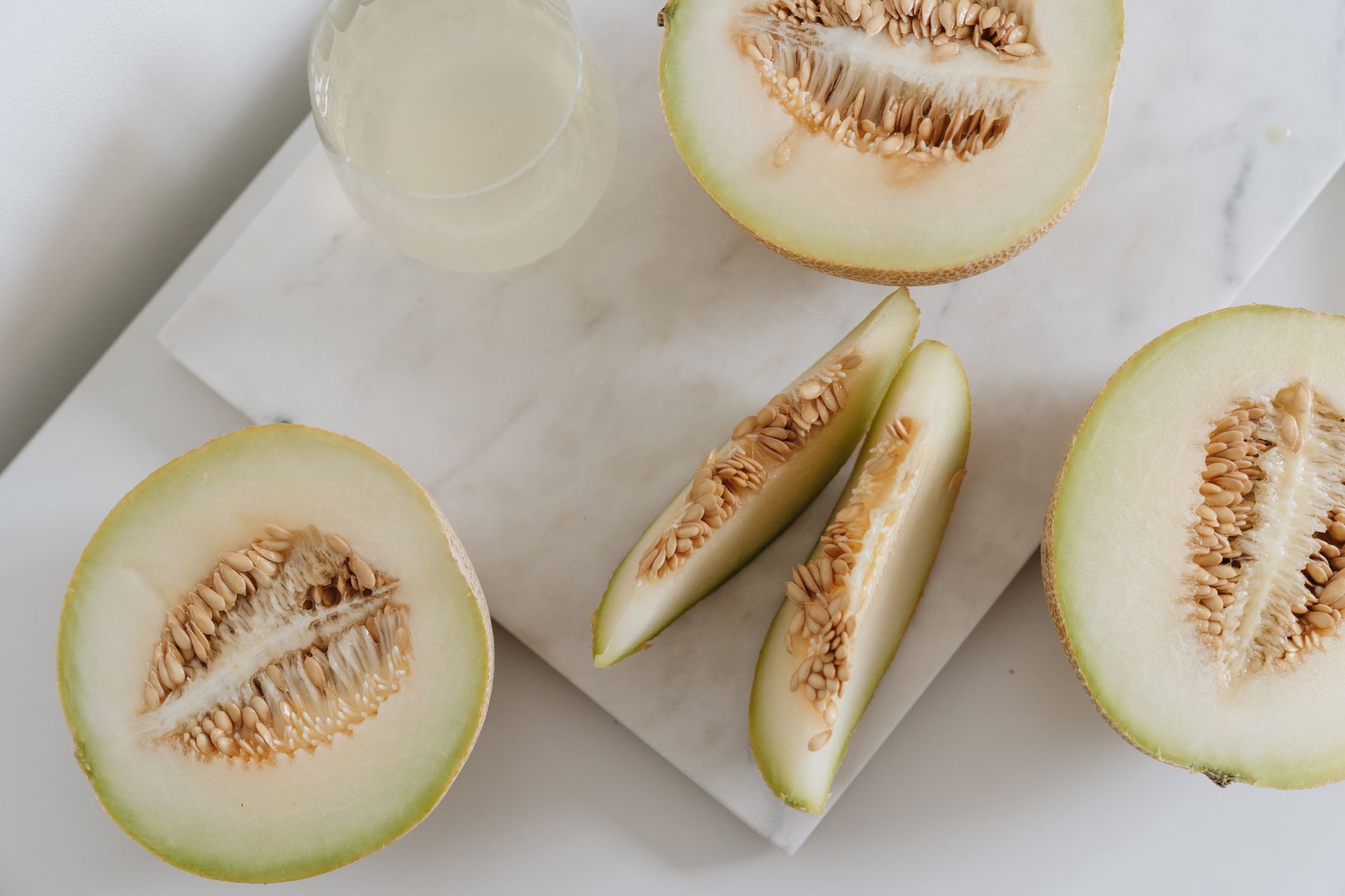
- Stand the melon on one end and cut down the middle.
- Use a spoon to scoop out the seeds and discard.
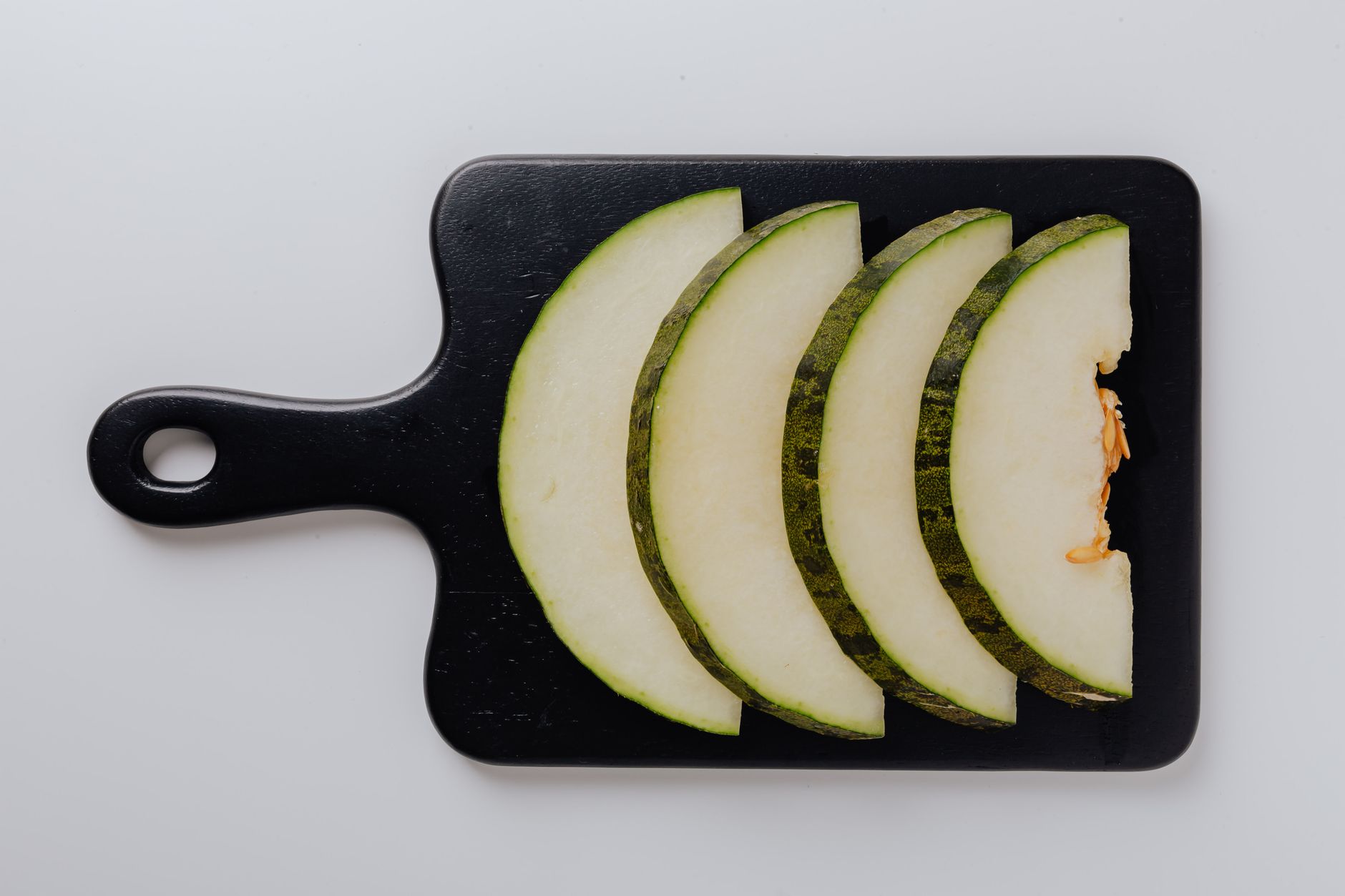
- Slice each half into wedges or cubes, depending on your preference.
- Serve fresh or add to fruit salads, yogurt bowls, or smoothies.
For a refreshing twist, sprinkle a pinch of chili powder or a drizzle of lime over the cubesthis balances sweetness with a mild tang.
Can You Eat Galia Melon Seeds?
Technically, Galia melon seeds are edible but are not commonly eaten raw. They have a mild nutty taste and can be roasted like pumpkin seeds for a crunchy snack. However, most people discard them due to their tough texture and slight bitterness when raw.
Ripeness and Buying Tips
Visual and Sensory Indicators
A ripe Galia melon features a well-developed yellow-gold rind under a distinct netted pattern. Avoid greenish hues on the rind, signaling under-ripeness. The melon should feel slightly soft to the touchthink of a gentle give similar to a ripe avocado, especially near the stem end. Smell the melon; a ripe one gives off a sweet, musky aroma that hints at juicy flesh inside.
Best Practices for Buying Galia Melons
Look for Galia melons at local farmers markets or well-stocked supermarkets during late summer and early fall, the peak season. Choose fruits that feel heavy for their size to ensure juiciness. For Halal shoppers, its good to confirm the fruits sourcing standards, especially from labeled Halal-certified vendors. If buying imported, check the packaging for certification like JAKIM or HMC to be sure.
Heres a quick buyer‘s checklist to keep handy:
| Certification | Price Range | Common Formats | Shelf Life | Key Allergens |
|---|---|---|---|---|
| JAKIM, HMC (where applicable) | $2$5 / melon | Whole fruit | 57 days refrigerated uncut, 34 days cut | None typical, rare melon allergy |
Storage Guidelines
Storage Tips for Freshness
Whole Galia melons can be stored at room temperature for up to 3 days to continue ripening. Once ripe, refrigerate them whole to extend freshness for 5 to 7 days. After cutting, place melon pieces in an airtight container or wrap them tightly with plastic wrap. Consume cut melon within 3 to 4 days for best flavor and texture.
Growing Galia Melons at Home
Basic Cultivation Guide
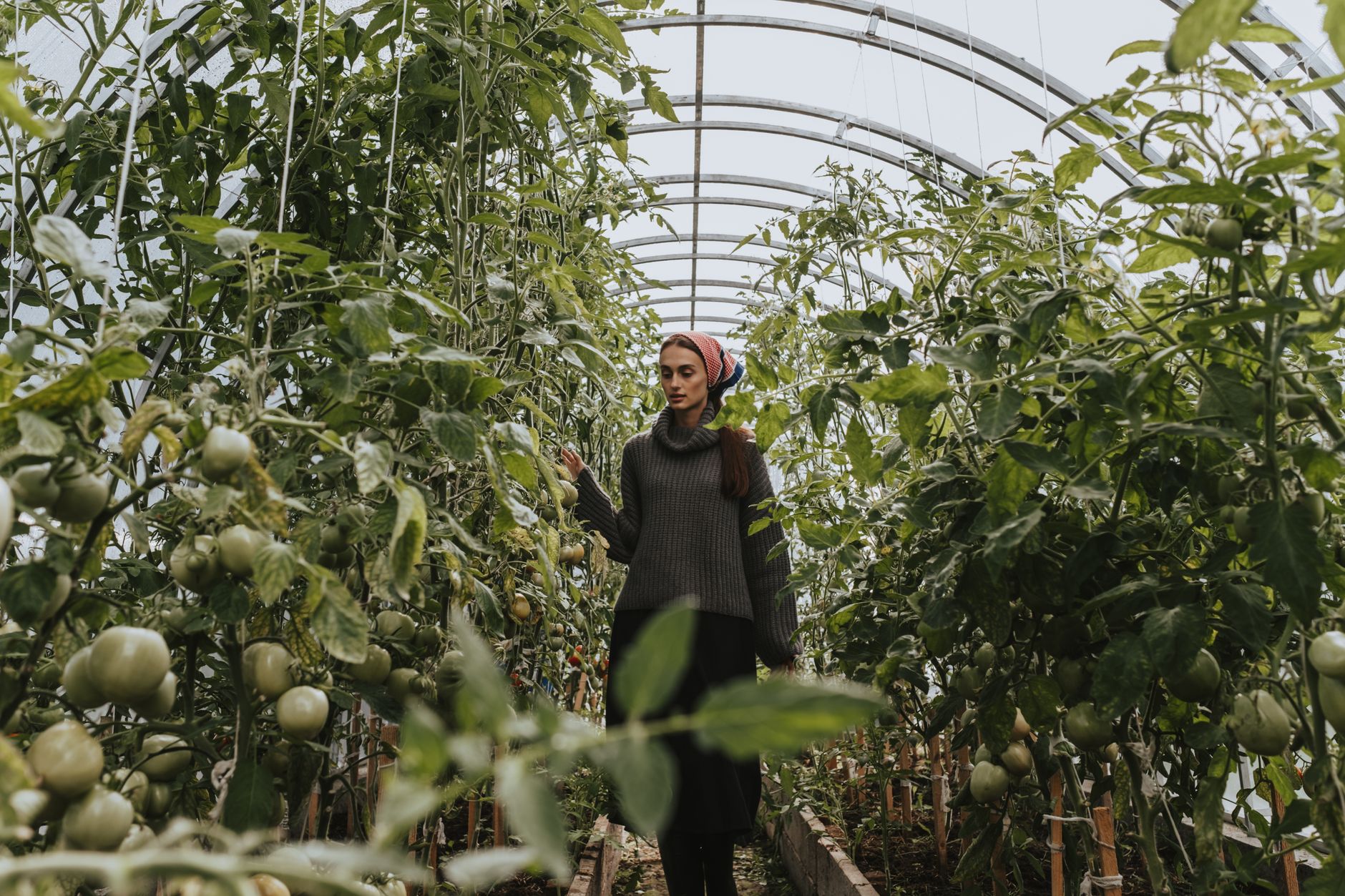
If you have a sunny garden or greenhouse, Galia melons can be grown at home. They need warm temperatures of 2530C (7786F) for optimal growth, with well-draining, sandy loam soil rich in organic matter. Space plants about 60 cm apart to allow ample room for spreading vines. Water regularly but avoid waterlogging, as melons dislike soggy roots. Bees and other pollinators enhance fruit set, so creating a pollinator-friendly space helps yield. Expect fruit maturity roughly 8090 days after transplanting seedlings.
For more healthy eating ideas that complement fruits like Galia melon, dont miss our guide to Best foods for heart health and explore Vegan foods high in protein for balanced nutrition.
Is Galia melon actually Halal what should I check?
As a fresh fruit, Galia melon itself is inherently Halal. However, the key is ensuring no cross-contamination during packaging or processing. Halal certification bodies like JAKIM, HMC, or IFANCA verify that handling complies with Islamic dietary laws. Look for these logos on packaging or ask vendors directly if uncertain.
When is the best time to eat Galia melon?
The best time to enjoy Galia melon is right after ripening when the aroma is strong and the flesh is juicy and tender. Eating it chilled during summer months maximizes its refreshing qualities. Also, it pairs well with breakfast or as an afternoon snack to hydrate and energize.
How do I tell if a Galia melon is ripe?
Check for a golden-yellow netted skin, slight softness near the stem, and a sweet, musky scent. Avoid melons with green or overly hard rinds, which are under-ripe, or soft, mushy spots indicating over-ripeness.
Can I eat Galia melon seeds?
While safe, most people discard the seeds due to their tough texture and bitter taste. Roasting them can create an edible snack, but raw seeds are generally avoided.
How long can I store cut Galia melon?
Once cut, Galia melon should be stored in airtight containers in the fridge and consumed within 3 to 4 days for optimal freshness and safety.
Are there any allergens in Galia melon?
Galia melon is allergen-free for most people. Rarely, some individuals may have melon allergies or cross-react with ragweed pollen. If you have known sensitivities, test with small amounts first.
Is it better to buy Galia melon fresh or pre-cut?
Fresh, whole melons usually last longer and allow you to control ripeness. Pre-cut melon is convenient but has a shorter shelf life and sometimes lacks proper Halal certification, so verify packaging and source carefully.
What is the most overlooked buying mistake with Galia melons?
Many shoppers pick Galia melons by color alone, missing key ripeness signs like aroma and firmness. Avoid green or hard-skinned fruiteven if visually appealing, they will taste bland. The expert tip is to smell and gently press near the stem for the best buying decision.
Why do cheap Galia melons often disappoint?
Lower-priced melons might be harvested prematurely to reduce costs, leading to poor sweetness and bland aroma. Choosing a quality melon from reliable supplierseven at a slightly higher priceensures the rich, balanced flavor Galia is known for.
Expert tip for enjoying Galia melon
For maximum flavor, chill Galia melon for at least 1 hour before serving. When adding to salads, toss gently to avoid crushing its delicate flesh. A squeeze of fresh lime juice can enhance the floral notes beautifully.
More You Might Like
Explore our guide to Best foods for heart health to complement the natural goodness of Galia melon with heart-friendly choices.
If you follow a plant-based lifestyle, check out our top Vegan foods high in protein to balance your meals with wholesome sources of energy.
Conclusion
The Galia melon is an inviting choice for anyone who appreciates the sweet juiciness of cantaloupe and honeydew combined. Its distinct aroma, balanced taste, and excellent hydration make it an ideal fruit for fresh eating and healthy snacking. Next time you spot a Galia melon, check the rind, smell the fragrance, and enjoy a burst of natures sweetness. Feel free to share your culinary discoveries or favorite ways to enjoy this delightful melon in the comments below!
FAQs
Is Galia melon actually Halal — what should I check on the label?
Galia melon is naturally Halal as a fresh fruit. However, ensure there is no cross-contamination during processing by checking for Halal certification logos from bodies like JAKIM, HMC, or IFANCA on packaging or verifying with the vendor.
How long can I store cut Galia melon?
Once cut, store Galia melon in an airtight container in the refrigerator. It is best consumed within 3 to 4 days to maintain optimal freshness, flavor, and safety.
What is the difference between Galia melon and common alternatives like cantaloupe or honeydew?
Galia melon combines the sweet, floral taste of cantaloupe with the smooth, mild texture of honeydew. It offers a balanced flavor that is less musky than cantaloupe and juicier than honeydew, making it a refreshing middle ground.
Is it safe to eat Galia melon daily?
Yes, Galia melon is safe for daily consumption as it is low in calories, high in vitamins, and hydrating. However, those monitoring blood sugar should consume it in moderation due to natural sugars.
Where can I buy fresh and reliable Galia melon?
Look for Galia melons at local farmers markets or well-stocked supermarkets during late summer and early fall. For Halal assurance, seek vendors or packaging with valid Halal certification logos like JAKIM or HMC.