If you enjoy the fizzy refreshment of soda but want to avoid caffeines jittery effects, caffeine-free sodas offer a tasty alternative. Whether you‘re sensitive to caffeine, pregnant, or simply cutting back, switching to soda without caffeine lets you still enjoy bubbles and flavor without the wired feeling. Well highlight the best caffeine-free soda brands and a few to steer clear of, plus practical tips to help you pick quality drinks that suit your lifestyle and dietary needs.
Why Choose Caffeine-Free
Benefits of Caffeine-Free Sodas
Caffeine-free sodas avoid many side effects linked to caffeine consumption such as anxiety, jitteriness, and disrupted sleep patterns. For pregnant women or children, avoiding caffeine aligns with major health guidelines, reducing risks associated with stimulant intake. Additionally, people sensitive to caffeine find relief by eliminating it, helping manage headaches or heart palpitations.
Downsides to Consider
While caffeine-free means no stimulant, these sodas may still contain high sugar levels or artificial sweeteners. Excess sugar contributes to calories and can affect blood sugar, while some non-nutritive sweeteners cause digestive discomfort in sensitive individuals. Also, removing caffeine means losing its mild alertness benefit, so if you enjoy that fizzy kick, caffeine-free options wont replicate it.
Expert Insight
Research published in nutrition journals notes caffeine sensitivity varies widely. Nutritionists advise checking ingredient labels closely, especially for hidden sources of sugar and allergens. According to JAKIM Halal certification standards, consuming beverages with clear halal certification logos helps ensure ingredient transparency and compliance for Muslim consumers.
Best Caffeine-Free Sodas
How to Choose a Quality Caffeine-Free Soda
Your ideal caffeine-free soda should combine great taste with clean, traceable ingredients and reliable certification. Verify the ingredientslook for natural flavors, minimal additives, and halal certification if thats important to you. Availability and price also matter, as well as your flavor preferences, ranging from spicy ginger ale to fruity sodas.
| Certification | Price Range | Common Formats | Shelf Life | Key Allergens |
|---|---|---|---|---|
| JAKIM, HMC (select brands) | $1$3 per 12 oz bottle/can | 12 oz cans, 20 oz bottles, 2 L bottles | 912 months unopened | None typically; watch for added flavors |
Schweppes Ginger Ale
Schweppes Ginger Ale offers a crisp, mildly spicy flavor with no caffeine that pairs well with meals or stands alone as a refreshing drink. Its widely available and often comes with halal certification on select packaging. Ingredients are straightforward with carbonated water, real ginger extract, and sweeteners, making it a solid pick for those wanting a natural taste.
IBC Root Beer
IBC Root Beer is rich and creamy with authentic vanilla and sassafras notes. Its caffeine-free, making it a favorite for families and those who want indulgent flavor without stimulants. The brand emphasizes high-quality ingredients and carries recognizable safety and quality certifications.
Sprite
Sprite remains one of the classic caffeine-free sodas worldwide. Its crisp lemon-lime flavor and balanced sweetness make it a go-to soft drink. Sprite is widely certified halal by agencies such as IFANCA, reassuring Muslim consumers about its ingredients and production methods.
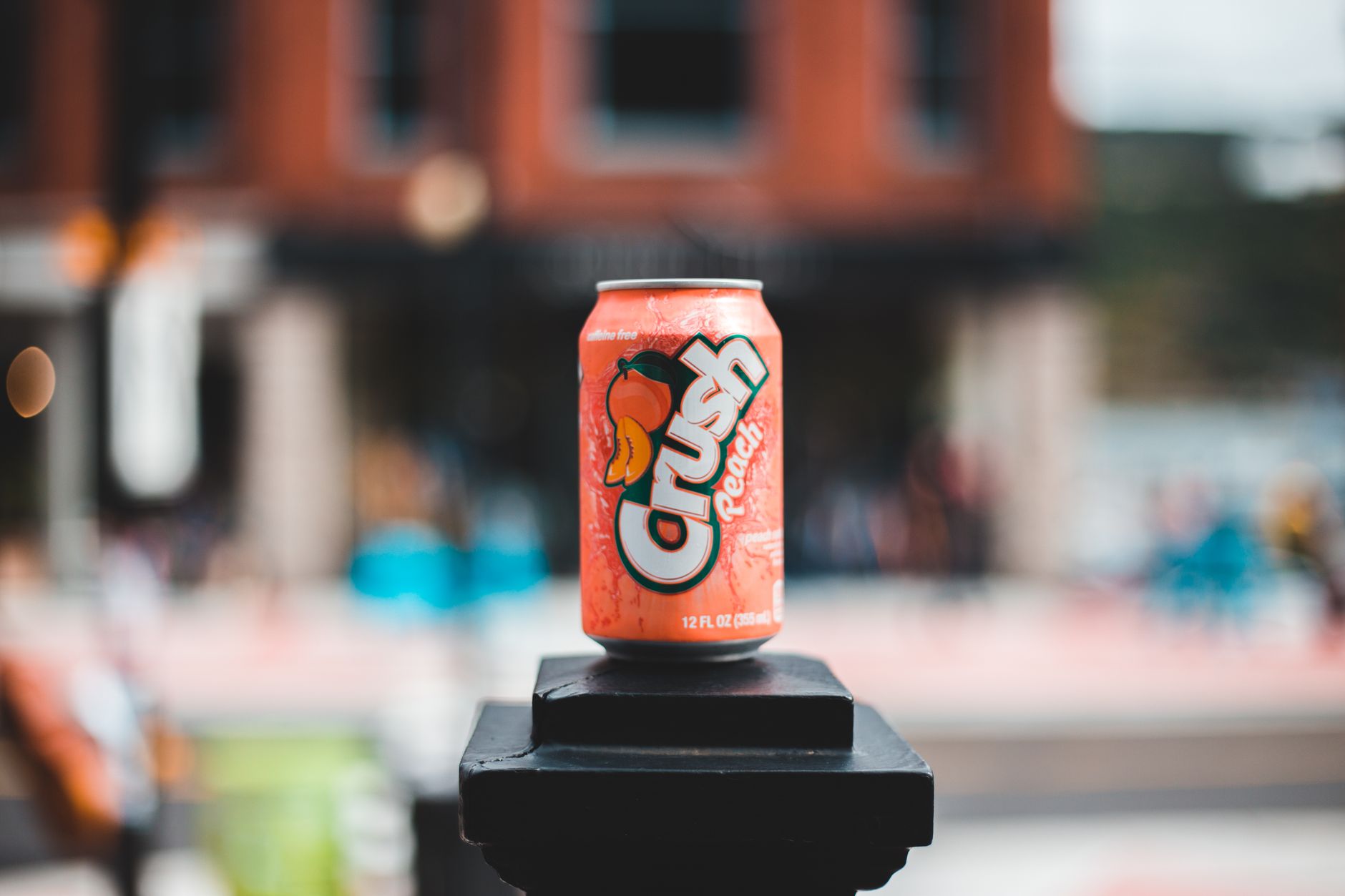
Crush Orange Soda
For fruit soda lovers, Crush Orange Soda delivers bold citrus flavor and bubbles without caffeine. The bright, sweet orange taste makes it a fun alternative, though watch for higher sugar content if youre monitoring intake.
Mug Root Beer
Mug Root Beer stands out with its velvety, robust flavor profile. It competes closely with IBC but typically comes at a slightly lower price, making it a popular caffeine-free root beer option. Check labels for halal certification if this is a requirement.
Crush Grape Soda
Crush Grape Soda is a pleasantly sweet and fruity choice that offers caffeine-free refreshment with rich purple grape flavorperfect for those who want variety beyond traditional cola or citrus sodas.
| Soda | Flavor Profile | Sweetener Type | Calories per 12 oz | Availability |
|---|---|---|---|---|
| Schweppes Ginger Ale | Crisp, spicy ginger | Sugar, natural flavors | 120 | Widely available |
| IBC Root Beer | Rich, creamy vanilla | Sugar, natural flavors | 160 | Common in US markets |
| Sprite | Lemon-lime crisp | High fructose corn syrup | 140 | Global distribution |
| Crush Orange Soda | Sweet citrus orange | Sugar, natural flavors | 150 | Many grocery stores |
| Mug Root Beer | Velvety, robust vanilla | Sugar, natural flavors | 160 | Widely available |
| Crush Grape Soda | Sweet, fruity grape | Sugar, natural flavors | 150 | Common in stores |
Sodas to Avoid
Warning Signs in Caffeine-Free Sodas
Some caffeine-free sodas use artificial ingredients, questionable preservatives, or have poor flavor quality. Avoiding these can save money and disappointment. Brands with inconsistent manufacturing quality may lack halal certification or transparent labeling, which are red flags for health-conscious shoppers.
Caffeine-Free Diet Coke
Despite the brands popularity, many find Caffeine-Free Diet Coke to have an unusual aftertaste and high amounts of artificial sweeteners like aspartame. The taste is often described as chemically, and some consumers report headaches or digestive issues after drinking.
Caffeine-Free Coke
Similar to Diet Coke, Caffeine-Free Coke may not satisfy those seeking a clean, flavorful soda. It lacks the rich cola depth other caffeine-free options provide and contains high fructose corn syrup. The absence of natural flavor extracts affects taste.
Poppi Lemon Lime
Poppi Lemon Lime markets itself as a healthy soda alternative with prebiotic benefits, but its ingredient label reveals added sugars and citrus extracts that may cause sensitivity. It also lacks robust certification for halal status, which is a concern for specific consumers.
Selection Process
How We Picked Brands
Taste tests involved sampling multiple soda brands for flavor balance, aftertaste, and carbonation levels. Labels were reviewed for transparency of ingredients, presence of allergens, and halal certification from trusted bodies like JAKIM and HMC. Consumer feedback from surveys was also factored in to gauge satisfaction and consistency.
Expert Input
Nutritionists contributed insights about sugar types and artificial sweeteners. Feedback from halal certification agencies helped confirm authenticity of ingredient sources and compliance. These factors ensured that our recommended sodas meet quality and dietary standards.
Evaluate Yourself
Reading a soda‘s ingredient list is vital. Check if sugar is listed as one of the first three ingredients; that indicates a high level. Look for natural flavors over artificial or chemical terms. Verify halal certification with logos from agencies like IFANCA or JAKIM to ensure the product aligns with halal dietary laws.
Is caffeine-free soda actually Halalwhat should I check?
Not all caffeine-free sodas are halal by default. Look for halal certification labels approved by recognized bodies such as JAKIM, HMC, or IFANCA. These certifications confirm that ingredients, production, and handling meet halal standards. Avoid products with unclear sources of flavors or additives.
Are caffeine-free sodas healthier than regular sodas?
Caffeine-free sodas eliminate caffeine‘s stimulant effects but are generally similar in sugar or calorie content to regular sodas. Choosing caffeine-free doesn‘t automatically mean healthierit‘s important to check sugar, calorie, and additive levels to make an informed choice aligned with your health goals.
Can caffeine-free sodas help with better sleep?
Yes, by removing caffeine, these sodas reduce the risk of sleep disruption caused by stimulants. Enjoying caffeine-free beverages in the evening can support more restful sleep, especially for those sensitive to caffeine‘s effects.
Are all caffeine-free sodas truly caffeine-free?
Most brands labeled caffeine-free comply with FDA standards, containing less than 2 mg caffeine per serving, effectively negligible. However, trace amounts may occur naturally in some flavorings. Always check ingredient details if you require strict caffeine avoidance.
Whats the difference between caffeine-free soda and caffeine-free soft drinks?
"Caffeine-free soda" typically refers to carbonated beverages designed as alternatives to traditional colas or flavored sodas. "Caffeine-free soft drinks" is a broader term encompassing all non-caffeinated sweetened beverages including non-carbonated options like fruit punches or flavored waters.
When is the best time to drink caffeine-free sodas?
Caffeine-free sodas can be enjoyed anytime, especially later in the day when caffeine intake should be limited. They make good mixers for non-alcoholic or alcohol-based beverages, but keep portions moderate given sugar content.
How long do caffeine-free sodas last once opened?
Once opened, caffeine-free sodas generally keep carbonation and flavor for 13 days if refrigerated and sealed tightly. After that, taste and fizz diminish rapidly.
Pro Tips
One common buying mistake is overlooking the sweetener type. Many cheap caffeine-free sodas rely heavily on high fructose corn syrup, which some consumers prefer to avoid. Opt for brands that list pure cane sugar or natural sweeteners for cleaner flavor.
Another tip is to watch for seasonal or limited edition sodas that occasionally appear with unique flavors and quality ingredients verified by halal certification. These can be an exciting way to enjoy new caffeine-free options.
Expert recommendation: Choose sodas with natural flavors clearly defined on the label. Ambiguous terms like artificial flavor or natural flavor without detail may hide additives you want to avoid.
You might enjoy reading about popular Starbucks holiday drinks for non-caffeinated festive options or explore recipes featuring Tequila drinks that pair nicely with caffeine-free mixers.
Conclusion
Choosing the right caffeine-free sodas means balancing taste, ingredient quality, and certification standards. Brands like Schweppes Ginger Ale and IBC Root Beer deliver satisfying caffeine-free fizz with transparent, halal-friendly ingredients. Keep an eye on labels for sugar and additives, and explore varieties to find your favorite. Next time you shop, consider trying caffeine-free sodas for a refreshing way to cut caffeine without giving up your bubbly enjoyment. Feel free to share your experiences or favorites in the comments!
FAQs
Is caffeine-free sodas actually Halal — what should I check on the label?
Not all caffeine-free sodas are automatically halal. Look for halal certification logos from recognized bodies like JAKIM, IFANCA, or HMC on the packaging. These confirm that ingredients, production processes, and additives comply with halal standards, ensuring the product meets dietary requirements.
How long do caffeine-free sodas last once opened?
Once opened, caffeine-free sodas generally retain carbonation and flavor for up to 13 days if refrigerated and sealed properly. After that period, they tend to lose fizz and taste quality, so it’s best to consume them within this timeframe for optimal enjoyment.
What is the difference between caffeine-free soda and regular soda?
Caffeine-free sodas contain little to no caffeine, usually under 2 mg per serving, eliminating stimulant effects. Regular sodas typically contain caffeine and may provide a mild alertness boost. Otherwise, both can have similar sugar and calorie levels, so check ingredients carefully for health considerations.
Are caffeine-free sodas safe to drink daily?
Caffeine-free sodas remove stimulant risks but often still contain sugar or artificial sweeteners, which should be consumed in moderation. Daily intake is generally safe when balanced with a healthy diet, but be mindful of added sugars and additives to support overall well-being.
Where can I buy quality caffeine-free sodas with halal certification?
Quality caffeine-free sodas with halal certification are commonly found in major supermarkets, specialty stores, and online retailers. Check product labels for halal logos from trusted agencies, and consider brands like Schweppes Ginger Ale or Sprite, which often carry halal certification.