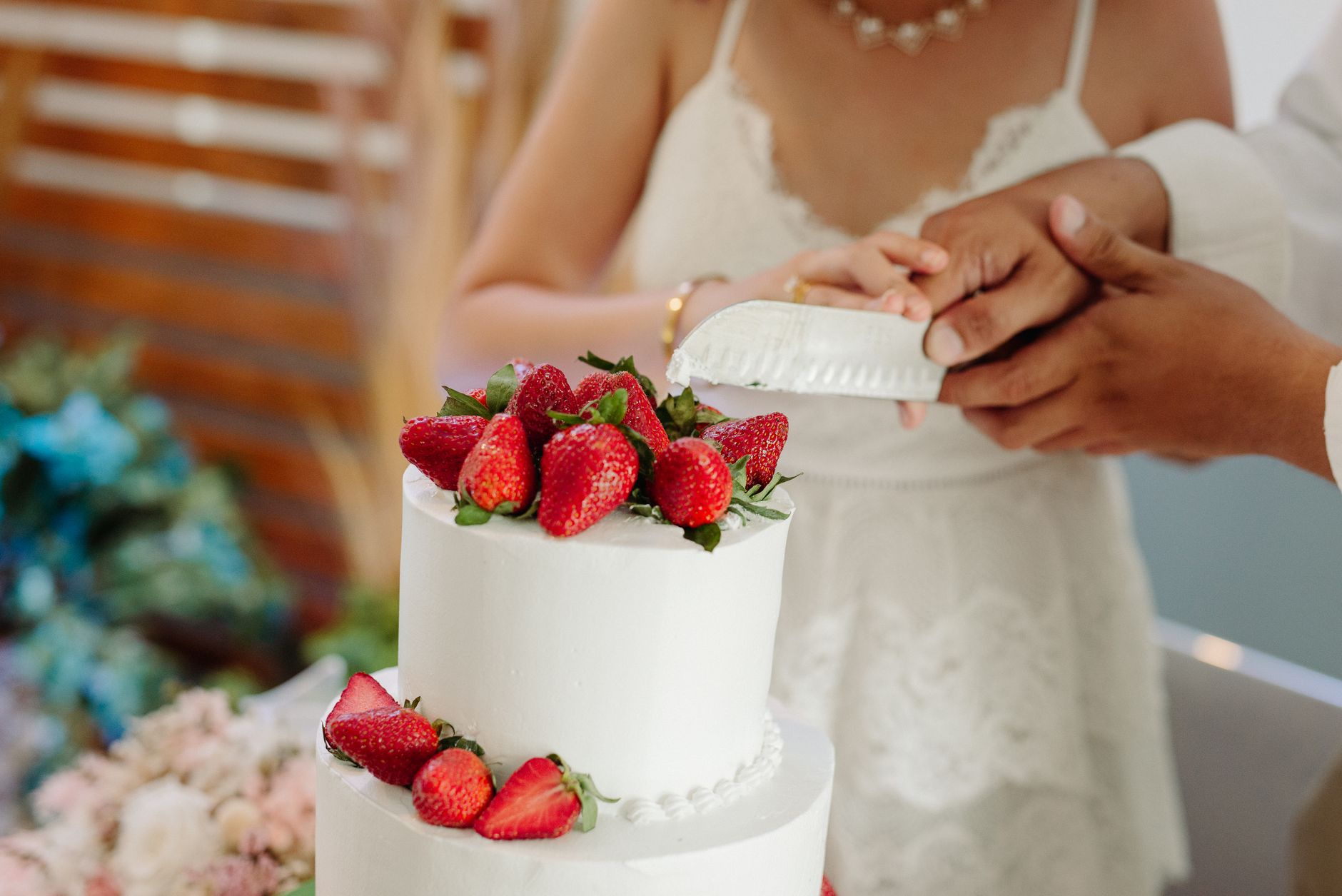
Ever found yourself at a party or picnic and realized theres no knife to cut cake? Well, youre not alone. You can easily cut cake without knife using a simple but effective old-school method that delivers clean, neat slices every time. This technique is perfect for anyone wanting to enjoy cake without the fuss of extra utensils or worrying about safetyespecially around kids or when youre outdoors. Lets explore how this traditional trick can keep your cake looking slice-perfect and your experience mess-free.
Why Choose No-Knife Cutting?
What Are The Advantages Of Cutting Cake Without A Knife?
Cutting cake without a knife offers several surprising benefits. First, it creates cleaner slices with less mess. Knives sometimes tear or crush delicate cake layers, but alternatives like string glide smoothly through the cake without squashing. Its also a safer option, especially around children or in outdoor settings where sharp objects arent ideal. And finally, you dont need extra utensils, which means less cleanup and fewer tools to worry about.
Are There Limitations To This Method?
Though handy, no-knife cutting can have drawbacks. Soft or sticky cakes might cling to the string and break apart during slicing. For delicate cakes, applying too much pressure can damage layers. Sometimes, when precision is cruciallike for intricate cake decorations or very soft sponge cakesa traditional knife still does the job best. Understanding your cakes texture helps you decide the best approach.
Best Cake Types For No-Knife Cutting
| Cake Type | Suitability | Reason |
|---|---|---|
| Dense Cakes (e.g., Pound Cake, Fruit Cake) | Excellent | Firm texture slices cleanly with string without crumbling |
| Frosted Layer Cakes | Good | Chilling allows frosting to firm up, more stable for slicing |
| Light Sponge Cakes | Fair | Care needed; risk of layers breaking or crumbs |
| Cheesecakes & Mousses | Limited | Very soft, may require gentle cutting and lifting |
How To Slice Cake Cleanly Without A Knife
What Tools Replace A Knife?
The best replacement for a knife is simple household items you likely already have. The classic choice is clean, food-safe string or unflavored dental floss. Thin cake slicing wires or strong fishing line can also work effectively. String works because its thin and flexible, allowing you to cut straight through the cake layers without crushing or squashing the texture.
Preparing Cake For No-Knife Slicing
Before cutting, chill your cake in the fridge for 2030 minutes to firm up the frosting and crumb. This helps make cleaner, more precise cuts. Mark slice portions gently with toothpicks or by making shallow indentations with a spoon handle to guide string placement. Proper positioning ensures each portion is even and supports neat presentation.

Step-by-Step: Using String To Cut Cake
- Step 1: Cut a long piece of clean, food-safe string or unflavored dental floss, at least twice the width of your cake.
- Step 2: Wrap the string around your fingers or hold it taut with both hands just above the cake at the height you want to slice.
- Step 3: Press the string gently downwards through the cake in a straight line, applying even pressure. Avoid sawing back and forth, which can tear the layers.
- Step 4: Once through, carefully lift or separate the slice with a cake lifter or spatula to keep its shape intact.
Tips For Different Cake Types
- Frosted Cakes: Always chill before slicing to prevent frosting smearing.
- Layer Cakes: Use longer string cuts for clean vertical layers and avoid crushing by applying gentle, steady pressure.
- Cheesecakes & Mousses: Use slow, gentle pressure and support slices carefully when lifting.
Slicing Tips For Perfect Cake Portions
Clean And Precise No-Knife Cutting
Using steady, slow pressure is essential for neat slices. Resist the urge to saw; just press firmly and evenly. Chill the cake properly for firmer cutting, especially with creamy or frosted cakes. Clean the string between each slice to avoid crumbs building up and sticking, ensuring each cut is smooth.
Serving Cake After Slicing
Use a cake lifter, flat spatula, or serving knife to gently slide underneath your slice and transfer it to a plate. Presentation matters, so handle slices carefully to maintain their shape and layers. A clean cut paired with nice plating makes your cake look as good as it tastes.
Common Mistakes To Avoid
- Cutting too quickly or pulling string unevenly causes jagged edges.
- Cutting warm cake leads to crumbled slices.
- Using rough or flavored string can stick to the cake and affect taste.

Real-Life Uses And Adaptations
Success Stories At Events
Many home bakers and event caterers swear by this string technique, especially at picnics and outdoor gatherings where knives aren‘t handy. One baker shared how this method saved a last-minute celebration: without a knife, she sliced a dense carrot cake perfectly for 15 guests using dental floss. This easy approach avoids cross-contamination and is perfect for Halal-conscious households focused on hygiene and safety.
Adapting For Decorating And Layering
Professional bakers sometimes use string or cake slicing wire when layering cakes to ensure even tiers. Combining no-knife methods with traditional tools offers flexibility. For intricate decorations, though, precision knives remain valuable. But when you want straightforward slicing without fuss, string works wonders.
You might enjoy more tips on bakery craftsmanship from brands like Columbus corner bakery or try the rich breads from Levain bakery. Both offer baking inspiration for Halal and health-conscious consumers.
Is cutting cake without a knife actually safe?
Yes, using clean, food-safe string or dental floss is safe for slicing cake. Just ensure the string is unflavored, free from dyes or additives, and food-grade. This method avoids the hazards of sharp knives, especially around children. For Halal assurance, use certified ingredients and avoid shared utensils that compromise hygiene, as defined by reliable Halal certification bodies like JAKIM or IFANCA.
When is the best time to cut cake without a knife?
The ideal time is after the cake has chilled for 2030 minutes. Cooling firms up the frosting and crumb, making the cake easier to slice cleanly. Avoid cutting freshly baked, warm cakes because they tend to crumble and stick together. Choosing the right moment helps maintain the cakes shape and taste.
What types of string are safe to use for cake slicing?
Unflavored dental floss or clean cotton kitchen twine is best. Avoid colored or flavored floss as they may contain additives not suitable for food contact. Food-grade cake slicing wires are another excellent choice. Always verify the string is clean and free from contaminants before use.
Can I use this method for all cake sizes?
Yes, the string method works from small cakes to large tiered versions. For bigger cakes, you might need longer string or floss and extra steady hands for even pressure. Adjust your string length and support carefully for consistent portions regardless of cake size.
How do I avoid crumbs sticking to the string?
Cleaning your string between each slice removes crumbs and prevents buildup. You can wipe it gently with a clean damp cloth or use a new section of floss for each cut. This keeps cuts smooth and avoids messy edges.
Can this method be used for cupcakes or small pastries?
While designed for cakes, you can use string to cut larger cupcakes or pastries with a soft crumb. However, individual cupcakes are generally best enjoyed whole or sliced with a small knife for neatness. The string method shines most with whole round or square cakes.
Is there a trick to cutting layered frosted cakes?
Yes, chill the cake until the frosting firms up, and mark portions lightly before slicing. Hold the string taut and slice slowly. Support each slice carefully when serving to preserve those clean, layered visuals and prevent squashing.
Pro Tips For Flawless Slicing
- Use high-quality, unflavored dental floss or fine cotton twine to avoid flavor contamination.
- Chill the cake at least 20 minutes before slicing for best results, especially for frosted or mousse cakes.
- Pull the string straight down without a sawing motion to get crisp, clean slices.
- If your cake has sticky frosting, wipe string after each slice for smoother cuts.
- Try pairing this method with right-angled serrated spatulas for serving to maintain slice integrity.
More You Might Like
Discover artisan breads and pastries made with Halal-certified ingredients at Columbus corner bakery. Their clean-label bakery items pair beautifully with homemade cakes cut using string methods.
Explore the decadent, velvety treats from Levain bakery, offering lovingly crafted Halal-certified delights perfect for sharing on any occasion.

Conclusion
Cutting cake without knife is a clever, old-school trick thats easy to master. Using string or dental floss, you gain cleaner slices, less mess, and safer handlingideal for Halal-conscious kitchens and everyday gatherings. Next time you find yourself cake-ready but knife-less, give this simple technique a try. Feel free to share your experiences or questions in the commentswe love hearing your cake stories!
FAQs
Is cut cake without knife actually Halal — what should I check on the label?
Yes, cutting cake without a knife using food-safe, unflavored string or dental floss is Halal. Ensure the string is free from dyes, additives, and is certified food-grade. Verify any utensils comply with Halal standards by checking certification from bodies like JAKIM or IFANCA to maintain hygiene and safety.
When is the best time to cut cake without knife?
The best time to cut cake without a knife is after chilling it in the fridge for 20–30 minutes. Cooling firms up the frosting and crumb, making slices cleaner and easier to cut without crumbling or sticking.
What are the benefits of cutting cake without a knife compared to using a traditional knife?
Cutting cake without a knife, typically using string or dental floss, creates cleaner slices with less mess, reduces risk of crushing layers, and is safer especially around children. It also requires no extra utensils, making cleanup easier and ideal for outdoor or casual events.
Is it safe to use dental floss or string daily for cake slicing?
Yes, as long as you use clean, food-safe, unflavored dental floss or cotton twine, it is safe for daily use. Avoid flavored or colored floss to prevent contamination. Always ensure the string is clean before cutting to maintain hygiene.
Where can I buy suitable string or floss for cutting cake without a knife?
You can find food-safe dental floss or unflavored cotton kitchen twine at most supermarkets, baking supply stores, or online retailers. Look for items labeled food-grade and unflavored to ensure safety and best results for cake cutting.